

4 days ago
Sugar and Egg Prices Surge as Rice Feeds Ethanol

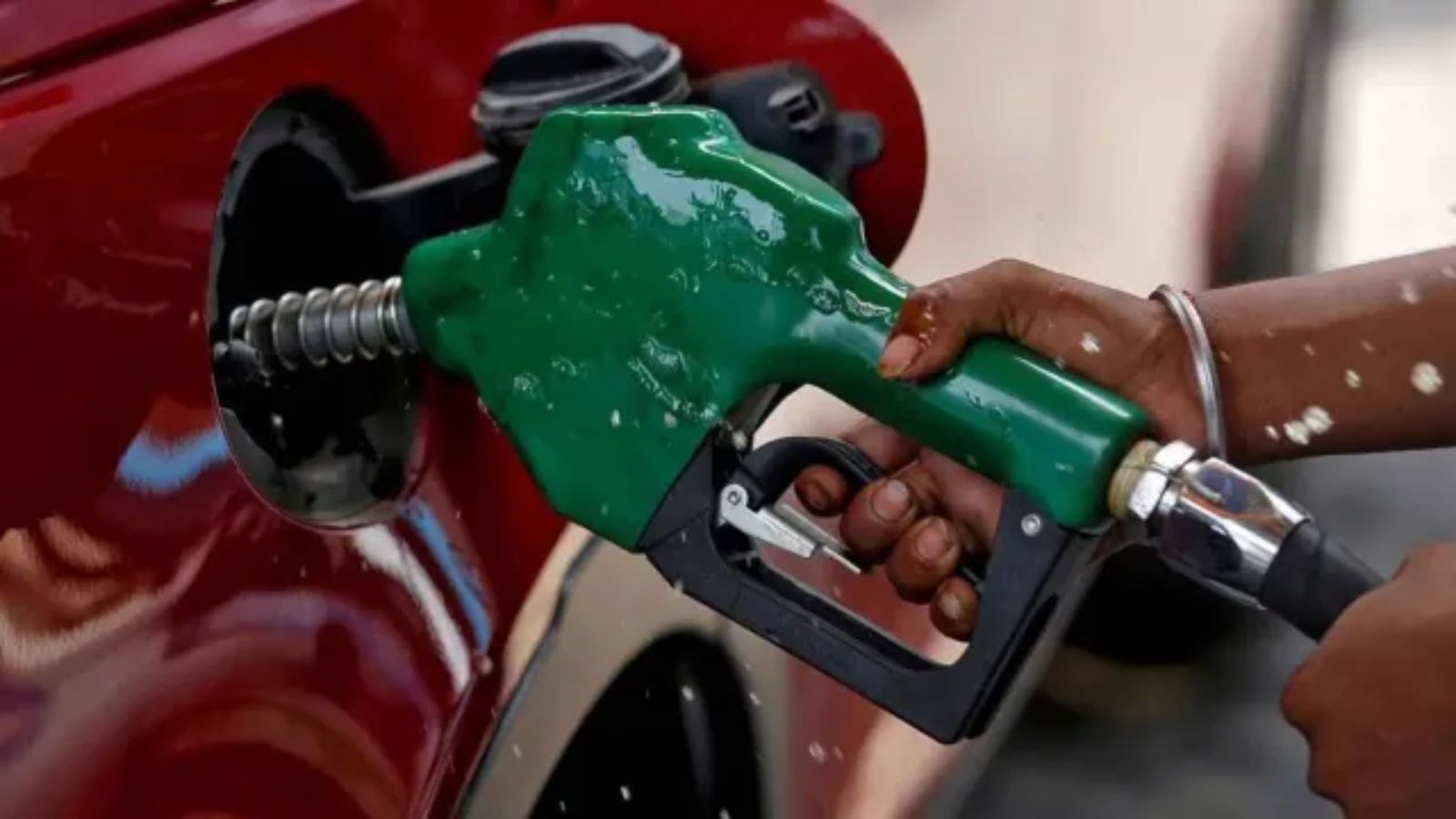
India is trying to mix more ethanol into fuel through its E20 Programme.
Ethanol can be made from different farm products.
The article says distilleries once used molasses and rotten rice.
It says they are now also using millets, corn, and rice.
Some rice supplied to distilleries is subsidized with taxpayers’ money.
At the same time, the article says sugar and eggs are becoming more expensive.
This raises concerns about whether food supplies are being redirected toward fuel.
The article asks whether taxpayers and consumers are ultimately paying for the ethanol programme.

The article says sugar and egg prices are rising.
Molasses and rotten rice were previously used to produce ethanol.
Ethanol feedstock now includes millets, corn, and rice, according to the article.
Subsidized rice funded by taxpayers is being supplied to distilleries.
The article questions who ultimately pays for India’s E20 Programme and ethanol blending.
- Who
- Indian taxpayers, consumers, distilleries, and producers of ethanol, sugar, eggs, and rice.
- What
- The article reports rising sugar and egg prices and the diversion of rice and other feedstocks to ethanol production.
- Where
- India.
- When
- Previously, molasses and rotten rice were used; the article says feedstock has now expanded to include millets, corn, and rice.
- Why
- The feedstocks are being used for ethanol blending under India’s E20 Programme, while the article questions who bears the cost.
Key facts
- Programme
- India’s E20 Programme
- Earlier ethanol feedstocks
- Molasses and rotten rice
- Newly cited feedstocks
- Millets, corn, and rice
- Reported price increases
- Sugar and eggs
- Rice subsidy
- The article says subsidized rice funded by taxpayers is being provided to distilleries
- Central question
- Who ultimately pays for ethanol blending?
Sources
Related news
India’s Ethanol Push Shifts From Sugarcane Toward Grain Feedstocks
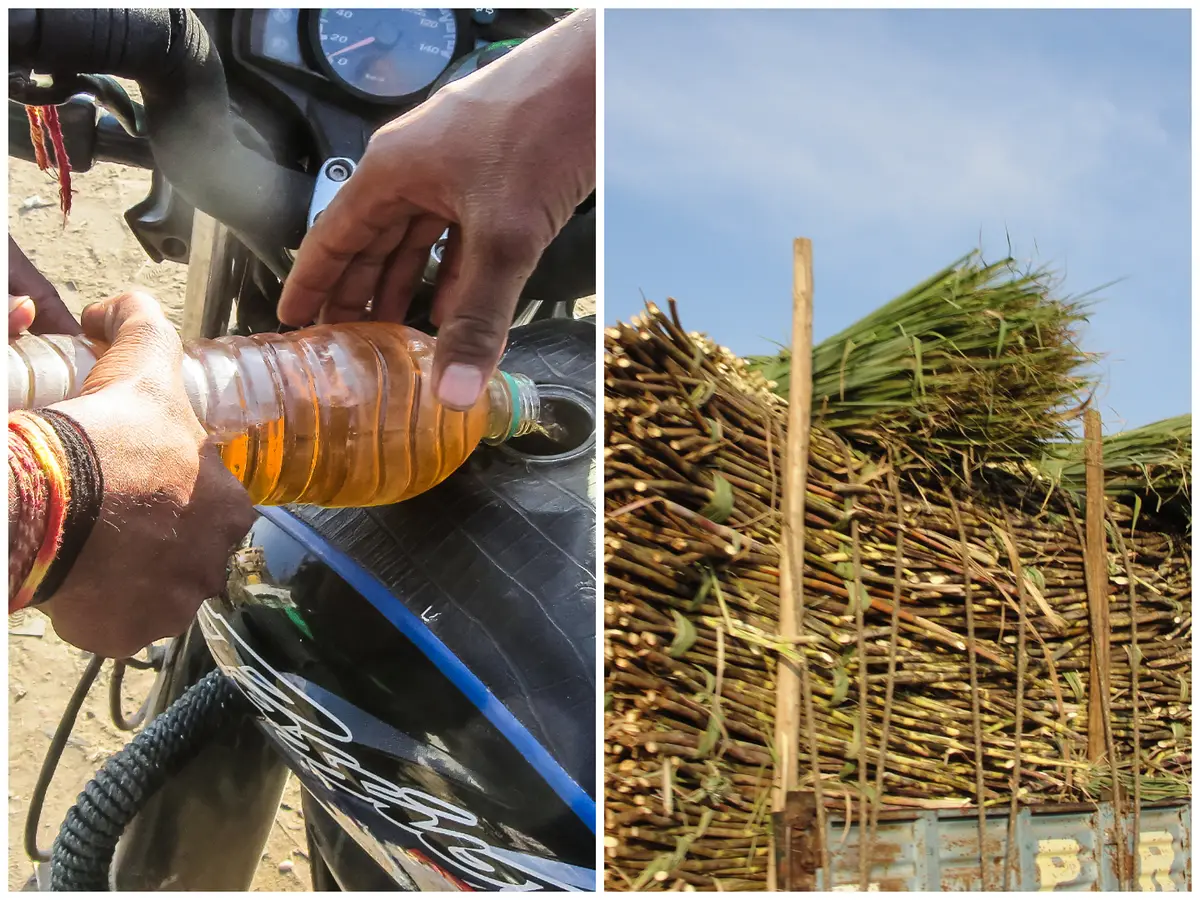
India's Sugar Stocks Surge Amid Debate Over Ethanol's Role

Priyank Kharge Questions Centre’s Subsidised Rice Ethanol Policy

Kejriwal Links Sugar Price Surge to Ethanol Policy

Haryana Congress Flags Sharp Rise in Sugar Prices

Policy Delays, Not Ethanol, Drive India’s Sugar Price Rise

Readers propose stronger, wider, more resilient Indian GCC growth
India’s GDP Paradox: Strong Growth, Uneven Economic Reality

India Rejects PCA Orders in Indus Waters Treaty Dispute

BTS India Debut May Join ARIRANG Tour in March 2027

India’s Wind Pipeline Signals Sharp Capacity and Manufacturing Surge
