5 days ago
Bhotekoshi Flood Revives Nepal’s Rising Himalayan Disaster Fears

A huge landslide high in the mountains blocked a river in China.
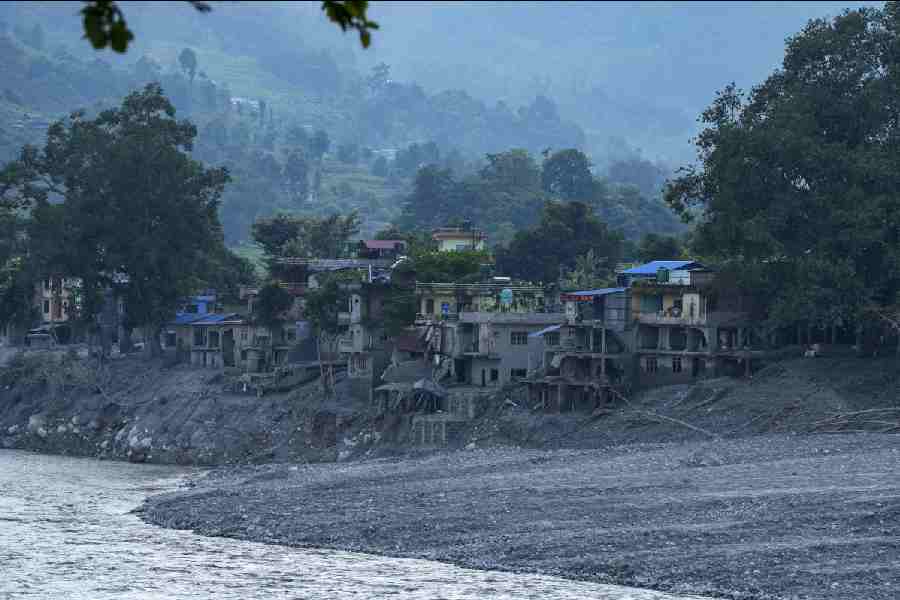
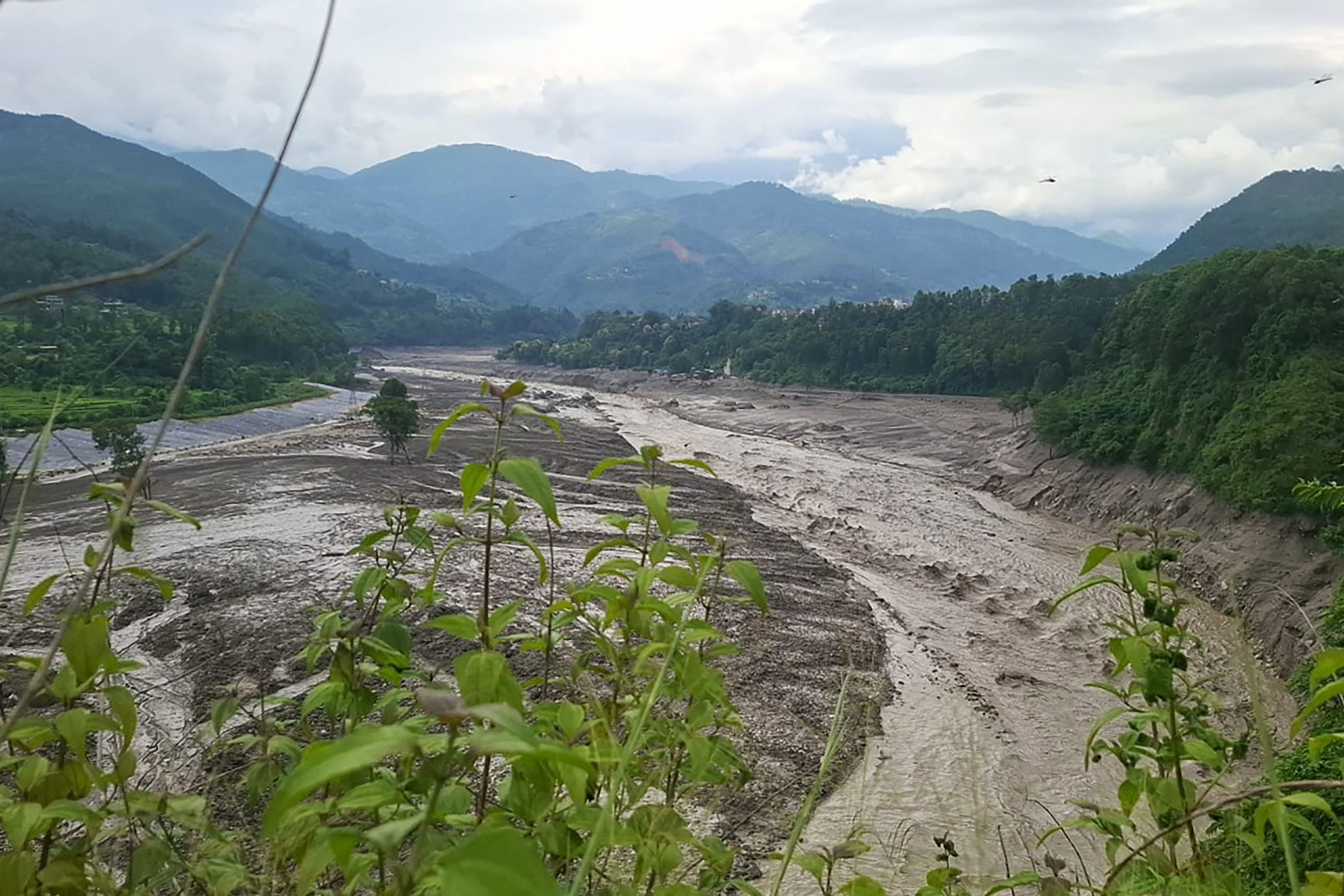
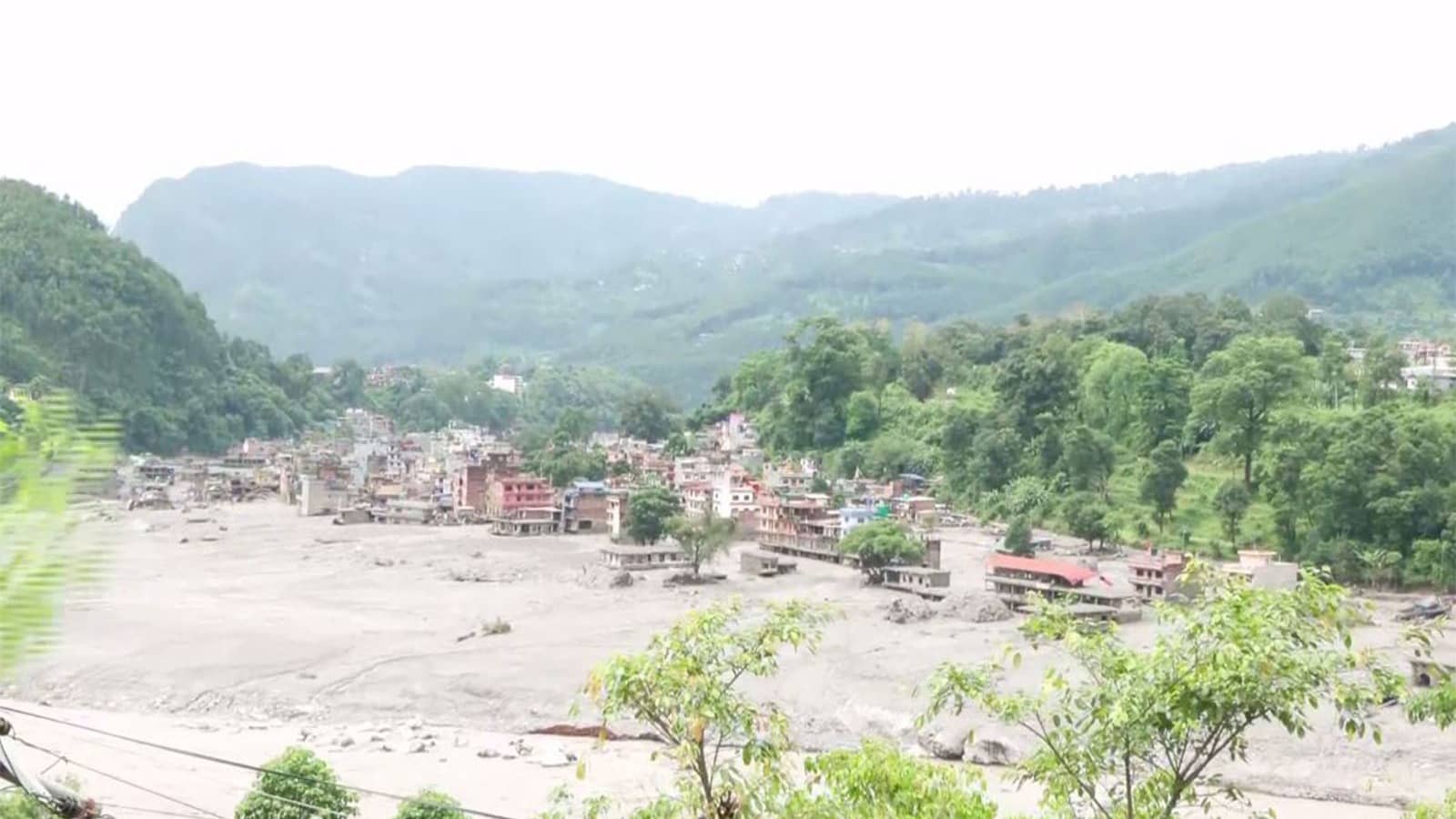
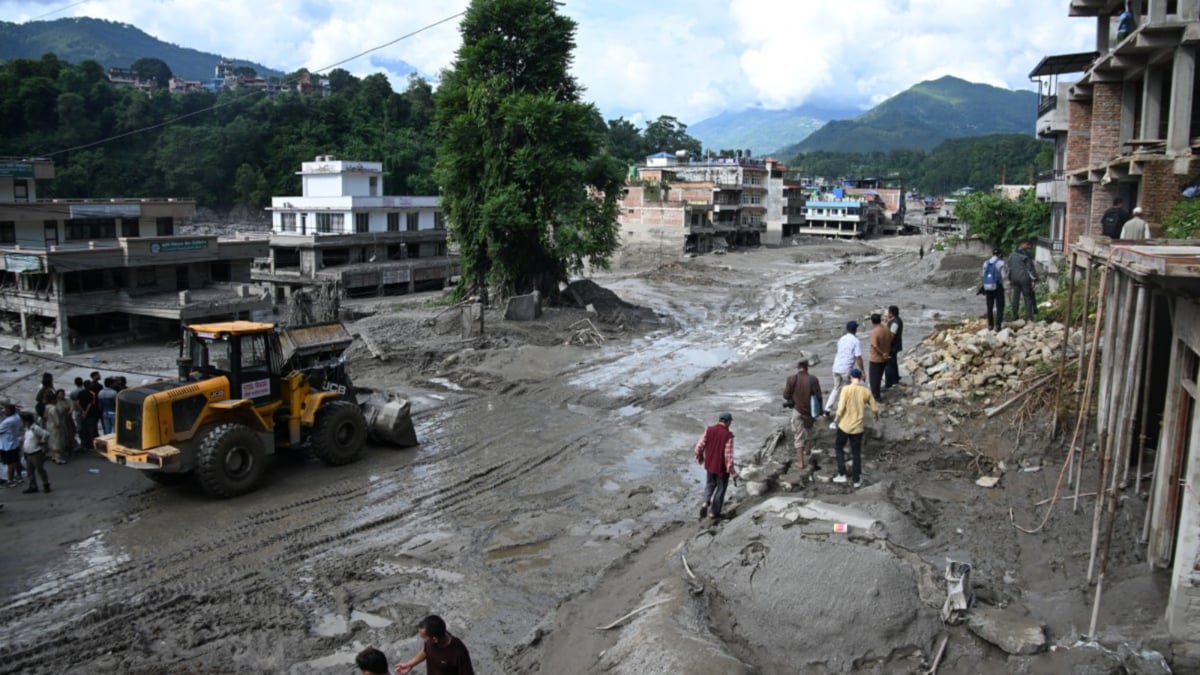
The blockage broke, sending water, mud and rocks into Nepal through the Bhotekoshi River.
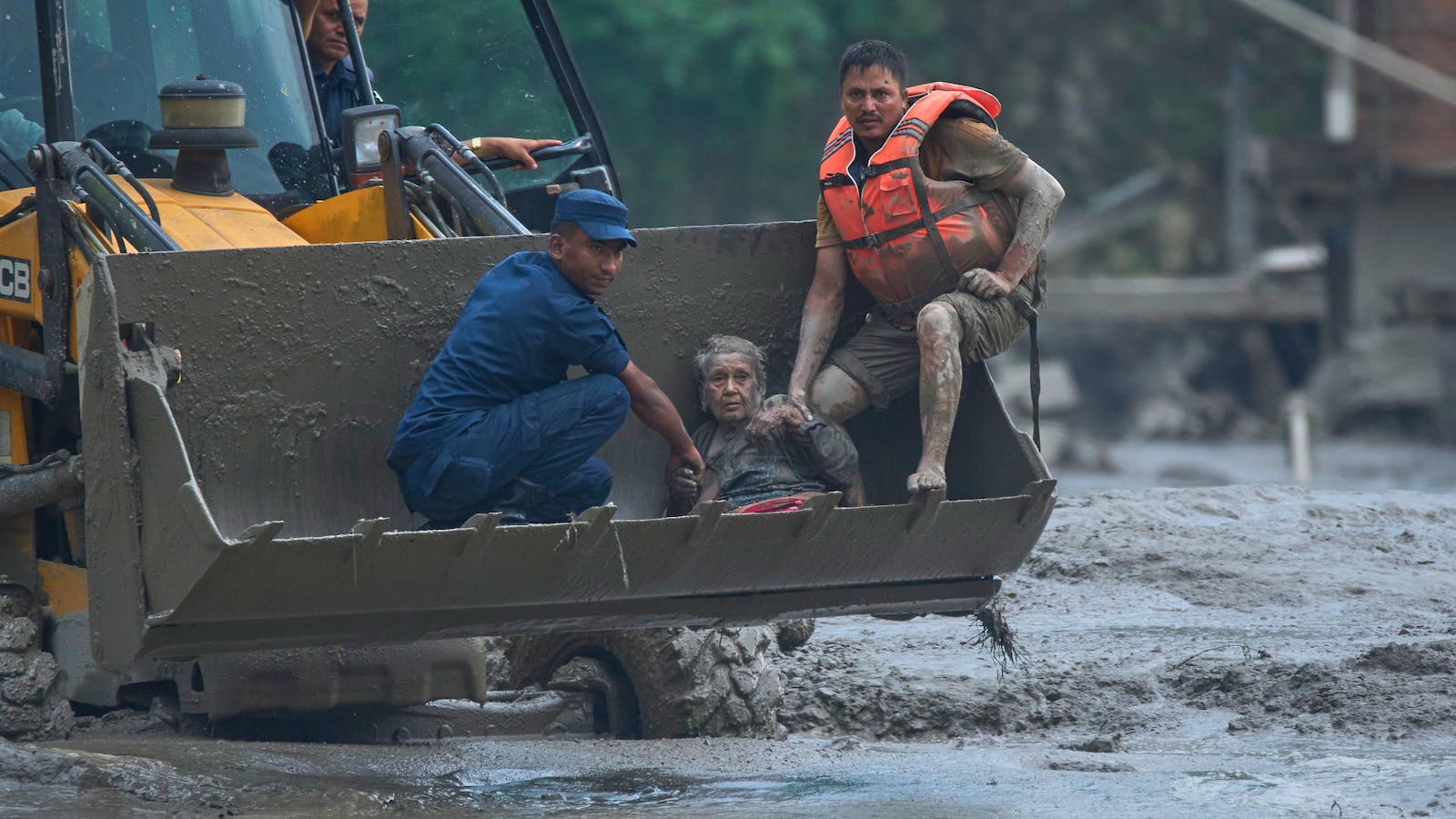
The flood destroyed roads, bridges and homes and killed hundreds of people.
Scientists said this disaster was not caused by a glacial lake bursting.
However, melting glaciers are making that type of flood more likely in the future.
Glaciers are losing ice faster than new snow can replace it.
Weak natural dams can form lakes that may suddenly break.
Scientists monitor only a very small number of the region’s glaciers.
They say Nepal, China and India should share information and improve warning systems for communities downstream.

A landslide involving glacier ice, rock and debris blocked China’s Lhende River before triggering the Bhotekoshi flood.
USGS and Nepal’s disaster authority said the event was not a glacial lake outburst flood.
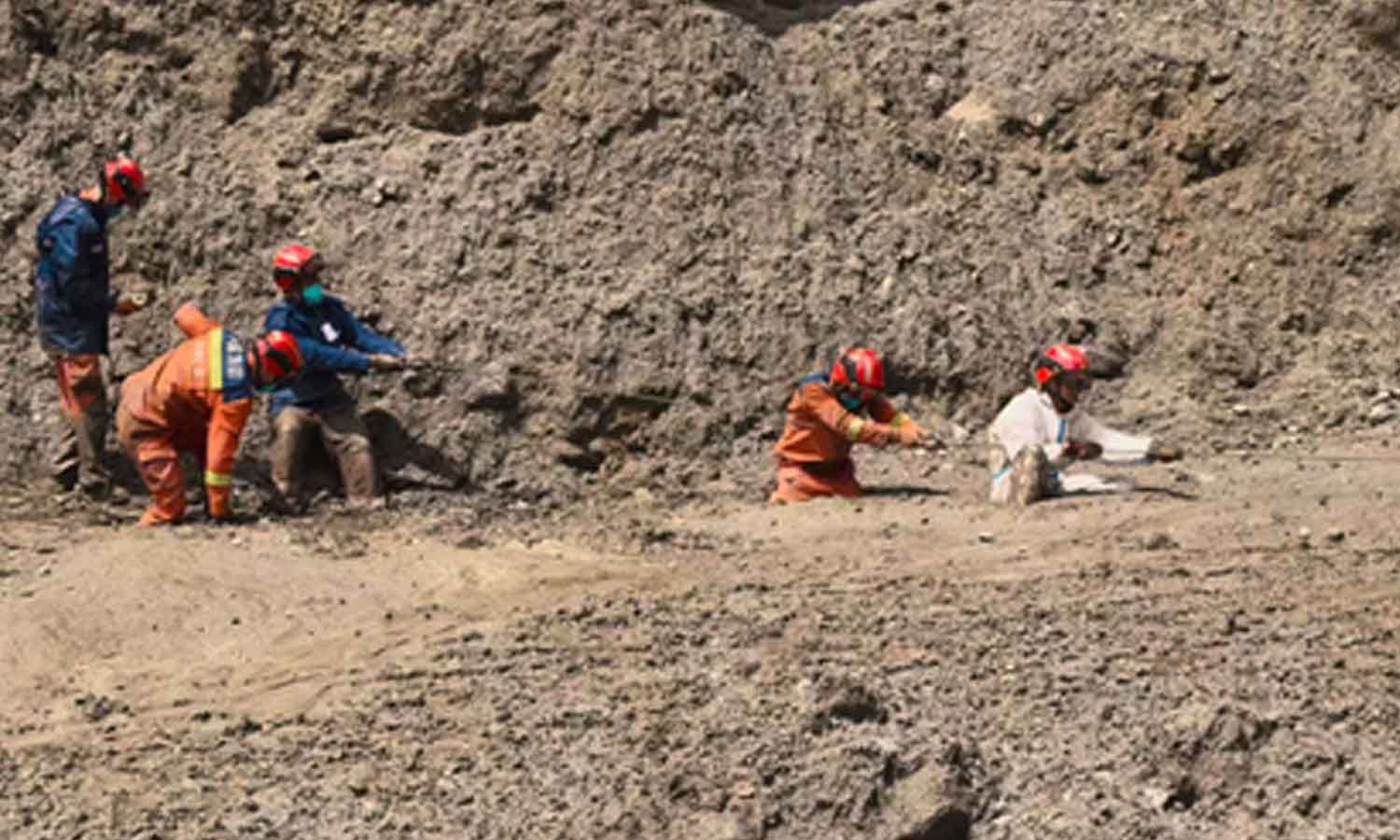
The flood killed 547 people by Friday afternoon, while the number missing or unreachable remained unknown.
ICIMOD reported that Himalayan glacier ice loss accelerated from 0.31 meters annually before 2000 to 0.66 meters afterward.
Only 19 of the Hindu Kush Himalaya’s roughly 63,700 glaciers are under continuous direct monitoring.
- Who
- Residents and communities along Nepal’s Bhotekoshi River were affected; the US Geological Survey, Nepal’s National Disaster Risk Reduction and Management Authority, and the International Centre for Integrated Mountain Development analyzed the risks.
- What
- A landslide blocked the Lhende River in China, and the blockage later failed, producing a destructive flood along the Bhotekoshi River.
- Where
- The event began near the Nepal-China border, about 20 kilometers northeast of the Rasuwagadhi border crossing, and affected areas downstream in Nepal.
- When
- The flood occurred on Wednesday; by Friday afternoon, the water had begun to calm and 547 deaths had been reported.
- Why
- The immediate cause identified was a landslide of ice, rock and debris that blocked the Lhende River; longer-term concern centers on accelerating glacier loss and inadequate monitoring.
Key facts
- Reported deaths
- 547 people had died by Friday afternoon, according to the article.
- Immediate trigger
- A large landslide blocked the Lhende River on the Chinese side of the border.
- Flood path
- The resulting flood surged into Nepal through the Bhotekoshi River.
- Event classification
- USGS and Nepal’s disaster authority said it was not a glacial lake outburst flood.
- Glacier observations
- Of 302 annual observations from 1974 to 2023, glaciers showed sharp ice loss 270 times and snow gain 32 times.
- Ice-loss rate
- Average annual loss increased from 0.31 meters of water-equivalent ice before 2000 to 0.66 meters after 2000.
- Monitoring gap
- The Hindu Kush Himalaya has roughly 63,700 glaciers, but only 19 are under continuous direct monitoring.
- High-risk lakes
- A 2019-20 study identified 47 extremely high-risk glacial lakes capable of directly affecting Nepal.
Sources
Related news

Himalayan Glacier Loss Raised Nepal Flood Disaster Risks

Nepal Flash Floods Expose Glacier Risks Amid Climate Concerns
Nepal Flood Highlights Rising Glacier Risks in Warming Himalayas

Nepal Glacier Collapse Exposes Rising Himalayan Flash-Flood Risks

Nepal Flood Warns of Rising Himalayan Glacier Disaster Risks
Why Nepal Remains Vulnerable to Glacial Floods and Earthquakes
Tibet Opens Hotlines for Foreign Nationals Missing After Floods
Sixteen Keralites Return Safely as Nepal Flood Rescue Continues
Nepal Issues Fresh Bhote Koshi Flood Alert Amid Deluge
US Pledges $3.6 Million Aid as Nepal Flood Crisis Deepens

Nagpur Tourists Return Safely After Nepal Flood Ordeal