

2 weeks ago
Divided Histories: The Tricolour's Contested Meaning in Manipur
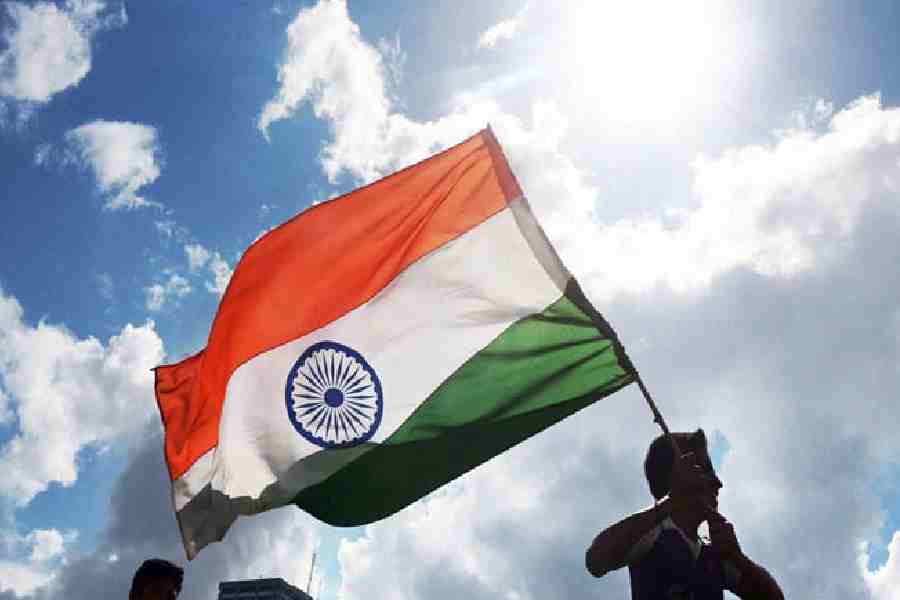
On August 15, India celebrates Independence Day, the day it became free from British rule.
In a state called Manipur, this day means different things to different groups of people.
In 1944, a brave army called the Indian National Army raised the Indian flag at a town called Moirang in Manipur.
That was the first time the flag was raised on Indian soil.
Today, people in the valley of Manipur celebrate Independence Day with official ceremonies and school functions.
But people living in the hills, like the Naga and Kuki-Zo communities, sometimes feel differently.
Some Naga people believe their own hopes and history began before India became independent, and some groups have asked people to stay away from the celebrations.
There has been violence in Manipur since 2023, and many families have been forced to leave their homes.
Because of this, the same flag makes some people feel proud and others feel sad or angry.
The article asks: what is Independence Day worth if people who salute the same flag still live with violence and displacement?

In 1944, the Indian National Army under Netaji Subhas Chandra Bose first raised the Tricolour bearing the springing tiger on Indian soil at Moirang, Manipur.
The Meitei-majority Imphal valley observes Independence Day with official ceremonies and school functions, while hill communities hold sharply divergent memories.
A Naga movement says its political aspirations predate Indian independence, and the Socialist Revolutionary Party issued boycott calls this year.
National Highways 2 and 37 are under blockade, and in the hills of Senapati public transport moved only in a secured convoy early in the morning.
Since the ethnic violence that began in 2023, many Meiteis link the flag to Manipur's territorial integrity, while Kuki-Zo alienation stems from displacement.
- Who
- Prime Minister Narendra Modi; the Meitei, Naga, and Kuki-Zo communities of Manipur; the Indian National Army under Netaji Subhas Chandra Bose; weightlifter Mirabai Chanu; and the Socialist Revolutionary Party.
- What
- An exploration of how the Tricolour carries multiple, divided meanings in Manipur, where the INA first raised the flag in 1944 but where Independence Day now evokes sharply divergent political memories amid ethnic violence.
- Where
- Manipur, India — Moirang in the Bishnupur district, the Imphal valley, the hills of Senapati, and along National Highways 2 and 37.
- When
- On the eve of Independence Day; the Tricolour was first raised in 1944, and ethnic violence has scarred the state since 2023.
- Why
- Different communities invest the same national symbols with varied meanings — many Meiteis see the flag as tied to Manipur's territorial integrity, a Naga movement says its political aspirations predate Indian independence, and Kuki-Zo alienation stems from displacement.
Valley communities and official ceremonies
Hill communities and competing narratives
Meaning of the Tricolour
Valley communities and official ceremonies
For Meiteis and others in the valley, Moirang is a source of pride that places Manipur at the heart of India's anti-colonial history; the flag represents liberation from colonial rule.
Hill communities and competing narratives
For many Naga and Kuki-Zo people, the flag is entangled with memories of conflict, displacement and exclusion, or symbolises a constitutional promise yet to be fulfilled.
Observing Independence Day
Valley communities and official ceremonies
August 15 is generally observed in the Imphal valley with official ceremonies, school functions and remembrance; many Kuki-Zo people have also participated in State ceremonies over the years.
Hill communities and competing narratives
A Naga movement maintains its political aspirations predate Indian independence and views August 15 through a different lens; the Socialist Revolutionary Party issued boycott calls this year.
Impact of the ethnic violence since 2023
Valley communities and official ceremonies
Many Meiteis view the national flag as inseparable from the defence of Manipur's territorial integrity amid violence that has scarred the state.
Hill communities and competing narratives
Alienation among the Kuki-Zo people stems less from inherited insurgent ideology than from displacement caused by the recent ethnic violence.
Key facts
- Publication
- The Telegraph India
- Focus region
- Manipur, India
- Historical milestone
- First raising of the Tricolour with the springing tiger on Indian soil, at Moirang in 1944
- Force and leader
- Indian National Army led by Netaji Subhas Chandra Bose
- Memorial
- INA Martyrs' Memorial Complex at Moirang
- State of unrest
- Ethnic violence since 2023
- Transport blockade
- National Highways 2 and 37 under blockade
- Symbol of pride cited
- Mirabai Chanu wept on the podium as the national anthem played after winning 2026 Commonwealth Games gold
Quotes
The author
Article writer describing the flag’s varied meanings
“"The Tricolour itself carries multiple histories within Manipur."”
 telegraphindia.com
Sources
Related news
Chhattisgarh village hoists Tricolour first time on Independence Day
Manipur CM urges all communities to safeguard state's territorial integrity
Tricolour Flies High Near LAC as Arunachal Villages Hold Yatra

Manipur Governor, CM call for unity on Independence Day

Tricolour To Fly In 35+ Former Naxal Villages In MP

Arunachal Governor Parnaik, CM Khandu launch Har Ghar Tiranga campaign

Government Defends 7.8% GDP Growth as Congress Raises Doubts
BRICS Expansion Puts Membership and Reform at New Delhi Summit

Piyush Goyal Defends India’s 7.8% GDP Growth Amid Criticism
Mahua Moitra Questions India’s 7.8% GDP Growth Figures
Goyal Defends India’s 7.8% GDP Growth Amid Data Debate