4 hrs ago
India’s SCO Strategy and the Indus Waters Treaty’s Future
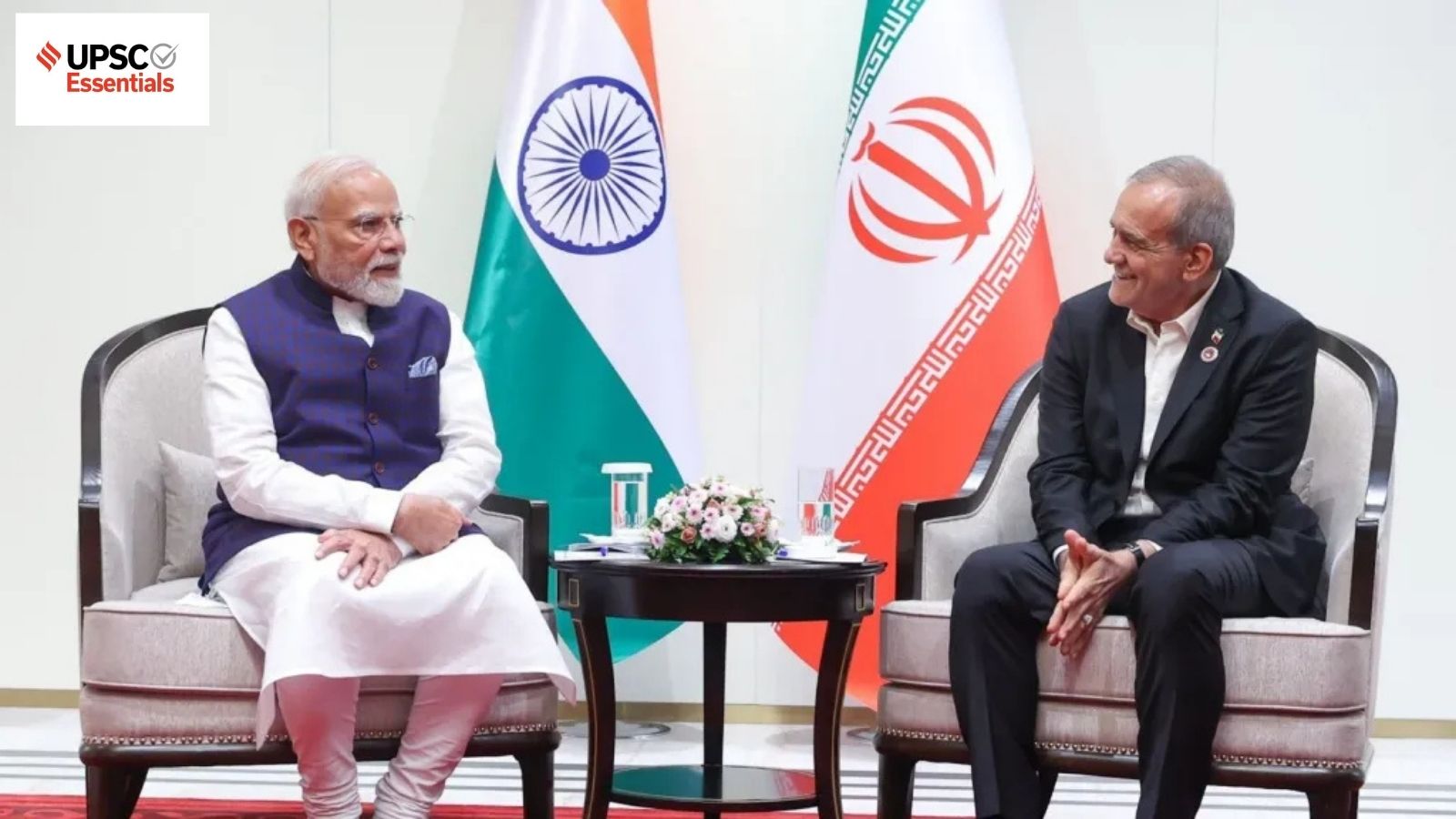
India belongs to the Shanghai Cooperation Organisation, or SCO, which brings together countries in Eurasia.
India says its participation helps it protect its own interests rather than oppose Western countries.
Through the SCO, India can work with Russia, Iran, Central Asian countries and China, even when it has disagreements with some of them.
Iran is especially important because it may help India connect with Central Asia.
The Indus Waters Treaty is an agreement India and Pakistan made in 1960 to share river waters.
The agreement survived wars and other serious disagreements for many years.
However, terrorism, military tensions and arguments over dams have made cooperation harder.
India suspended the treaty after the Pahalgam terrorist attack, while disagreements also continue over how disputes should be settled.
Climate, glaciers, water shortages and new development needs may require the treaty to become more adaptable.

India uses the Shanghai Cooperation Organisation to pursue Eurasian interests without treating it as an anti-Western bloc.
SCO membership lets India engage Russia, Iran, Central Asia and China despite disputes with China and Pakistan.
Iran’s geography and connectivity potential have increased the SCO’s importance for India’s access to Central Asia.
The Indus Waters Treaty, signed in 1960, has faced renewed strain after India suspended it following the Pahalgam terrorist attack.
Disputes over treaty procedures, hydropower projects, security tensions and changing environmental conditions challenge the treaty’s future.
- Who
- India, Pakistan and the member countries of the Shanghai Cooperation Organisation, including Russia, China, Iran and Central Asian states.
- What
- The material examines India’s strategic-autonomy-based engagement with the SCO and the challenges facing the Indus Waters Treaty.
- Where
- The SCO discussion concerns Eurasia, including Central Asia and Iran; the treaty concerns the transboundary Indus basin shared by India and Pakistan.
- When
- The Indus Waters Treaty was signed in 1960; India suspended it after the Pahalgam terrorist attack. The SCO’s current significance is discussed in the context of changing geopolitical conditions.
- Why
- India seeks strategic space, regional connectivity and engagement across Eurasia, while the treaty faces security tensions, procedural disputes, development pressures and changing hydrological conditions.
India’s Position
Pakistan’s Position
Security and treaty cooperation
India’s Position
India has linked suspension of the Indus Waters Treaty to Pakistan’s withdrawal of support for cross-border terrorism and suspended it after the Pahalgam terrorist attack.
Pakistan’s Position
Pakistan is described as opposing the suspension-related approach, while continuing to view the treaty as the basis for institutionalised cooperation over shared waters.
Hydropower projects
India’s Position
India insists that the treaty’s approved uses of the western rivers should be fully implemented, including through projects such as Kishanganga and Ratle.
Pakistan’s Position
Pakistan has consistently opposed the design of projects such as Kishanganga and Ratle.
Dispute-resolution procedures
India’s Position
India refuses to recognise the procedures of the Court of Arbitration amid competing proceedings involving the Neutral Expert and the court.
Pakistan’s Position
Pakistan has pursued treaty-based dispute proceedings, contributing to a jurisdictional disagreement with India.
Key facts
- SCO role for India
- A platform for engaging Eurasian countries while maintaining independent strategic positions.
- Key SCO relationships
- India engages with Russia, Iran, Central Asia and China through the organisation.
- Iran’s importance
- Iran is significant for India’s access and connectivity to Central Asia.
- Treaty established
- The Indus Waters Treaty was signed in 1960.
- Treaty dispute process
- Its three-tier mechanism includes the Permanent Indus Commission, a Neutral Expert and a Court of Arbitration.
- Recent treaty action
- India suspended the treaty following the Pahalgam terrorist attack.
- Long-term pressures
- Hydropower, irrigation, dam construction, glacier dynamics and changing water availability are challenging the treaty’s existing framework.
Sources
Related news
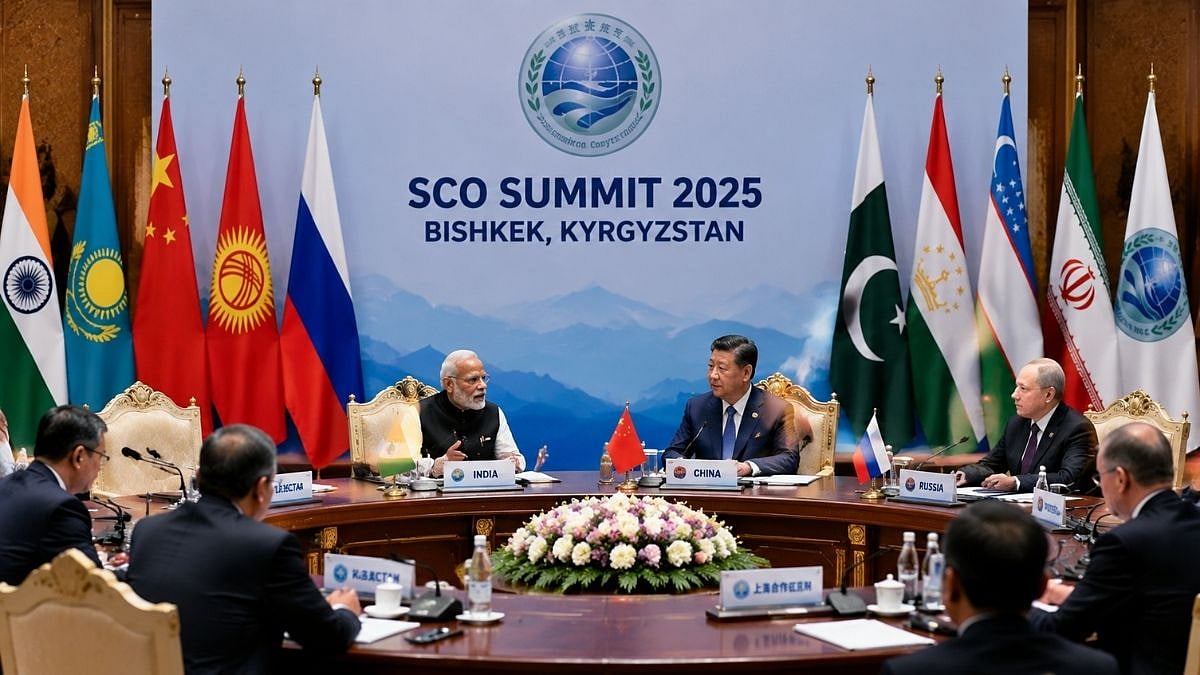
India Uses SCO to Hedge Between Rival Global Powers
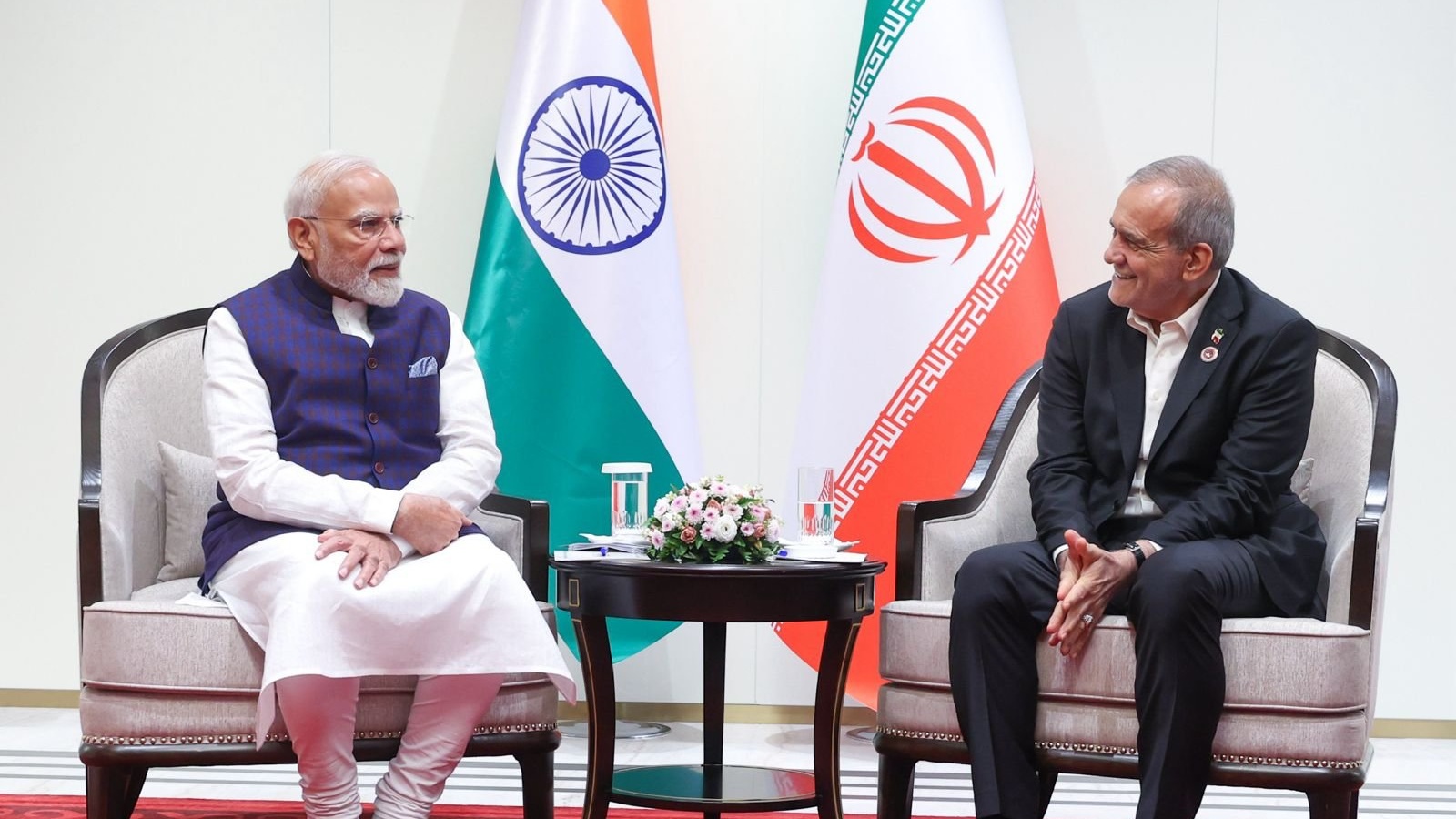
Why Iran Makes India’s Bishkek SCO Summit Different
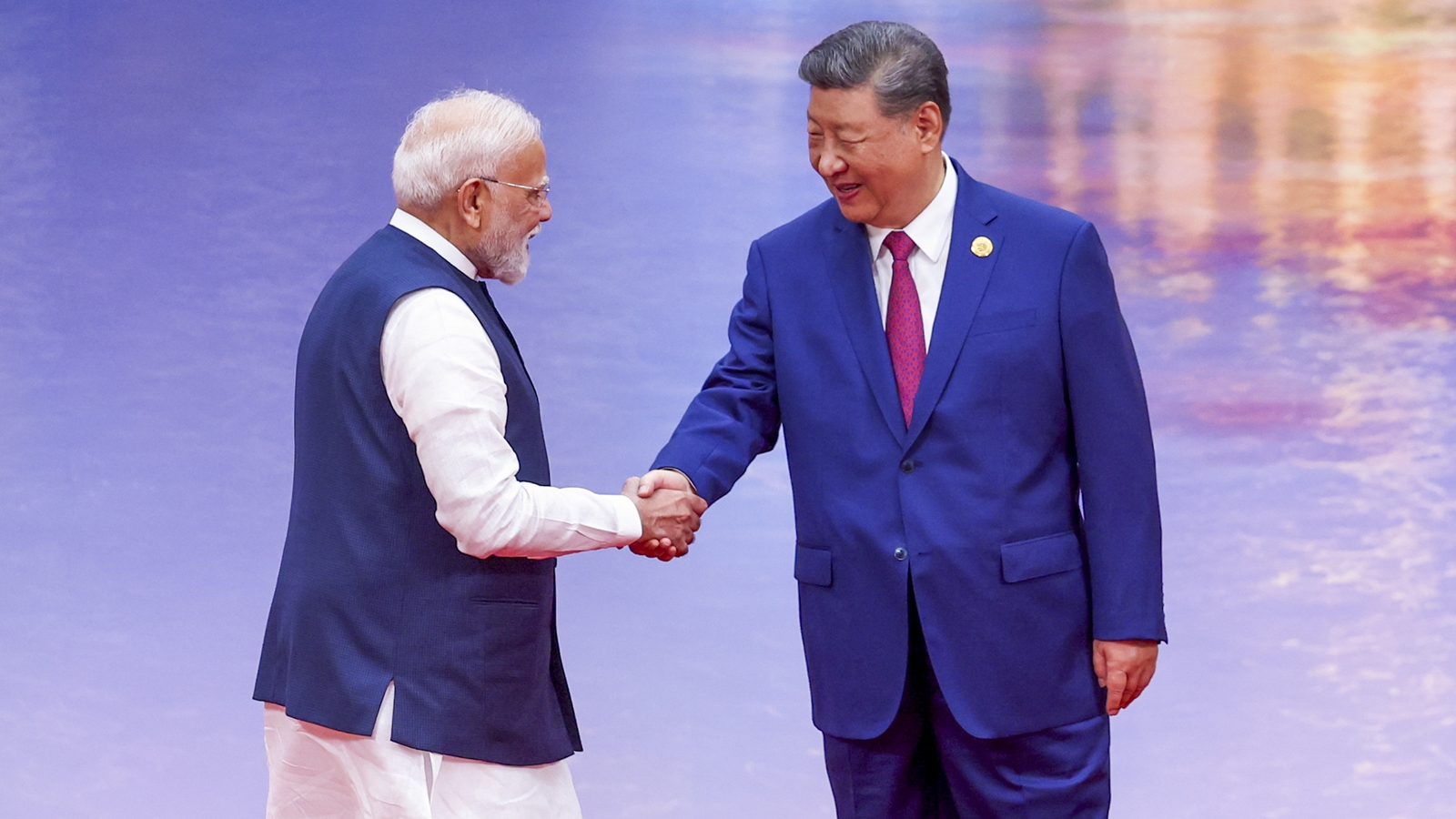
India Urged to Take More Active Role in SCO
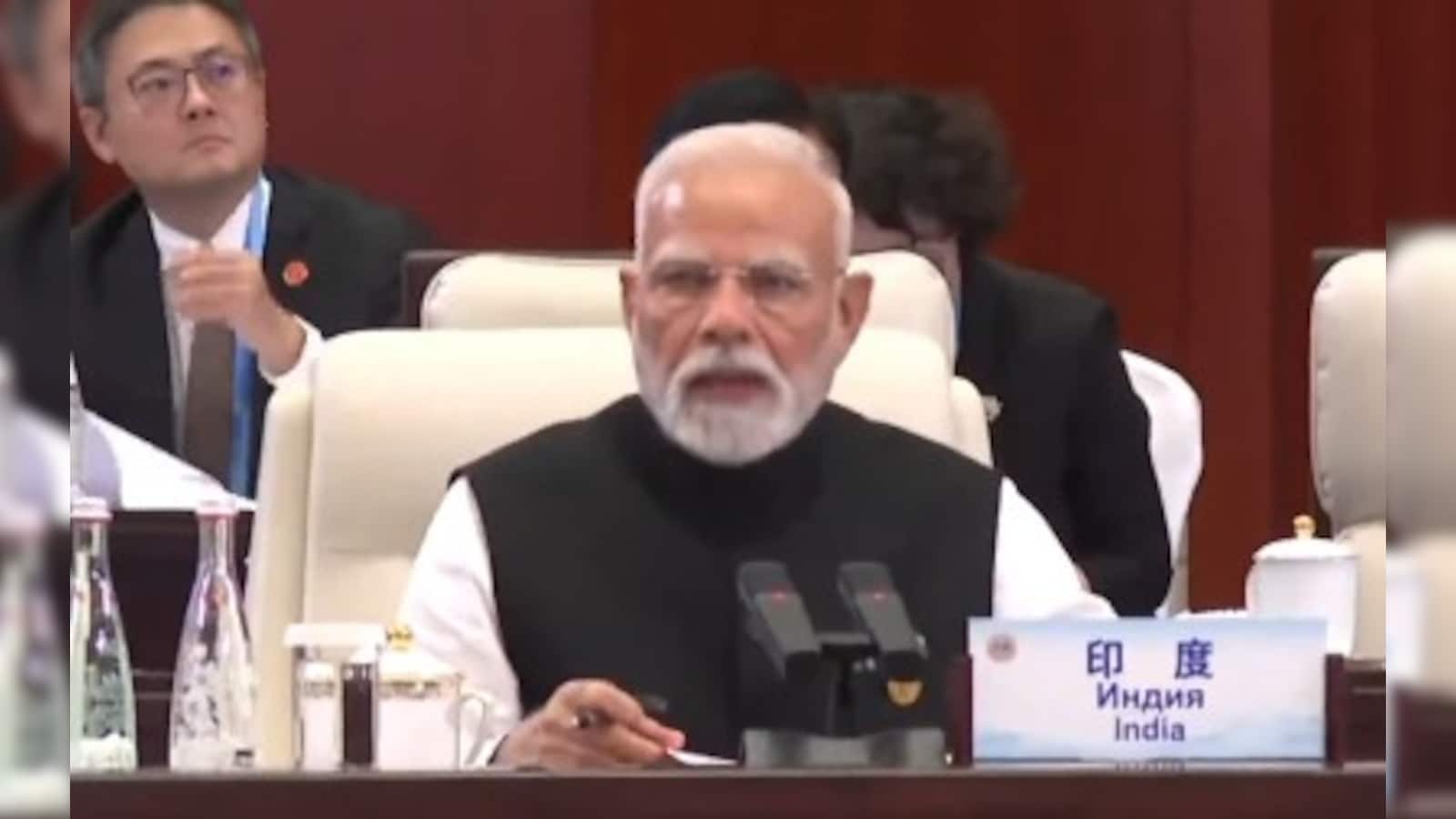
India Balances China, Russia and Pakistan at SCO Summit
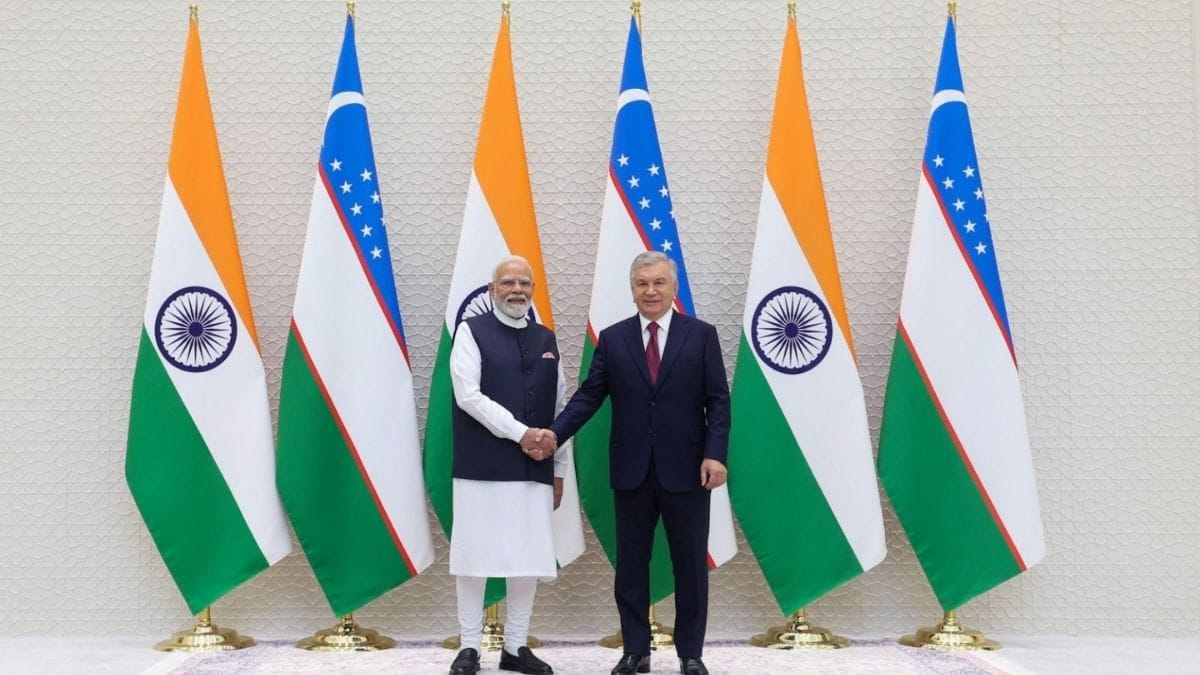
Modi’s Central Asia Visit Seeks New Eurasian Connectivity

Modi’s SCO Address Highlights India’s Connectivity and Terrorism Challenges
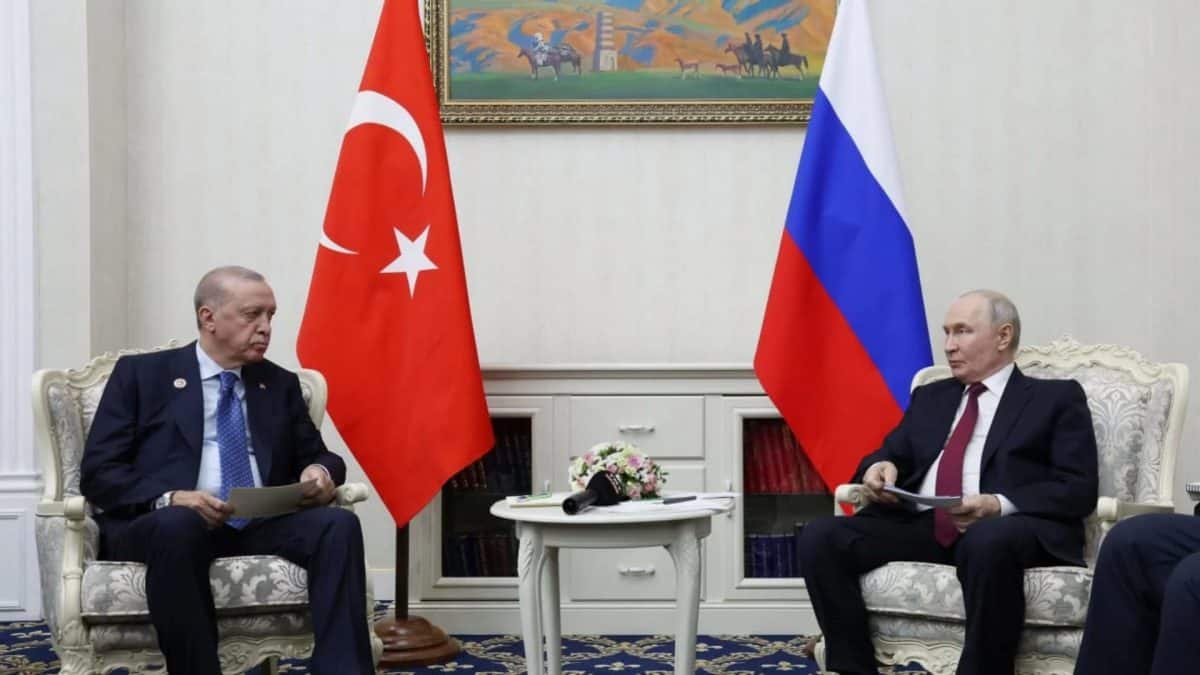
Erdogan Says Turkey Would Consider Full Shanghai Cooperation Organisation Membership

Why America Should Not Imprison Frontier AI
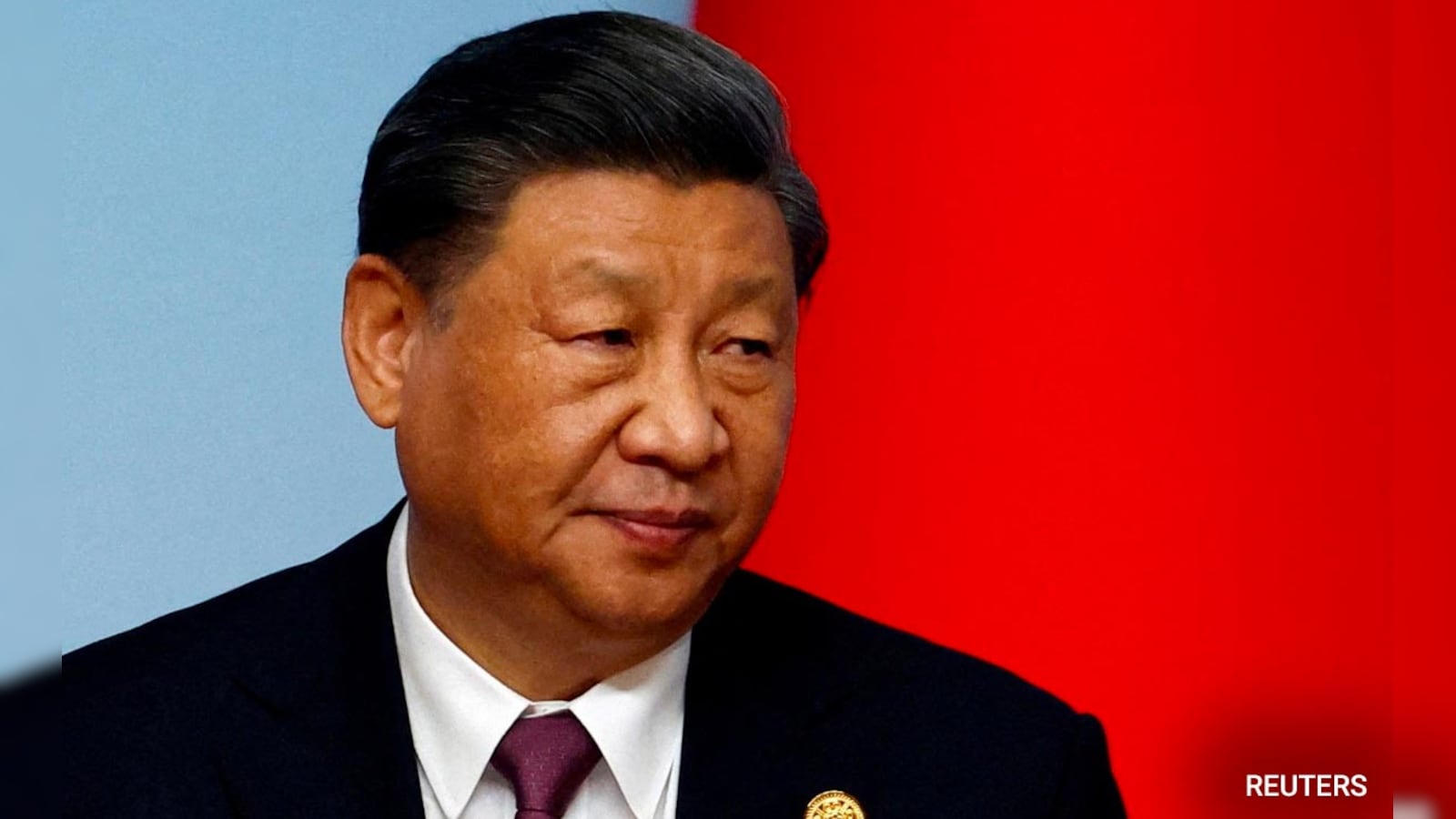
China's SCO Power Grab Shapes Global Alliances and Trade

US and China Develop Space Warfare Capabilities as Tensions Rise
Xi Jinping’s Egypt Visit Signals Deeper China-Middle East Ties