19 hrs ago
India Uses SCO to Hedge Between Rival Global Powers
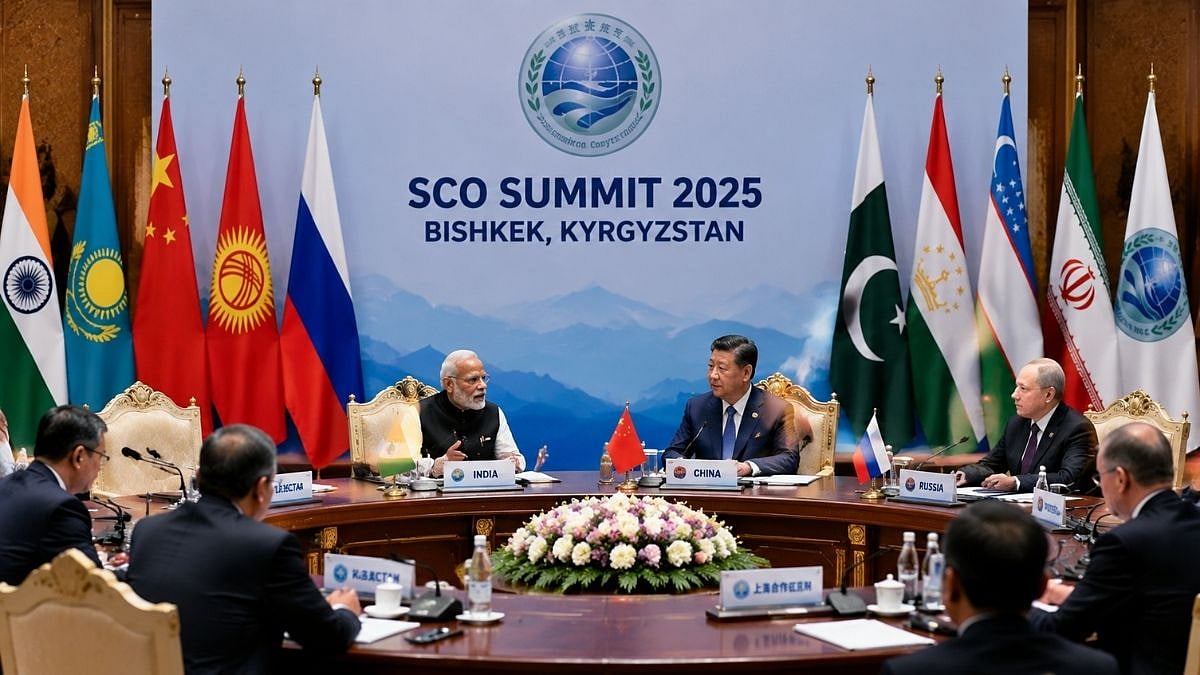
India is using the Shanghai Cooperation Organisation, or SCO, as a place to talk with many powerful countries.
These countries include China, Russia, Iran, Pakistan and Central Asian states.
India wants to discuss peace, trade, energy and transportation without choosing one global side.
A major concern is fighting around Iran and the Strait of Hormuz, an important route for ships carrying energy.
The conflict has disrupted shipping and made oil and other goods more expensive.
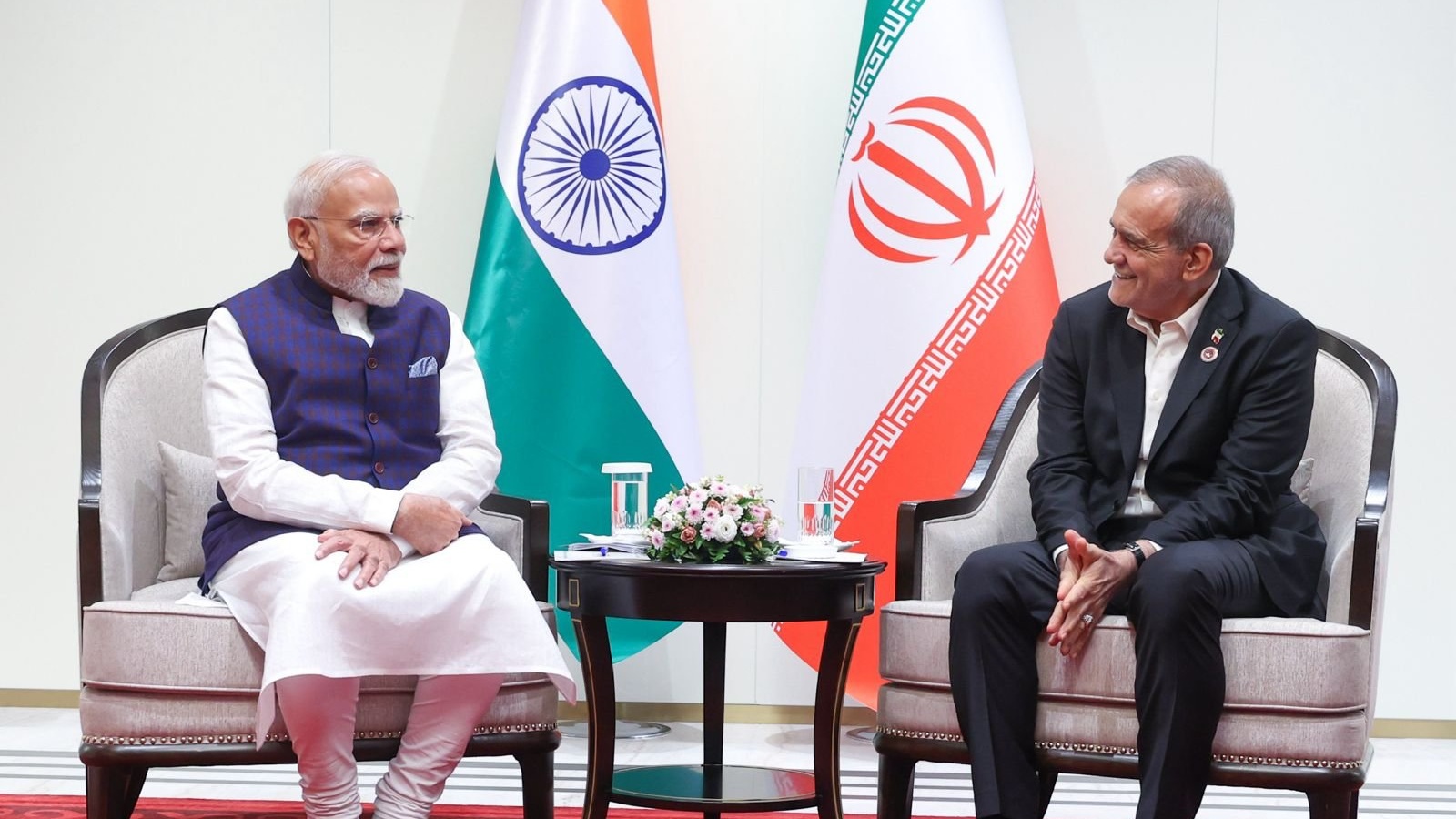
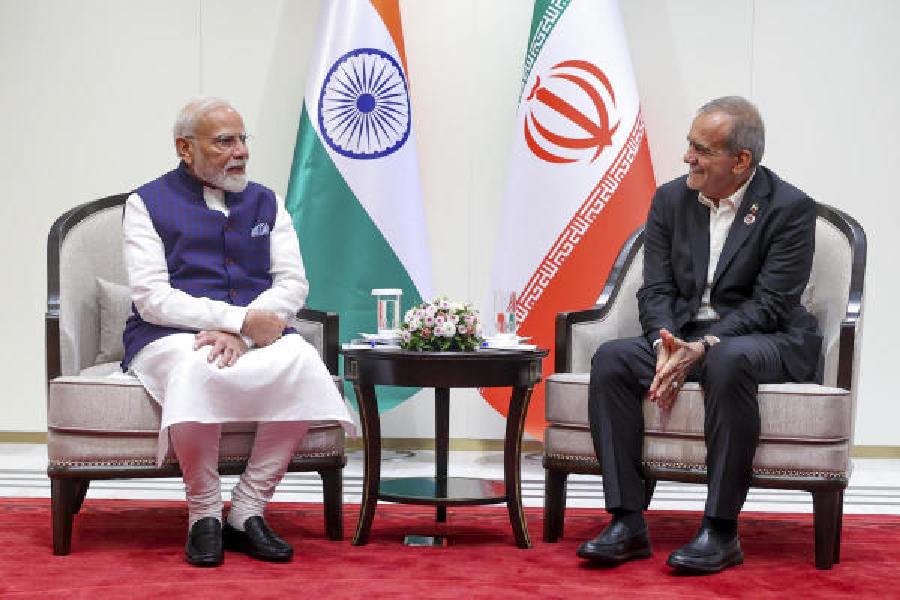
Narendra Modi spoke with Iran’s president about keeping ships safe and energy supplies secure.
India also wants to maintain relationships with Russia, China, the United States, Europe and Japan.
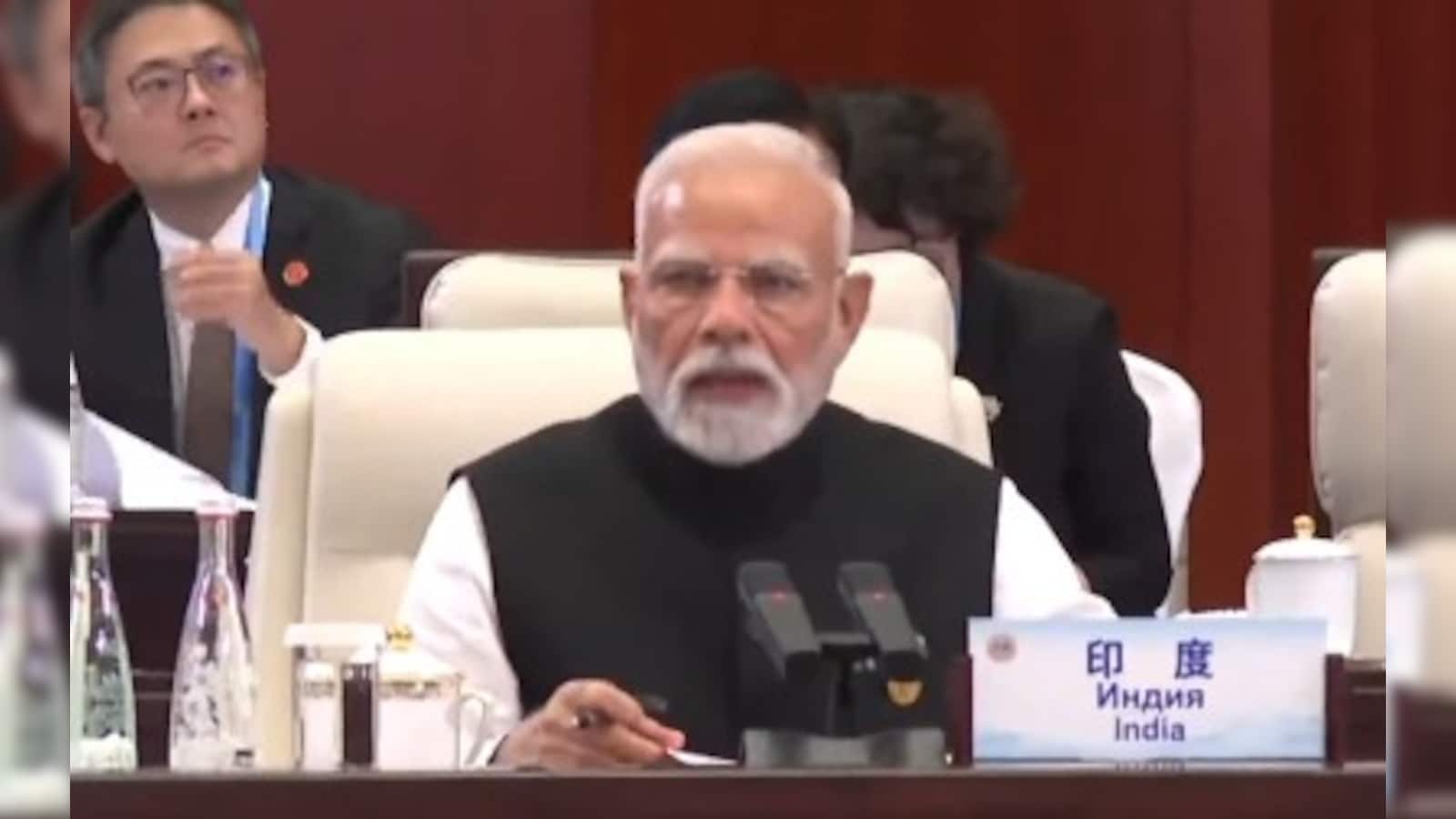
However, India and China still disagree over their border, and India and Pakistan remain rivals.
The SCO may help countries communicate, but its members have many competing interests and may struggle to act together.

India is using the Shanghai Cooperation Organisation to pursue diplomacy, energy security, trade and strategic autonomy.
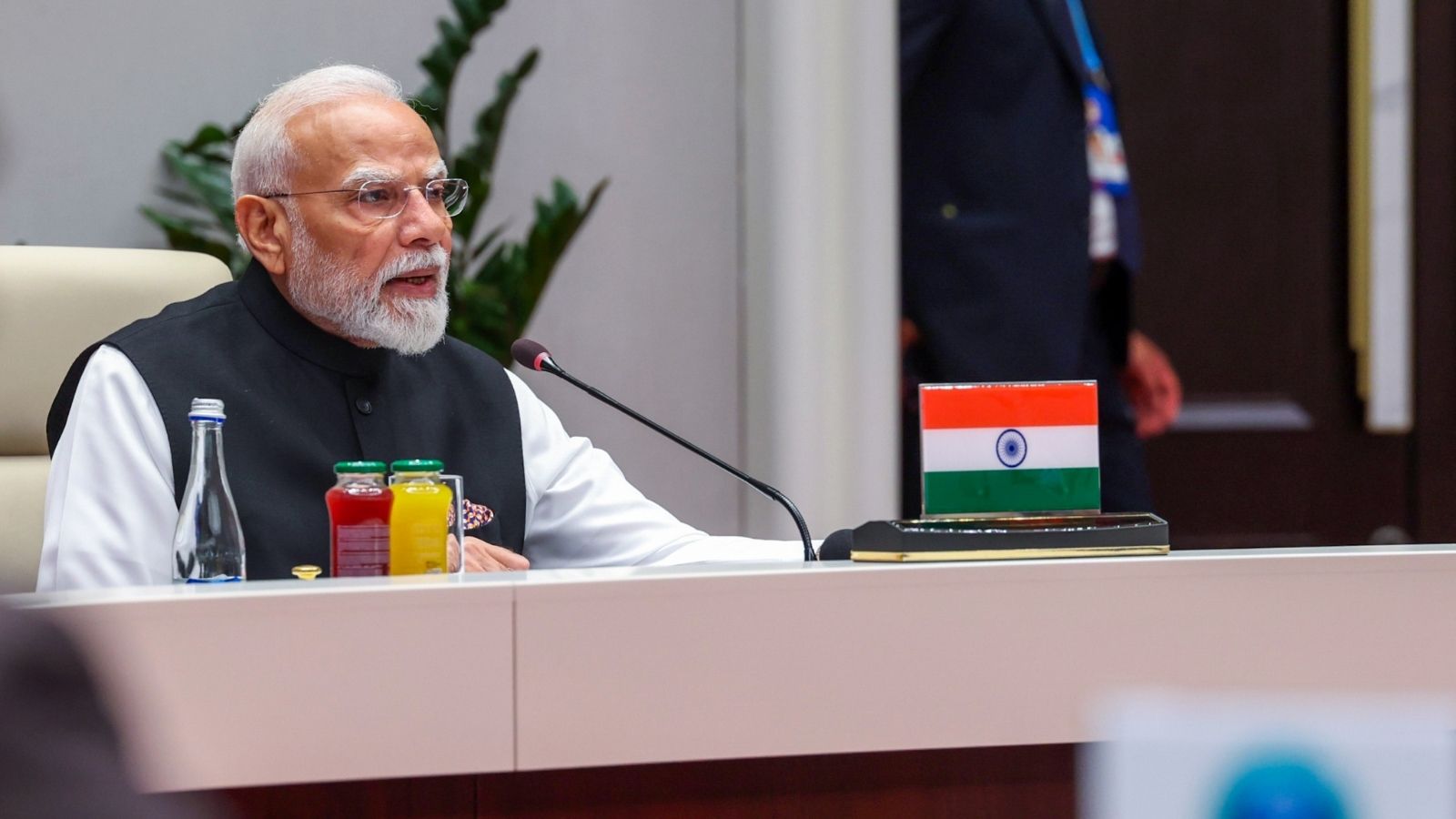
Prime Minister Narendra Modi endorsed efforts to end the war in Ukraine during a meeting with Vladimir Putin.
Modi and Iranian President Masoud Pezeshkian discussed West Asia, energy security and safe navigation amid Strait of Hormuz disruptions.
India and China remain divided over their border despite increased bilateral trade and continuing talks.
The SCO offers broad Eurasian dialogue but lacks the unity and structures needed for ambitious collective action.
- Who
- India, represented by Prime Minister Narendra Modi, along with China, Russia, Iran and other Shanghai Cooperation Organisation members.
- What
- India is using the SCO to advance diplomacy, energy security, trade and strategic autonomy while avoiding alignment with a single global bloc.
- Where
- At the SCO meeting in Bishkek, with Modi’s discussion with Iran’s president taking place on the summit’s sidelines.
- When
- During the Bishkek SCO meeting, amid the ongoing Ukraine and West Asia conflicts and the Strait of Hormuz crisis.
- Why
- India wants to protect energy supplies and trade routes, encourage dialogue and peace, and preserve flexibility among competing international partnerships.
SCO’s Strategic Potential
SCO’s Structural Limits
Diplomatic platform
SCO’s Strategic Potential
The SCO brings major Eurasian powers together and could support dialogue on peace, trade, energy and connectivity.
SCO’s Structural Limits
Its members have sharply divergent interests, including rivalries between India and Pakistan, India and China, and Russia and the West.
India’s strategic autonomy
SCO’s Strategic Potential
Engaging multiple partners lets India protect its energy and trade interests without joining an explicitly pro- or anti-American bloc.
SCO’s Structural Limits
Balancing relationships may become harder if international conflicts intensify or pressure grows to choose sides.
Collective action
SCO’s Strategic Potential
SCO discussions and decisions can signal broader changes in the global order and help address regional risks.
SCO’s Structural Limits
The organisation’s consensus-based structure and lack of NATO- or European Union-style integration make ambitious joint action difficult.
Key facts
- Platform
- The Shanghai Cooperation Organisation brings together China, India, Russia, four Central Asian states, Iran and Pakistan.
- India-China trade
- Trade between India and China has risen to $151 billion, according to the article.
- Ukraine
- Modi’s meeting with Putin included India’s public endorsement of efforts to end the war in Ukraine.
- Hormuz risk
- Fighting around the Strait of Hormuz has disrupted maritime traffic and increased oil and other commodity prices.
- India-Iran talks
- Modi and Iranian President Masoud Pezeshkian discussed West Asia, energy security and safe navigation.
- SCO limitation
- The SCO is neither a NATO-style military alliance nor a cohesive economic union, and its consensus-based structure can limit collective action.
- Strategic approach
- India plans to maintain ties with Russia, China, Iran, the United States, Europe, Japan and Central Asian countries.
Sources
Related news
Why Iran Makes India’s Bishkek SCO Summit Different
SCO Summit Highlights India’s Role in Global Peace Efforts
India Seeks Diplomatic Role Amid Conflicts in Iran, Ukraine
Modi Urges SCO Dialogue Over Battlefield Solutions to Conflicts
India Balances China, Russia and Pakistan at SCO Summit

U.S.-Iran Exchange Escalates Across Middle East, Markets Slide
Trump Aides Seek Quiet Iran War Before Midterm Elections
US Warns Middle East Travelers Amid Escalating Iran-Linked Tensions
Indian Stocks Slide as Oil, Conflict and Yields Rise
Silver Rate Today: Prices Fall 0.83% Across Indian Cities