2 days ago
Modi’s Central Asia Visit Seeks New Eurasian Connectivity
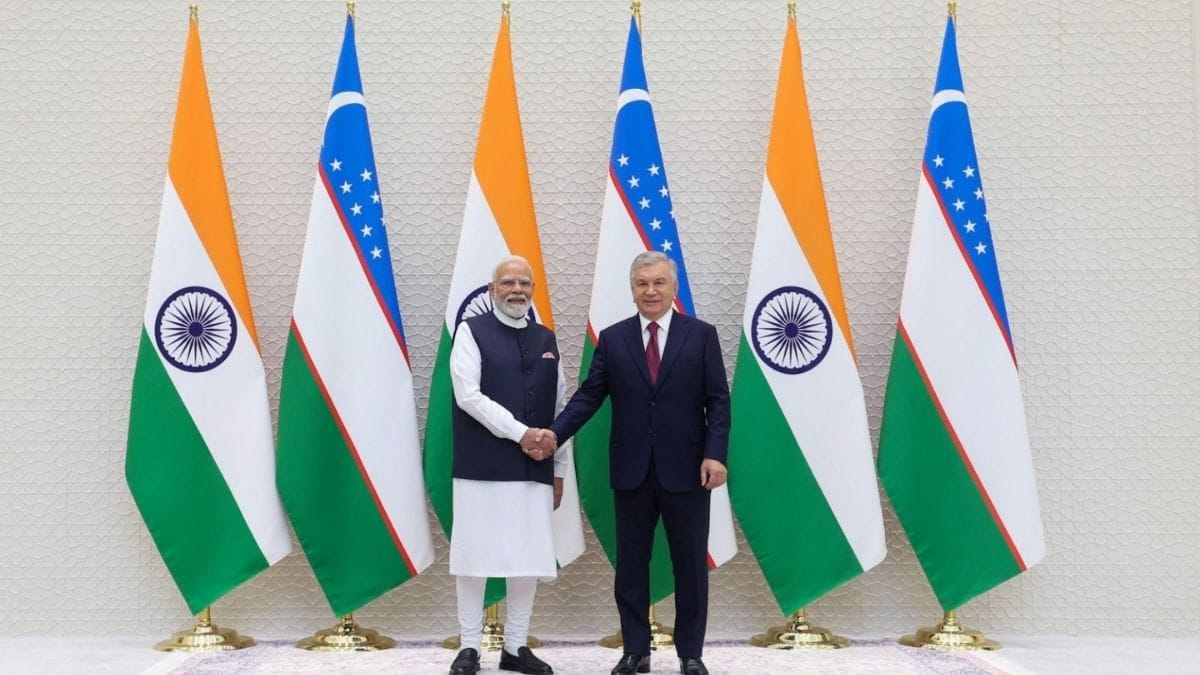
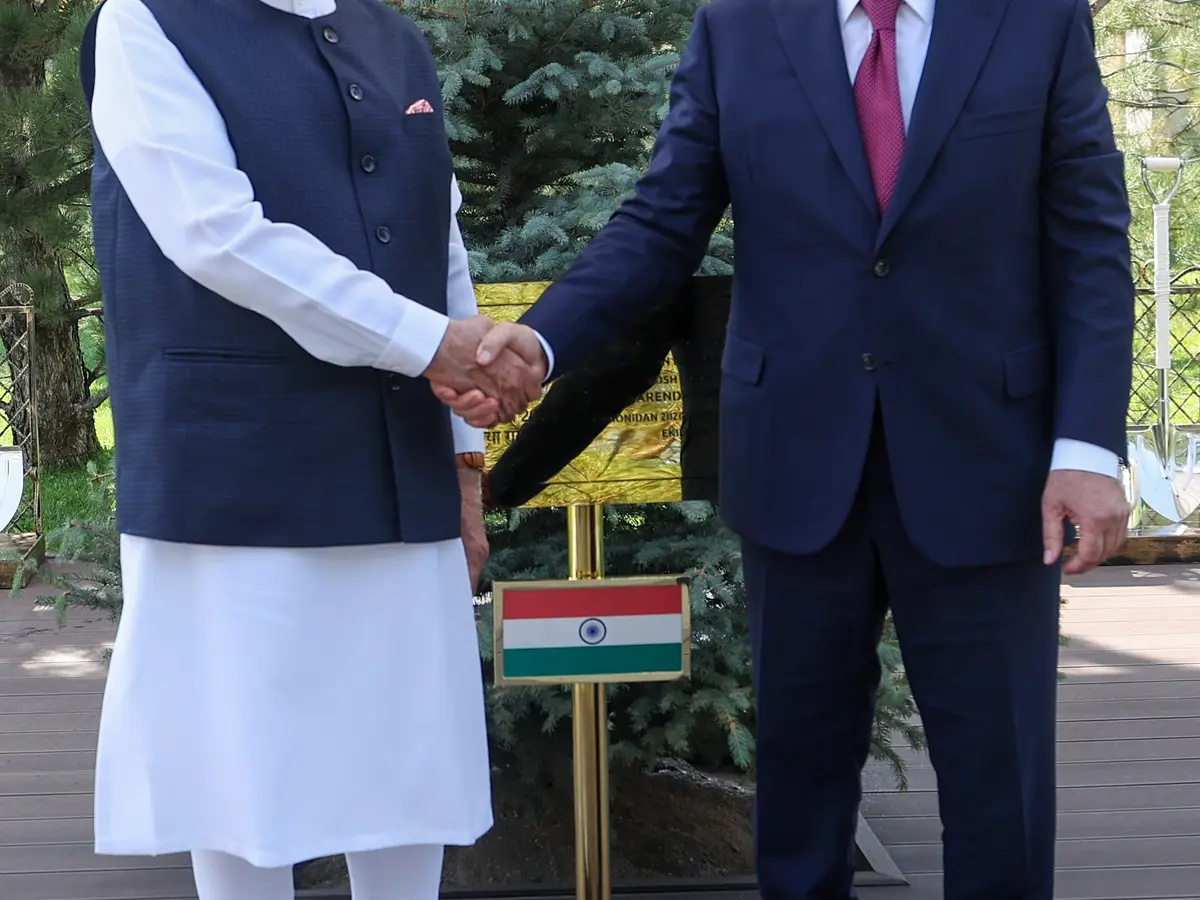
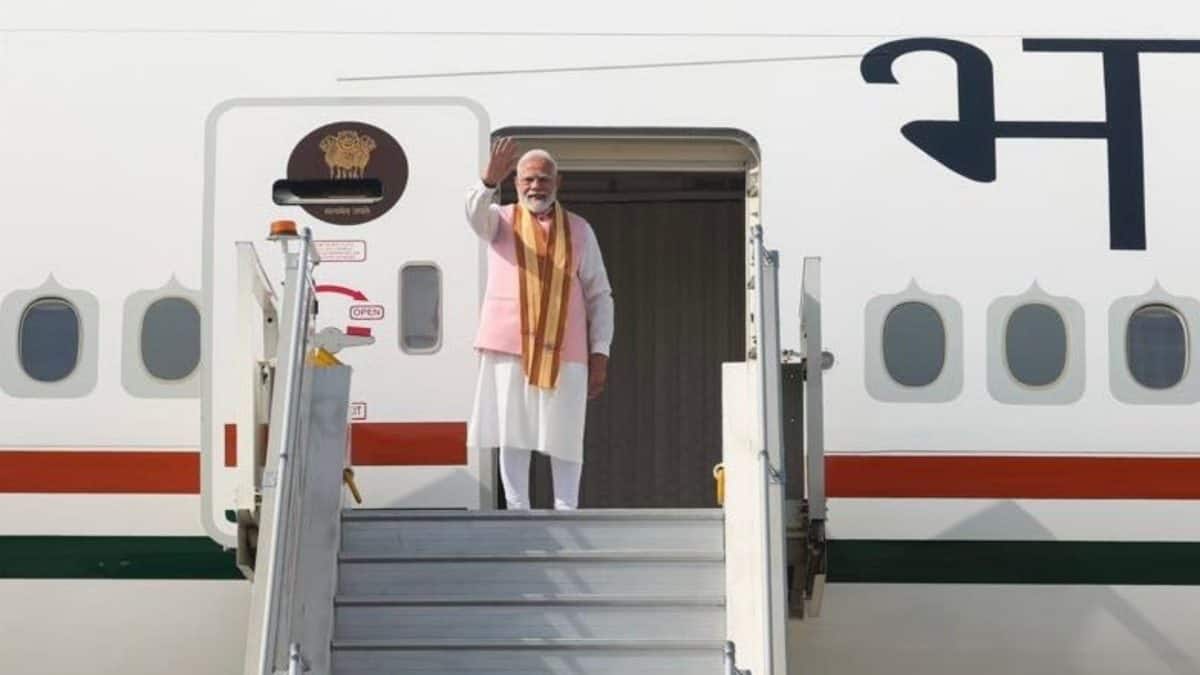
Prime Minister Narendra Modi is visiting countries in Central Asia to strengthen India’s relationships there.
He started in Uzbekistan and then travelled to Kyrgyzstan.
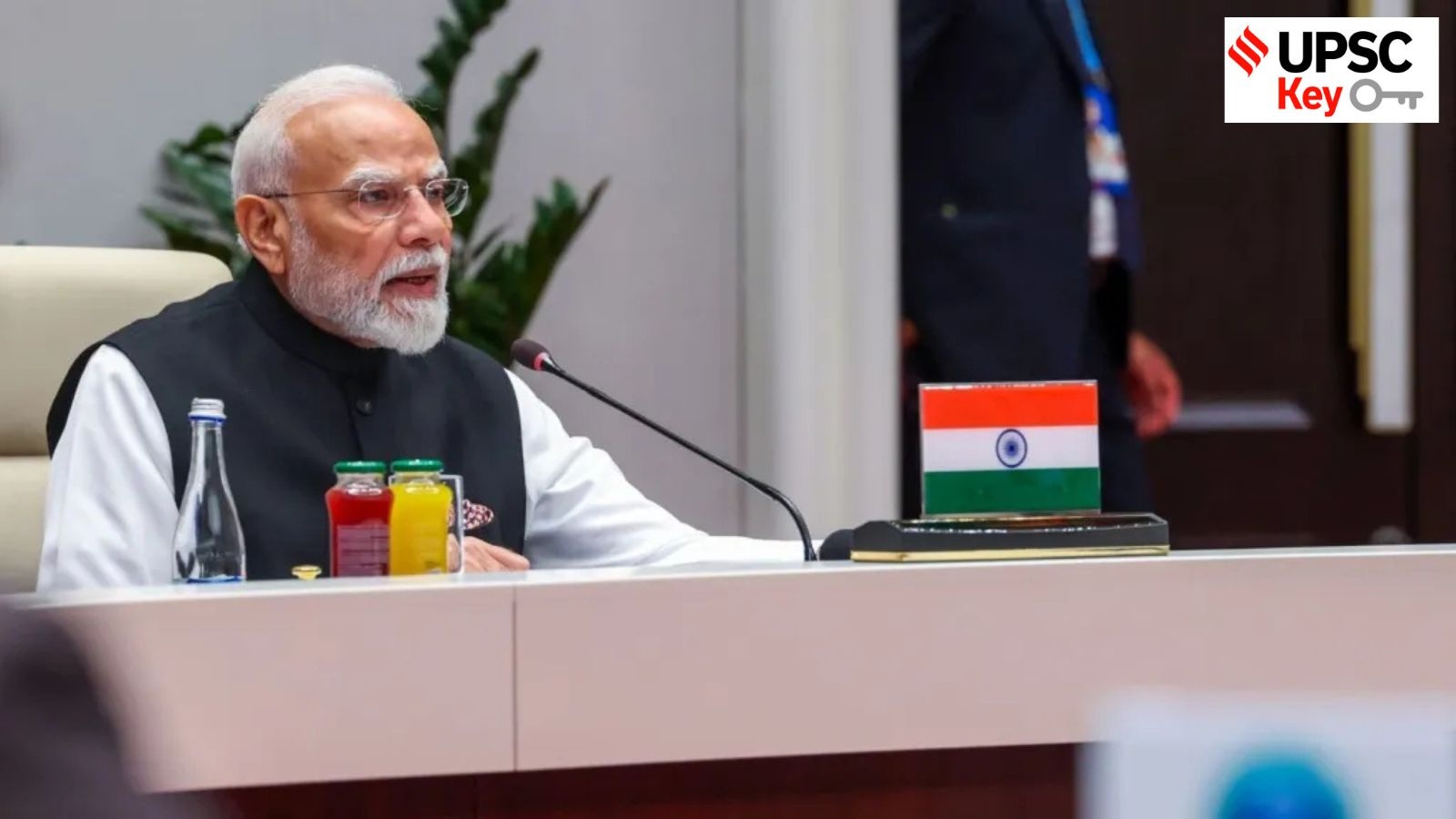
He is attending a meeting of the Shanghai Cooperation Organisation, which discusses security and economic cooperation.
India wants better roads, railways, sea routes and digital links through the region.
These links could help India reach markets in Europe without depending on routes affected by political problems.
Central Asian countries also have minerals, energy and technology opportunities that India needs.
India wants to share its experience in digital payments, technology, healthcare and defence.
Modi will also discuss ways to fight terrorism, separatism and extremism.
The visit is presented as an effort to make India a more important partner in Eurasia.

Prime Minister Narendra Modi began a four-day Central Asia visit in Uzbekistan on 29 August before travelling to Kyrgyzstan.
At the Shanghai Cooperation Organisation summit, Modi is expected to promote security, connectivity, economic cooperation and counterterrorism.
India views Central Asia as a route to European markets because direct overland access is unavailable and traditional routes face disruption.
The region’s critical minerals, energy resources and technology potential could support India’s industrial, digital and clean-energy goals.
Modi is also expected to seek cooperation against terrorism, separatism and extremism, including engagement with Russia, China and Pakistan.
- Who
- Prime Minister Narendra Modi, India and the Central Asian countries, alongside members of the Shanghai Cooperation Organisation.
- What
- A four-day Central Asia visit focused on diplomacy, connectivity, economic cooperation, resources, technology and counterterrorism.
- Where
- Uzbekistan and Bishkek, Kyrgyzstan, with wider engagement involving Central Asia.
- When
- Modi arrived in Uzbekistan on 29 August and is scheduled to attend the 26th Shanghai Cooperation Organisation summit.
- Why
- India seeks alternative routes to Central Asia and Europe, stronger strategic partnerships, access to resources and cooperation against terrorism.
Arguments for deeper engagement
Strategic constraints and concerns
Connectivity strategy
Arguments for deeper engagement
Supporters argue that Central Asian routes can give India alternative access to markets in Europe and reduce reliance on vulnerable traditional routes.
Strategic constraints and concerns
The article stresses that India lacks direct overland access to Central Asia and must build a complex network of maritime, rail, road and digital connections.
Shanghai Cooperation Organisation
Arguments for deeper engagement
The SCO can provide a platform for regional security, economic cooperation, investment, technology partnerships and dialogue among diverse countries.
Strategic constraints and concerns
Its members have divergent geopolitical and ideological interests, while tensions involving Pakistan, Russia, China and other regional actors may limit cooperation.
Counterterrorism cooperation
Arguments for deeper engagement
India seeks support from SCO members, including Russia and China, for stronger action against terrorism, separatism and extremism.
Strategic constraints and concerns
Pakistan chairs the SCO’s Regional Anti-Terrorist Structure and is scheduled to host its next council meeting, creating a difficult setting for India’s anti-terrorism agenda.
Key facts
- Visit length
- Four days
- First stop
- Uzbekistan, where Modi arrived on 29 August
- Next destination
- Bishkek, Kyrgyzstan
- Multilateral event
- The 26th Shanghai Cooperation Organisation summit
- SCO membership
- The article identifies 10 member states: China, Russia, Kazakhstan, Kyrgyzstan, Tajikistan, Uzbekistan, India, Pakistan, Iran and Belarus.
- India’s clean-energy goal
- India aims to become 30 per cent electric by 2030.
- Uzbekistan’s technology target
- Uzbekistan is targeting $5 billion in annual AI and IT exports by 2030.
Quotes

Narendra Modi
Prime Minister of India, commenting on the country’s SCO role and regional priorities
“India has been an active and constructive member of the SCO since 2017. I look forward to advancing India’s vision for the region, anchored in Security, Connectivity and Opportunity, and to working with fellow members for a region free from the scourge of terrorism, separatism and extremism, which continue to threaten peace and stability in our neighbourhood and beyond.”
 theprint.in
Sources
Related news
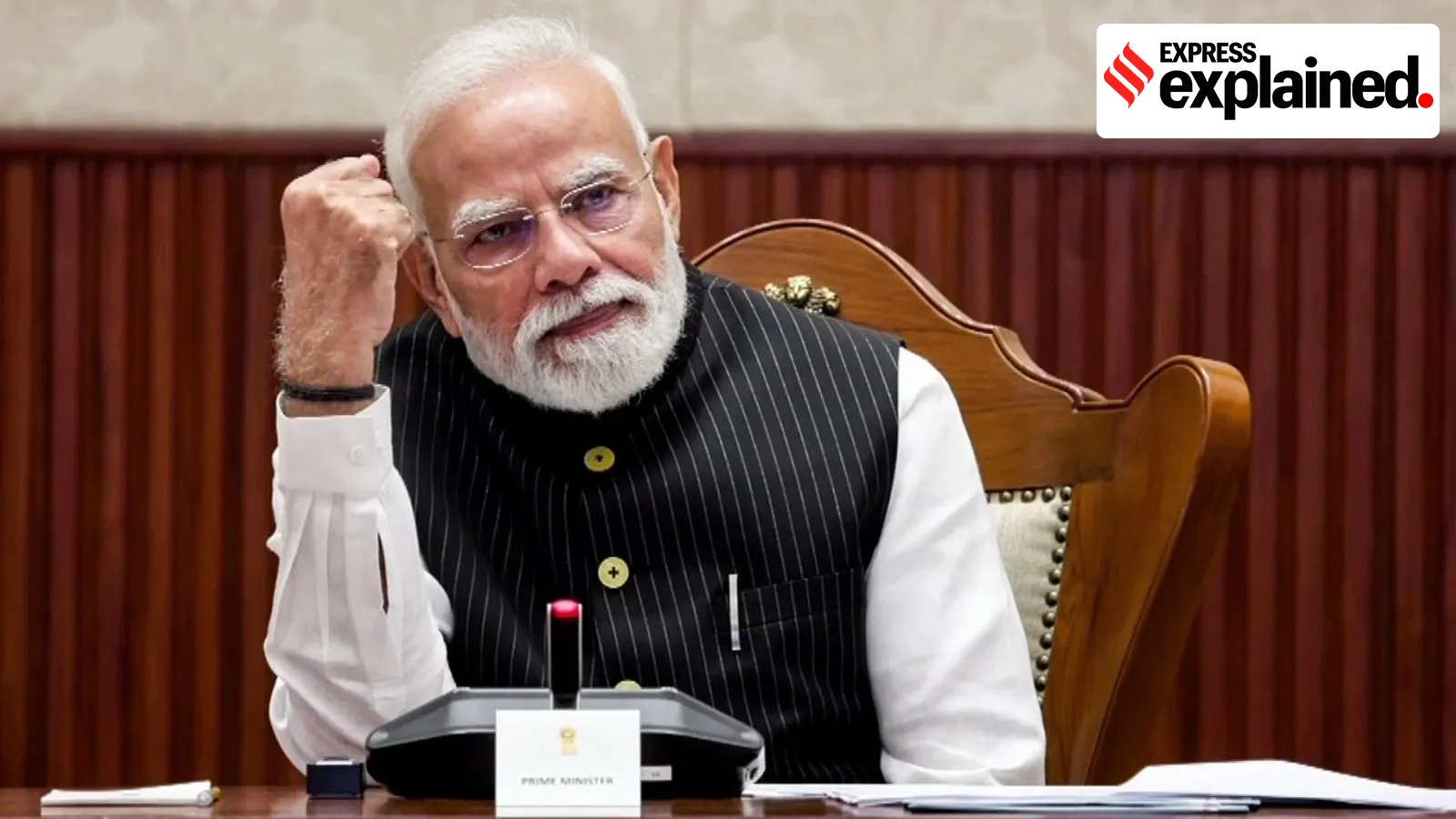
Modi’s Central Asia Visit Highlights India’s Strategic Regional Outreach
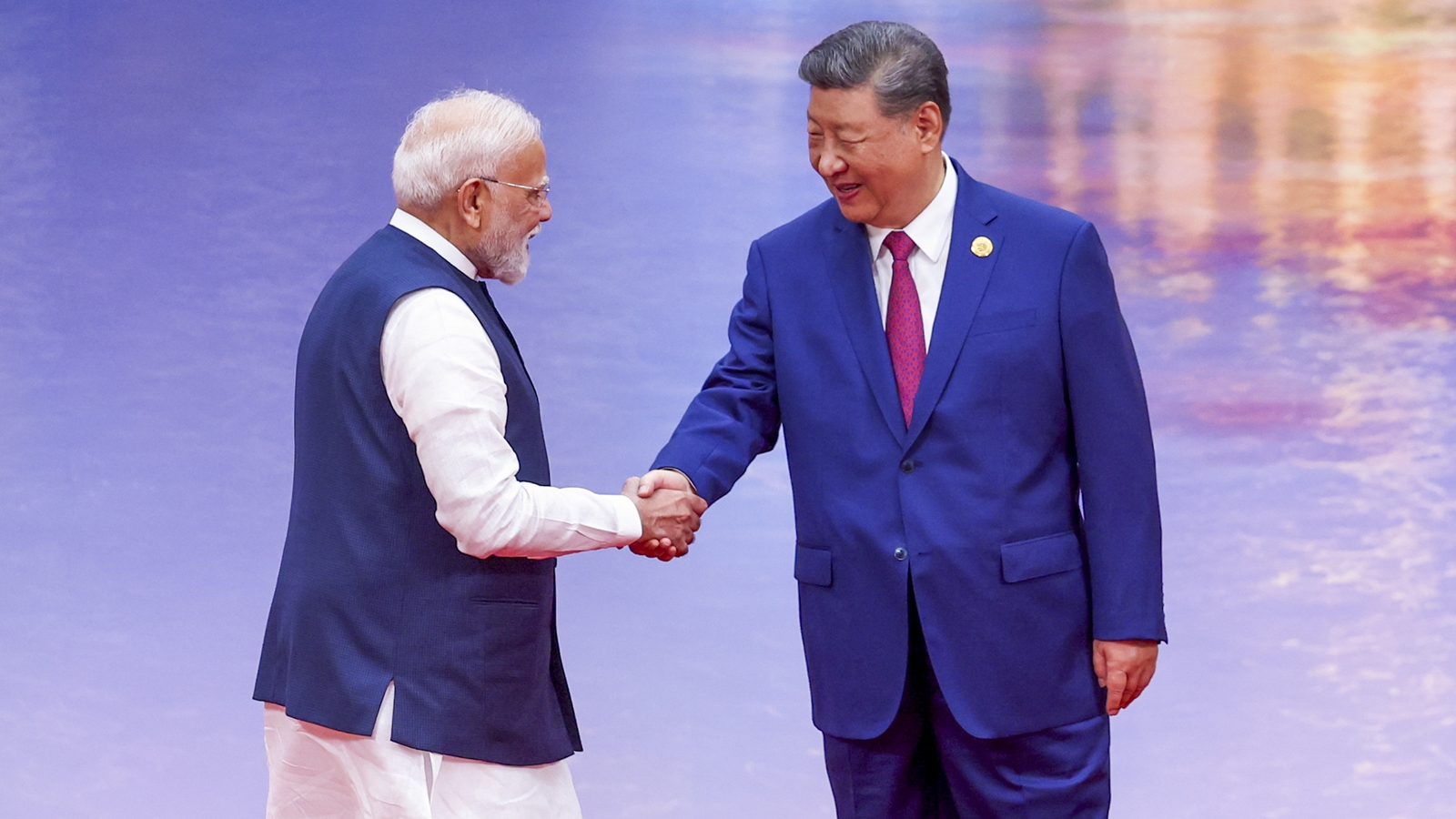
India Urged to Take More Active Role in SCO
Why Modi Is Visiting Uzbekistan Before the SCO Summit
Modi’s Central Asia Tour Targets Trade, Security and Connectivity
Modi’s SCO Address Highlights India’s Connectivity and Terrorism Challenges

Modi Begins Central Asia Tour, Emphasizes SCO Security Vision

Manipur Census Deferment Welcomed as Step Toward Public Aspirations
UPSC Key Covers SCO, Electoral Rolls, Economy, Defence and Climate

West Bengal CM Crushes Nearly 2 Lakh Seized Syrup Bottles

Modi Highlights India’s Growing Avocado Market and Farmer Gains
China's SCO Power Grab Shapes Global Alliances and Trade