1 week ago
India's Cities Face Flooding as Rainfall Intensifies and Infrastructure Lags
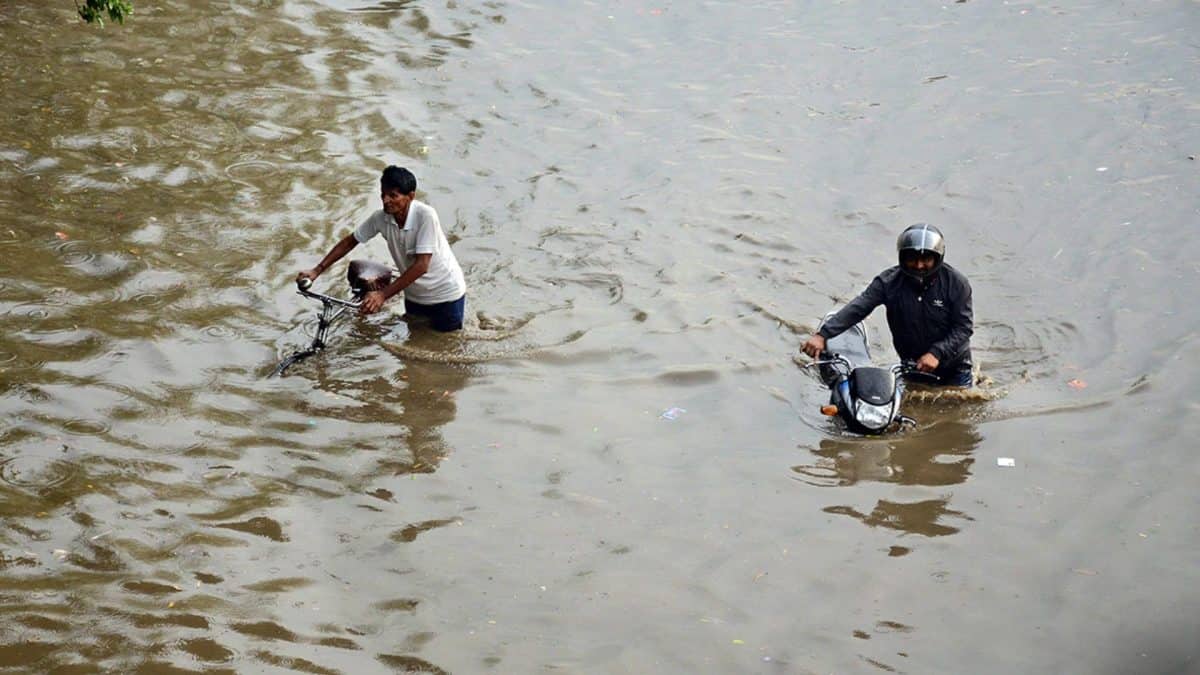
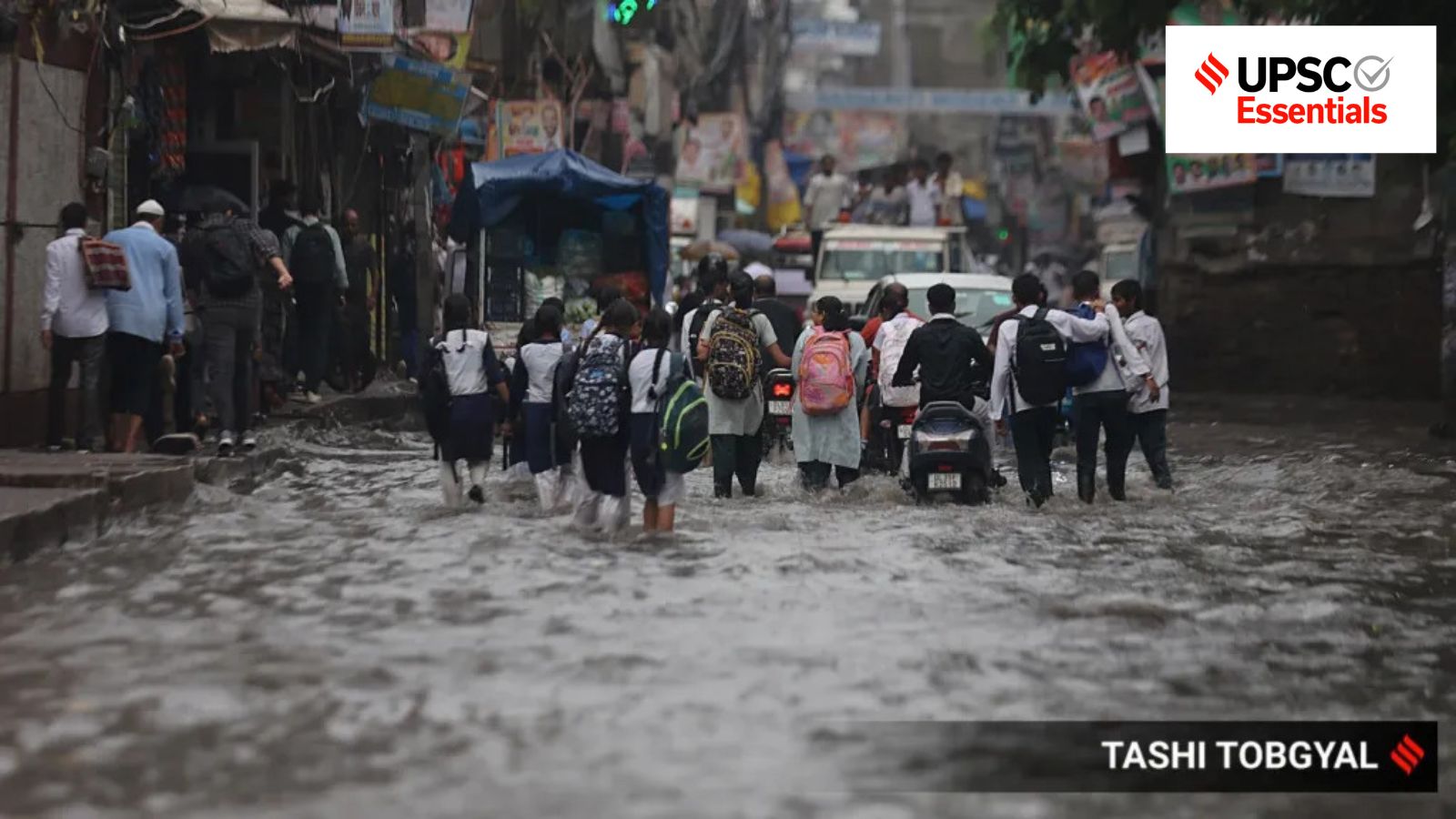
Many Indian cities are flooding when a lot of rain falls in a short time.
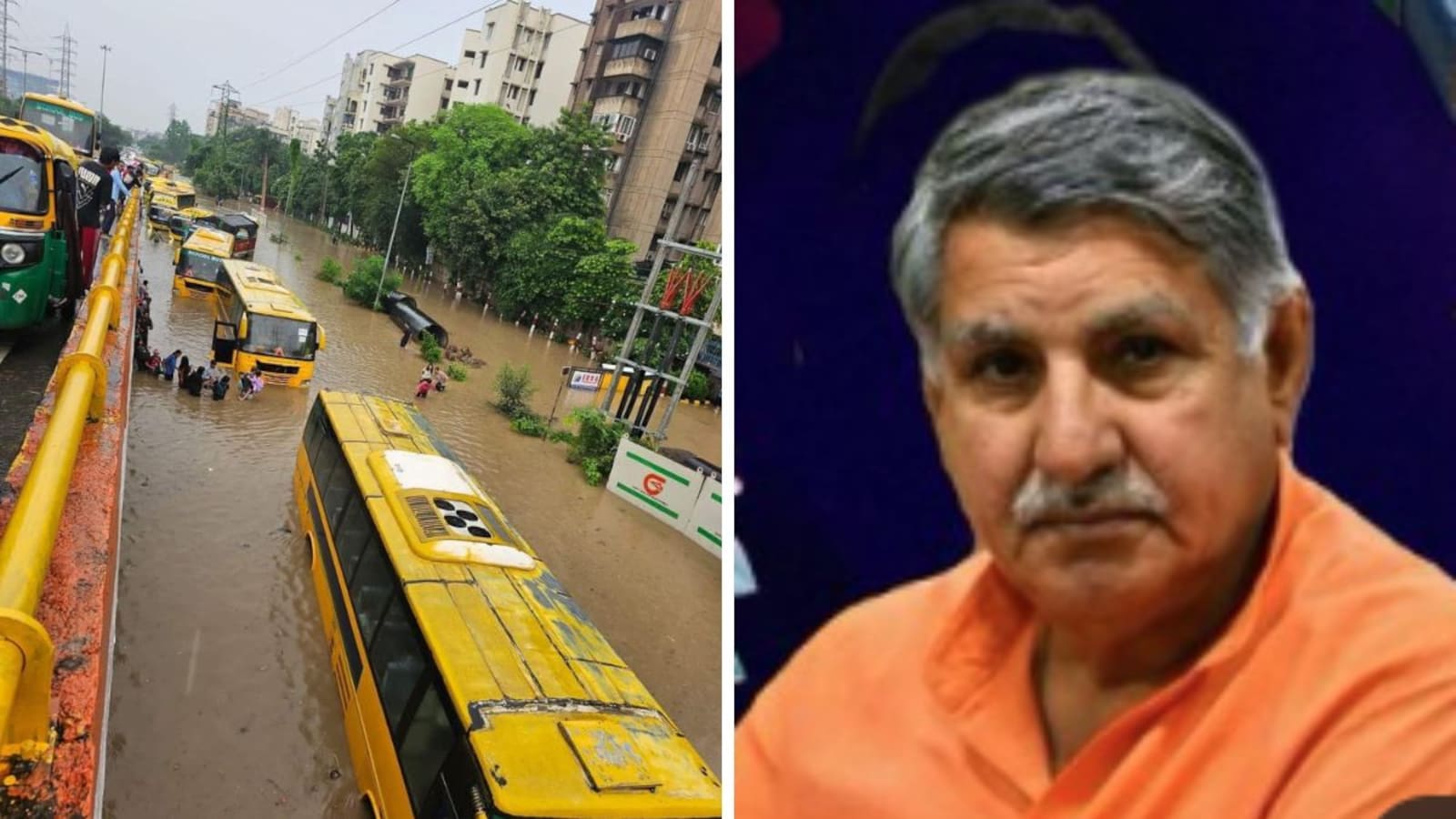
Gurugram was heavily flooded after about 70 millimetres of rain fell by early Monday afternoon.
Mumbai, Bengaluru, Chennai and Delhi face similar problems.
Cities have added many roads, buildings and parking areas that do not let water soak into the ground.
At the same time, ponds, wetlands, lakes and natural channels have been reduced or blocked.
This means more water reaches drains quickly, but the drains cannot carry it away fast enough.
Scientists say some places are also experiencing more heavy-rain days and stronger short bursts of rain.
They suggest restoring natural water-holding areas and using surfaces that let water pass through.
Better weather warnings and drainage monitoring could also help authorities respond before flooding becomes severe.

Gurugram received about 70 mm of rain by 1:30 pm Monday, flooding roads and causing severe traffic delays.
Studies cited in the article link rising heavy-rainfall days to climate changes and show that intense rain is arriving in shorter bursts.
Rapid construction has reduced natural drainage, wetlands, vegetation and other spaces that absorb or store water.
Research found that green roofs, permeable pavements, rain barrels and better water-body management could substantially reduce Gurugram’s runoff and flood discharge.
Experts recommend restoring wetlands and drainage channels while using permeable surfaces, real-time monitoring and water-sensitive urban design.
- Who
- Residents, commuters and city authorities in Gurugram and other Indian cities, along with researchers and urban planners.
- What
- Intense monsoon rainfall is exposing widespread urban flooding and weaknesses in drainage and water-management systems.
- Where
- Gurugram, Mumbai, Bengaluru, Chennai and Delhi.
- When
- During the current monsoon; Gurugram flooding occurred on Monday, with rainfall measured by 1:30 pm.
- Why
- Short, intense rain bursts are overwhelming drainage systems while construction, encroachment and the loss of wetlands, lakes, vegetation and natural channels reduce cities’ ability to absorb water.
Key facts
- Gurugram rainfall
- About 70 mm was recorded by 1:30 pm Monday.
- Gurugram traffic impact
- A route between Signature Tower and Hero Honda Chowk reportedly took at least 50 minutes instead of about 15 minutes.
- Rainfall trend
- A Council on Energy, Environment and Water study found that 55% of more than 4,500 Indian tehsils recorded significantly higher southwest monsoon rainfall in 2012-2022 than in the previous decade.
- Heavy-rainfall days
- A newer analysis cited in the article said 64% of India’s tehsils are recording more heavy-rain days during each monsoon.
- Mumbai flooding exposure
- The share of Mumbai’s urban land susceptible to flooding rose from 37% in 2002 to 55% in 2022.
- Bengaluru land-cover change
- Between 1973 and 2023, paved surfaces increased by 1,055%, while vegetation declined by 88% and wetlands by 79%.
- Pallikaranai Marsh
- The Chennai wetland drains a catchment of about 250 square kilometres and connects with 65 wetlands.
- Proposed solutions
- Experts recommend wetland restoration, permeable pavements, rain gardens, water-sensitive urban design and real-time weather and drainage monitoring.
Sources
Related news
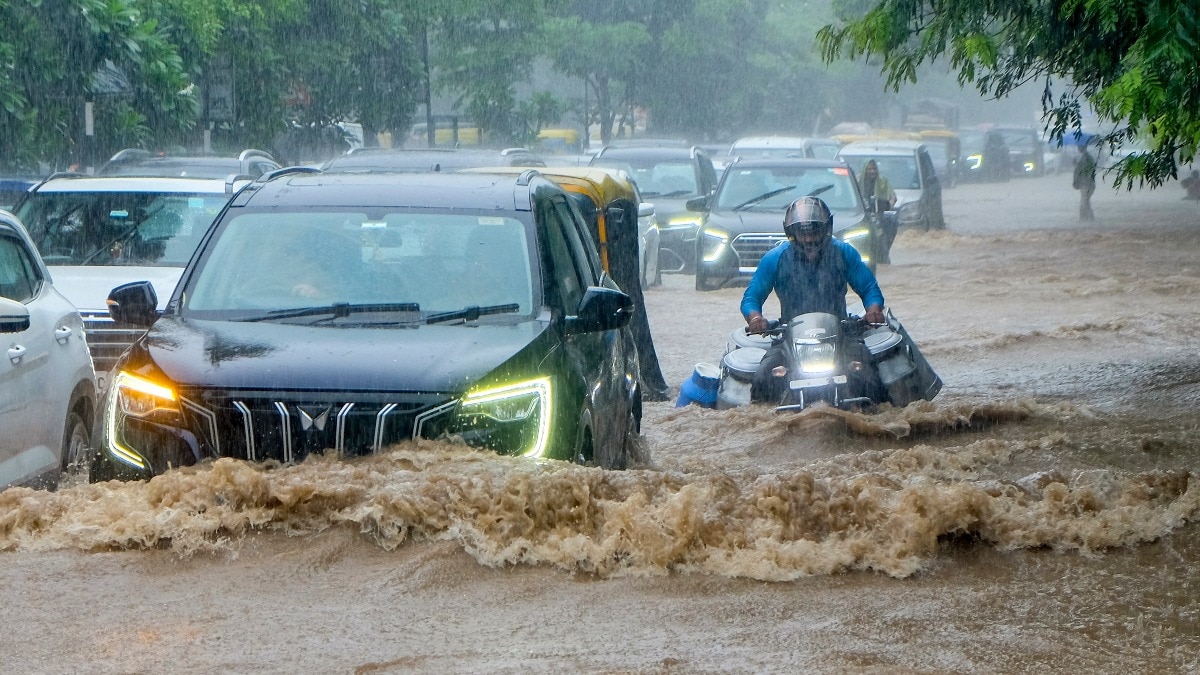
Delhi NCR floods: why can't Indian cities handle monsoon rain?
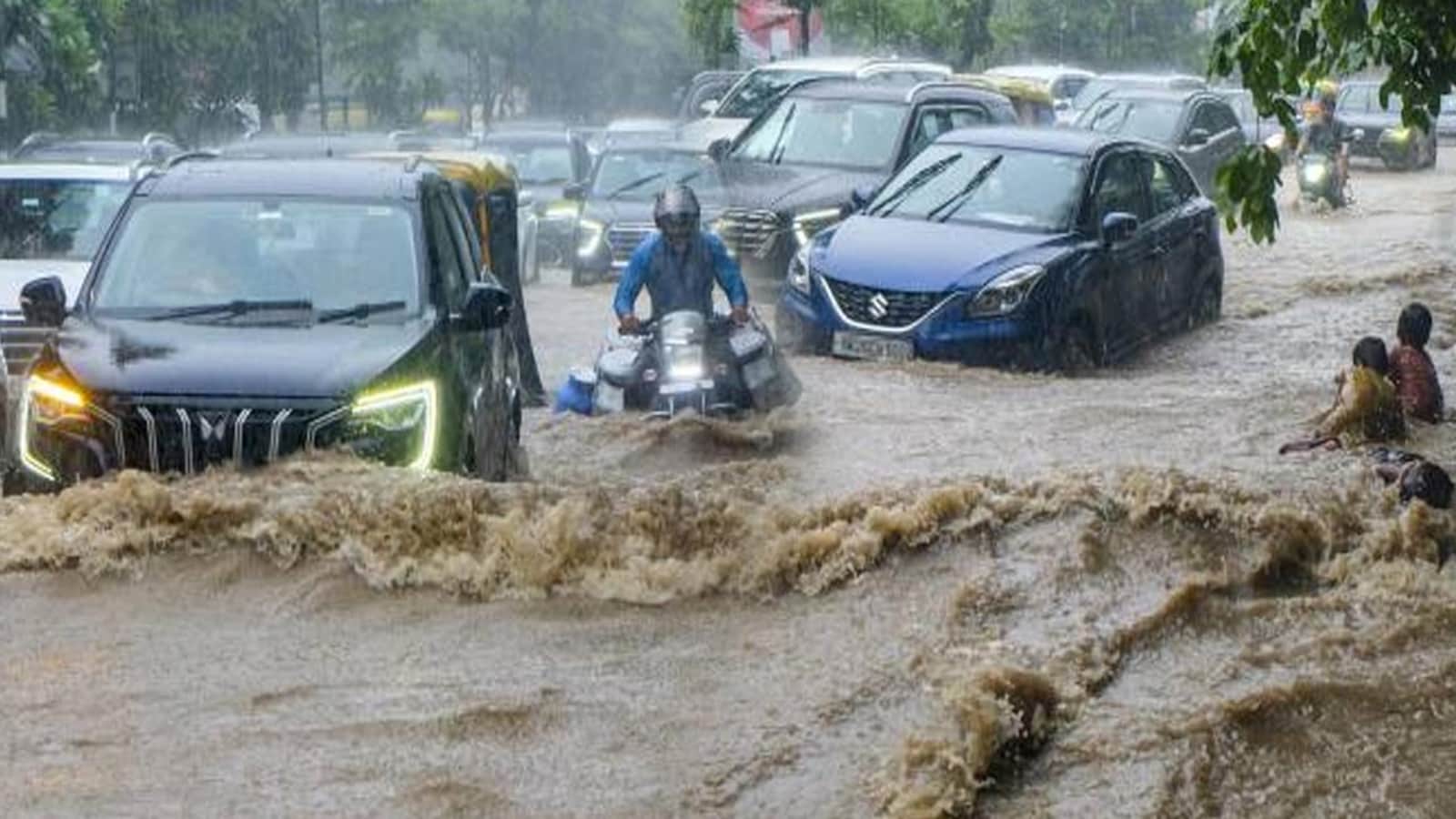
Why Gurugram Submerges Every Monsoon Despite Drainage Spending
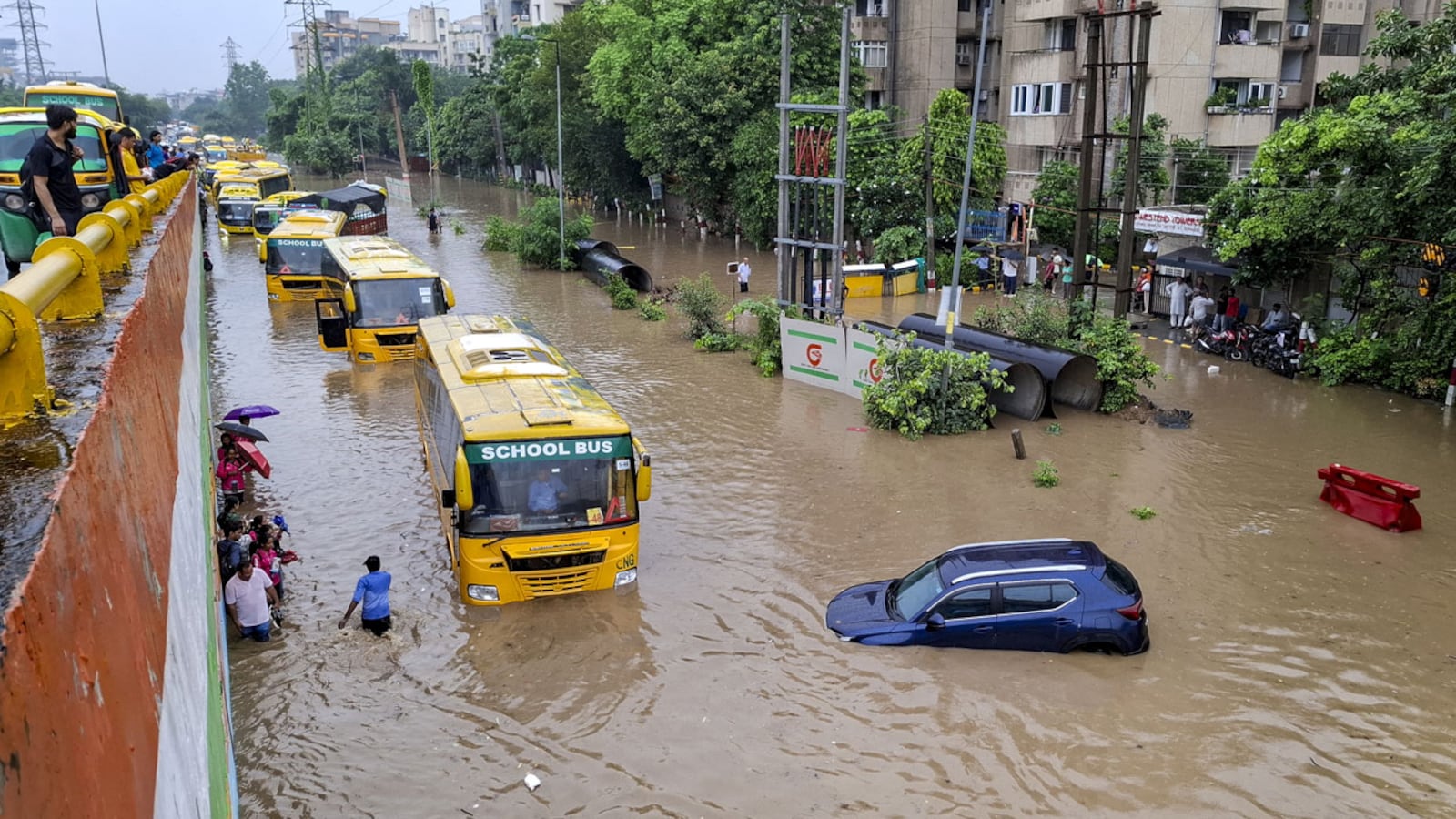
Gurugram Flooding Demands Hydrological Planning, Not Just Bigger Drains

Why Mumbai Streets Flood After Just One Hour of Rain
Climate-Resilient Urban Planning Could Make India’s Cities Safer
Gurugram Flooding Blamed on Growth as MPs Promise 2047 Fix

Science Quiz Covers Vehicle Communication, Space, Medicine, Missiles and Time

GATE 2027 Registration Opens, Exam Dates and New Paper Announced
Shubhanshu Shukla Unveils B.H.E.E.M. Concept for Habitats Beyond Earth

China and US Race to Link Science, Industry

Researchers Identify Brain Circuit Behind Chemotherapy-Induced Cold Pain