

2 weeks ago
Why Mumbai Streets Flood After Just One Hour of Rain

Imagine the air above a city is like a giant sponge.
When the air gets warmer, the sponge grows bigger and can hold more water.
When this big sponge finally squeezes, it drops a lot of rain all at once.
That is why one hour of rain can feel like a whole season.
But the rain is only half of the story.
Water used to soak into the ground or flow away through rivers and wetlands.
People built roads and buildings on top of those spongy places, so the water has nowhere to go.
It sits on the hard concrete and fills the streets.
A city can fix part of this by collecting rainwater, keeping drains clear, and protecting wetlands and mangroves.
So when you see a flooded street, remember: too much water came down, and there was nowhere for it to go.

Mumbai streets flood when intense rain falls faster than water can drain or soak away.
Extreme rainfall events over central India roughly tripled between 1950 and 2015, according to research in Nature Climate Change.
Mumbai and Thane lost roughly 40% of their wetlands to construction between the early 1990s and 2005.
The Mithi River, Mumbai's main storm drain, was narrowed by encroachment and building until it shrank by about half.
On 26 July 2005, Mumbai recorded 944 millimetres of rain in a single day, the city's benchmark flood event.
- Who
- Residents of Mumbai and Thane, with rainfall tracked by the India Meteorological Department (IMD) and the Indian Institute of Tropical Meteorology (IITM).
- What
- Streets flood after about one hour of intense rain because heavier rainfall bursts now meet lost wetlands, concreted soil and a choked Mithi River.
- Where
- Mumbai, India (in Maharashtra), including Kurla and areas along the Mithi River, plus nearby Thane.
- When
- Ongoing during monsoon season; the article highlights 26 July 2005 and a sharp rise in extreme-rainfall events recorded in 2025.
- Why
- Climate change produces heavier downpours while filled-in wetlands and narrowed drains leave rainwater nowhere to go.
Key facts
- Benchmark flood event
- 944 mm of rain in 24 hours on 26 July 2005 in Mumbai
- Wetland loss
- Mumbai and Thane lost roughly 40% of their wetlands to construction between the early 1990s and 2005
- Mithi River shrinkage
- Narrowed by encroachment and building to about half its former size
- Extreme rainfall trend
- Extreme rainfall events over central India roughly tripled between 1950 and 2015
- Atmospheric effect
- Air can hold about 7% more water for every 1°C of warming
- 2025 rainfall record
- IMD recorded a sharp rise in extreme-rainfall events; rain-related disasters became India's deadliest climate hazard that year
- Drainage limit
- Parts of Mumbai would still flood from a 2005-type downpour even with drains upgraded to clear 50 mm per hour
- Rainwater harvesting rule
- Mandatory in Mumbai for societies over 300 sq m; the BMC offers a property-tax rebate for eco-measures
Sources
Related news
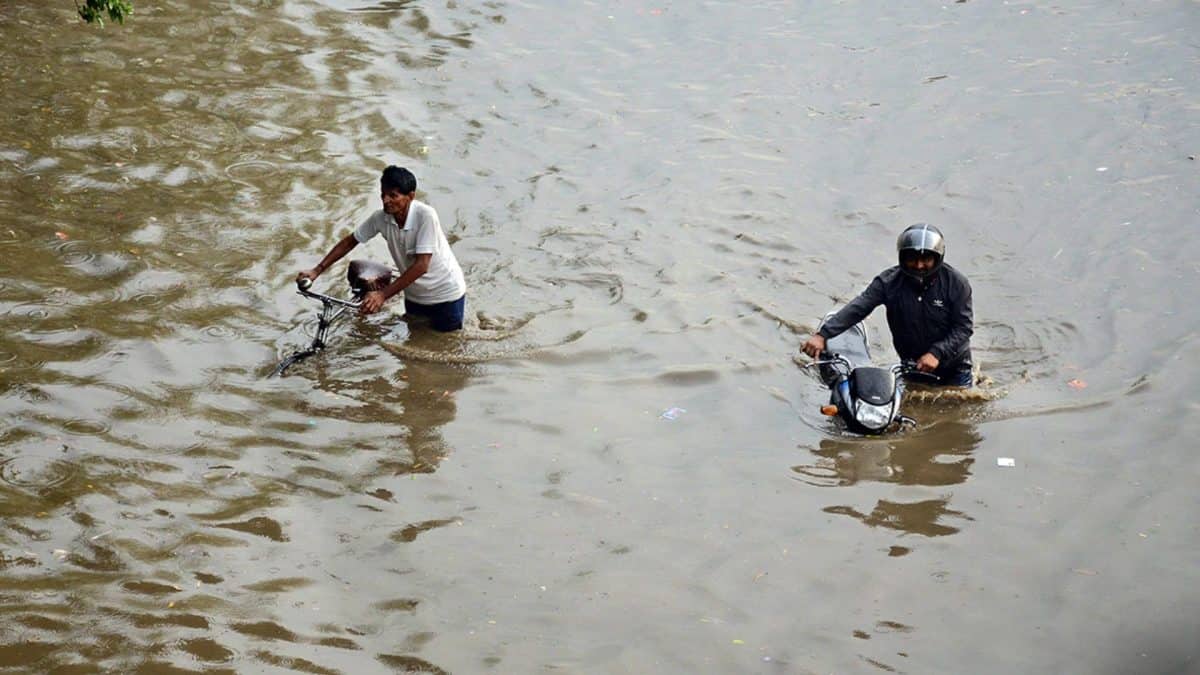
India's Cities Face Flooding as Rainfall Intensifies and Infrastructure Lags
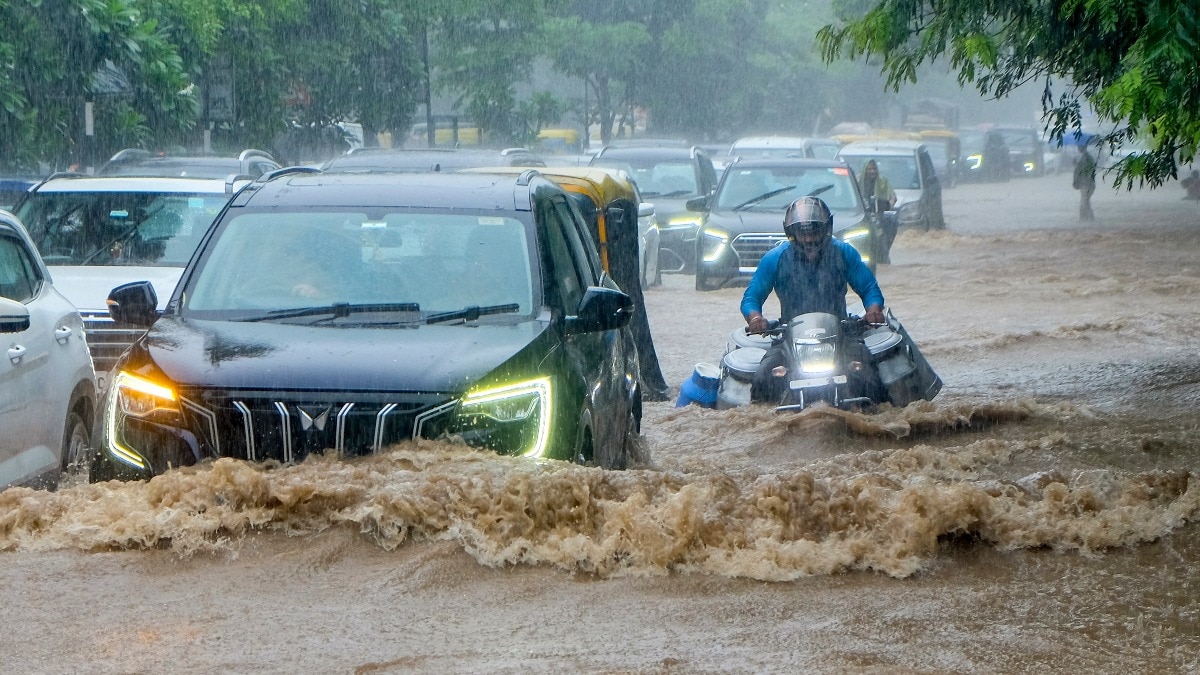
Delhi NCR floods: why can't Indian cities handle monsoon rain?
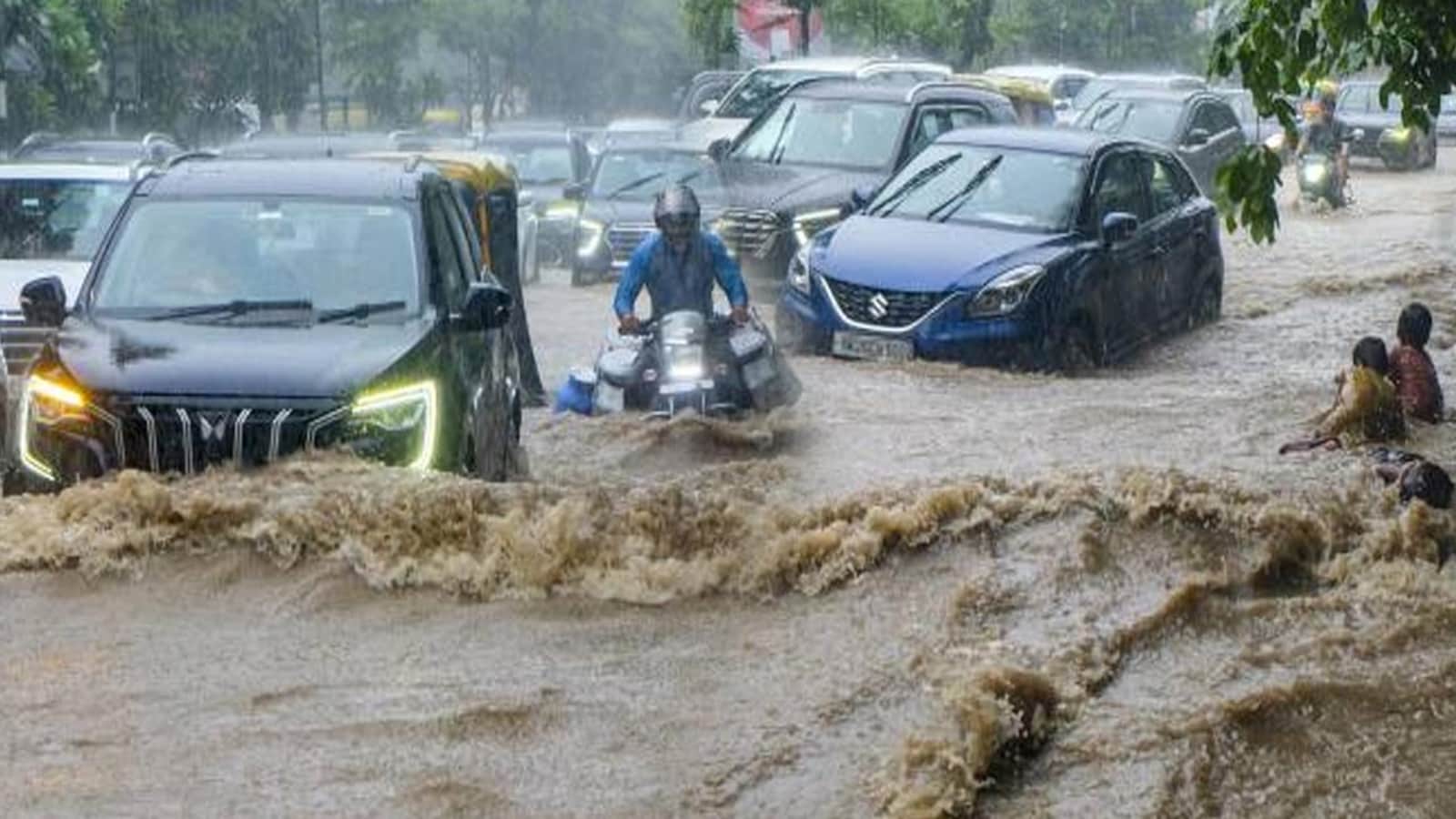
Why Gurugram Submerges Every Monsoon Despite Drainage Spending
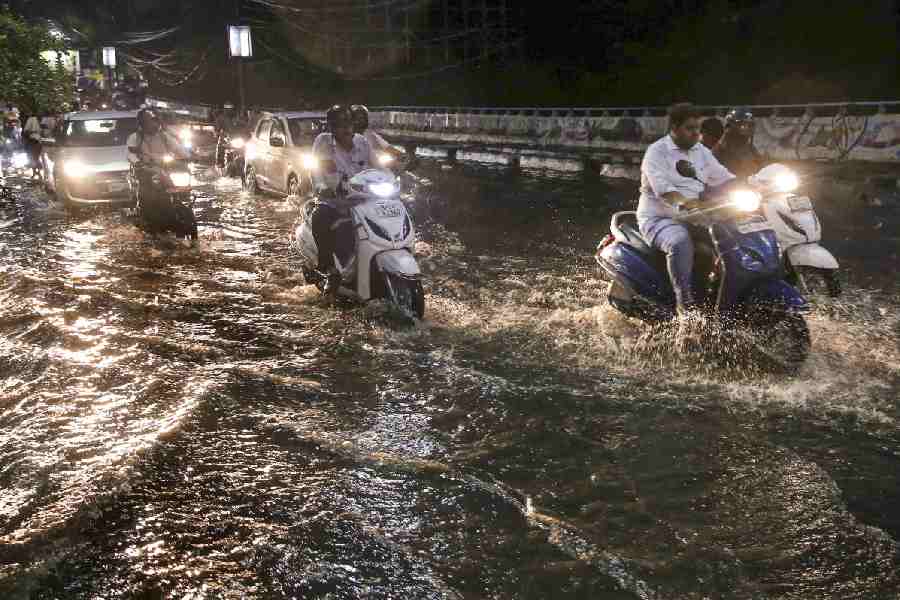
Sudden Heavy Rain Floods Kolkata Roads, Cripples Traffic
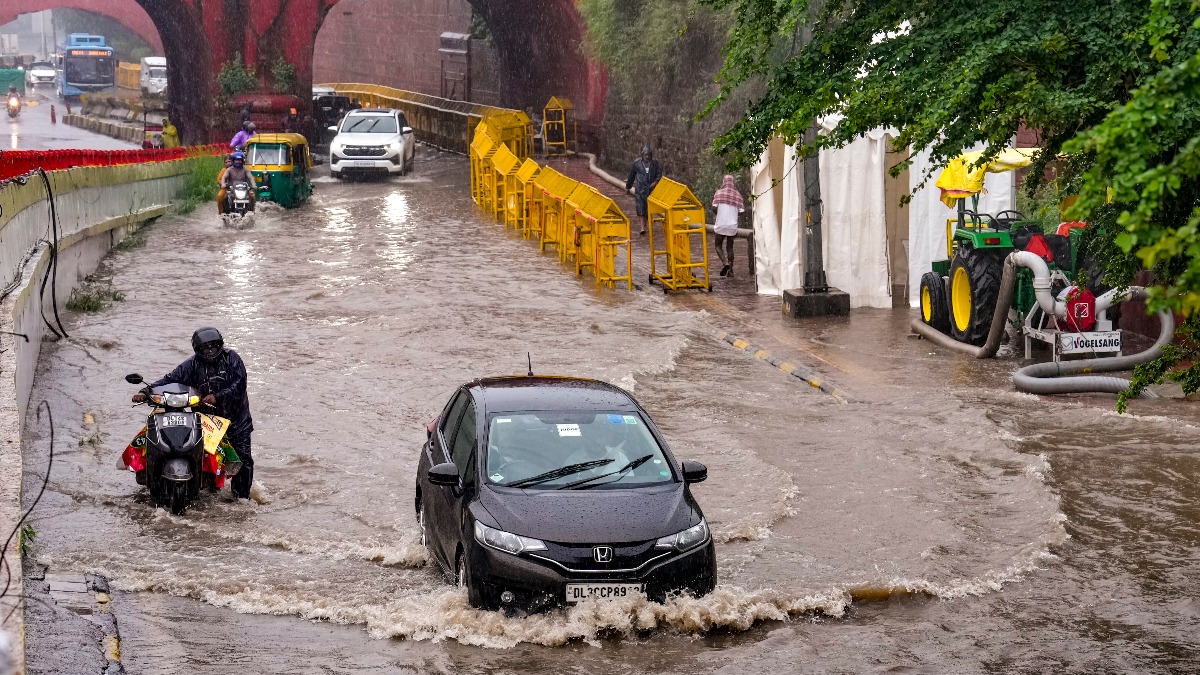
Delhi NCR rains: roads turn into rivers, traffic collapses
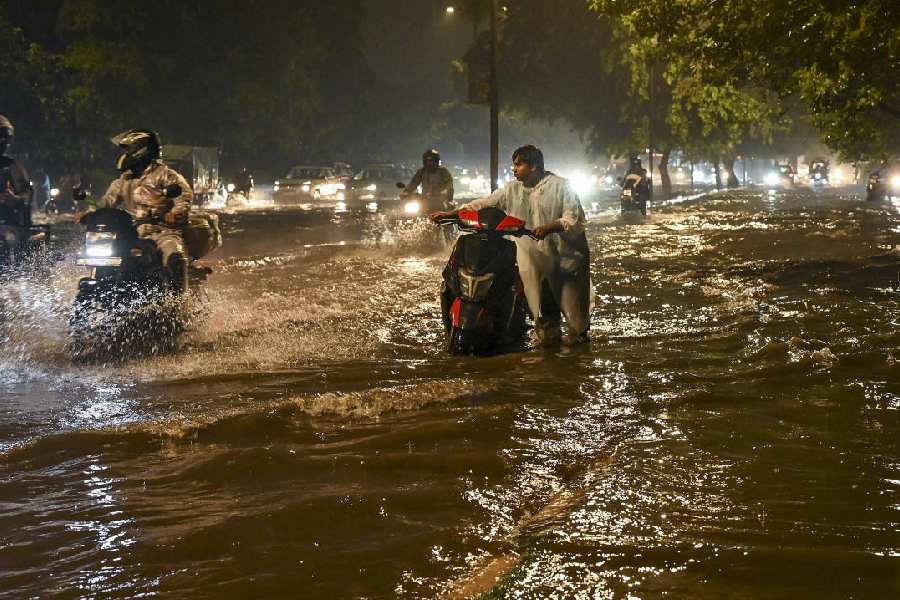
Delhi Rain Floods Streets, Halts Traffic; IMD Issues Red Alert

Maharashtra Launches Campaign to Improve Schools and Student Facilities
Maharashtra CET Cell Tightens Technical Admissions With Transparency Measures
Maharashtra Teachers Protest Food Licence Rule For Mid-Day Meals

Maharashtra, Australia Plan Biomanufacturing Task Force for Joint Growth

Lodha Urges Schools to Prioritize Welfare, Skills and Drug Prevention
