3 weeks ago
Delhi NCR floods: why can't Indian cities handle monsoon rain?
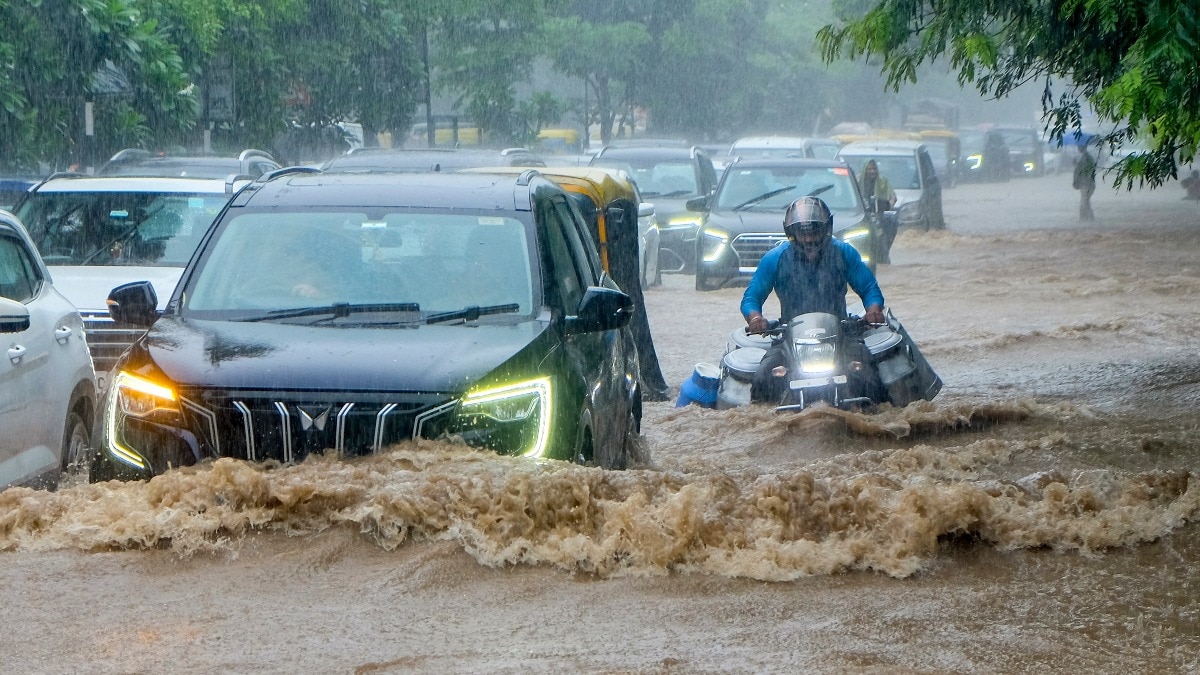
Every year when the monsoon rains come, many cities in India get flooded.
In August, Delhi got very heavy rain and roads turned into rivers.
Some people compared Delhi with other places.
Colombo in Sri Lanka gets lots of rain too, but its roads stay strong.
West Cork in Ireland gets even more rain but has very few potholes.
So people are asking: why do Indian roads break?
Rain is part of the reason, but big cities also have a problem.
When cities grow, they cover the ground with buildings and roads.
That means rainwater has nowhere to go, and drains get blocked.
Scientists say climate change may make rainstorms stronger in the future, so better drains are very important.

Heavy rain on August 7 caused flooding and waterlogging across Delhi NCR.
Safdarjung recorded 77.1 mm on August 7, taking Delhi's August total to 204.1 mm.
Social media comparisons highlight that rainy Colombo and West Cork keep their roads intact.
The article blames rapid urban expansion, blocked drains, and lost wetlands for recurring floods.
Mumbai and Bengaluru face similar monsoon flooding due to geography and disrupted drainage.
- Who
- Residents of Delhi NCR and other Indian metros such as Mumbai, Bengaluru and Hyderabad; the comparison was highlighted by entrepreneur Harshdeep Rapal.
- What
- Heavy monsoon rain caused urban flooding and waterlogging, prompting debate over why Indian city roads and drains fail while rainy regions like Colombo and West Cork cope.
- Where
- Delhi NCR, India; comparisons drawn with Colombo, Sri Lanka, and West Cork, Ireland
- When
- August 7, during the monsoon season
- Why
- Rapid urban expansion, blocked and undersized drains, and lost wetlands reduce cities' capacity to absorb and channel rainwater, while climate change may intensify extreme rainfall.
Heavy rainfall is to blame
Infrastructure is to blame
Cause of recurring urban flooding
Heavy rainfall is to blame
Heavy rain itself is responsible for damaged roads, potholes and urban chaos - a familiar explanation for India's monsoon misery.
Infrastructure is to blame
Rain is only part of the story; cities lack the capacity to absorb, channel and drain water because of blocked drains, encroachment and lost wetlands.
Key facts
- Delhi rainfall (Aug 7)
- 77.1 mm at Safdarjung
- Delhi August rainfall total
- 204.1 mm by Aug 7 evening
- Highest local rainfall
- Pushp Vihar, 111.5 mm
- Other Delhi readings
- Chhatarpur 104.5 mm, Ayanagar 87.4 mm, Palam 73.5 mm, Janakpuri 68 mm, Jharoda Kalan 67 mm
- West Cork, Ireland annual rainfall
- 1,200-2,800 mm
- Cities facing similar flooding
- Mumbai, Bengaluru, Hyderabad
- Comparison locations
- Colombo (Sri Lanka), West Cork (Ireland)
Quotes
Harshdeep Rapal
Entrepreneur and former consultant in Sri Lanka
“I worked in Sri Lanka (Colombo) for nearly two years, consulting for MTN (Dialog Telekom), during the peak of the LTTE war (2007–2009). Believe me, it rains there like cats and dogs for months - May to September, and again November to January. Yet, even when the country was dealing with an almost civil-war-like situation, I never saw roads crumble because of rains the way ours do every monsoon.”
 businesstoday.in
Unnamed social media user
User posting comparison for traffic conditions
“These are tiny roads in West Cork in Ireland which gets 1200-2800 mm of rain every year. They are all asphalt. No concrete roads. And hardly any potholes.”
businesstoday.in
Sources
Related news
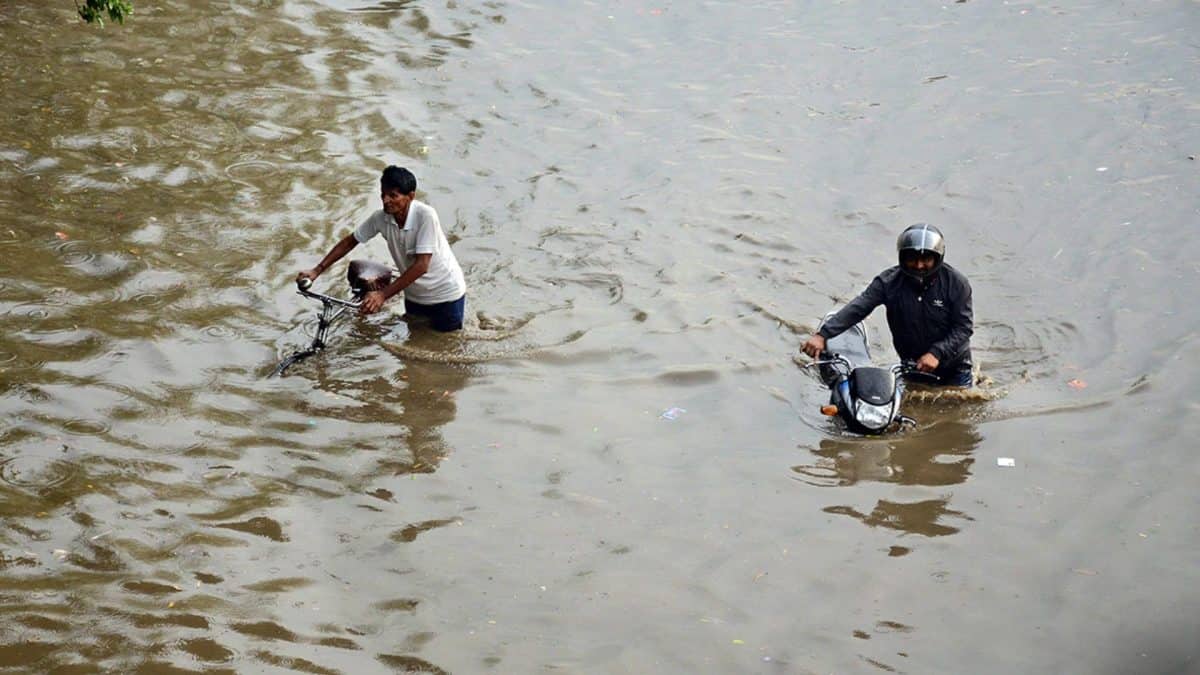
India's Cities Face Flooding as Rainfall Intensifies and Infrastructure Lags
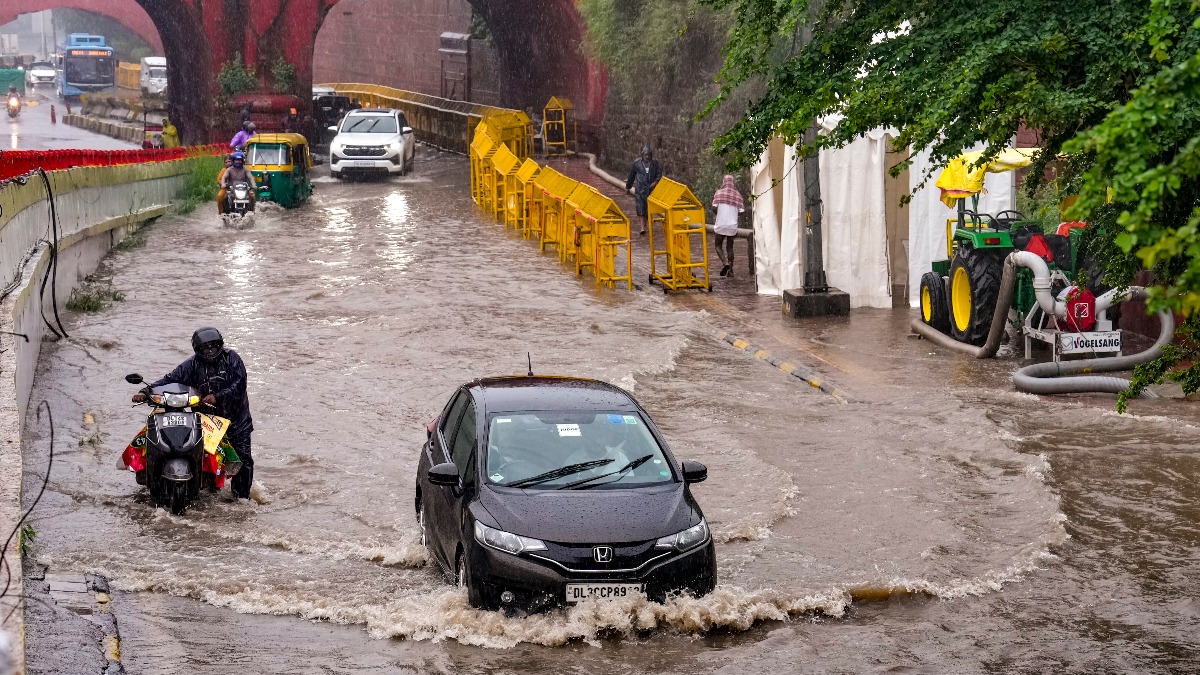
Delhi NCR rains: roads turn into rivers, traffic collapses
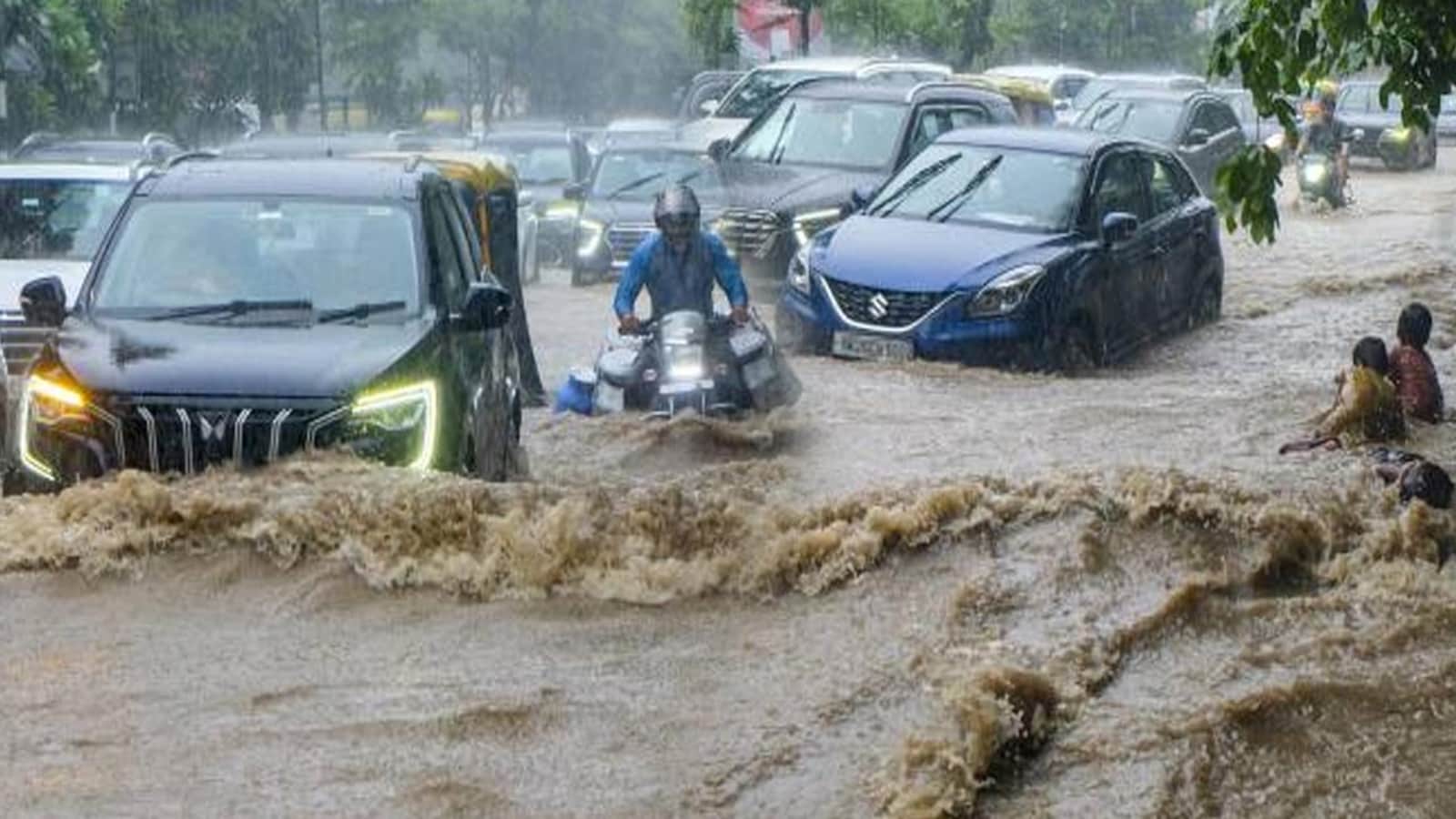
Why Gurugram Submerges Every Monsoon Despite Drainage Spending

Why Mumbai Streets Flood After Just One Hour of Rain
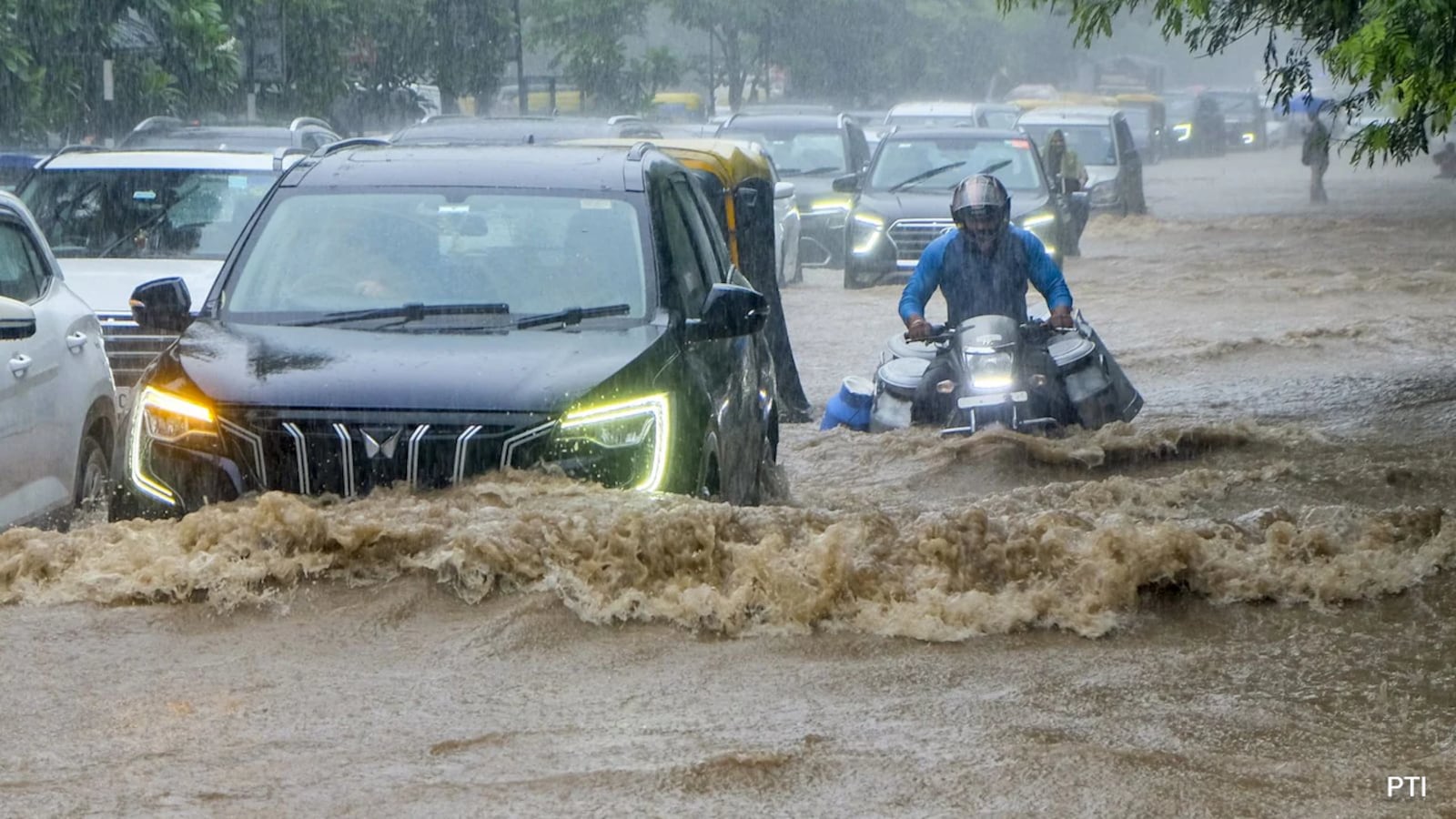
Rain Chokes Delhi Roads: 81 Waterlogging Calls, 32 Fallen Trees
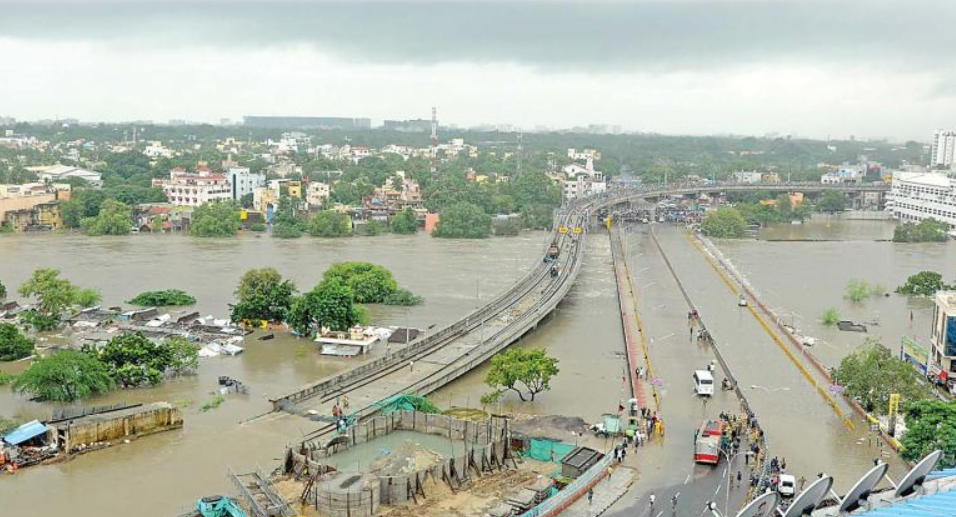
Can Chennai Withstand Extreme Weather Through Integrated Preparedness?
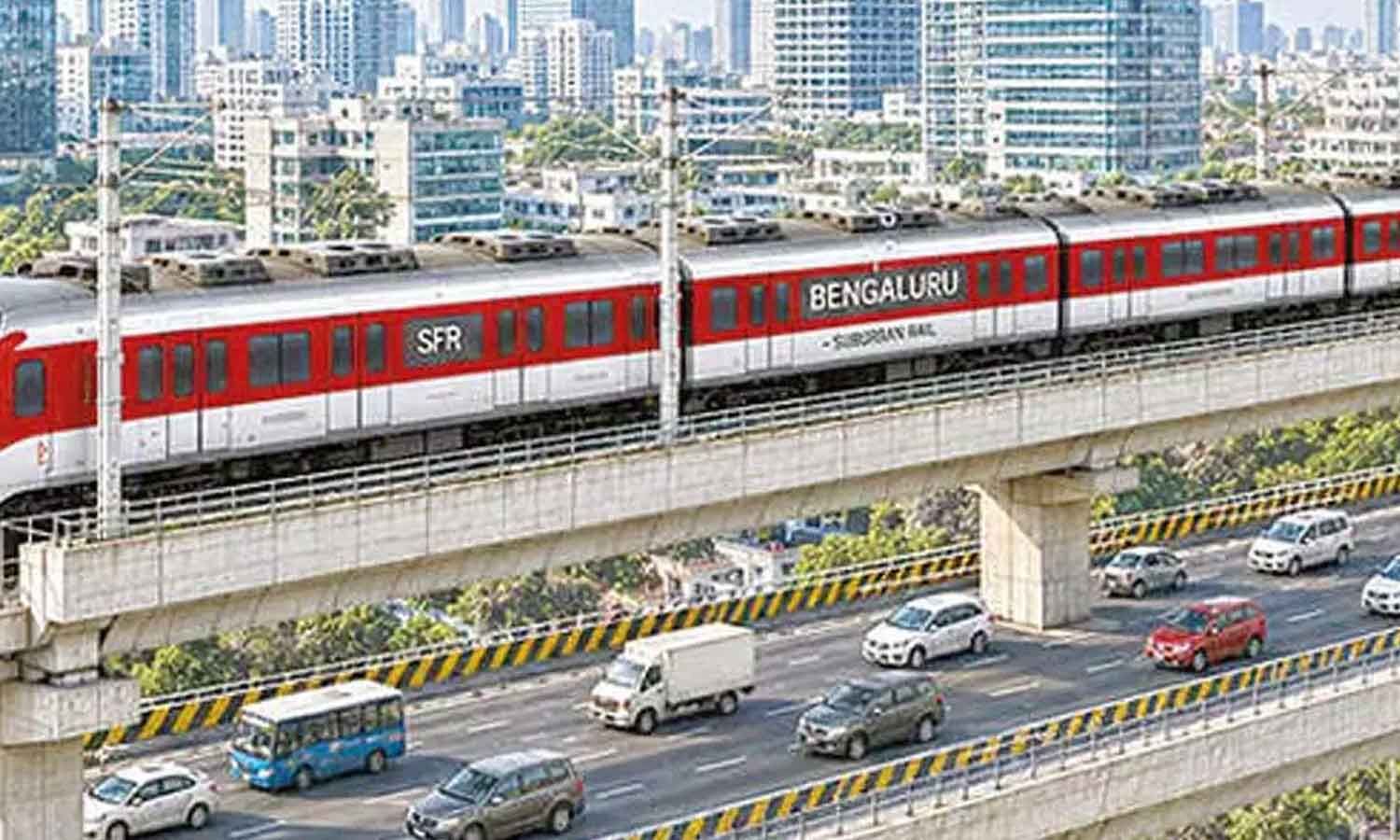
Adani Group Emerges Lowest Bidder for Bengaluru Double-Decker Rail Corridor

Opposition Leader Seeks Probe, Resignations Over Alleged KRIDL Bribes
Minister Warns of Strict Action for Food Safety Violations

Readers propose stronger, wider, more resilient Indian GCC growth

Kumaraswamy Questions Kharge’s Responsibility in RDPR Recruitment Irregularities