

3 weeks ago
Drying Danube River Exposes WWII Battleships, Prehistoric Fossils
The Danube is one of the biggest rivers in Europe.
This year, it got very hot and there was not much rain.
Because of that, the river became much smaller than usual.
When the water went down, people could see things that had been hidden under the water for a very long time.
They saw old ships from World War II, a big war that happened long ago.
In 1944, soldiers who were retreating sank their own ships on purpose to stop their enemies from moving up the river.
Some of these old ships still have dangerous bombs and bullets inside, so people must be careful.
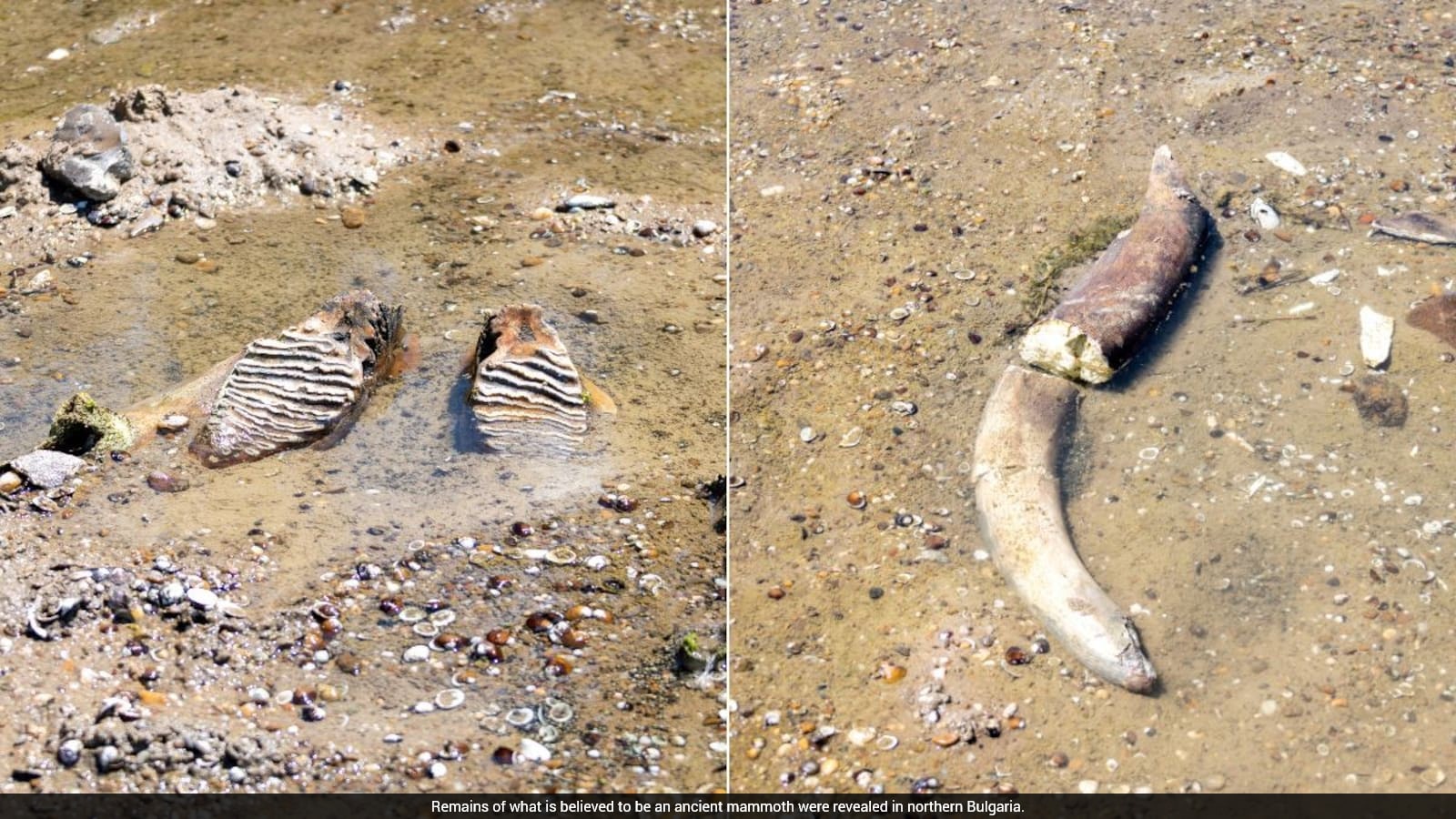
In Bulgaria, someone also found bones of a mammoth, a giant animal that lived thousands of years ago.
Scientists want to study the bones to find out exactly how old they are.
Finding old hidden things in the river is exciting and important for science.

Record-breaking heatwaves and persistent drought across Europe dropped Danube River water levels to historic lows, the lowest since 1996.
A rusty hull and broken mast where the Nazi flag once flew became visible near the Serbian port of Prahovo.
In 1944, retreating German commanders intentionally sank hundreds of their own vessels to block the river route as Soviet forces advanced.
At least 20 World War II wrecks are now visible, many still holding tonnes of live ammunition and unexploded artillery shells.
The remains of an ancient mammoth, including a lower jaw, two tusks and possibly a rib, were found in Ryahovo village, northern Bulgaria.
- Who
- Residents, experts and media outlets along the Danube, including finder Ivica Gavrilovic and museum director Nikolay Nenov; the exposed ships belonged to retreating German forces of World War II.
- What
- Historic drought exposed at least 20 sunken WWII German battleships carrying unexploded munitions, along with the remains of an ancient mammoth.
- Where
- The Danube River near the Serbian port of Prahovo, and Ryahovo village in northern Bulgaria.
- When
- During record-breaking heatwaves and drought, with river levels at their lowest since 1996; the ships were sunk in 1944.
- Why
- Record heatwaves and persistent drought lowered the river's water levels, revealing long-hidden artifacts from the riverbed.
Key facts
- River
- Danube River
- Water levels
- Lowest since 1996
- Visible WWII wrecks
- At least 20
- Wreck location
- Near Serbian port of Prahovo
- Year ships sank
- 1944
- Reason for sinking
- German commanders blocking river route from advancing Soviet forces
- Safety hazard
- Tonnes of live ammunition and unexploded artillery shells
- Mammoth remains
- Lower jaw, two tusks, possibly a rib, found in Ryahovo village, northern Bulgaria
Quotes
Ivica Gavrilovic
Resident of Ryahovo village near the Danube
“I would not call it a sensation, but any discovery of such ancient remains is very important for science.”
 NDTV
NDTV
“People still don't know how to access the ships themselves.”
NDTV
Sources
Related news
Danube Dries Up, Exposing WWII Soldiers' Perfectly Preserved Remains
Romania shuts only nuclear plant as Danube hits record low
Europe’s Drying Rivers and America’s Reservoirs Signal Water Crisis
Hungary takes emergency steps to keep Paks nuclear plant running
Scientists Prepare Atlantic Expedition to Study Nuclear Waste Dumping

Wildfires in Europe Expose Buried World War Munitions

Hungary’s Paks Nuclear Plant Nears Full Capacity by Wednesday

Punishing European Drought Shrivels Crops, Hits Farmers Across Continent

Europe's 2026 summer: burning, drying out, struggling to adapt
