1 week ago
Scientists Prepare Atlantic Expedition to Study Nuclear Waste Dumping
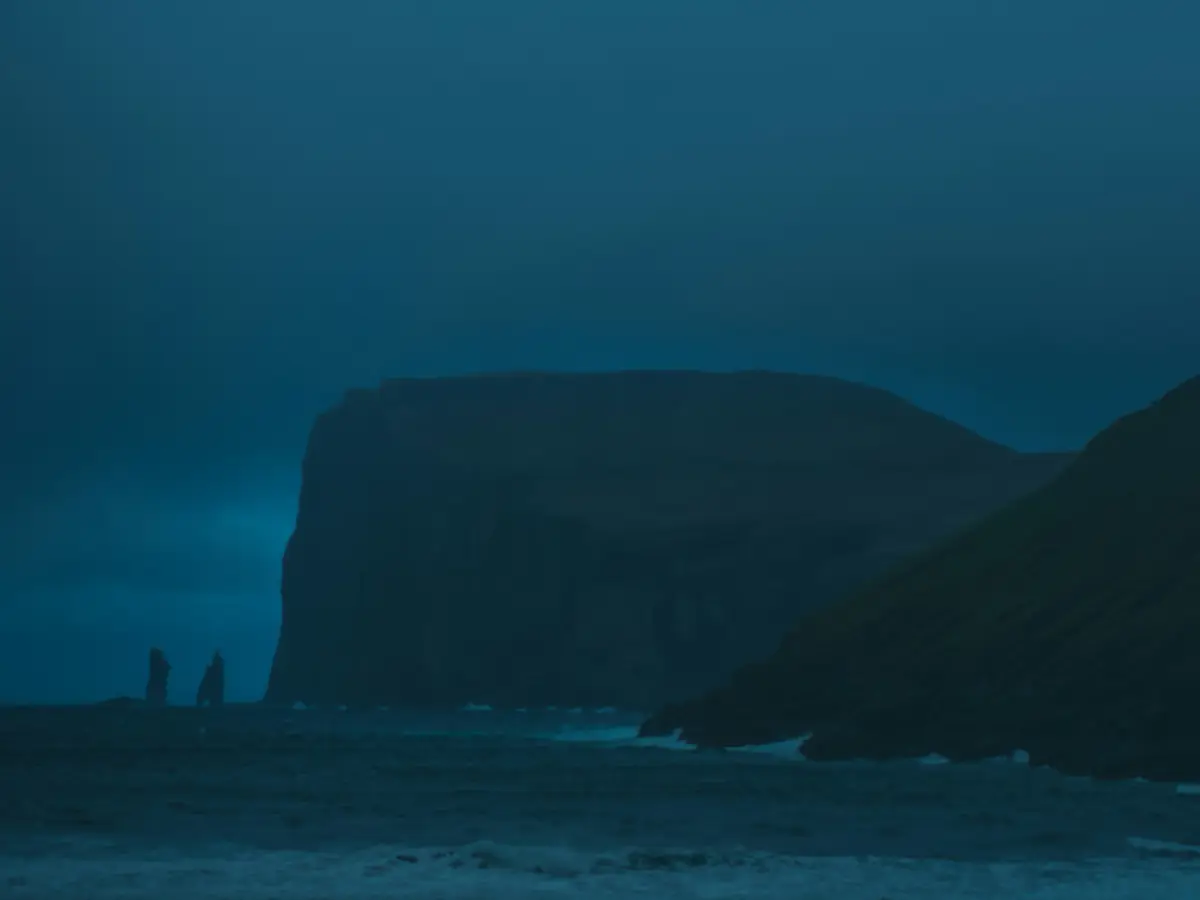
Several European countries put more than 200,000 barrels of radioactive waste into the Atlantic Ocean decades ago.
The dumping happened between 1971 and 1982.
Now scientists from four countries are preparing to explore the area.
They want to learn whether the waste has affected ocean life and the seafloor.
Researchers have already used sonar to map a large part of the seabed.
In a small part of that area, they found 3,500 barrels.
Many barrels are now covered by animals such as crabs and sea anemones.
Scientists collected samples from about 50 barrels and nearby water, mud, and microbes.
They will use the expedition to look for radioactive materials and understand what happens to them in the deep ocean.

Europe dumped more than 200,000 radioactive-waste barrels into the Atlantic between 1971 and 1982.
Researchers from France, Norway, Germany, and Spain will study the site for several months.
Sonar mapping covered 14,500 square kilometres and found 3,500 barrels in two percent of the surveyed area.
Scientists collected samples from about 50 barrels, along with sediment, water, and microbial specimens.
The expedition will examine environmental impacts, identify radionuclides, and study how radioactive materials change at sea.
- Who
- Researchers from France, Norway, Germany, and Spain, including scientists linked to the French National Centre for Scientific Research, Javier Escartin, and Patrick Chardon.
- What
- A multi-month expedition will investigate radioactive waste barrels dumped in the Atlantic Ocean and identify radionuclides.
- Where
- At a radioactive-waste disposal site on the Atlantic Ocean seabed.
- When
- The expedition is expected to launch soon; the dumping occurred between 1971 and 1982, and scientists have been scanning the site for two years.
- Why
- To assess the waste's environmental effects, determine whether radionuclides have entered living organisms, and study radioactive materials in the marine environment.
Key facts
- Waste dumped
- More than 200,000 barrels of radioactive waste
- Dumping period
- 1971–1982
- Mapped area
- 14,500 square kilometres of seabed
- Barrels detected
- 3,500 barrels found in two percent of the surveyed area
- Samples collected
- Samples from about 50 barrels, plus sediment, water, and microbial specimens
- Research duration
- The expedition is expected to continue for several months
- Research focus
- Environmental effects, radionuclide identification, and changes in radioactive materials in the marine environment
Quotes
Javier Escartin
Researcher at the French National Center for Scientific Research (CNRS) involved in the study
“The radionuclides have likely transferred to living organisms.”
 wionews.com
Sources
Related news
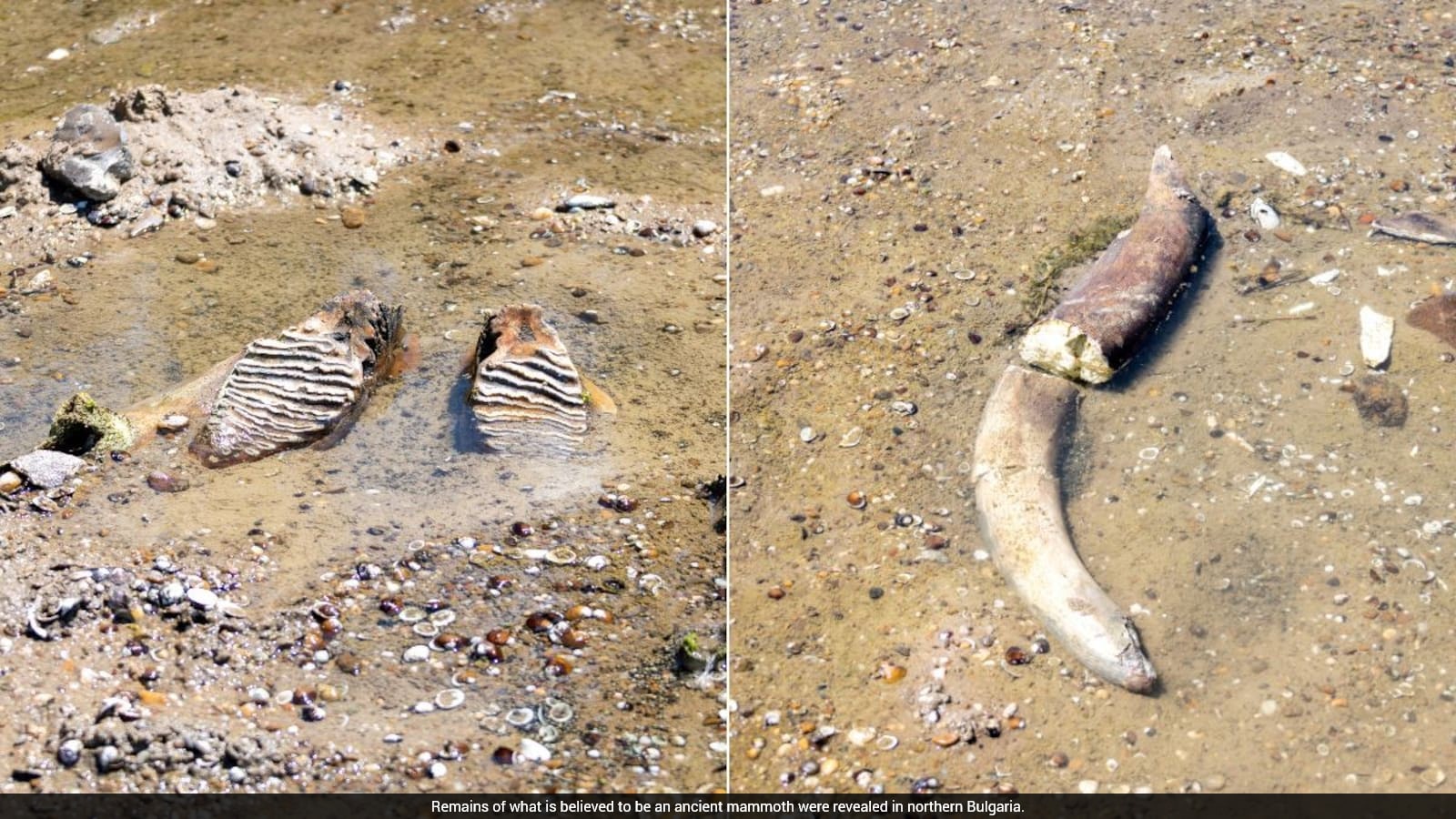
Drying Danube River Exposes WWII Battleships, Prehistoric Fossils
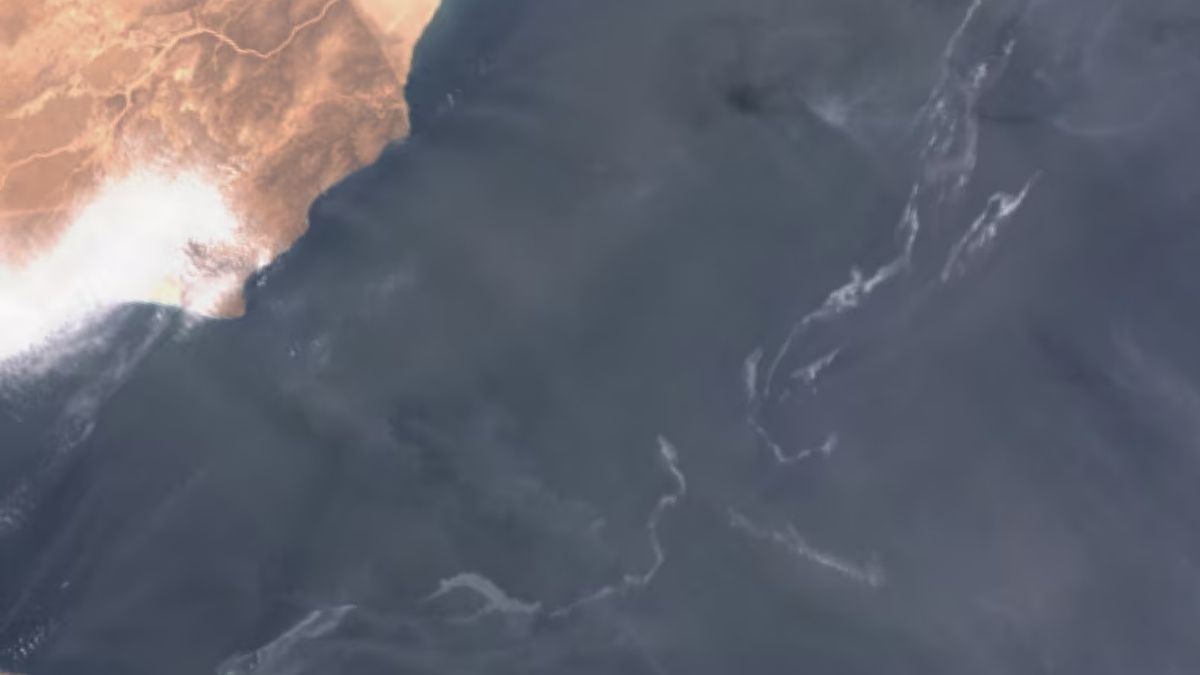
Caroline Bezengi Oil Spill Reaches Oman Coast, Threatening Marine Life
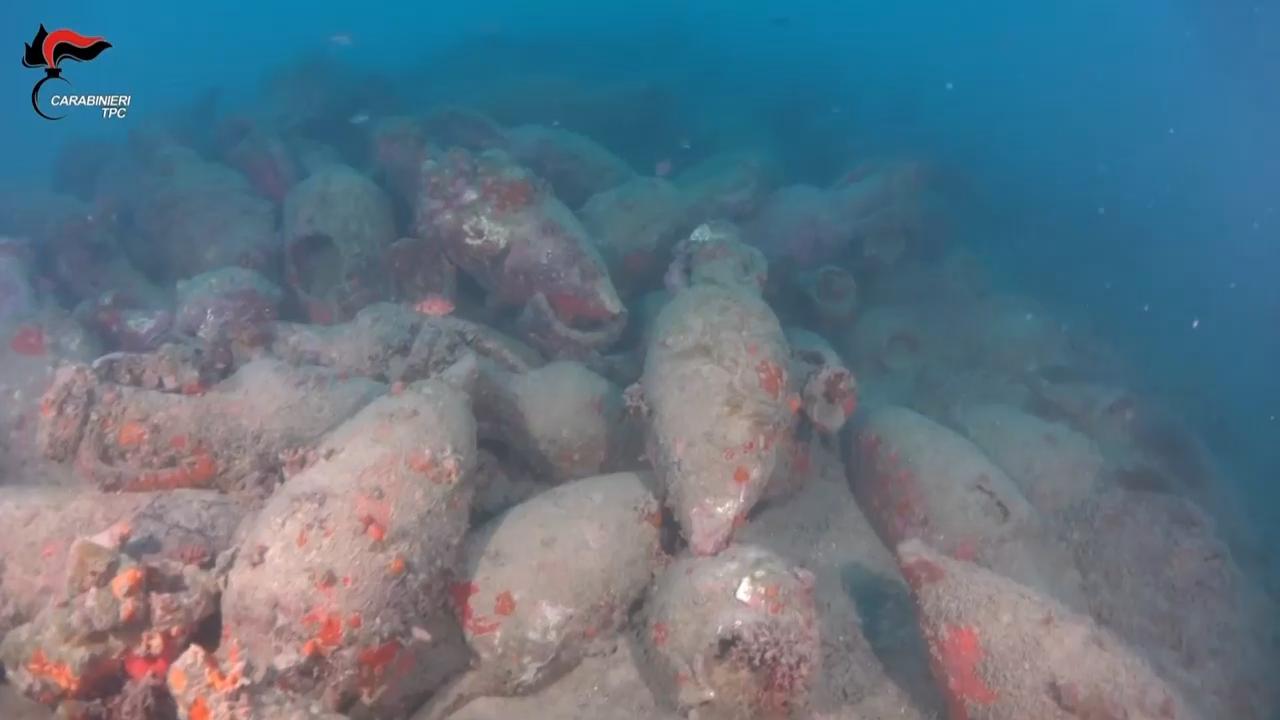
Ancient Roman Shipwreck With Hundreds of Amphorae Discovered Off Sicily
Iran Seizes Cargo Vessel in Strait of Hormuz Over Pollution

Romania destroys Gerbera drones drifting near Neptun Deep gas project
Oman Oil Spill From Sanctioned Russian Crude Tanker Spreads Widely
Ceuta Protests Intensify as Spain Divides Over Migrant Crisis

Messi's Departure Forces Argentina Into A Post-Golden-Era Rebuild

Leandro Paredes Weighs Argentina Future After Ban, Messi Retirement

2026 Summer Window Features Enzo, Barcola and Salah Moves

Enzo Fernandez Joins Manchester City on Deal Through 2031