3 weeks ago
Languages of Freedom Book Review Explores India's Political Thought
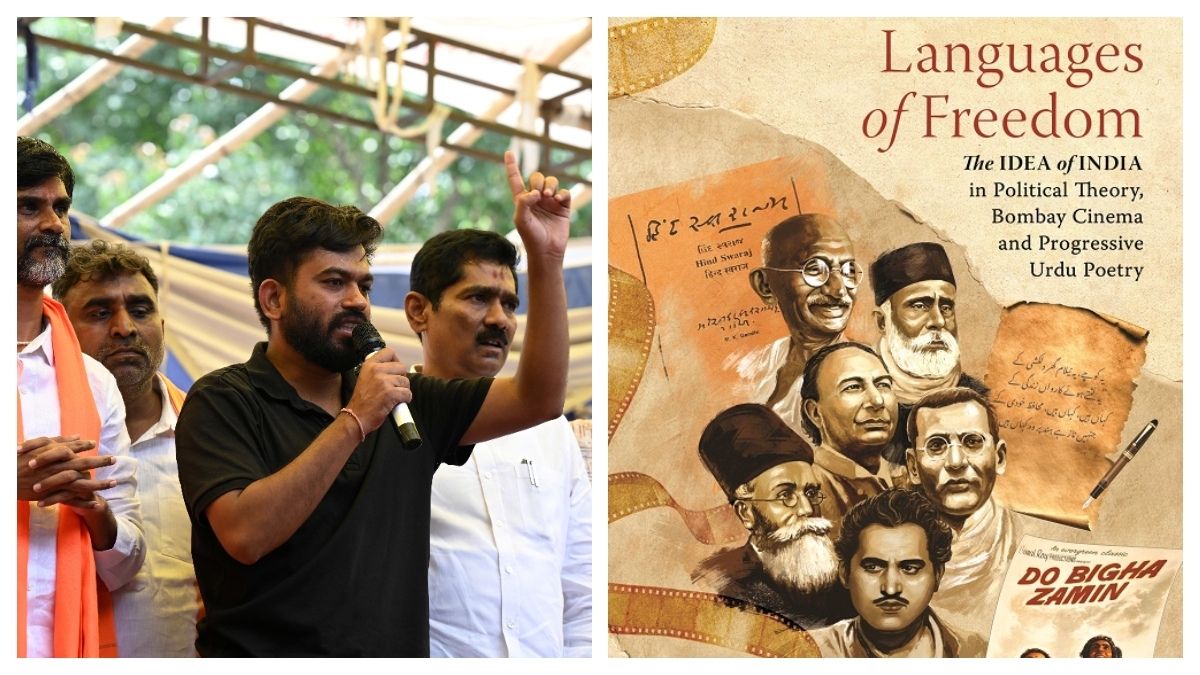
A teacher named Neera Chandhoke has written a new book called 'Languages of Freedom' about freedom in India.
The book looks at politics, old Hindi movies, and poems to explain what freedom means.
It tells how the word 'swaraj,' which means self-rule, was used by leaders like Mahatma Gandhi.
The author says Gandhi was a great man but used words from upper-caste Hindu traditions.
She thinks this left problems for a country with many religions and cultures.
The book also talks about writers in the 1930s who wanted fairness and justice for everyone.
It mentions old Hindi movies that showed how poor people struggled in everyday life.
The author warns that people should not make leaders into heroes, because that can take away our own freedom to think and speak.
The reviewer says the book makes us rethink the ideas that hold our society together.

Political scientist Neera Chandhoke's 'Languages of Freedom: The Idea of India in Political Theory, Bombay Cinema, and Progressive Urdu Poetry' examines how freedom was conceptualised by India's political, literary, and cultural stalwarts.
The book's five essays trace the concept of 'swaraj' from Dadabhai Naoroji's 1906 speech in Calcutta to its use as a tool of non-violent mass mobilisation by Mahatma Gandhi.
Chandhoke discusses the 'Gandhian paradox,' noting that Gandhi's idiom drew on upper-caste Hinduism and that his ideal society foreclosed political struggles.
The book covers the formation of the Progressive Writers' Association in 1936, whose inaugural speech was delivered by Munshi Premchand, and the influence of Hindi cinema through the Indian People's Theatre Association.
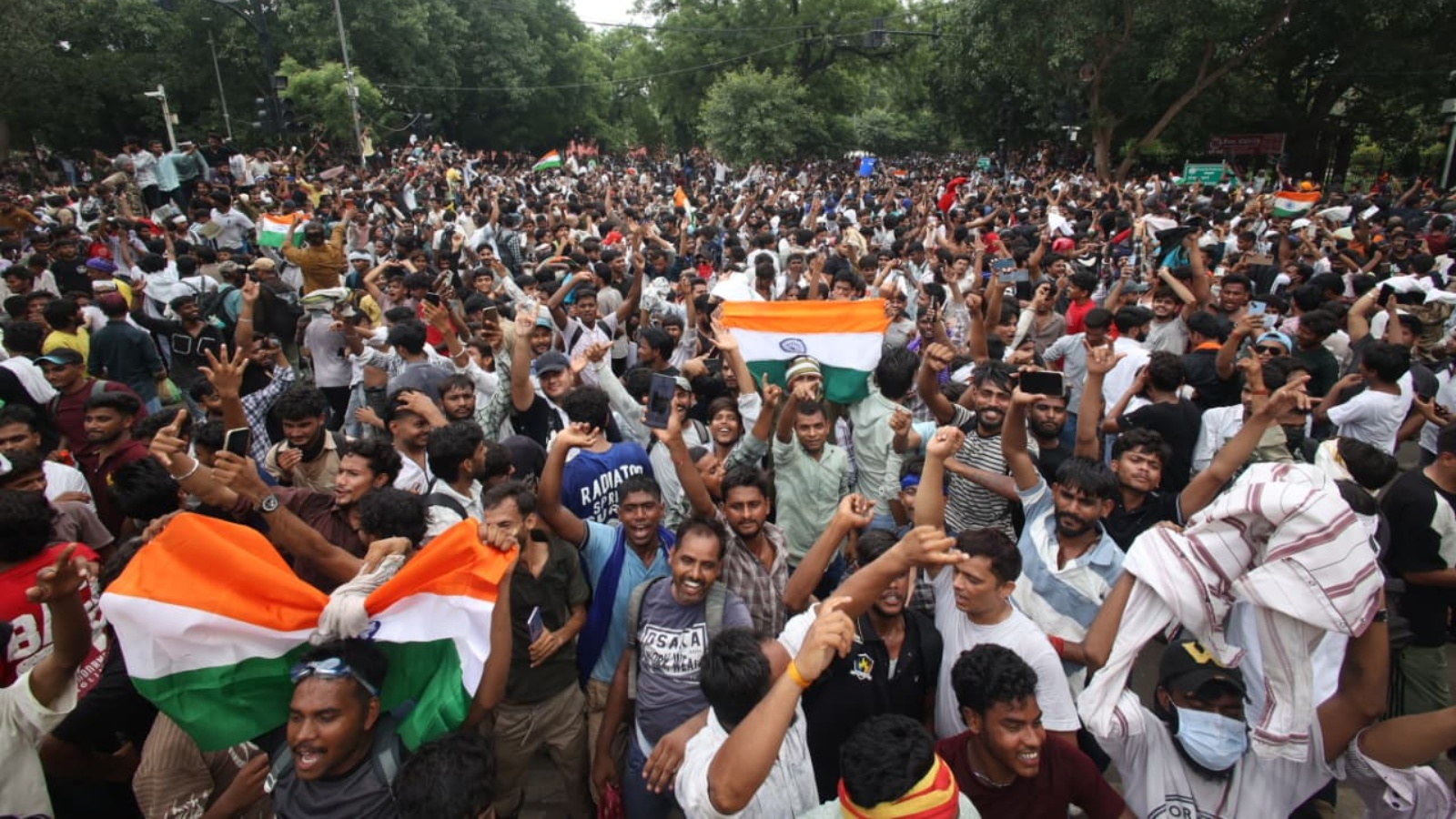
The review opens with student leader Abhijeet Dipke's remark after the resignation of Union education minister Dharmendra Pradhan, warning against making heroes of leaders.
- Who
- Political scientist Neera Chandhoke, author of the book; the review was written by Amitabh Ranjan, a former journalist who teaches at Patna Women's College.
- What
- A book of five essays analysing how freedom was conceptualised in Indian political theory, Bombay cinema, and progressive Urdu poetry, and how it is being threatened by rabid Hindutva nationalism.
- Where
- India; the review references Jantar Mantar in Delhi, Dadabhai Naoroji's 1906 speech in Calcutta, and the Progressive Writers' Association's inaugural meeting in Lucknow.
- When
- The review appeared after July 25, when protesting students gathered at Jantar Mantar following the resignation of Union education minister Dharmendra Pradhan; no year is given in the article.
- Why
- The book argues that Indians' tendency to hero-worship leaders suspends their own liberty, and aims to provoke readers to rethink the ideas that bind society together.
Critical-Progressive View
Dominant-Traditional View
Gandhi's Legacy
Critical-Progressive View
Gandhi's idiom of upper-caste Hinduism (ahimsa, karma, Ram Rajya, sarvodaya) imposed a false homogeneity on a multi-religious society, and his utopian ideal society foreclosed political struggle.
Dominant-Traditional View
Gandhi was a liberal at heart in the line of home-grown moderns like Vivekananda and Aurobindo, and he led some of the most successful mass movements against the British.
Hero-Worship of Leaders
Critical-Progressive View
Making heroes of leaders 'ruins the country' and suspends people's freedom to think, act, and express themselves; Abhijeet Dipke urged people not to make him a hero after Dharmendra Pradhan's resignation.
Dominant-Traditional View
Indians have a troublesome propensity to apotheosise leaders and lay their liberties at the feet of those in power.
Identity of the Urdu Language
Critical-Progressive View
Urdu is a composite cultural bridge shared by Hindus and Muslims, as shown by pre-independence nationalist Urdu newspapers like Pratap, Bande Mataram, Siyasat, Milap, and Inqilab.
Dominant-Traditional View
The popular, more designed than spontaneous, notion holds that Urdu is a language of the Muslims alone.
Key facts
- Book Title
- Languages of Freedom: The Idea of India in Political Theory, Bombay Cinema, and Progressive Urdu Poetry
- Author
- Neera Chandhoke
- Publisher
- Speaking Tiger Books
- Pages
- 336
- Price
- Rs 699
- Number of Essays
- 5
- Reviewer
- Amitabh Ranjan (Patna Women's College)
- Review Context
- Student protests at Jantar Mantar after the resignation of Union education minister Dharmendra Pradhan
Sources
Related news
Neha Bora invokes Tagore's 'mind without fear' in Kolkata
The Day After I-Day: Snapshots of Freedom and Unfreedom
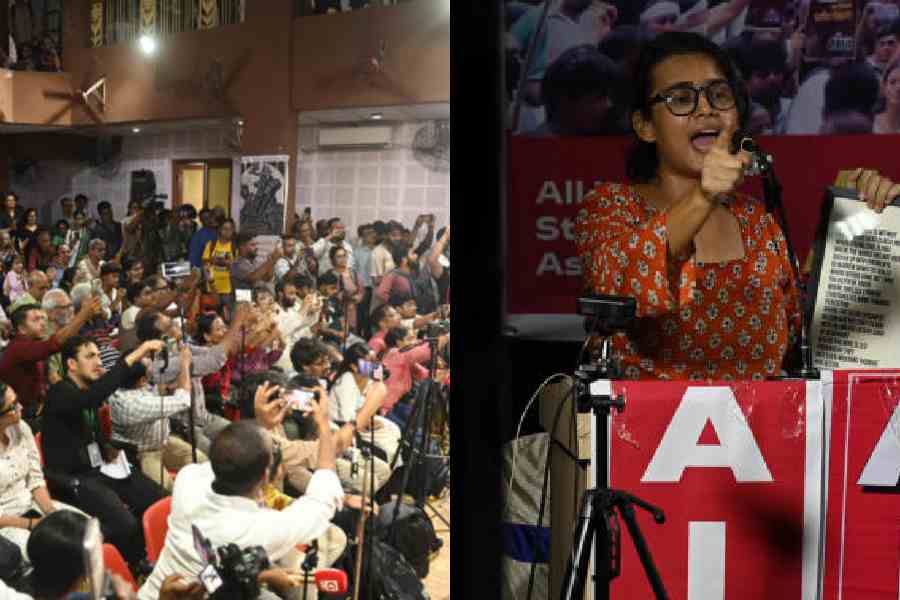
Neha Bora takes mic, demands NTA scrapping, invokes Tagore, Khudiram

The 'Anti-National' Label's Long Career in Indian Politics
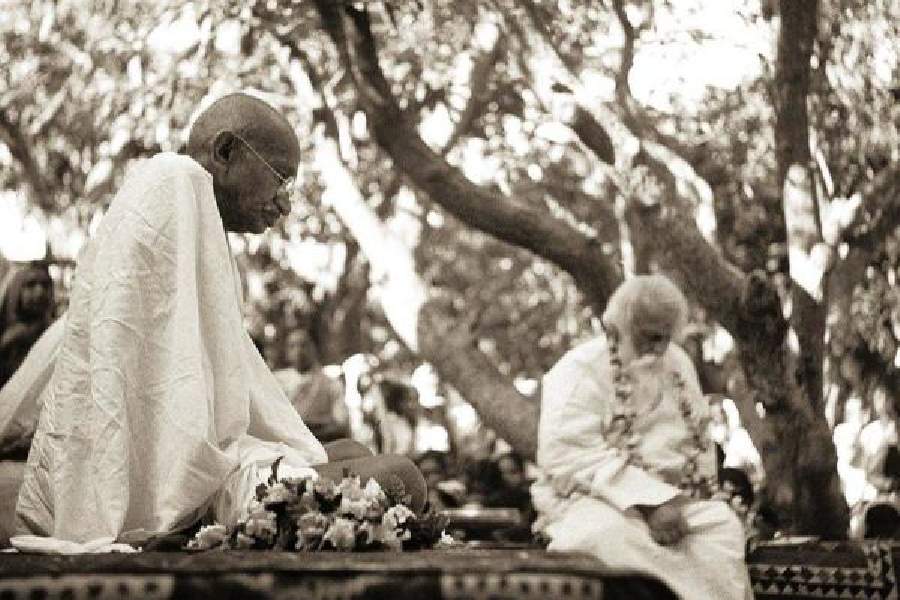
Search for Indianness needs open sky, not parochial Indian theory

Pratap Bhanu Mehta on nationalism between pride and reality
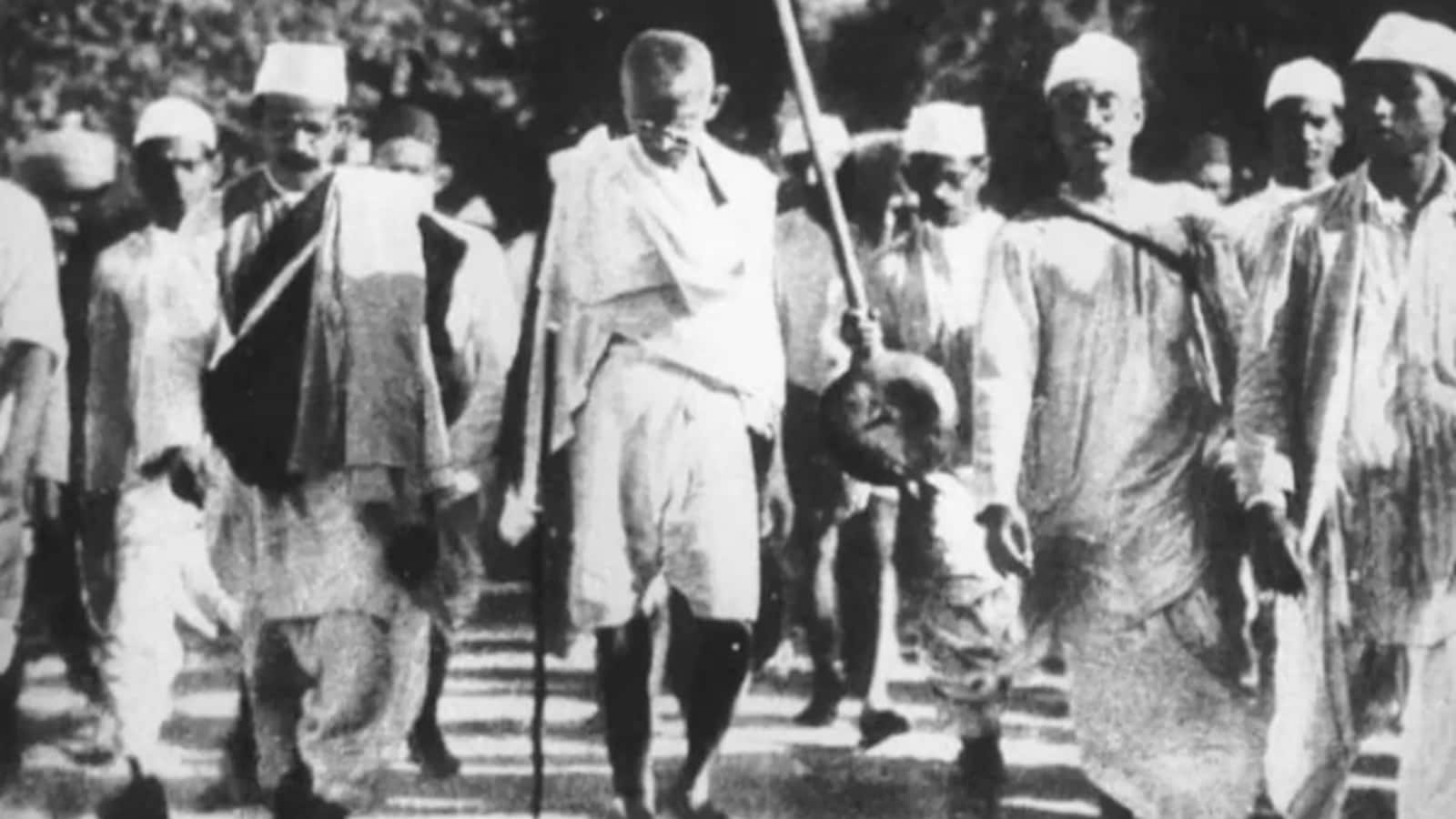
Gandhi, Nehru, Jinnah And Faiz On India's Independence Day
Faiz Ahmad Faiz's Poetry Becomes India's Favourite Anthem of Dissent
Protest at Jantar Mantar for fairer system
Protesters Use Classic Poetry in 2026 Student Uprising