3 weeks ago
The 'Anti-National' Label's Long Career in Indian Politics
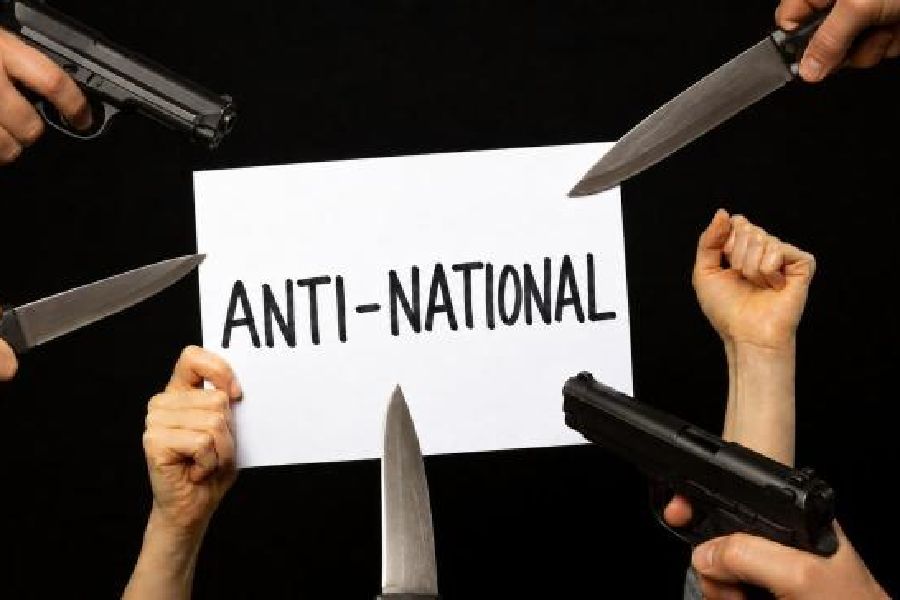
Some people in India use a word, 'anti-national', when they want to call someone a traitor.
A famous writer and historian named Ramachandra Guha wrote an article about how leaders use this word against people who disagree with them.
He says it is a very old trick: a long time ago, a British politician named John Bright was called 'anti-national' for saying his country's war was wrong.
In the 1970s, Indian Prime Minister Indira Gandhi put her critics in prison and said they were secretly working for foreign countries.
Today, supporters of Prime Minister Narendra Modi call critics names like 'urban Naxal' and say they get money from abroad.
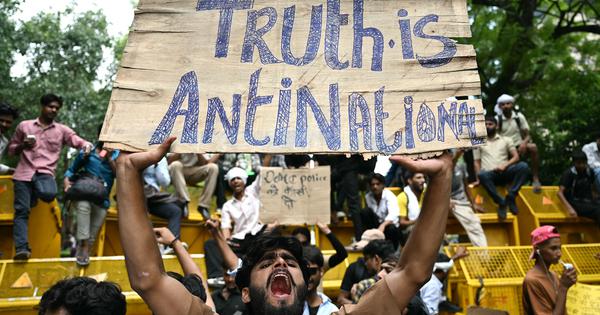
Recently, students in India protested because exam papers were leaked and many cheated.
Some people from the RSS thought the students were paid protesters, but no one showed any proof.
The students made jokes about the government and even called themselves 'cockroaches' to make fun of a judge who used that word.
Guha thinks the real heroes are people who point out when the country does something wrong, just like the leaders Gandhi and Ambedkar did.
He says criticizing your country to make it better is what true nationalists do.

Historian Ramachandra Guha traces how the label 'anti-national' has been used against dissenters in India, from Indira Gandhi to Narendra Modi.
The essay compares today's critics to 19th-century British MP John Bright, who was called 'un-English, anti-national' for opposing the Crimean War.
During the Emergency, Indira Gandhi jailed opposition figures such as Jayaprakash Narayan, claiming a 'foreign hand' was trying to break up the nation.
During recent student protests over examination leaks and education corruption, RSS-aligned voices alleged foreign funding, naming George Soros and 'Deep State' networks.
Guha argues that protesters exposing state wrongs are true nationalists, quoting a student who called the Indian government itself 'anti-national'.
- Who
- Ramachandra Guha, historian and Telegraph India columnist, examining the conduct of Prime Ministers Indira Gandhi and Narendra Modi.
- What
- An essay on the history of the 'anti-national' epithet in Indian politics, covering the Emergency-era 'foreign hand' charge, Modi-era slurs such as 'tukde-tukde gang' and 'urban Naxal', and recent student protests.
- Where
- India; published by Telegraph India, with references to the British House of Commons and Oxford.
- When
- Not dated in the article; it refers to Indira Gandhi's post-1971 Emergency era and protests that had recently taken place at the time of writing.
- Why
- To argue that dissenters who criticize state corruption and injustice are loyal nationalists rather than traitors.
Critics of the state
Government and RSS supporters
Student protests
Critics of the state
Protesters were non-violently drawing attention to corruption in the State education sector, including examination leaks, and are true nationalists.
Government and RSS supporters
Protesters had criminal backgrounds or were funded by foreign powers seeking to break up India, functioning like a professionally managed campaign.
Foreign influence
Critics of the state
Allegations of a 'foreign hand' are unfounded and paranoid, used to silence dissent without evidence.
Government and RSS supporters
Opposition and protest movements are funded by foreign powers such as Pakistan, George Soros, and 'Deep State' networks.
Who is a patriot?
Critics of the state
True nationalists feel shame at state crimes and corruption and call the nation to its better self.
Government and RSS supporters
Indians are divided into deshbhakts (devoted servants of the nation) and deshdrohis (traitors); dissenters belong to the latter.
Key facts
- Author
- Ramachandra Guha
- Publication
- Telegraph India
- Central theme
- The history and use of the 'anti-national' label in Indian politics
- Indira Gandhi-era charge
- 'Foreign hand' behind opposition; critics jailed during Emergency
- Modi-era epithets
- 'Tukde-tukde gang', 'urban Naxals', 'Macaulay putras', 'anti-national'
- RSS claims on student protests
- Foreign funding, links to George Soros and 'Deep State' networks (The Organiser)
- Satirical protest tactics
- Students self-identified as 'cockroaches'
- Historical precedents cited
- John Bright; Piloo Mody ('I am a CIA agent'); Girish Karnad ('I am an urban Naxal')
Quotes

Indira Gandhi
Former Indian Prime Minister who declared Emergency in 1975
“"The aim of the Opposition parties was obvious…to paralyse the Government and indeed all national activity and thus walk to power over the ‘body’ of the nation."”
 telegraphindia.com
“"How indeed can I, any more than any of you be un-English and anti-national? Was I not born upon the same soil?"”
telegraphindia.com
Student protester from Uttar Pradesh
Female student involved in recent Delhi student protests
“"People who speak against the Indian government are ‘anti-national’…the government itself is anti‑national."”
telegraphindia.com
Sources
Related news
Ramachandra Guha: Student Protesters, Not Sangh Critics, Are True Nationalists
Opposition leaders hit back at Modi's 'dimagi Naxal' remark
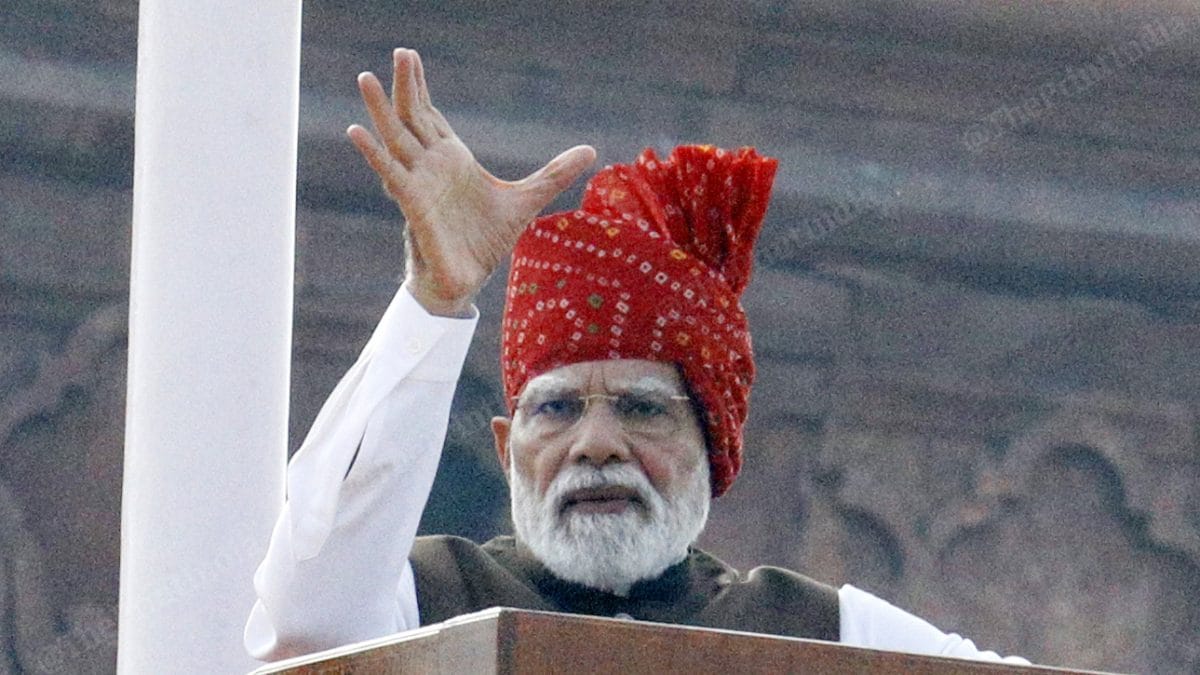
'Dimagi Naxal' remark shows Modi running out of enemies

Tavleen Singh Challenges ‘Dimagi Naxal’ Label, Defends Dissent

Letters: Trolls, 'Anti-National' Labels and Banerjee Convoy Attack
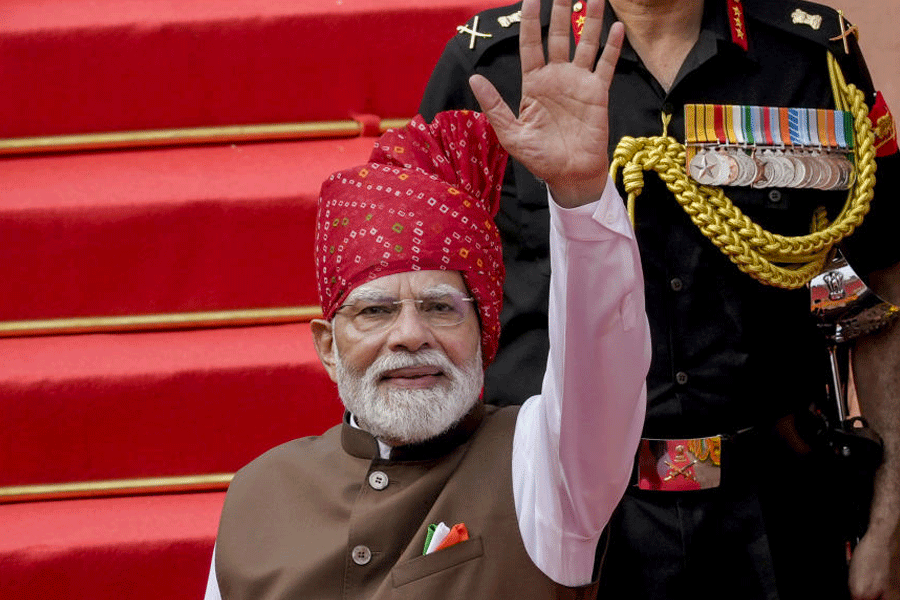
Modi's 'Dimaagi Naxal' remark sparks political row over dissent
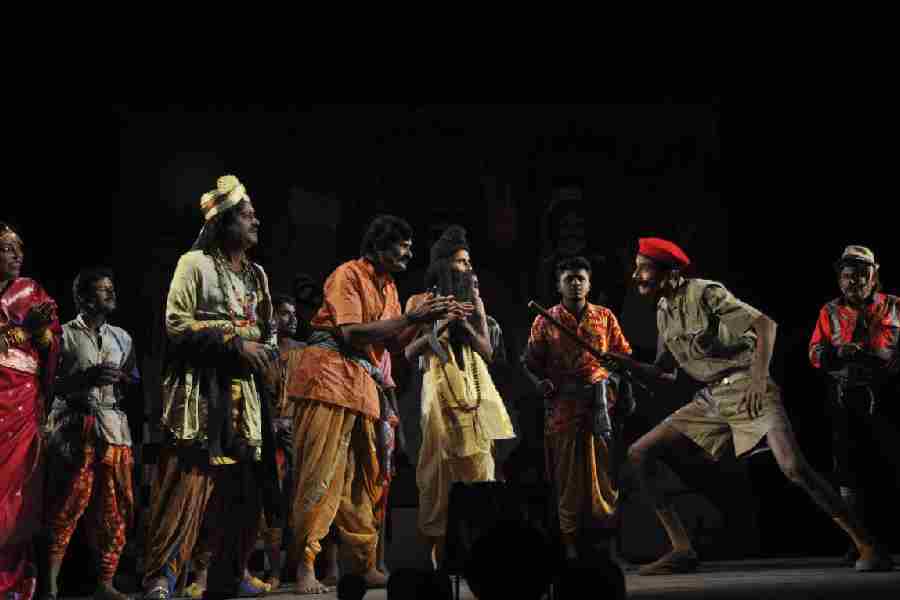
Bohurupee Revives Kinu Kaharer Thetar in Centennial Tribute

Subhash Ghai Revisits Iqbal With Pride After Two Decades
Shekhar Suman Recalls Performing Through Son’s Terminal Illness