

2 weeks ago
Pratap Bhanu Mehta on nationalism between pride and reality

Every year, India celebrates its Independence Day.
On this day, leaders give speeches about how great the country is.
An writer named Pratap Bhanu Mehta thought carefully about these speeches.
He says there are two ways people talk about the nation.
One way makes people feel proud and happy about their country.
The other way looks at real problems, like poverty and fear.
Mehta read old poems that made fun of fake patriotism.
He also studied speeches by past prime ministers like Nehru and Shastri.
Nehru warned that India must be strong or it will fall, and Shastri spoke honestly about a food crisis.
Mehta thinks leaders today use big words like 'Viksit Bharat' but should also fix real problems.
He wants people to be honest about challenges, not just proud.

Pratap Bhanu Mehta's essay contrasts the 'pleasure principle' of nationalist pride with the 'reality principle' of India's actual condition.
He analyzes Raghuvir Sahay's poem 'Adhinayak', in which the impoverished citizen Harcharan sings the national anthem without true freedom or prosperity.
Nissim Ezekiel's 1977 poem 'The Patriot' mocked superficial nationalism during the Emergency, and its themes still apply almost verbatim today.
Nehru's 1960 Independence Day speech confronted India's fragility and uncertainty, while Shastri's first speech as Prime Minister addressed a catastrophic food crisis.
Mehta says the Viksit Bharat framework puts a 2047 timeline on 'Ram Rajya', but Modi's speeches focus on satisfying nationalist pride rather than the reality principle.
- Who
- Pratap Bhanu Mehta, contributing editor of The Indian Express, analyzing Independence Day nationalism, with references to leaders Nehru, Shastri and Modi.
- What
- An essay contrasting the 'pleasure principle' of nationalist pride with the 'reality principle' of India's actual state, drawing on poems by Raghuvir Sahay and Nissim Ezekiel and on prime ministerial speeches.
- Where
- India.
- When
- Around India's Independence Day; references include Nehru's 1960 speech, Ezekiel's 1977 poem and Modi's speeches since 2014.
- Why
- To examine whether Independence Day discourse balances national pride against confronting the nation's real weaknesses such as deprivation, fear and performative tradition.
Pleasure principle: nationalist pride
Reality principle: critical realism
National pride vs national condition
Pleasure principle: nationalist pride
Nationalism should affirm India's grandeur and offer a vicarious sense of pride, achievement and hope; no political project or politician can thrive without evoking pride and self-belief.
Reality principle: critical realism
The actual state of the nation, including authoritarianism, material deprivation and the maintenance of illusion, must be confronted, as Sahay's poem, Ezekiel's satire and Nehru's speeches tried to do.
Viksit Bharat and the 2047 timeline
Pleasure principle: nationalist pride
The Viksit Bharat framework puts a firm timeline on 'Ram Rajya's' arrival, converting Ezekiel's uncertain 'one day' into a concrete target year of 2047.
Reality principle: critical realism
Modi's approach is trapped in circular logic where speaking bombastically of greatness is treated as evidence of greatness, while national self-esteem has outrun what municipal councils have actually achieved.
Key facts
- Author
- Pratap Bhanu Mehta, contributing editor, The Indian Express
- Central theme
- Tension between the 'pleasure principle' (national pride) and the 'reality principle' (actual state of the nation)
- Poems analyzed
- 'Adhinayak' by Raghuvir Sahay; 'The Patriot' by Nissim Ezekiel
- Nehru's Independence Day speech
- 1960, emphasized fragility, uncertainty and no 'middling status' for India
- 'The Patriot' written
- 1977, during the Emergency
- Modi's vision
- Viksit Bharat framework, with 2047 as the timeline for 'Ram Rajya'
- Swachh Bharat Abhiyan
- Launched in 2014, forcefully confronted India's filth
- Gandhi quote cited
- 'Our besetting sin is not our differences, it is our littleness'
Sources
Related news
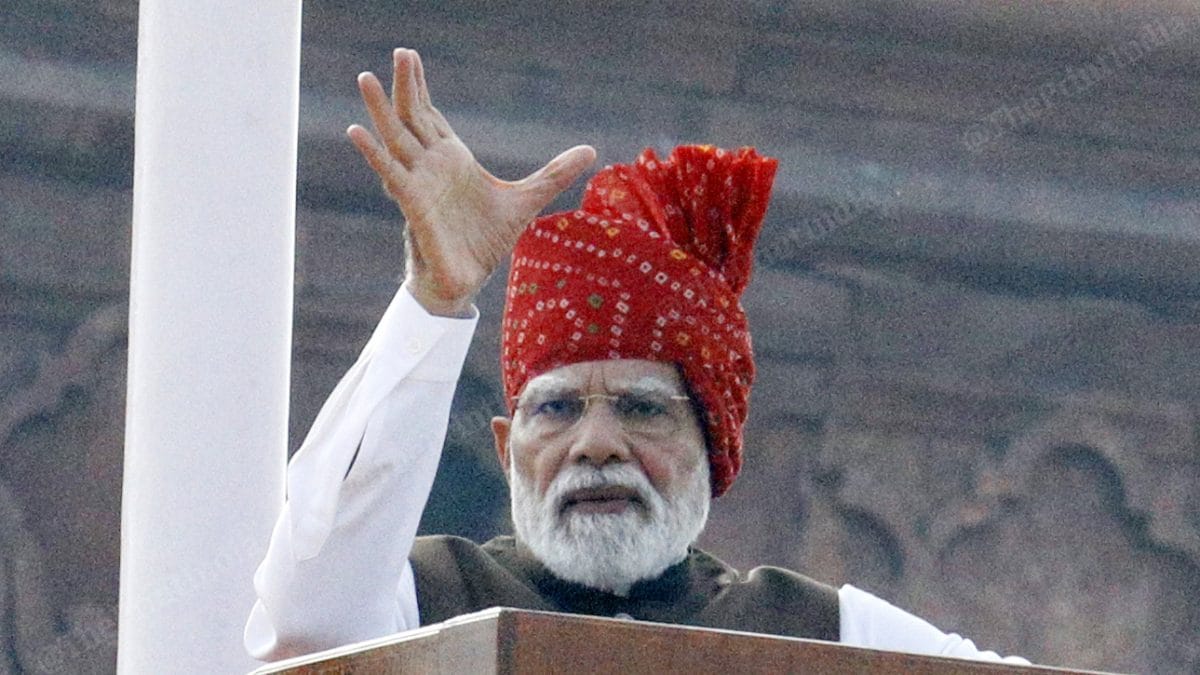
'Dimagi Naxal' remark shows Modi running out of enemies
How Bollywood Patriotic Films Taught Generations of Indians Patriotism

India Celebrates 80th Independence Day with Calls for Responsibility
Languages of Freedom Book Review Explores India's Political Thought

Modi Calls for Big Dreams on 80th Independence Day

Mehbooba Mufti Asks Centre to Reflect on India's Constitutional Vision
Putin Faces Western Isolation While Russia Builds Non-Western Ties
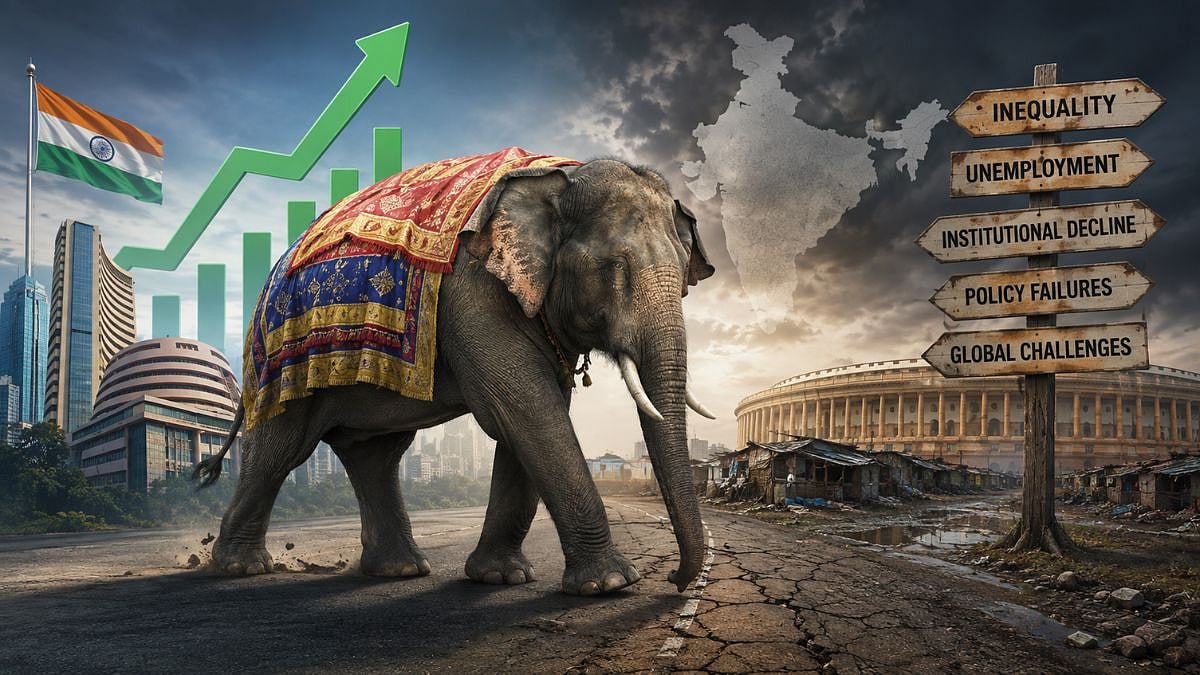
India’s Global Power Ambitions Face Economic and Democratic Setbacks
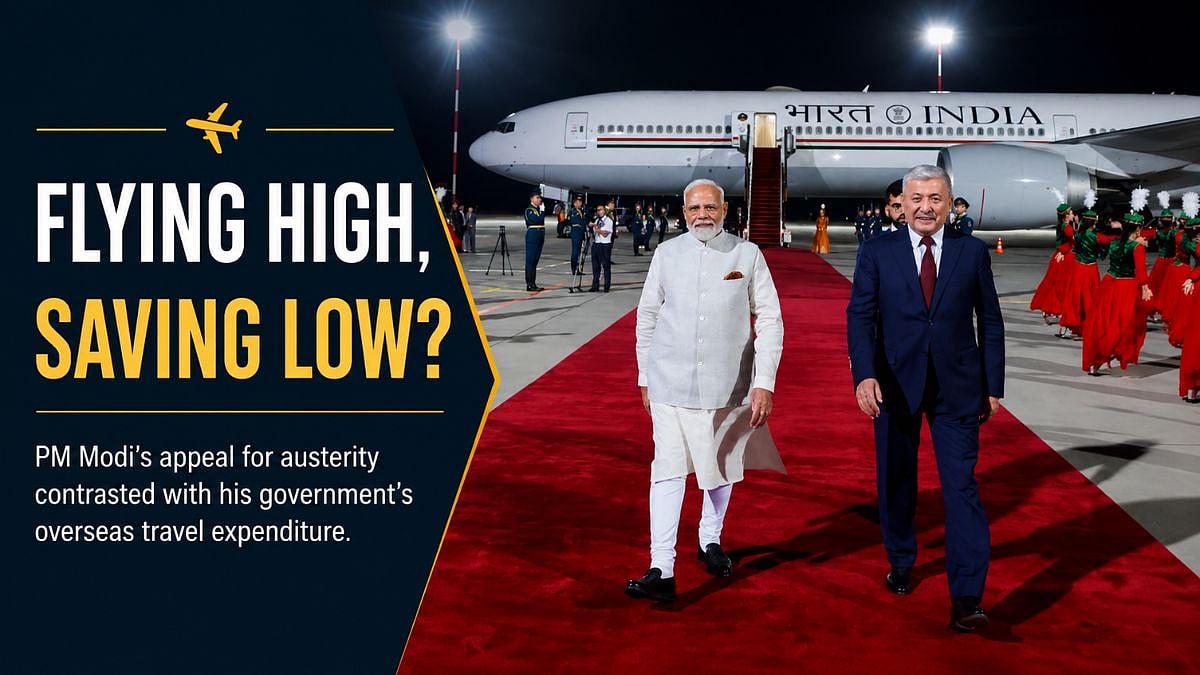
Modi’s Frugality Appeal Contrasts With Extensive Foreign Travel
Modi Sets Roadmap for Collaborative, Water-Secure India’s Future
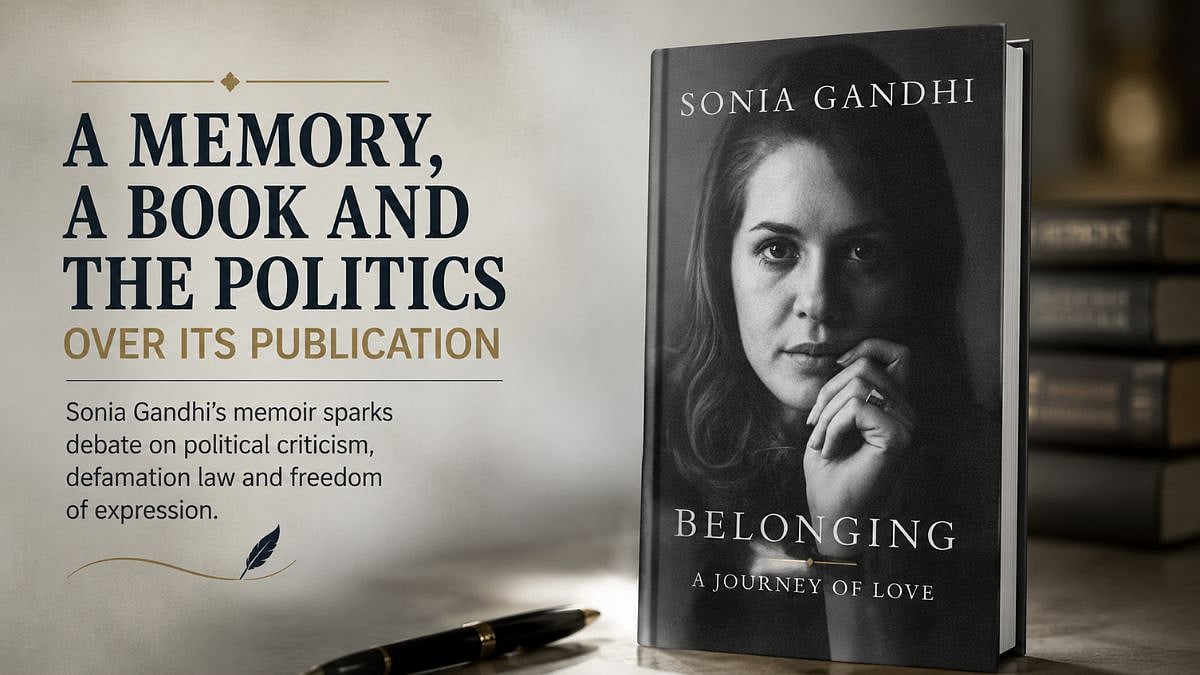
Sonia Gandhi Memoir Sparks Debate Over Politics, Publishing And Speech
