

2 weeks ago
Gandhi, Nehru, Jinnah And Faiz On India's Independence Day
A long time ago, Britain ruled over India.
In 1947, Britain's leader, Clement Attlee, said Britain would leave India.
So on August 15, 1947, India became a free country.
At the same time, a new country called Pakistan was also created.
India's first leader, Jawaharlal Nehru, gave a famous speech in the middle of the night.
The gentle peace leader Mahatma Gandhi was not at the big celebrations.
Instead, he was walking barefoot through villages in a place called Noakhali, asking Hindus and Muslims to promise not to hurt each other.
A poet named Faiz was in Srinagar and wrote a sad poem saying this dawn of independence was not the bright morning people had hoped for.
So independence was a happy time for some, but for many people it was also a sad and scary time.

British Prime Minister Clement Attlee announced on February 20, 1947 that Britain would leave India, and Viceroy Lord Louis Mountbatten published a June 3 plan to transfer power within 72 days.
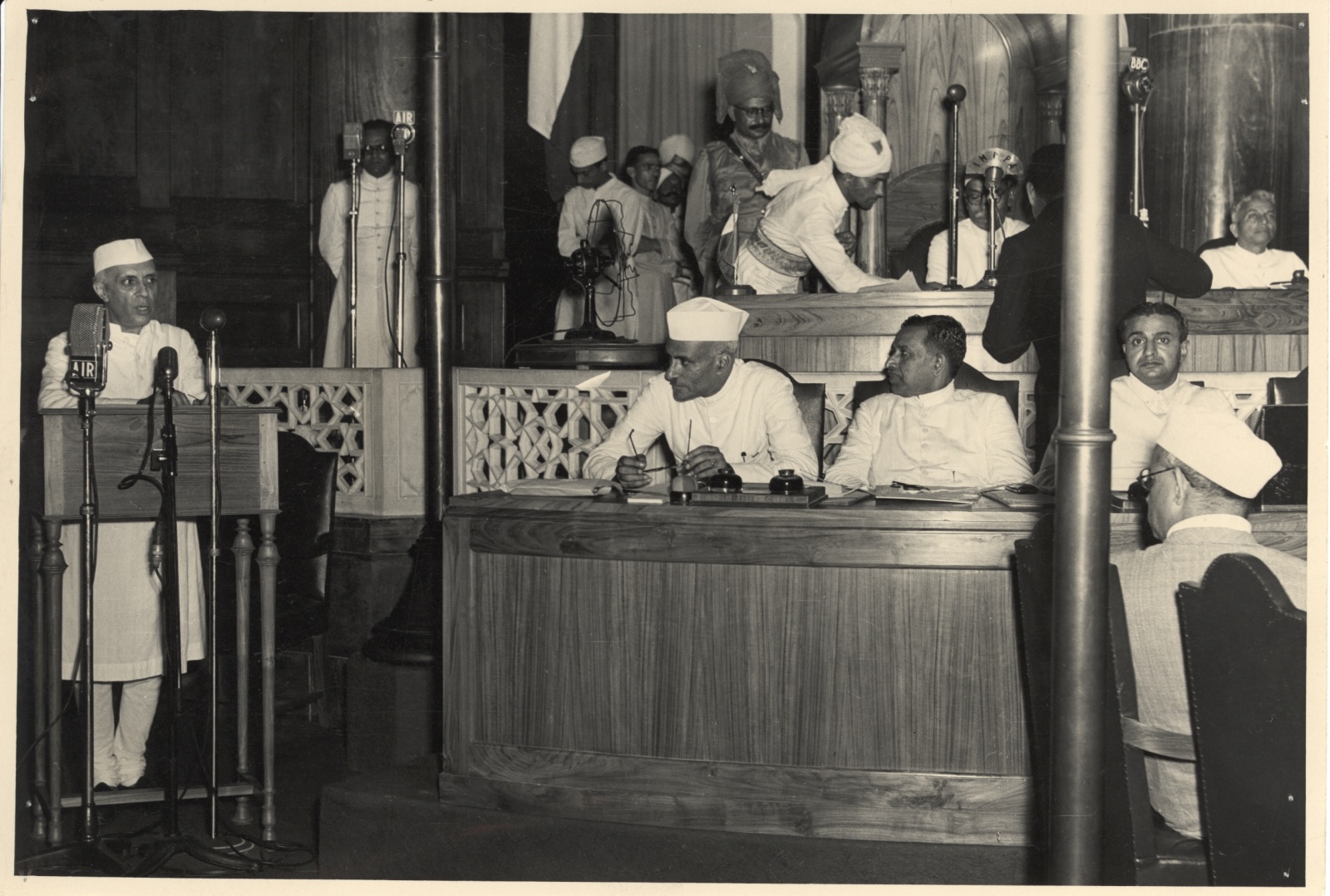
Nehru delivered his historic 'Tryst with Destiny' speech at midnight in Parliament and invited Mountbatten to be independent India's Governor-General, handing him an envelope that allegedly contained no minister list.
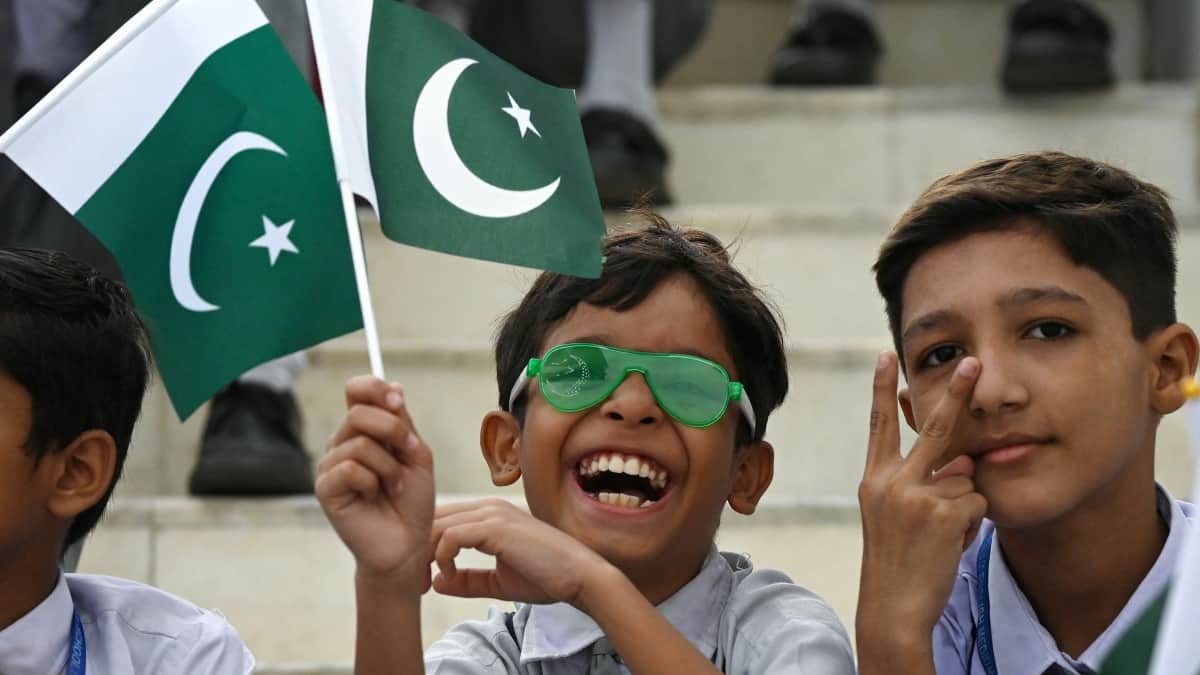
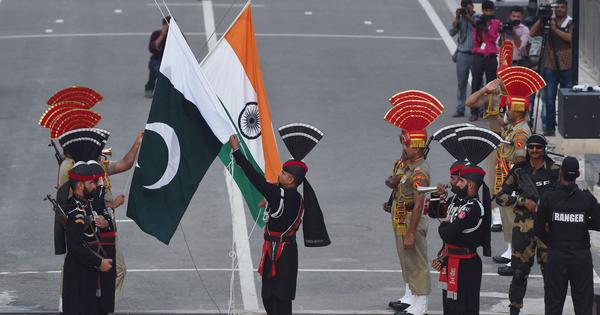
Although the Indian Independence Act set August 15 as the date for both dominions, Pakistan officially came into being on August 14 because Mountbatten had to travel from Karachi to New Delhi.
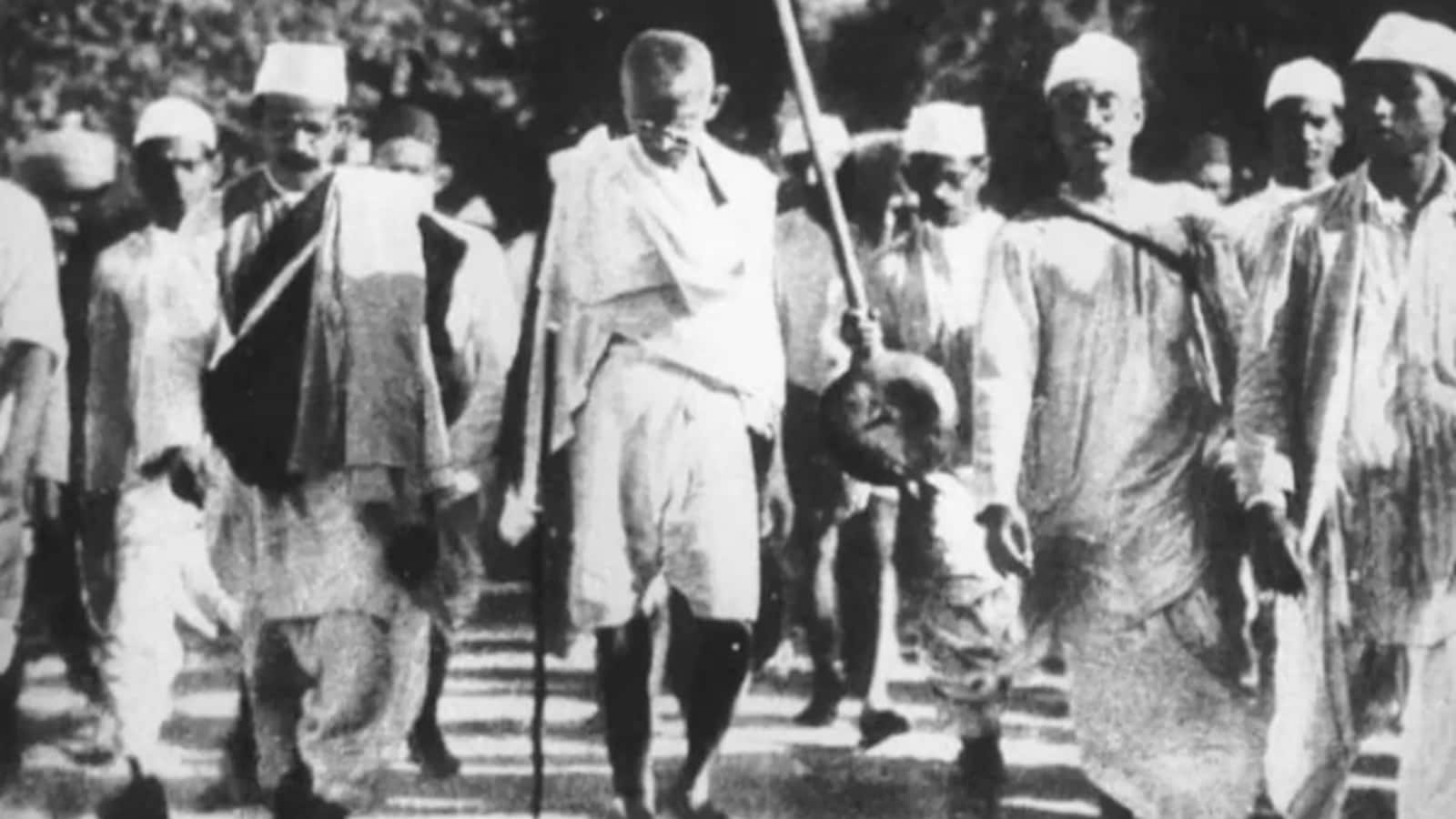
Gandhi spent independence day walking barefoot in Noakhali, Bengal, urging Hindus and Muslims to pledge peace, and once played ball with village children to shame adults into courage.
Poet Faiz Ahmad Faiz, then in Srinagar, wrote 'Subh-e Azadi' (Dawn of Independence), lamenting that 'this stained, tainted light' was not the morning people had awaited.
- Who
- Jawaharlal Nehru (India's first Prime Minister), Mahatma Gandhi, Mohammad Ali Jinnah, Lord Louis Mountbatten, and poet Faiz Ahmad Faiz
- What
- The events of August 15, 1947, when India gained independence from Britain and the subcontinent was partitioned into India and Pakistan
- Where
- India (New Delhi, Noakhali in Bengal, Srinagar) and Pakistan (Karachi)
- When
- August 14–15, 1947
- Why
- Britain decided to leave India and transfer power, with the partition dividing the army, civil service, railways, police, and assets
Celebratory view
Critical view
Meaning of August 15, 1947
Celebratory view
Nehru's 'tryst with destiny' speech framed independence as the fulfillment of a long-held pledge, marking it as a red-letter day of national triumph.
Critical view
Civil servant SS Gill called the day 'Grey Dawn,' and Faiz's poem said the 'night-bitten dawn' was not the awaited morning, pointing to the violence of partition.
Congress peace-workers' role
Celebratory view
Gandhi doubted the Congress peace-workers truly tried to save lives, noting that none of them had died in the violence.
Critical view
Subhadra Joshi insisted that peace-workers tried to stop the violence but the police simply did not listen.
Key facts
- Independence day
- August 15, 1947
- Departure announcement
- February 20, 1947 (Clement Attlee)
- Transfer of power plan
- June 3, 1947 (Mountbatten)
- Indian Independence Act
- July 18, 1947 (British Parliament)
- Pakistan's official formation
- August 14, 1947
- India's first Prime Minister
- Jawaharlal Nehru
- Independent India's first Governor-General
- Lord Louis Mountbatten
- Gandhi's location on August 15
- Noakhali, Bengal
Quotes

Jawaharlal Nehru
India's first Prime Minister, delivering the midnight Independence address
“"Long ago we made a tryst of destiny, and now the time comes when we shall redeem our pledge…"”
 NDTV
NDTV
“"You have no courage, but if you want that courage, induct it from your children."”
NDTV
Sources
Related news
Why India and Pakistan Celebrate Independence Day One Day Apart
Pakistan's 1947 bid to fly flag at London's India House
Why Astrologers Opposed August 15 as India Independence Day
Why India Celebrates Independence Day on August 15
