3 weeks ago
WMO Forecasts Strong El Niño to Intensify Heat, Disrupt India Monsoon
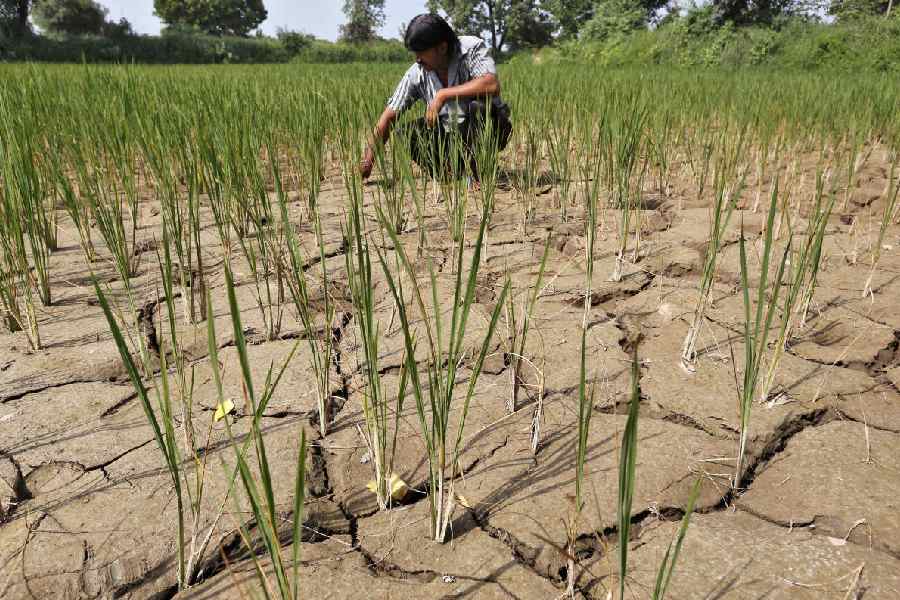
A big weather pattern called El Niño is getting stronger, and it can make some places much hotter and drier.
The World Meteorological Organisation, a group of weather experts, says this will happen from August to October.
India will feel this change a lot, with hotter weather and less rain than usual.
This matters because many farmers in India need monsoon rain to grow food.
Scientists say the ocean is getting warmer too, which makes the weather change even stronger.
There is also another weather pattern called the Indian Ocean Dipole that might bring some extra rain to help.
Even the weather experts disagree—some think there will be much less rain, while others think the rain will be mostly okay.
People who study the Earth say that burning fossil fuels like coal and oil is making this problem worse.
The leader of the United Nations warned that this is just the beginning of hotter times.

The World Meteorological Organisation predicts El Niño will intensify into a strong event during August-October 2026.
Above-normal temperatures and a high probability of below-normal rainfall are forecast for the Indian subcontinent.
Sea surface temperatures are expected to rise about 2.9°C during August-October, impacting the Indian monsoon.
A positive Indian Ocean Dipole phase may partially offset El Niño's drying effect on India.
IMD Director-General Mrutyunjay Mohapatra expects less than 94 per cent rainfall versus the long-term average, while former DG K.J. Ramesh expects rainfall to hold near normal.
UN Secretary-General António Guterres linked El Niño to fossil fuel-induced climate change, calling it a 'warm-up act.'
- Who
- The World Meteorological Organisation (WMO), UN Secretary-General António Guterres, and India Meteorological Department officials Mrutyunjay Mohapatra and K.J. Ramesh.
- What
- A forecast that a strong El Niño will cause above-normal temperatures and below-normal rainfall across the Indian subcontinent.
- Where
- The Indian subcontinent, with specific heat impacts expected in northern, central and western India.
- When
- August-October 2026, with the El Niño intensifying during this period.
- Why
- El Niño strengthening, amplified by fossil fuel-induced climate change and rising sea surface temperatures.
IMD Director-General View
Former IMD Director-General View
Rainfall impact of El Niño
IMD Director-General View
Mrutyunjay Mohapatra expects below-normal rainfall of less than 94 per cent of the long-term average during August-September.
Former IMD Director-General View
K.J. Ramesh argues rainfall may not diminish substantially because weather dynamics such as the Indian Ocean Dipole and western disturbances cushion El Niño's impact.
Interpretation of July rainfall
IMD Director-General View
The WMO and IMD forecast drier-than-average conditions for the region.
Former IMD Director-General View
Ramesh notes July rainfall was slightly above normal despite models predicting below-average rain, suggesting models may overstate deficits.
Key facts
- Forecasting body
- World Meteorological Organisation (WMO), Geneva
- Sea surface temperature rise
- About 2.9°C during August-October
- Forecast Indian Ocean Dipole
- Positive phase, seasonal mean of 0.6°C
- IMD rainfall forecast
- Less than 94 per cent of long-term average during August-September
- Period of impact
- August-October 2026
- Affected region
- Indian subcontinent; hotter in northern, central and western India
Quotes
Mrutyunjay Mohapatra
Director-general of the India Meteorological Department
“We expect less than 94 per cent rainfall, compared with the long-term average, during August-September while the temperature will also increase in certain parts of the country.”
 telegraphindia.com
“El Niño is not just on our doorstep — it is inside the house and turning up the heat. And this is only a warm-up act.”
telegraphindia.com
Sources
Related news
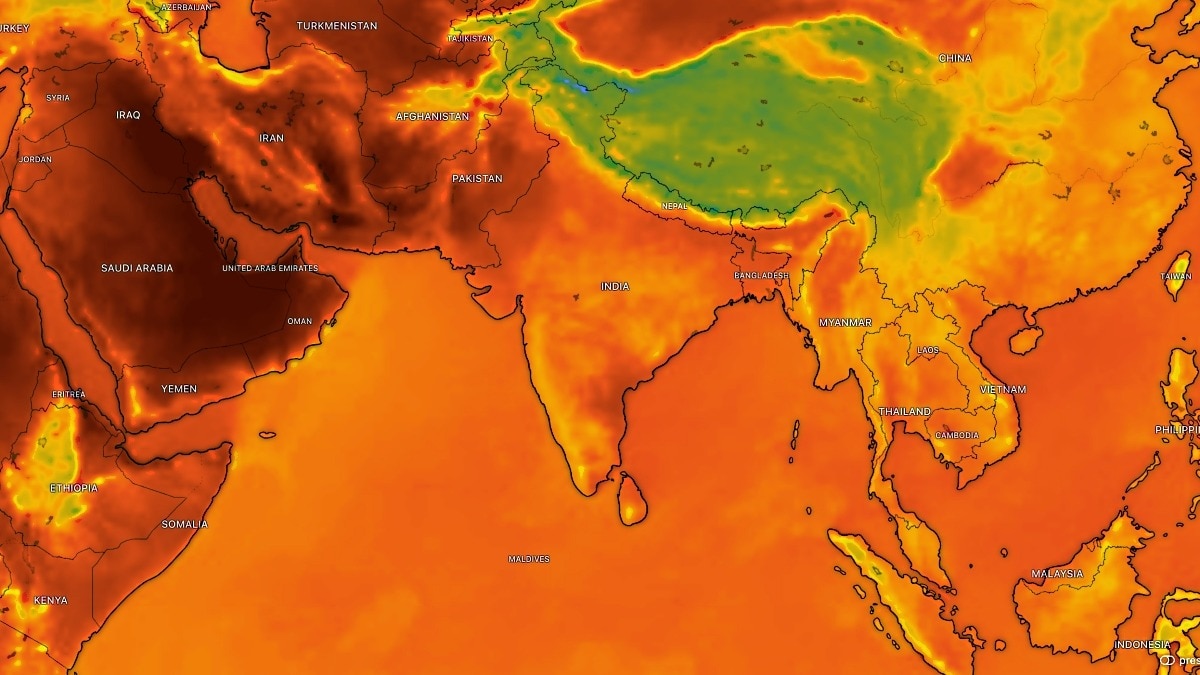
El Niño Threatens India’s September Rainfall After Hottest August

India’s Hottest August Since 1901, September Rainfall Forecast Below Normal
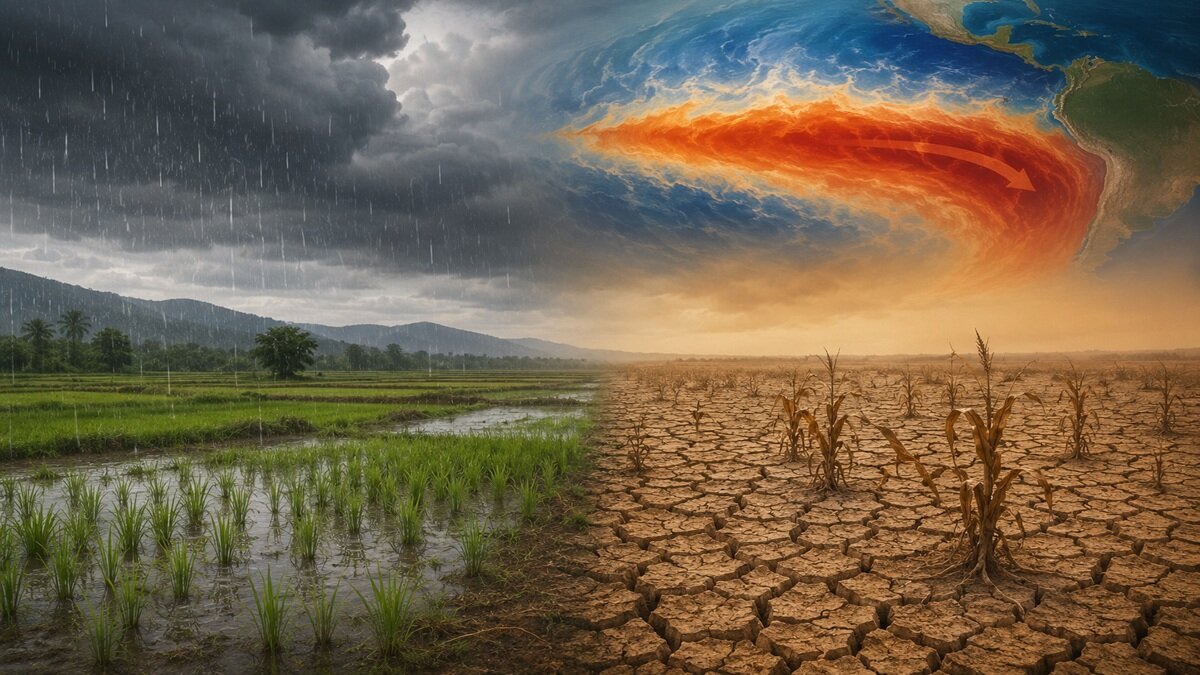
Historic El Niño to develop by year-end, US agency says

Strong El Niño Threatens India’s Monsoon, Raises 2027 Heat Risk
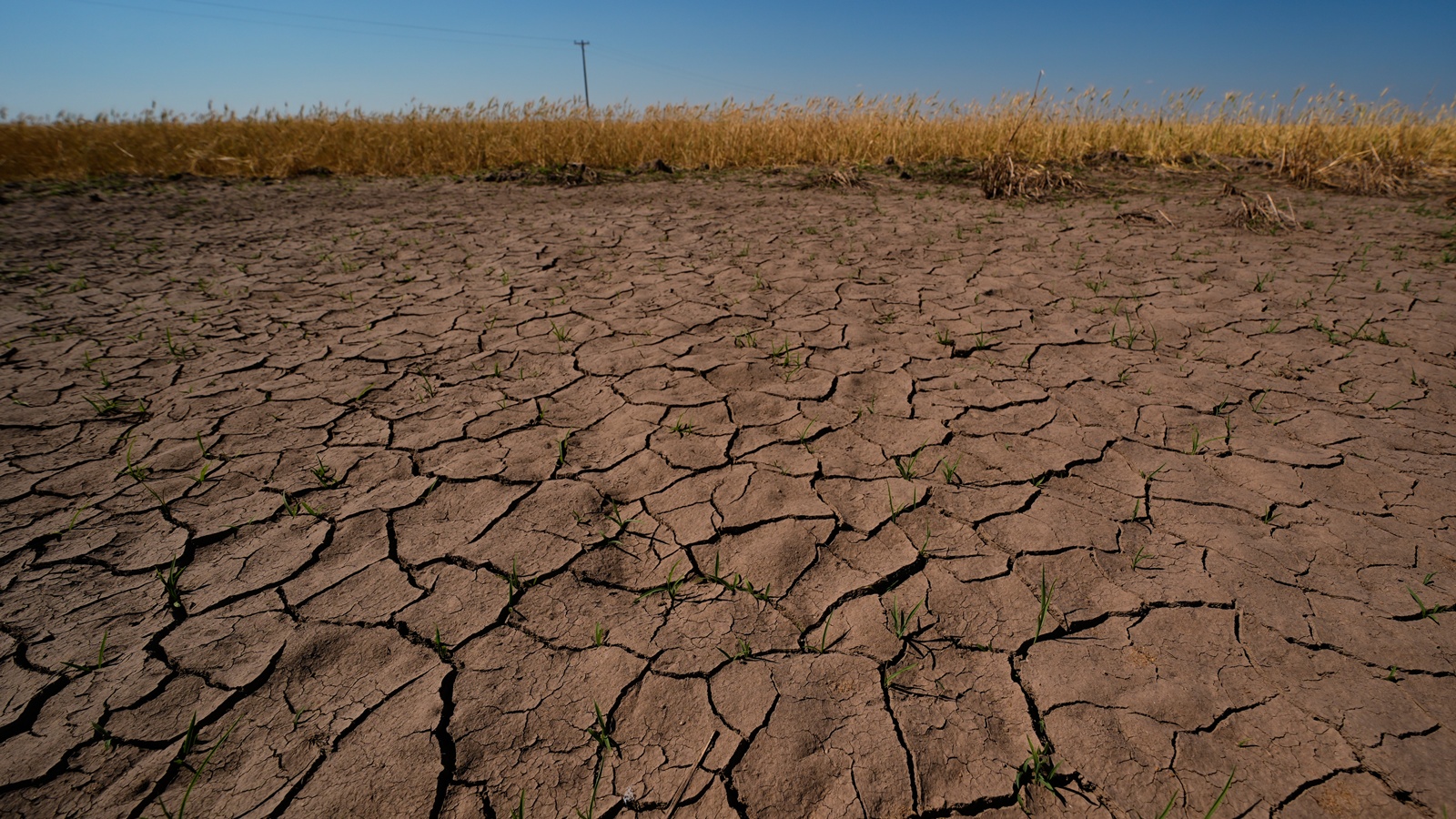
Powerful El Niño Could Make 2027 Hottest Year
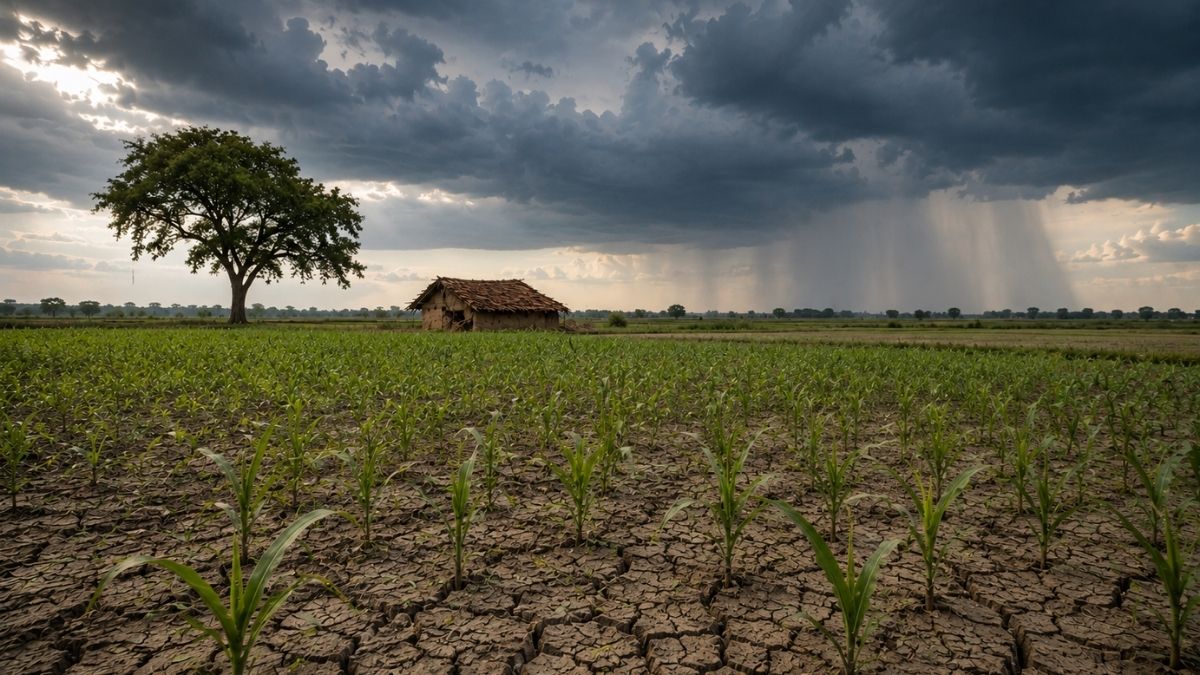
India’s Monsoon Faces 15% Deficit as El Niño Strengthens

Jinnah's reported despair over Partition: 'What have I done?'

Biography Reopens Debate on Nehru's Role in Partition

India's Potato Sector Seeks Budget 2026 Reforms
Mountbatten's Revelation: Jinnah's Health May Have Avoided Partition