3 weeks ago
India assessing security implications of Pakistan-Saudi-Turkiye pact
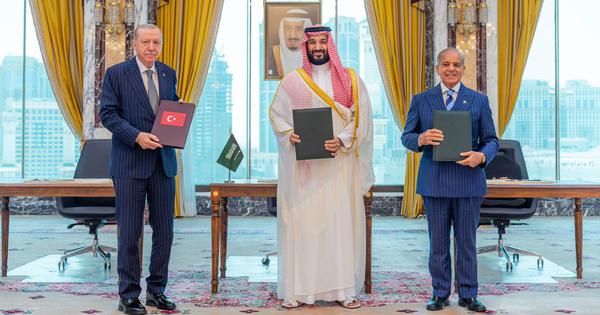
Three countries made a new promise to help keep each other safe.
Saudi Arabia, Pakistan and Turkiye signed an agreement in the city of Mecca on August 7.
The agreement says that if one of them is attacked, the other two will treat it as an attack on all three.
The countries also plan to work together on military equipment like drones, ships and air defence.
India is not part of this group, and its leaders said they are studying the agreement carefully.
India wants to know what the pact means for its own safety and for peace in the region.
Saudi Arabia said the pact is not a military alliance or a religious group and does not involve nuclear weapons.
Turkiye said the pact does not target any particular country and could later include other countries.
Some people compare the pact to NATO, but experts say it is not really an 'Islamic Nato' yet.
India says it will take all necessary steps to protect its national interests.

India's Ministry of External Affairs said it is examining the defence pact's implications for national security and regional peace and stability.
Saudi Crown Prince Mohammed bin Salman, Turkish President Recep Tayyip Erdogan and Pakistani PM Shehbaz Sharif signed the Mecca Joint Defence Agreement on August 7.
The pact stipulates that an armed attack on any one signatory will be treated as an attack on all three, based on collective self-defence under Article 51 of the UN Charter.
Saudi Arabia said the pact is not a military alliance or religious bloc and does not involve nuclear ambitions, while Turkiye said it does not target any particular country.
The agreement was signed amid conflict in West Asia involving Iran, Israel and the United States, and builds on a September Pakistan-Saudi defence pact.
Potential cooperation areas include drones, naval systems, air defence, electronic warfare, joint defence manufacturing and counter-terrorism.
- Who
- India's Ministry of External Affairs, represented by spokesperson Randhir Jaiswal, responding to a pact signed by Saudi Crown Prince Mohammed bin Salman, Turkish President Recep Tayyip Erdogan and Pakistani Prime Minister Shehbaz Sharif.
- What
- India is examining the implications of the Mecca (Makkah) Joint Defence Agreement between Pakistan, Saudi Arabia and Turkiye for its national security and regional stability.
- Where
- The agreement was signed in Mecca; India's assessment was announced in New Delhi.
- When
- The MEA remarks were made on Tuesday, days after the pact was signed on Friday, August 7.
- Why
- To assess the pact's possible impact on India's national security and on regional peace and stability amid conflict in West Asia.
Pact seen as significant new military alliance
Pact seen as limited regional security arrangement
'Islamic Nato' comparison
Pact seen as significant new military alliance
Some observers compare the agreement to NATO, likening it to the formation of an Islamic military alliance among the three countries.
Pact seen as limited regional security arrangement
Analysts caution against viewing the pact as the immediate creation of an 'Islamic Nato', and Saudi Arabia says it is not a military alliance or a religious bloc.
Main strategic driver
Pact seen as significant new military alliance
The pact's inclusion of Pakistan gives it significance for India and could create new diplomatic and strategic variables in any future crisis involving Islamabad.
Pact seen as limited regional security arrangement
The pact appears driven largely by West Asia's changing security environment, the growing influence of Iran and uncertainty over the US role, making Iran a more immediate strategic factor than India.
Key facts
- Agreement
- Mecca Joint Defence Agreement (also called Makkah Joint Defence Agreement)
- Signatories
- Saudi Arabia, Pakistan and Turkiye
- Signing date
- August 7
- Signing location
- Mecca
- Legal basis
- Collective self-defence under Article 51 of the UN Charter
- Core provision
- An armed attack on one signatory is regarded as an attack on all three
- Cooperation areas
- Drones, naval systems, air defence, electronic warfare, joint research, technology transfers, defence procurement and joint defence manufacturing
- India's response
- Examining implications for national security and regional stability; committed to taking all necessary measures to safeguard national interests
Quotes
MEA Spokesperson Randhir Jaiswal
Spokesperson for India’s Ministry of External Affairs
“"Regarding the agreement that was signed recently, let me say that we continue to closely follow developments in the West Asia conflict. As far as this particular agreement is concerned, we are examining its implications, both from the perspective of our national security as well as considerations of regional stability, peace and stability. India remains fully committed to meeting or safeguarding its national interests and will take all necessary measures in this regard."”
 scroll.in
 livemint.com
 firstpost.com
 NDTV
NDTV
 news18.com
“"The arrangement is based on collective deterrence and would expand defence cooperation, support joint defence production and strengthen counter‑terrorism efforts," he posted on X.”
NDTV
Sources
India examining implications of Pakistan-Saudi Arabia-Türkiye defence pact, says MEA

Pakistan-Saudi-Turkey defence pact: India ‘examining implications’ on national security, says MEA
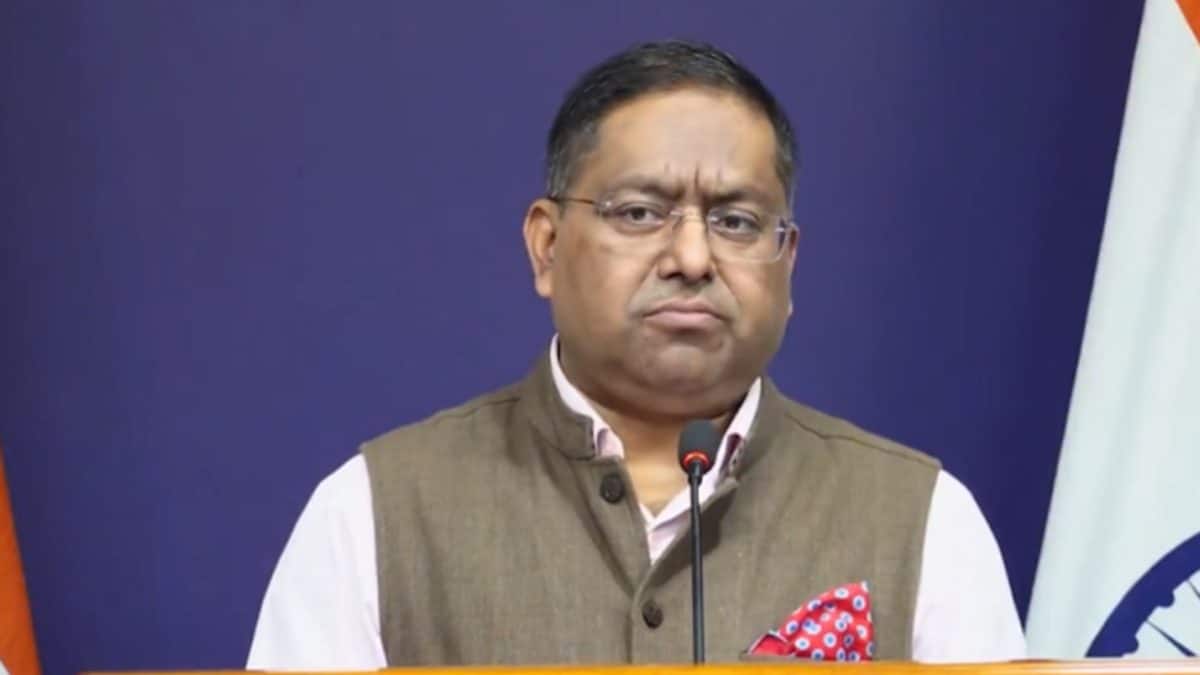
India on Saudi-Pakistan-Turkiye pact: ‘Examining implications’ for national security
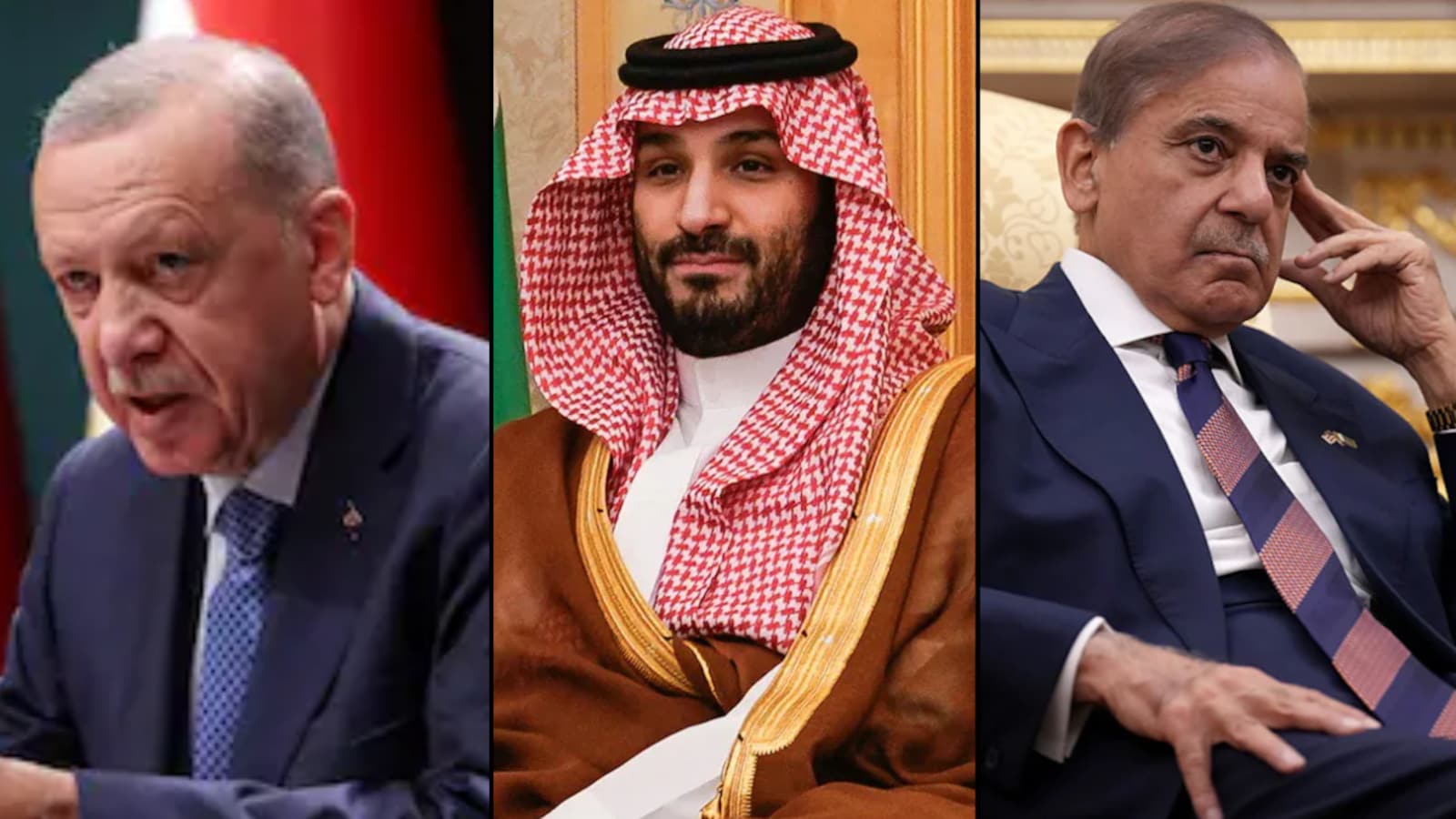
"Examining Its Implications": India On Pakistan-Saudi-Turkey's New Defence Pact
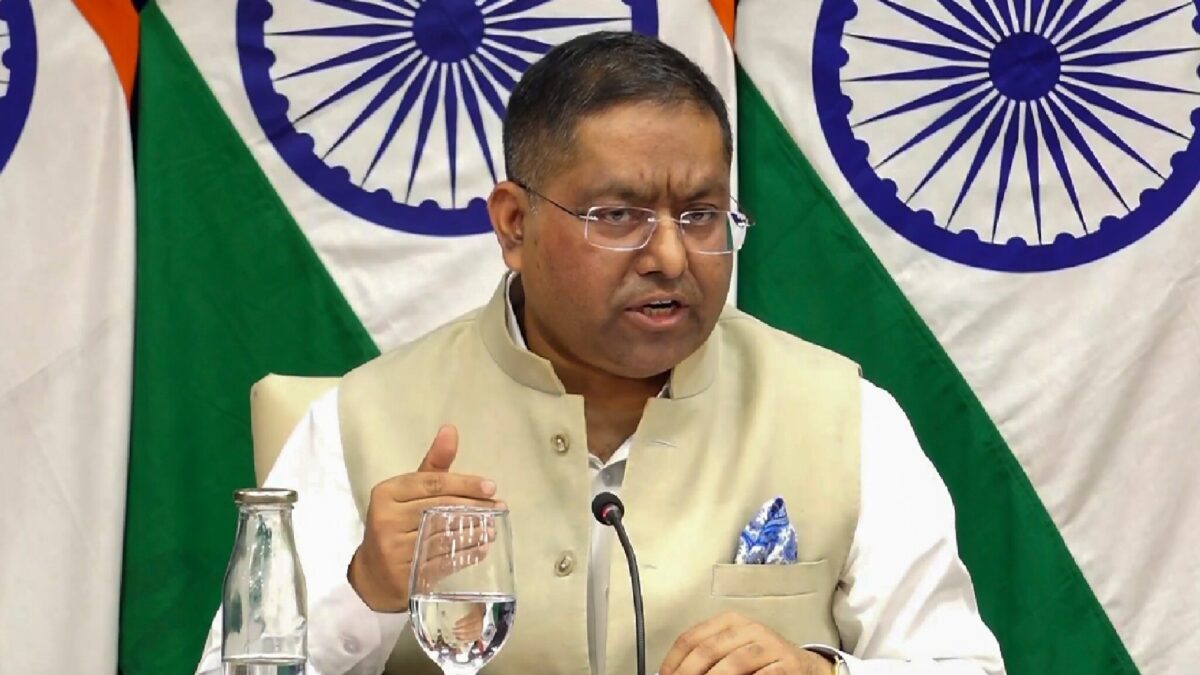
'Committed To Safeguarding National Interests': India Says It Is Assessing Implications Of Pak-Saudi-Turkey Pact

'Examining Implications On Our National Security': MEA on Pak-Saudi-Turkey 'Mecca' Defence Pact
Related news
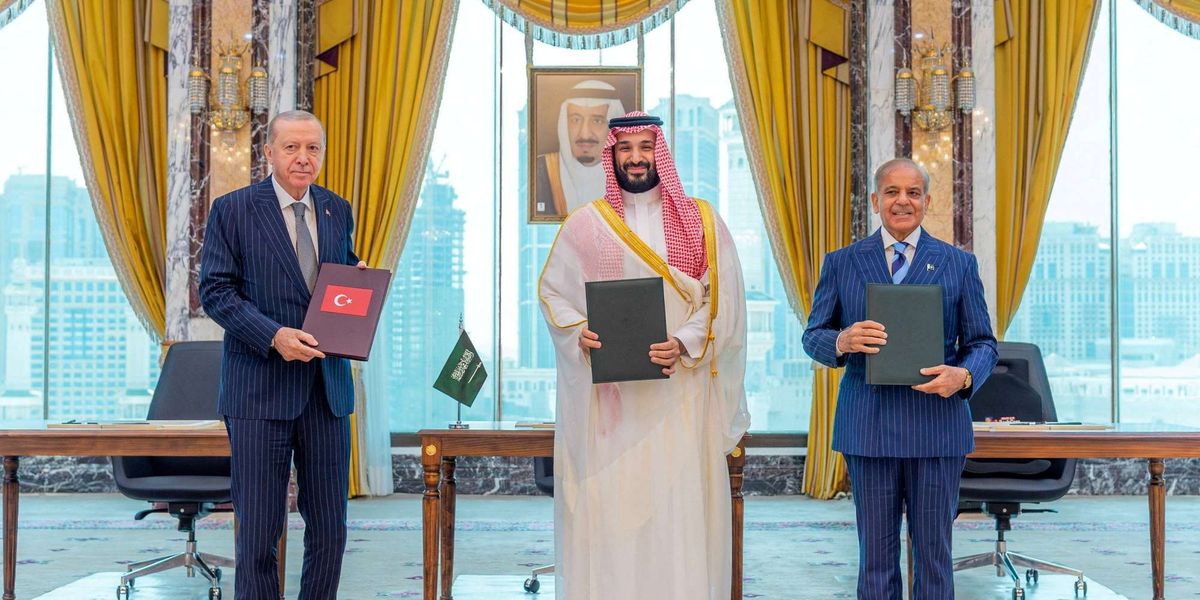
Saudi Arabia, Turkey and Pakistan sign Mecca Joint Defence Agreement
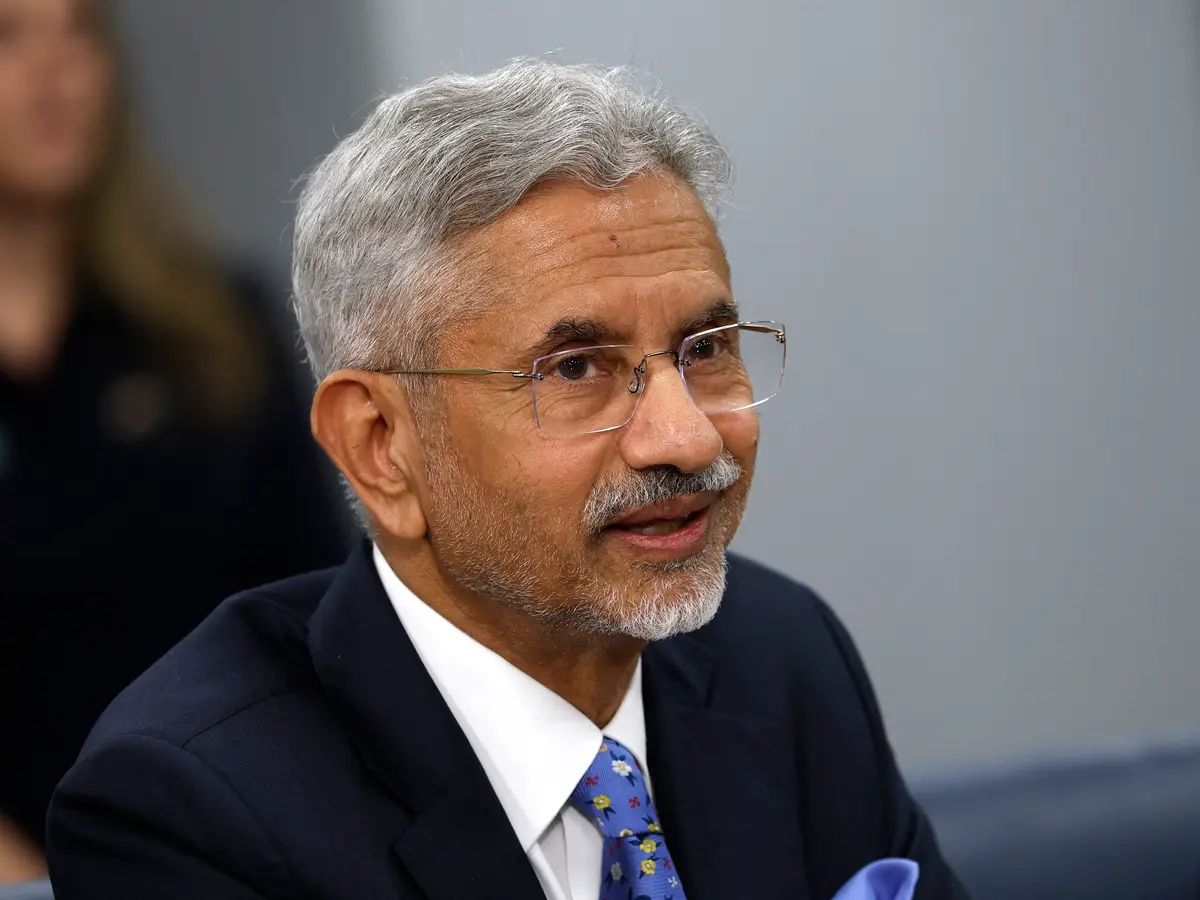
Jaishankar Questions Immediate Significance of Pakistan-Saudi-Türkiye Makkah Defence Pact
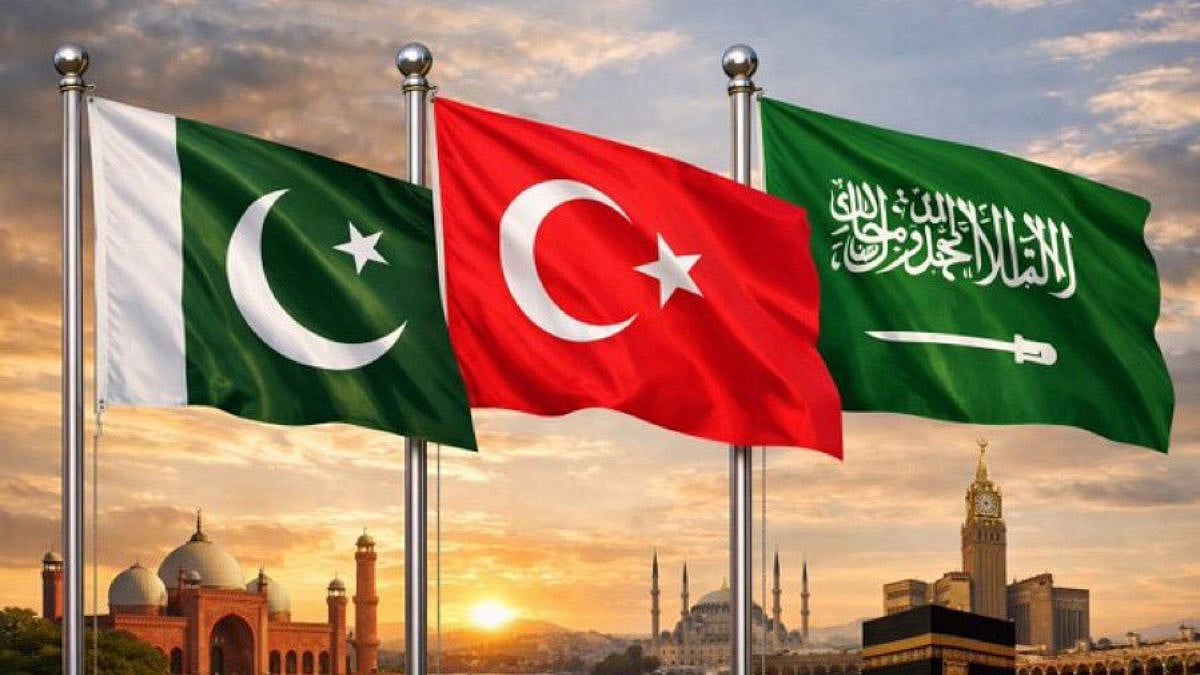
Saudi-Turkey-Pakistan Defence Pact Raises Security Concerns For India

Saudi Arabia, Turkey, Pakistan Sign Mecca Joint Defence Agreement

Saudi Arabia, Turkey, Pakistan Sign Mecca Defence Agreement

Pakistan, Saudi Arabia, Turkey Sign 'Attack on One' Defence Pact

Saudi Arabia Says Iranian Tanker Attack Killed Two Sailors
U.S.-Iran Exchange Escalates Across Middle East, Markets Slide
Trump Aides Seek Quiet Iran War Before Midterm Elections
US Warns Middle East Travelers Amid Escalating Iran-Linked Tensions

Indian Stocks Slide as Oil, Conflict and Yields Rise