2 hrs ago
Supreme Court Judges Split Over Election Panel Law Challenge

India’s Supreme Court is considering a challenge to a 2023 law about choosing election officials.
The law creates a committee with the Prime Minister, a minister chosen by the Prime Minister, and the Leader of the Opposition.
Earlier, the court had directed that the Chief Justice of India be part of this committee.
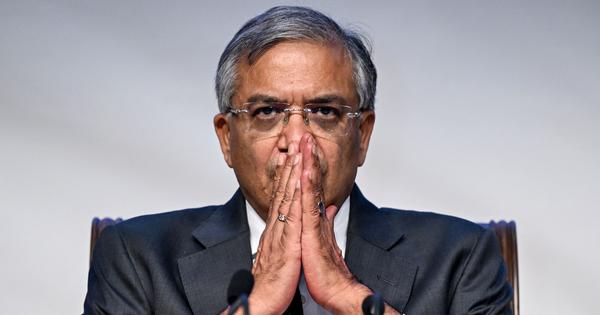
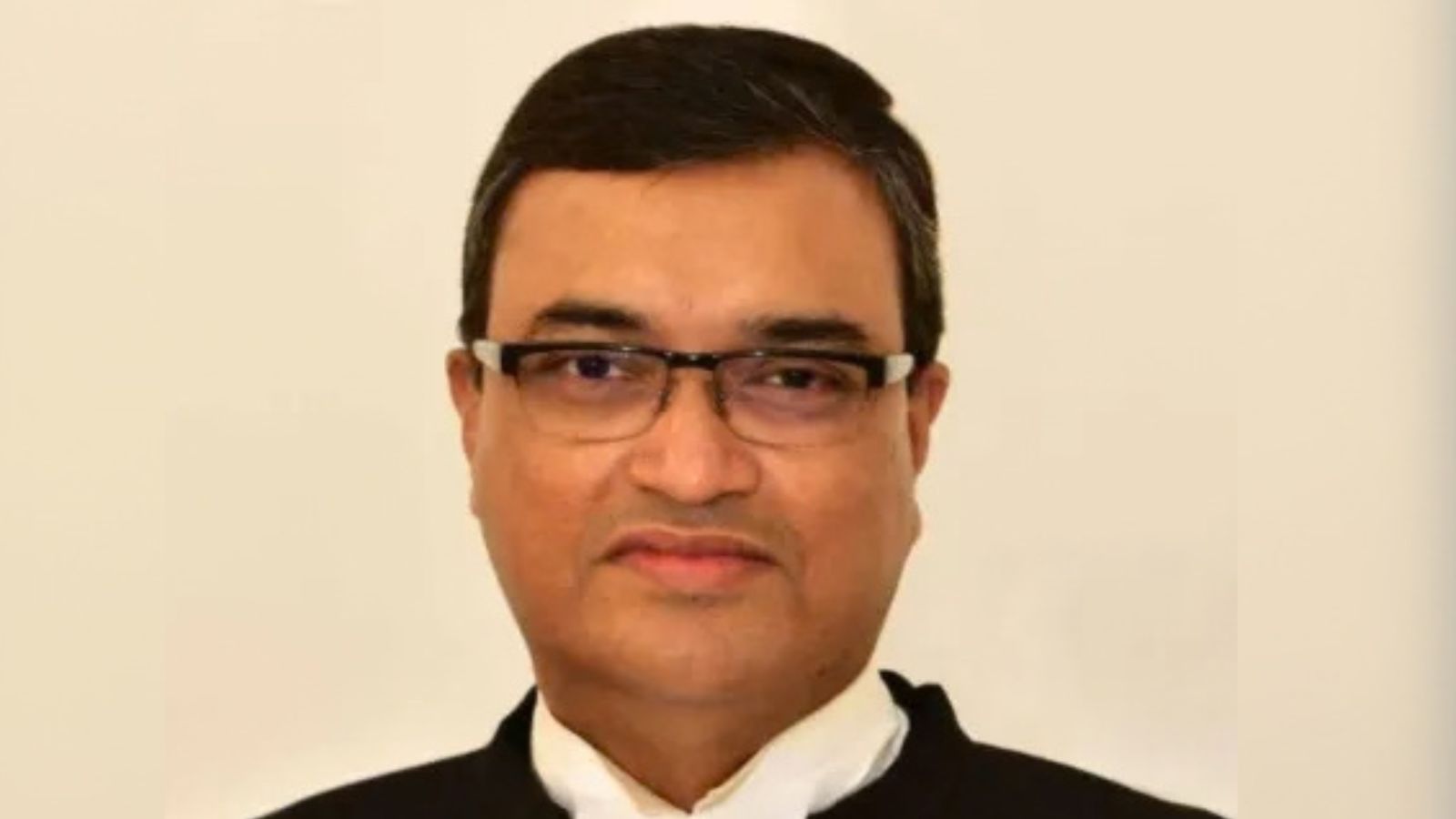
Justice Dipankar Datta said the Election Commission must be independent and must also look independent to the public.
He questioned whether a minister chosen by the Prime Minister could act as a neutral counterweight.
Justice Satish Chandra Sharma disagreed with Justice Datta’s view.
Sharma supported sending the case to a larger group of judges because he considered the issue important.
The judges therefore gave different opinions about the next step in the case.

Justice Dipankar Datta said the Election Commission must be independent and appear independent.
He questioned whether the 2023 law gives the executive excessive control over appointments.
The law replaces the Chief Justice of India with a Union minister nominated by the Prime Minister.
Justice Satish Chandra Sharma differed and supported referring the pleas to a larger bench.
The judges issued split opinions on whether the constitutional challenge should be referred.
- Who
- Justice Dipankar Datta and Justice Satish Chandra Sharma of the Supreme Court, hearing pleas challenging the 2023 election-appointments law.
- What
- The judges issued split opinions on whether the challenge should be referred to a larger Constitution bench.
- Where
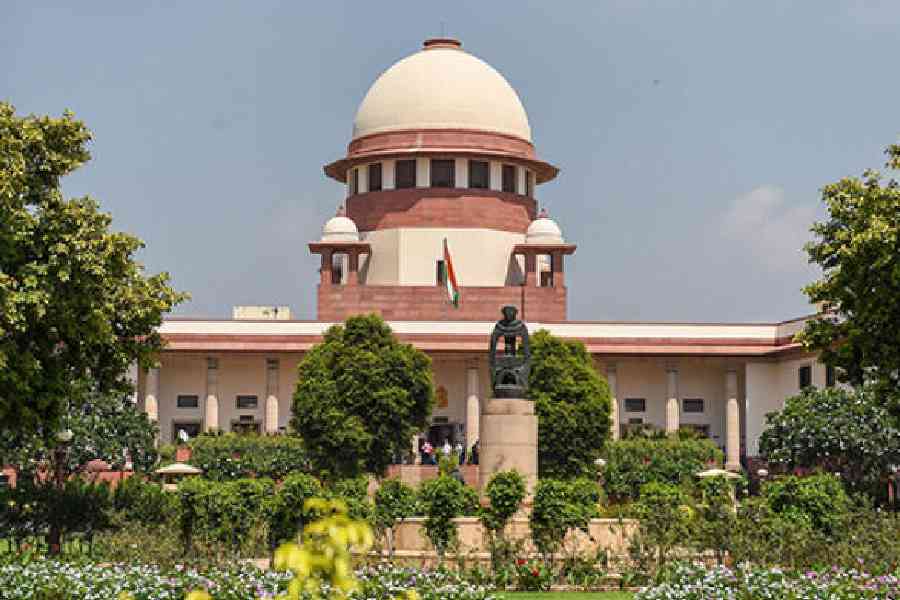
- The Supreme Court of India in New Delhi.
- When
- September 23, according to the report.
- Why
- The pleas question whether excluding the Chief Justice of India from the selection committee undermines the Election Commission’s independence and neutrality.
Justice Datta’s Assessment
Justice Sharma’s Referral View
Next step in the case
Justice Datta’s Assessment
Justice Datta addressed the substance of the challenge and said the petitioners’ concerns about executive control appeared to have prima facie substance.
Justice Sharma’s Referral View
Justice Sharma differed and favored referring the pleas to a larger Constitution bench because he regarded the issue as important.
Independence of the selection process
Justice Datta’s Assessment
Justice Datta questioned whether a minister nominated by the Prime Minister could provide an independent counterweight, arguing that the arrangement may undermine the appearance of independence.
Justice Sharma’s Referral View
Justice Sharma’s reported position was that the constitutional importance of the issue warranted consideration by a larger bench rather than the approach taken by Justice Datta.
Key facts
- Contested law
- A law enacted by Parliament in December 2023.
- Selection committee
- The Prime Minister, a Union minister nominated by the Prime Minister, and the Leader of the Opposition.
- Earlier court direction
- The Supreme Court had directed that the committee include the Prime Minister, the Leader of the Opposition, and the Chief Justice of India.
- Justice Datta’s view
- The Election Commission must be independent and also be seen to act independently.
- Justice Sharma’s view
- The issue was important and the pleas should be referred to a larger bench.
- Constitutional provisions discussed
- Articles 14, 75(3), and 324, along with the basic-structure principle of institutional independence.
Quotes
Justice Dipankar Datta
Supreme Court judge who authored remarks on the Election Commission’s independence
“The oft-repeated phrase that ‘judges appoint judges’ is a myth, which people have been fed by vested interests through motivated narratives, often drawing sustenance from certain controversial decisions taken in this century in relation to appointment of judges.”
 theprint.in
“There can be no gainsaying that free and fair elections, to a large extent, depend on a truly independent ECI. It is not enough for the ECI to be independent; it must also appear to be independent.”
theprint.in
Sources
Related news
Supreme Court Split Over Election Commissioner Appointment Law Reference
Supreme Court Split Over Larger Bench For Poll Body Case
Supreme Court Splits Over Larger Bench For CEC Law
Supreme Court Split Over Election Commissioner Appointment Law
Justice Datta Defends Collegium, Criticises Centre’s Selective Approvals

'Judges Appoint Judges?' SC Judge Challenges Centre's Collegium Argument

India Tightens Food Warning Rules With Front-of-Pack Labels

Byju’s Parent Settles Aakash Dispute as NCLT Halts K3 Sale
Opposition Demands Fresh Polls After Election Commission SIR Row

Supreme Court Declines Plea Seeking Removal of ‘Anti-National’ Posts
Supreme Court Urges Mandatory Detention in Illegal Mining Cases