

3 hrs ago
Supreme Court Split Over Election Commissioner Appointment Law Reference
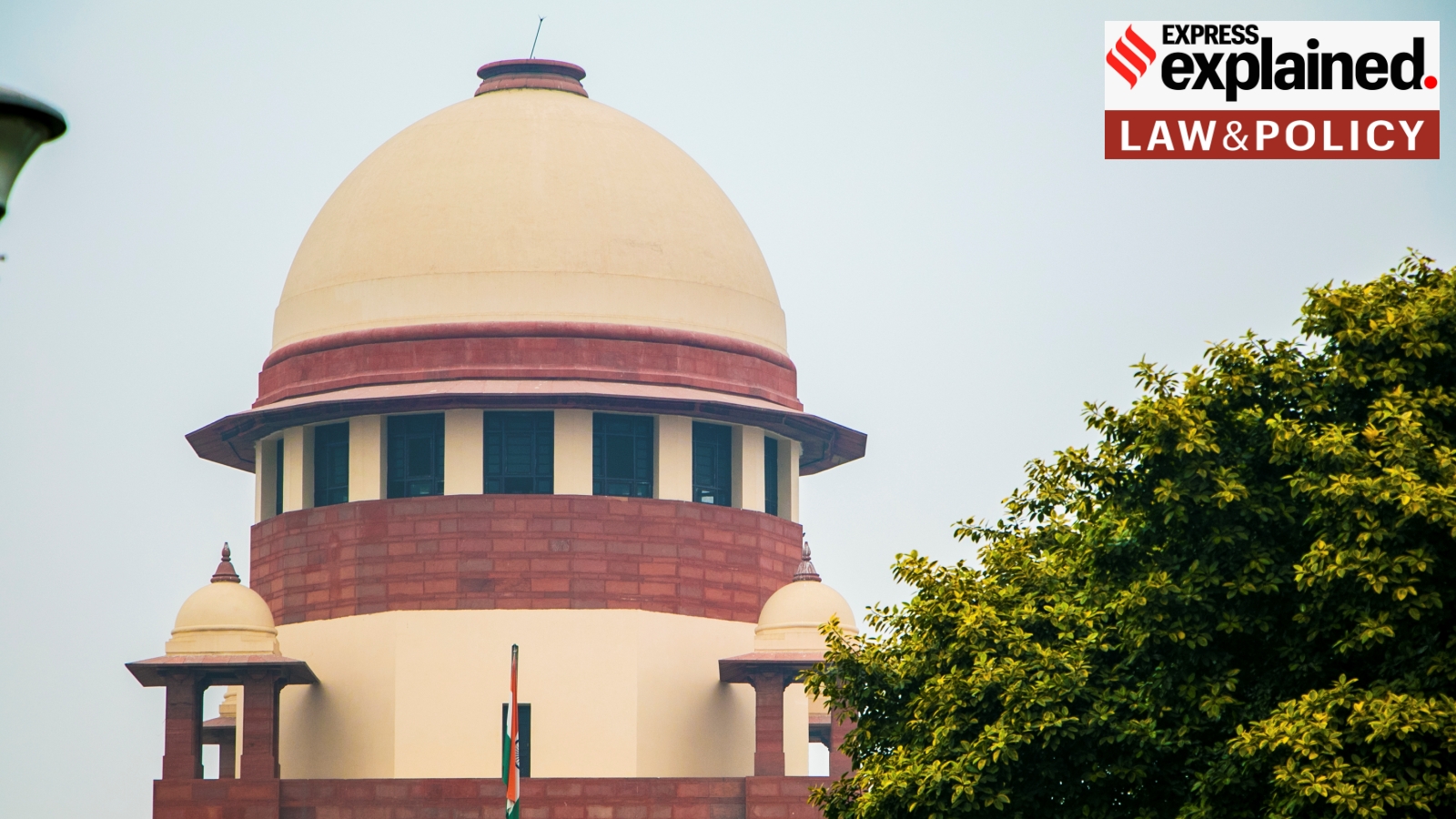
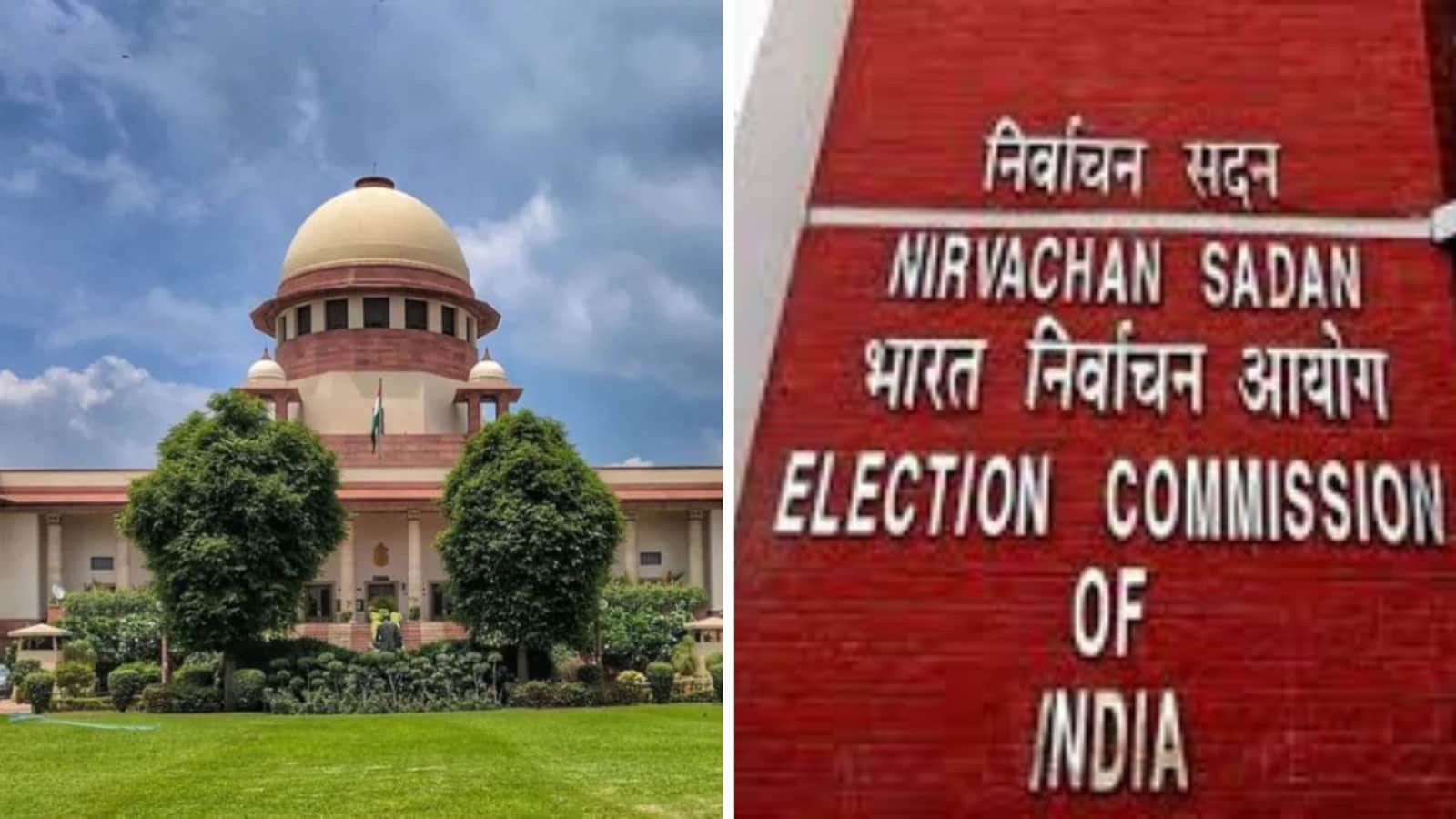
India’s Supreme Court is considering a challenge to a law about choosing Election Commissioners.
The law replaced the Chief Justice of India on the selection panel with a Union Cabinet Minister.
Two judges disagreed about whether a larger group of judges should hear the case.
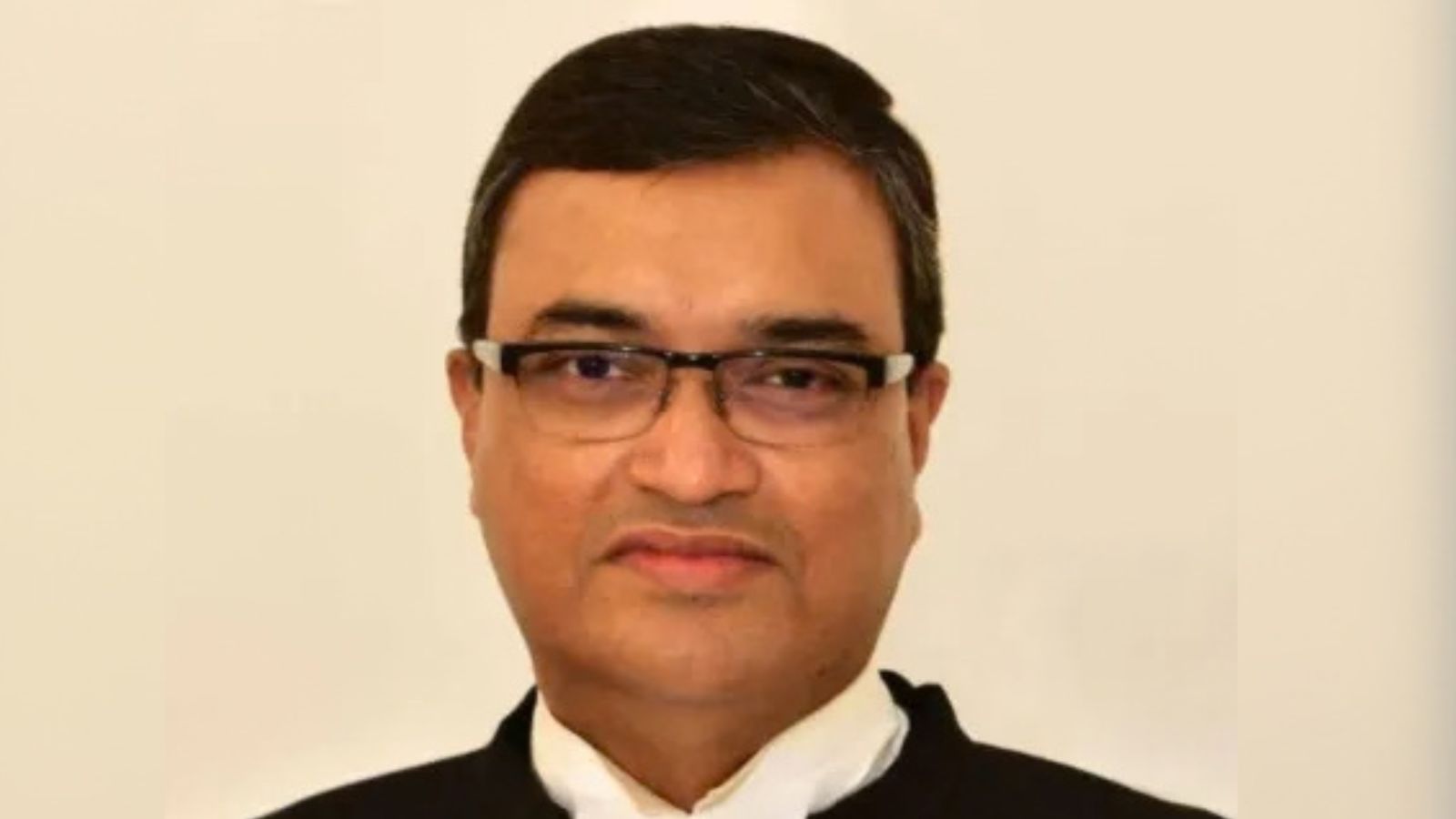
Justice Dipankar Datta said earlier court guidance had already established the important constitutional principles.
He also said a minister may not be independent from the government that nominated the minister.
Justice Satish Chandra Sharma said the specific question had not yet been fully decided.
Both judges agreed that the issue should go to the Chief Justice of India for further orders.
The next step is deciding the size and formation of a Constitution Bench.

Justices Dipankar Datta and Satish Chandra Sharma differed over referring challenges to the 2023 appointment law to a larger bench.
Justice Datta rejected the Centre’s reference request, saying existing constitutional principles already addressed the issue.
Justice Sharma said the challenge raised an unsettled constitutional question about excluding a neutral selector.
The law replaced the Chief Justice of India with a Union Cabinet Minister on the Election Commission selection panel.
The matter will be placed before CJI Surya Kant to consider a Constitution Bench of appropriate strength, with one report describing it as a five-judge bench.
- Who
- The Supreme Court Bench of Justices Dipankar Datta and Satish Chandra Sharma considered petitions challenging the 2023 law, with the Centre seeking reference to a larger bench.
- What
- The judges delivered a split verdict on whether the constitutional challenge should be considered by a larger Constitution Bench.
- Where
- The Supreme Court of India.
- When
- September 23, 2026.
- Why
- The petitions challenge the replacement of the Chief Justice of India with a Union Cabinet Minister on the committee selecting the Chief Election Commissioner and Election Commissioners, citing concerns about independence and transparency.
Justice Datta’s View
Justice Sharma’s View
Need for a larger bench
Justice Datta’s View
Justice Datta rejected the Centre’s request, holding that the existing constitutional principles were sufficiently settled and that the remaining issue involved applying those principles.
Justice Sharma’s View
Justice Sharma said the specific question had not been conclusively decided by an earlier judgment and should be considered by a larger bench.
Independence of the selection panel
Justice Datta’s View
Justice Datta said a minister nominated by the Prime Minister could not reasonably be expected to oppose the nominator and therefore did not provide an independent counterweight. He added that the Election Commission must also appear independent.
Justice Sharma’s View
Justice Sharma disagreed with proceeding on Justice Datta’s observations and said the constitutional question about excluding a neutral selector required consideration by a larger bench.
Effect of the Anoop Baranwal judgment
Justice Datta’s View
Justice Datta viewed the earlier judgment’s Prime Minister–Leader of Opposition–CJI arrangement as an interim measure that lasted only until Parliament enacted legislation.
Justice Sharma’s View
Justice Sharma accepted that the earlier judgment was binding where applicable but held that it had not conclusively resolved the specific challenge to Parliament’s later selection mechanism.
Key facts
- Law challenged
- Chief Election Commissioner and Other Election Commissioners (Appointment, Conditions of Service and Term of Office) Act, 2023
- Selection committee
- The Prime Minister, the Leader of Opposition in the Lok Sabha, and a Union Cabinet Minister nominated by the Prime Minister
- Justice Datta’s position
- He rejected reference to a larger bench and said the relevant constitutional principles had already been settled.
- Justice Sharma’s position
- He held that excluding a neutral selector raised a substantial and previously unsettled constitutional question.
- Earlier framework
- The March 2023 Anoop Baranwal judgment provided for a panel comprising the Prime Minister, Leader of Opposition and Chief Justice of India until Parliament enacted a law.
- Next step
- The papers will be placed before CJI Surya Kant to consider constituting a Constitution Bench of appropriate strength.
- Institutional concern
- The judges noted that prolonged delays in deciding Constitution Bench references are a concern and that a permanent five-judge bench could be considered.
Quotes
Justice Dipankar Datta
Supreme Court judge who rejected the plea to refer the challenge to a larger Bench
“We heard these petitions for over 5 days, speaking in one voice would have served the voice of institutional cohesion. Unfortunately, we are divided in our opinion. It is a foundational principle of the constitutional scheme that rulers are bound by law and not above it.”
 news18.com
“If the Constitution Bench intended for the inclusion of the Chief Justice of India (CJI) in the selection committee to be binding, it would have said so.”
 thehansindia.com
Sources

Related news
Supreme Court Splits Over Larger Bench For CEC Law
Supreme Court Split Over Election Commissioner Appointment Law
Supreme Court Split Over Larger Bench For Poll Body Case
Justice Datta Defends Collegium, Criticises Centre’s Selective Approvals
Election Commissioners Raise 14 Objections Over SIR Decisions
Election Commission Says SIR Decisions Were Unanimous Despite Objections
TMC revives impeachment push against CEC amid Election Commission dissent

Supreme Court Seeks Centre Response on Muslim Inheritance Rules
Congress Accuses Gyanesh Kumar of Acting With Government Support
