1 hr ago
Justice Datta Defends Collegium, Criticises Centre’s Selective Approvals
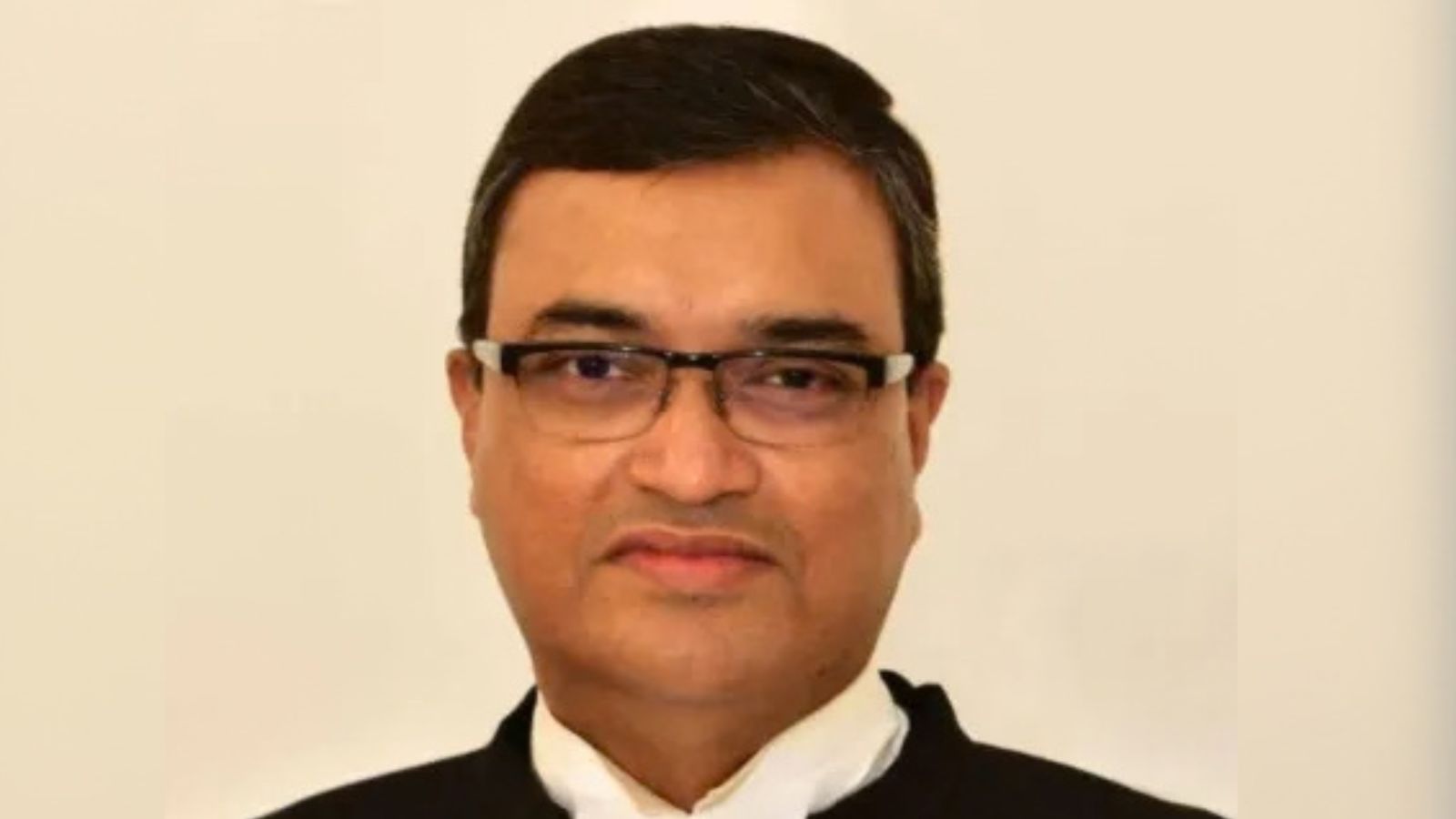
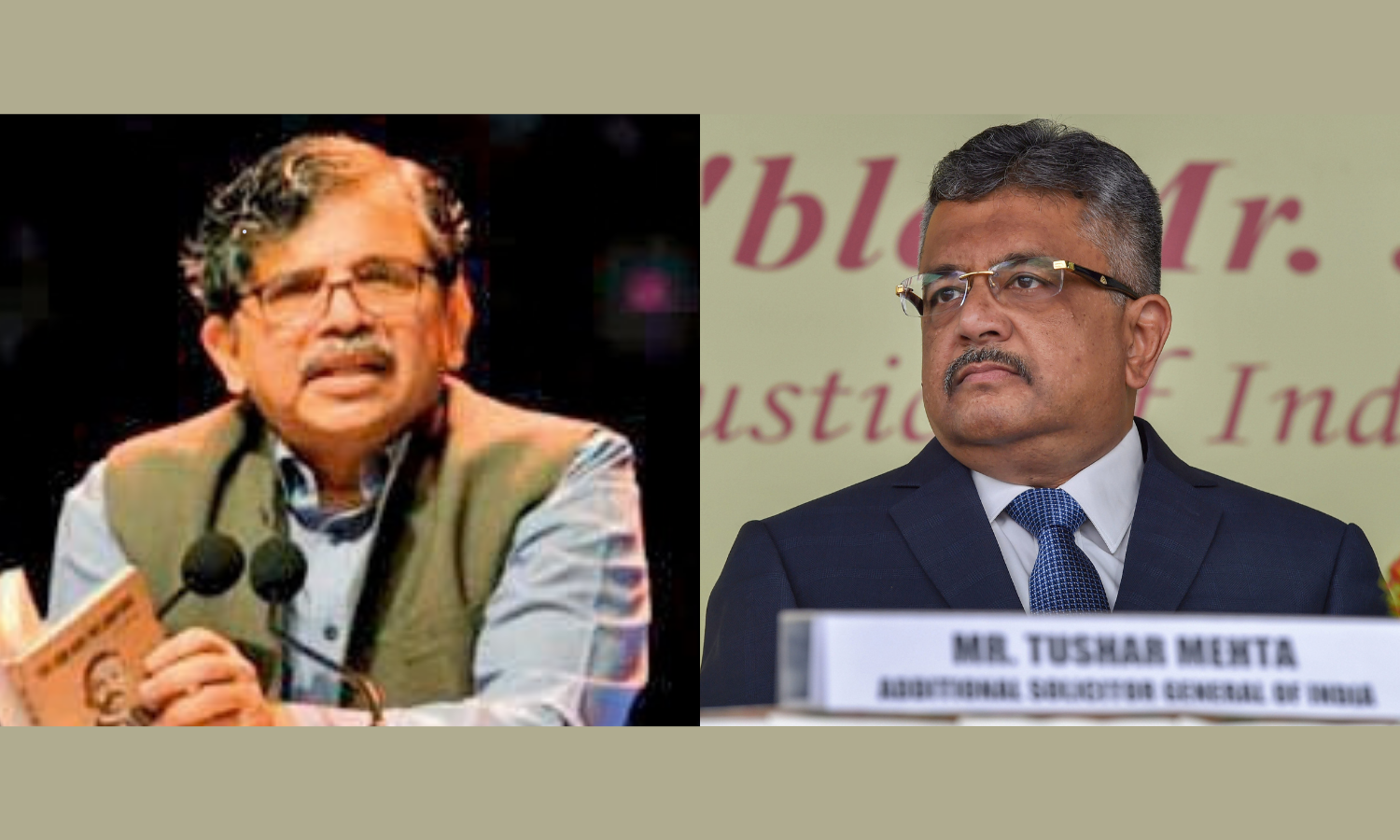
Justice Dipankar Datta wrote an opinion about how judges are appointed in India.
He defended the Collegium, a system in which senior judges recommend people for judicial posts.
He said it is incorrect to say that judges alone appoint other judges.
The government and other agencies also examine the recommendations.
He criticised the Centre for approving some recommended names while not approving others.
He said this can weaken the importance of the Collegium’s decisions.
He also said the judiciary must remain independent from the executive.
The opinion rejected a request to send challenges to a 2023 election appointments law to a larger Constitution bench.

Justice Dipankar Datta defended the judicial Collegium system and called the claim that judges appoint judges a myth.
He said the executive, intelligence agencies and the President all play roles in judicial appointments.
Justice Datta criticised the Centre for selectively approving Collegium recommendations while withholding others.
He warned that piecemeal approvals could undermine the sanctity of Collegium resolutions and create constitutional concerns.
His opinion rejected a plea to refer challenges to the 2023 election commissioners’ appointment law to a five-judge Constitution bench.
- Who
- Justice Dipankar Datta, the Supreme Court Collegium, the Centre and Solicitor General Tushar Mehta.
- What
- Justice Datta defended the Collegium system, criticised selective approval of judicial recommendations and rejected a plea for a five-judge Constitution bench to hear challenges to the 2023 election appointments law.
- Where
- The Supreme Court of India.
- When
- Wednesday; the article does not specify the date.
- Why
- The opinion addressed arguments concerning the Collegium system and a plea challenging the 2023 law on appointing the Chief Election Commissioner and other Election Commissioners.
Collegium’s Defence
Executive’s Position
Who appoints judges?
Collegium’s Defence
Justice Datta said the phrase that judges appoint judges is a myth, because the executive, intelligence agencies and the President also have roles in the process.
Executive’s Position
Solicitor General Tushar Mehta cited criticism of the Collegium as a system in which judges appoint judges.
Role of an outsider
Collegium’s Defence
Justice Datta questioned the demand to include an outsider in judicial selection, saying the executive already exercises decisive control over appointments.
Executive’s Position
The judgment referred to arguments supporting the new legislation and drawing a comparison with the Collegium’s lack of an outsider in the selection process.
Approval of recommendations
Collegium’s Defence
Justice Datta said selective approval of Collegium recommendations undermines their sanctity and leaves the Collegium with limited choices.
Executive’s Position
The Centre has approved a majority of recommendations while withholding at least some names, a practice Justice Datta criticised as piecemeal implementation.
Key facts
- Judge
- Justice Dipankar Datta
- System defended
- The Collegium system for recommending judicial appointments
- Main criticism
- The Centre’s selective or piecemeal approval of Collegium recommendations
- Government argument
- Solicitor General Tushar Mehta referred to criticism that judges appoint judges
- Justice Datta’s response
- He called that claim a myth and misconception
- Related legislation
- The 2023 law on appointing the Chief Election Commissioner and other Election Commissioners
- Constitutional concern
- Justice Datta warned that continued selective implementation could raise a larger constitutional question
Quotes
Justice Dipankar Datta
Supreme Court judge who authored the opinion
“The off-repeated phrase that judges appoint judges is a myth, which people have been fed by vested interests, through motivated narratives, often drawing sustenance from certain controversial decisions, taken in this century, in relation to appointment of judges.”
 indianexpress.com
“What is most worrying and needs attention for a remedy is that the sanctity of a collegium resolution is lost each time the executive implements it selectively, albeit approving majority of those recommended, while withholding at least one.”
indianexpress.com
Sources
Related news
Supreme Court Split Over Larger Bench For Poll Body Case
Supreme Court Split Over Election Commissioner Appointment Law Reference
Supreme Court Splits Over Larger Bench For CEC Law
Supreme Court Split Over Election Commissioner Appointment Law
Letters Against Rajasthan Justice Expose India’s Judicial Accountability Gap

Punjab HC Chief Justice Appointment Sparks Centre-State Dispute

Supreme Court to hear Medha Roopam’s compensation challenge

SIT Flags 105 Unauthorised Currency Removals at Ayodhya Ram Temple
Supreme Court Examines Penal Action For Refusing Vande Mataram
Supreme Court Examines Vande Mataram Law Amid Heated Exchange