

2 hrs ago
Supreme Court Questions India’s Drug Pricing and Calls for Reform
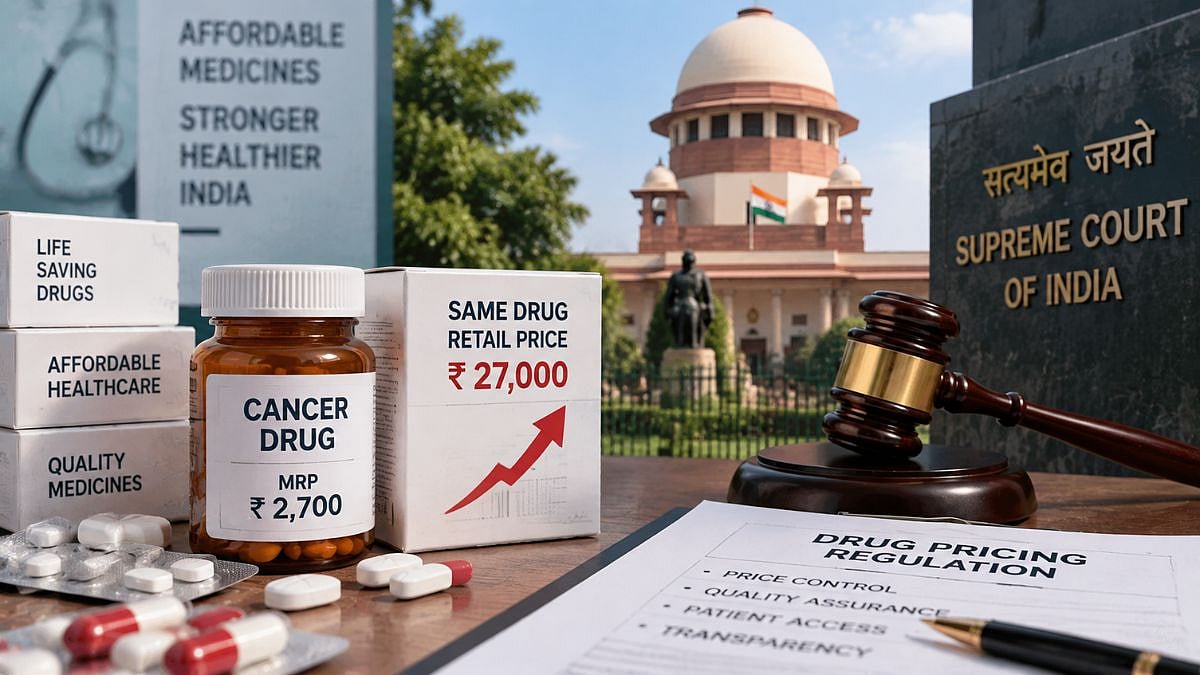
The Supreme Court is asking why some medicines become much more expensive when sold to patients.
It discussed a cancer medicine that costs Rs 2,700 but is sold for Rs 27,000.
The court said these prices can force families to sell homes or jewellery to pay for treatment.
Most medicine brands are not covered by India’s current price-control rules.
Many people in India pay healthcare costs directly from their own money.
Cheaper generic medicines and Jan Aushadhi stores can help, but the article says medicine quality is also a concern.
The article supports stronger rules, including price limits for all life-saving medicines.
It also suggests that the government should publish the prices manufacturers charge retailers.

The Supreme Court questioned the Union government about steep retail mark-ups on medicines.
The court cited a cancer drug priced at Rs 2,700 but sold for Rs 27,000.
Only about 18% of brands, representing 17% of value, are covered by price controls.
India’s out-of-pocket healthcare spending is about 43%, according to the latest National Health Accounts estimates.
The article proposes broader price controls, common procurement, and greater disclosure of manufacturer pricing.
- Who
- The Supreme Court, the Union government, patients, drug manufacturers, hospitals, insurers, and petitioners Kishan Chand Jain and Dr Sanjay Kulshreshtha.
- What
- The Supreme Court questioned medicine pricing and the government’s drug price-control policies.
- Where
- India, including the national healthcare and pharmaceutical system.
- When
- During recent Supreme Court proceedings; the article does not provide a specific date.
- Why
- The court was concerned about large medicine mark-ups, patients’ financial burdens, limited price controls, and drug-quality issues.
Court and Reform Advocates
Existing Policy and Industry System
Medicine affordability
Court and Reform Advocates
The Supreme Court and the article’s reform position argue that extreme mark-ups burden patients and that all life-saving medicines should face price controls.
Existing Policy and Industry System
The existing system limits price controls to a relatively small share of brands, while governments emphasize insurance and healthcare programs as part of their response.
Generics and lower prices
Court and Reform Advocates
Jan Aushadhi Kendras and generic medicines can reduce costs for patients.
Existing Policy and Industry System
The article says cheaper medicines do not automatically guarantee efficacy because of concerns about generic-drug quality.
Pricing transparency
Court and Reform Advocates
The article proposes that the National Pharmaceutical Pricing Authority regularly publish manufacturers’ price-to-retailer data so it can be compared with maximum retail prices.
Existing Policy and Industry System
The article says current authorities do not routinely disclose individual drug-testing results or manufacturer price-to-retailer information in the proposed manner.
Key facts
- Example price increase
- A cancer drug priced at Rs 2,700 was reportedly sold at retail for Rs 27,000.
- Brands under price control
- About 18% of brands sold are covered by the price-control schedule.
- Value under price control
- Price-controlled medicines account for about 17% of the market by value.
- Out-of-pocket spending
- Out-of-pocket healthcare expenditure in India is about 43%, according to the latest National Health Accounts estimates.
- Treatment costs cited
- Public crowdfunding appeals in one South Indian city cited cancer-treatment needs of Rs 7 lakh, Rs 16 lakh, and Rs 8 lakh.
- Proposed procurement model
- The article suggests national common procurement modeled on Tamil Nadu’s Medical Services Corporation.
Sources
Related news
Supreme Court Questions ₹27,000 MRP on ₹2,700 Cancer Drug
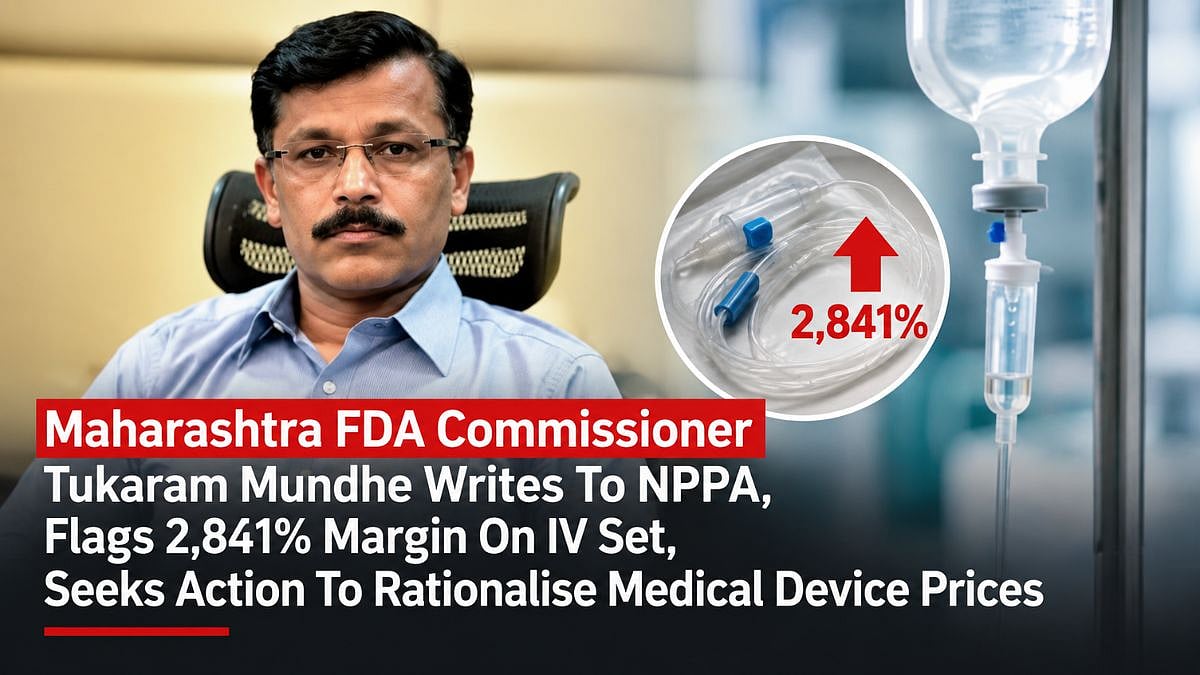
Maharashtra FDA Flags Huge Markups on Hospital Consumables
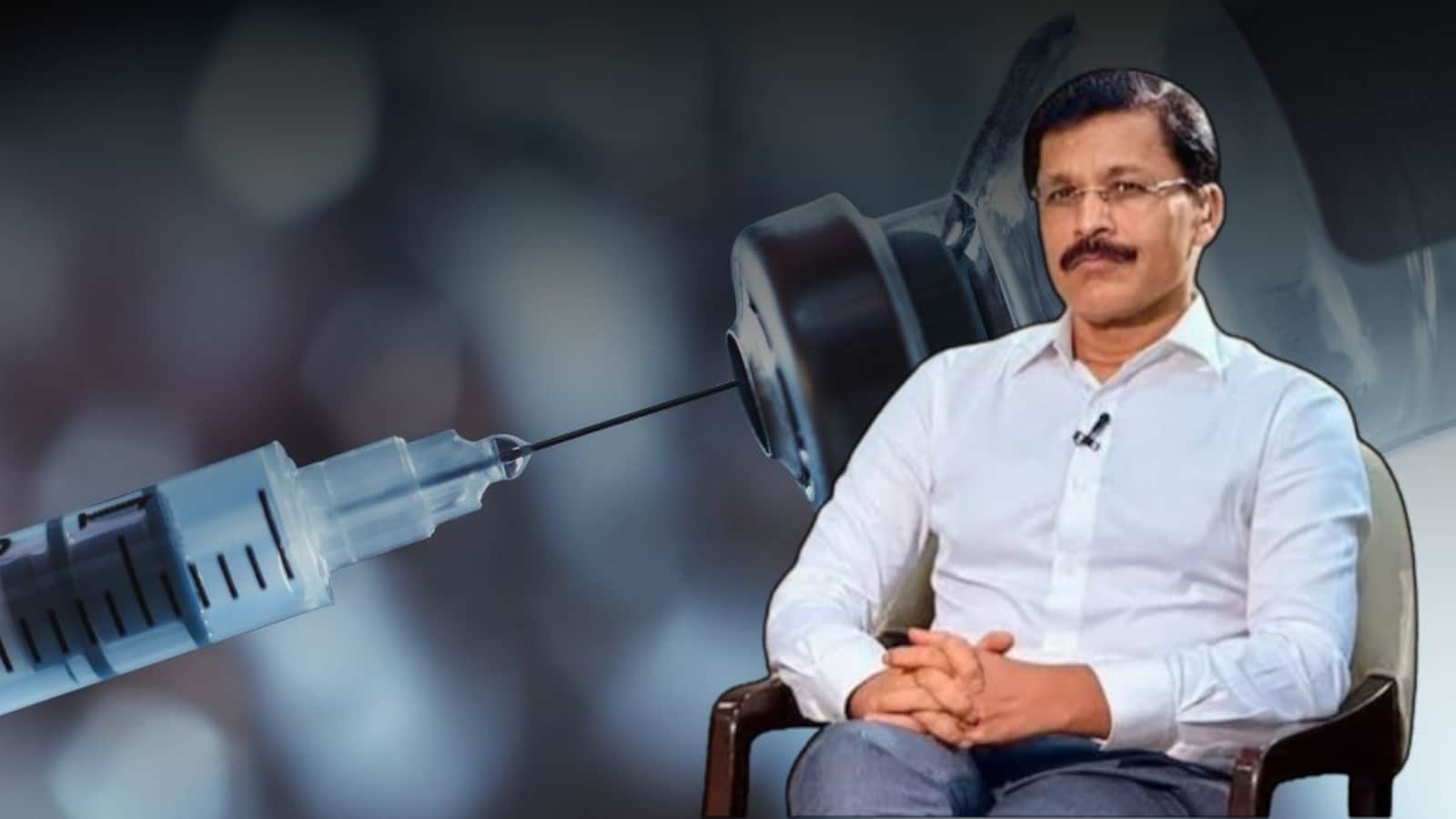
Maharashtra FDA Flags 2,800% Markups on Hospital Consumables
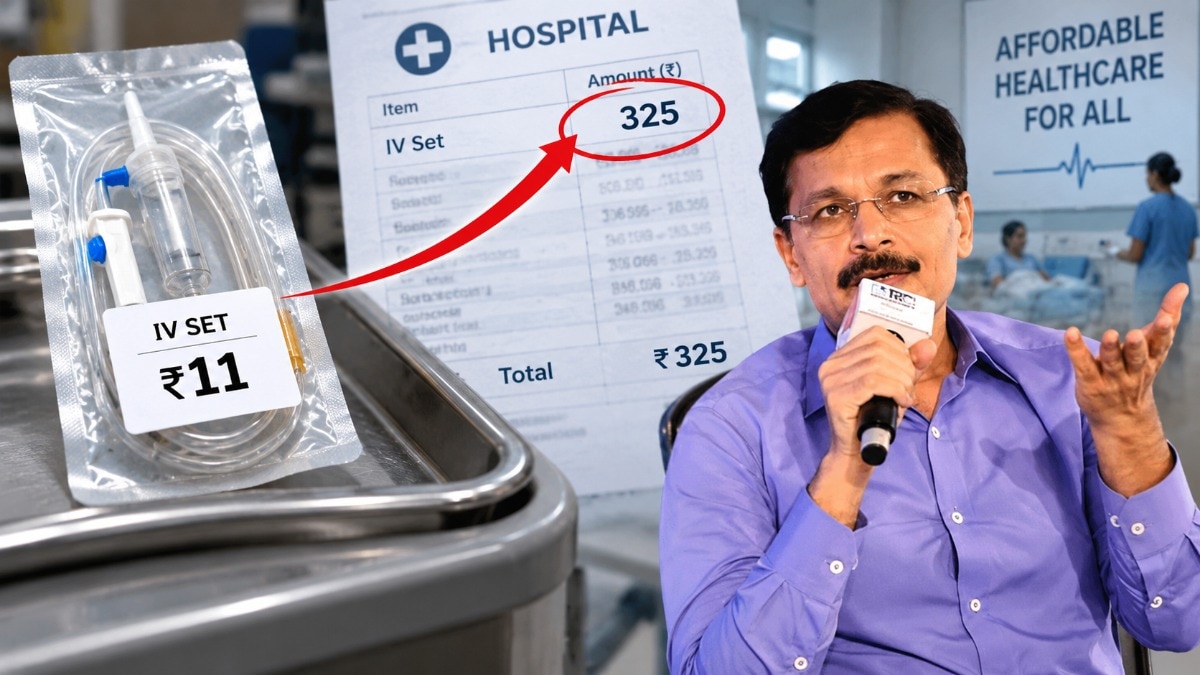
Maharashtra official flags steep medical-device markups, seeks pricing oversight
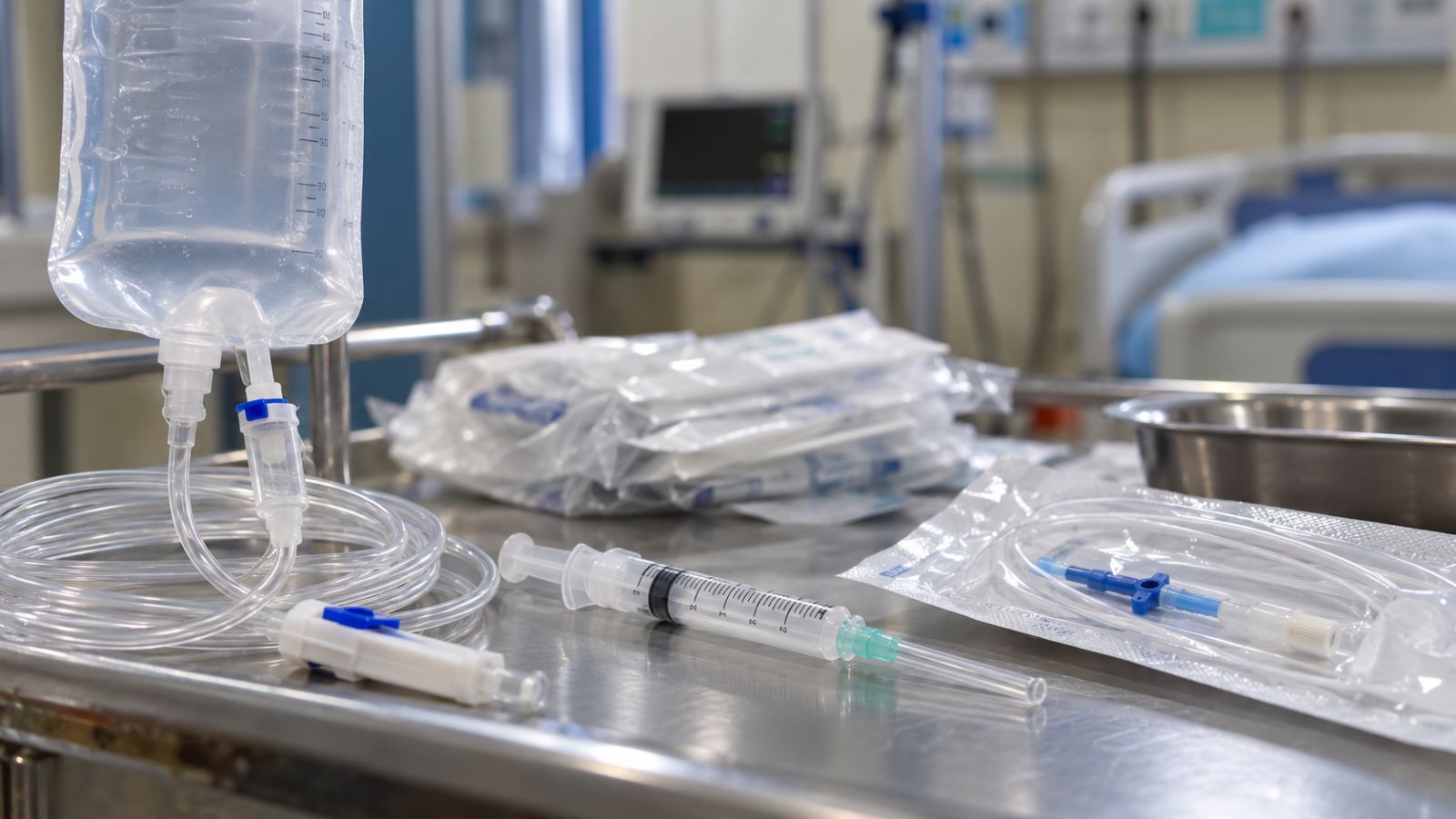
Maharashtra FDA Seeks Price Caps on Hospital Devices
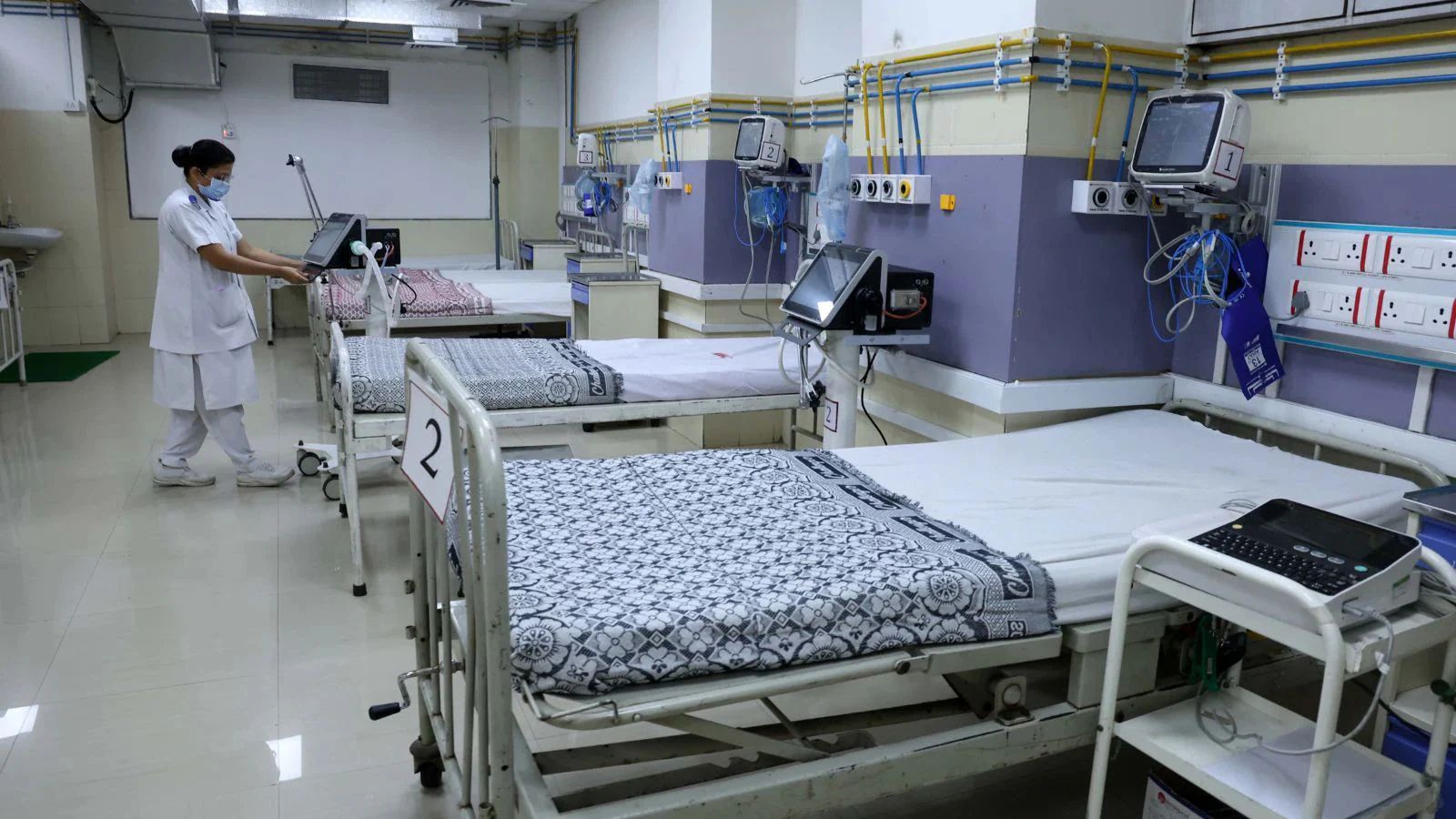
Maharashtra Hospitals Face Scrutiny Over Steep Medical Item Markups
Justice Datta's Cricket Analogy Challenges Election Commissioner Appointment Law
Justice Flags Executive Veto in Election Commission Appointments
Supreme Court Sets Judicial Limits on Police Rearrests

CPI(ML) Liberation Seeks CEC Impeachment, Post-SIR Poll Cancellations