1 hr ago
'Judges Appoint Judges?' SC Judge Challenges Centre's Collegium Argument

The Centre and a Supreme Court judge disagreed about how some important officials should be chosen.
The Centre said the government should have a larger role in selecting Election Commission members.
It compared this with judges choosing judges through a system called the collegium.
The judge questioned whether that comparison made sense.
The disagreement concerns a 2023 law.
That law removed the Chief Justice of India from the selection panel.
It replaced him with a Union Cabinet Minister chosen by the Prime Minister.
The issue is about how much power the government and judiciary should have in these appointments.

The Centre defended a greater executive role in selecting Election Commission members.
It compared the proposal with the judiciary’s role in appointing judges through the collegium.
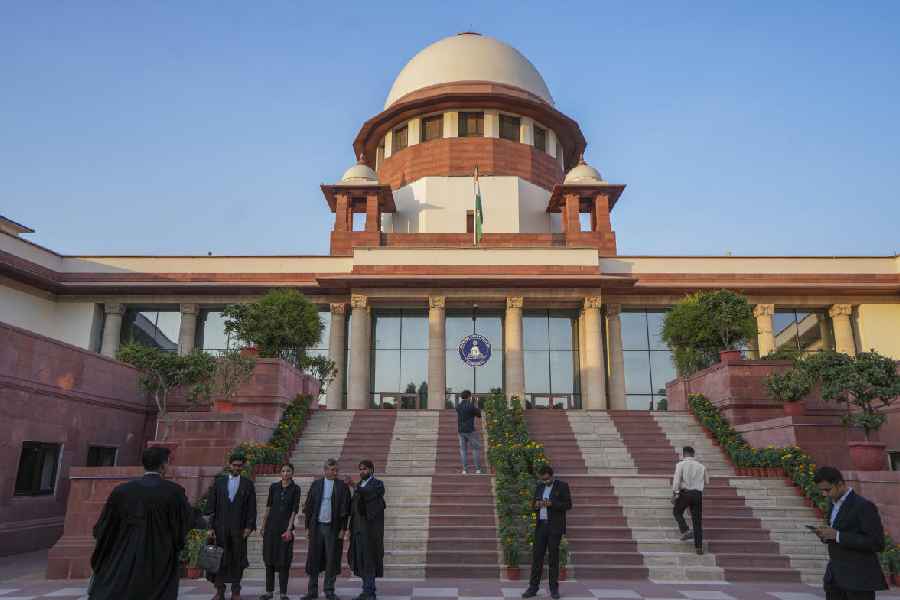
A Supreme Court judge questioned the Centre’s comparison during a hearing on the CEC row.
The Centre was defending a 2023 law concerning appointments to the Election Commission.
The law replaced the Chief Justice of India with a Union Cabinet Minister nominated by the Prime Minister.
- Who
- The Centre and a Supreme Court judge are involved; the panel includes the Chief Justice of India and a Union Cabinet Minister nominated by the Prime Minister.
- What
- The judge challenged the Centre’s argument comparing judicial appointments through the collegium with executive involvement in selecting the Chief Election Commissioner and Election Commissioners.
- Where
- The matter arose before the Supreme Court.
- When
- The dispute concerns the Centre’s defense of a 2023 law.
- Why
- The Centre was defending a law that removed the Chief Justice of India from the selection panel and replaced him with a Union Cabinet Minister nominated by the Prime Minister.
Judicial challenge
Centre's defense
Comparison with the collegium
Judicial challenge
The Supreme Court judge questioned the Centre’s argument that executive involvement in Election Commission appointments should be accepted because judges are appointed through a judicial collegium.
Centre's defense
The Centre argued that there should be no objection to a greater executive role in choosing Election Commission members if the judiciary has a role in appointing judges.
Selection panel composition
Judicial challenge
The judicial objection concerns removing the Chief Justice of India from the panel that selects the Chief Election Commissioner and Election Commissioners.
Centre's defense
The Centre defended the 2023 law replacing the Chief Justice of India with a Union Cabinet Minister nominated by the Prime Minister.
Key facts
- Issue
- Selection of the Chief Election Commissioner and Election Commissioners
- Centre's argument
- A greater executive role should not be objectionable if the judiciary has a role in appointing judges through the collegium.
- Law defended
- A 2023 law concerning the selection panel for Election Commission members
- Removed from panel
- The Chief Justice of India
- Added to panel
- A Union Cabinet Minister nominated by the Prime Minister
- Judicial response
- A Supreme Court judge questioned the Centre’s collegium comparison
Sources
Related news
Justice Datta Defends Collegium, Criticises Centre’s Selective Approvals
Supreme Court Split Over Election Commissioner Appointment Law Reference
Supreme Court Split Over Larger Bench For Poll Body Case
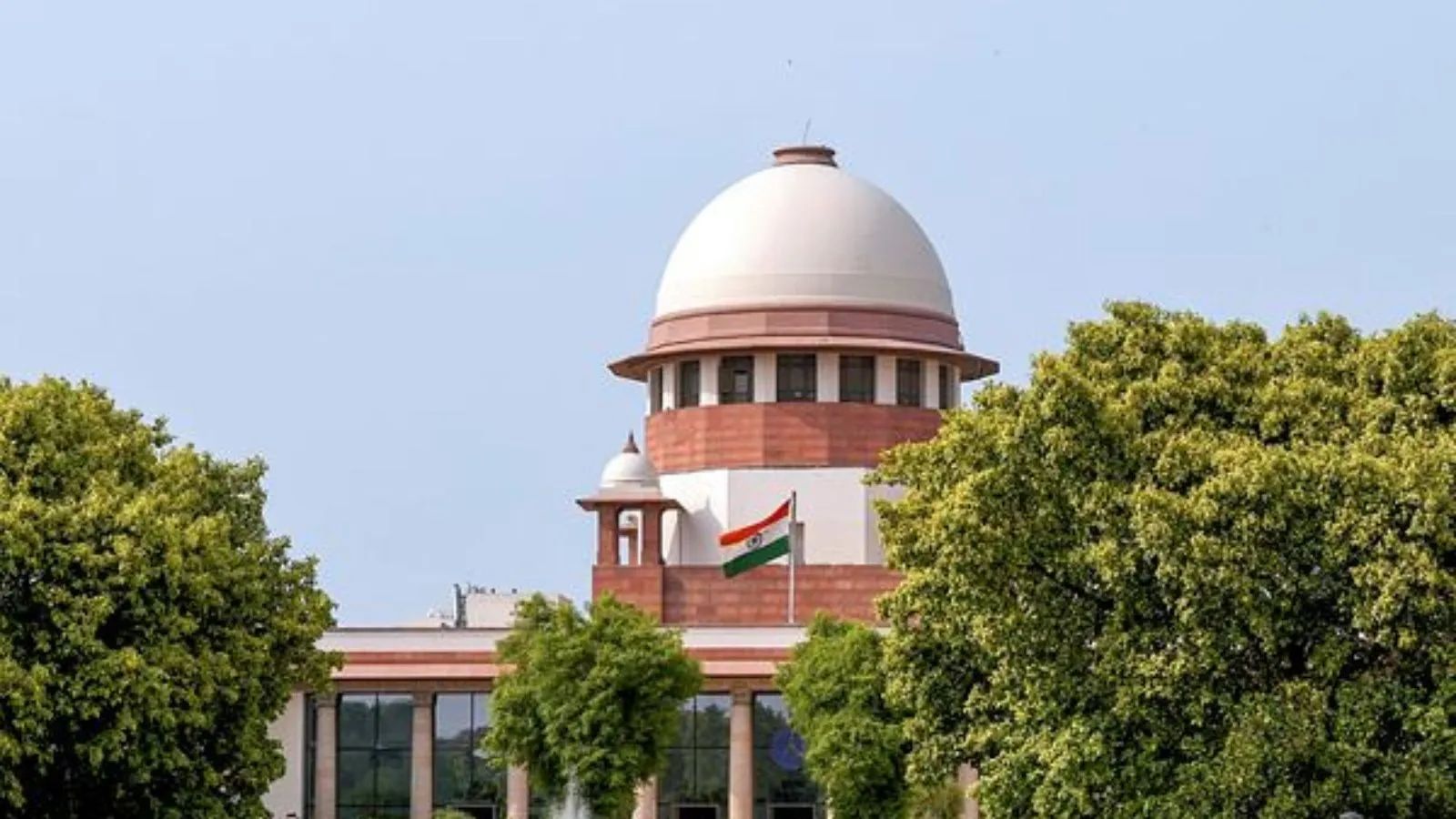
Supreme Court Judges Split Over Election Panel Law Challenge
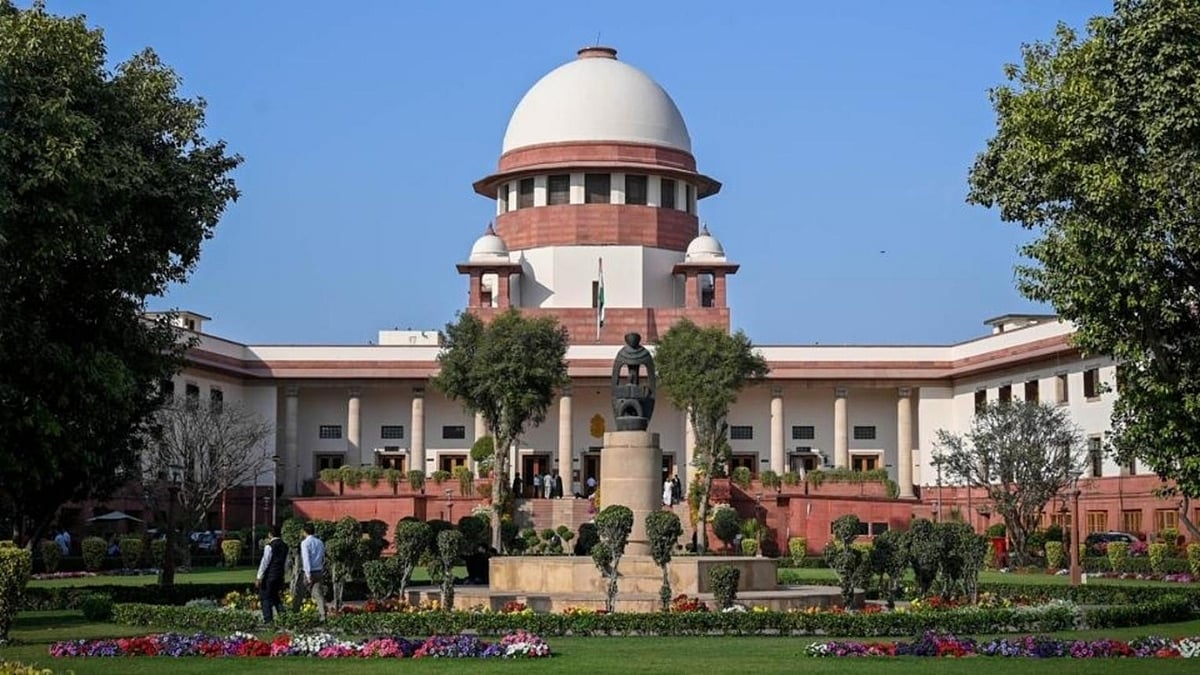
Supreme Court Splits Over Larger Bench For CEC Law
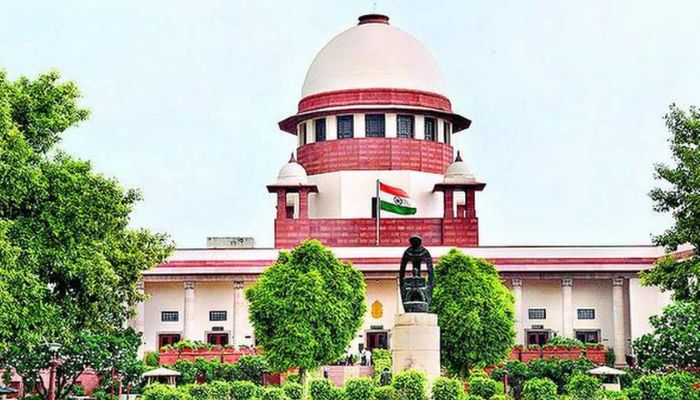
Supreme Court Questions Exclusion of CJI from Election Commissioner Panel

Bar Association Seeks Reforms for Judicial Appointments