

3 hrs ago
Skewed Monsoon Rainfall Raises Concerns Over Kharif Yields
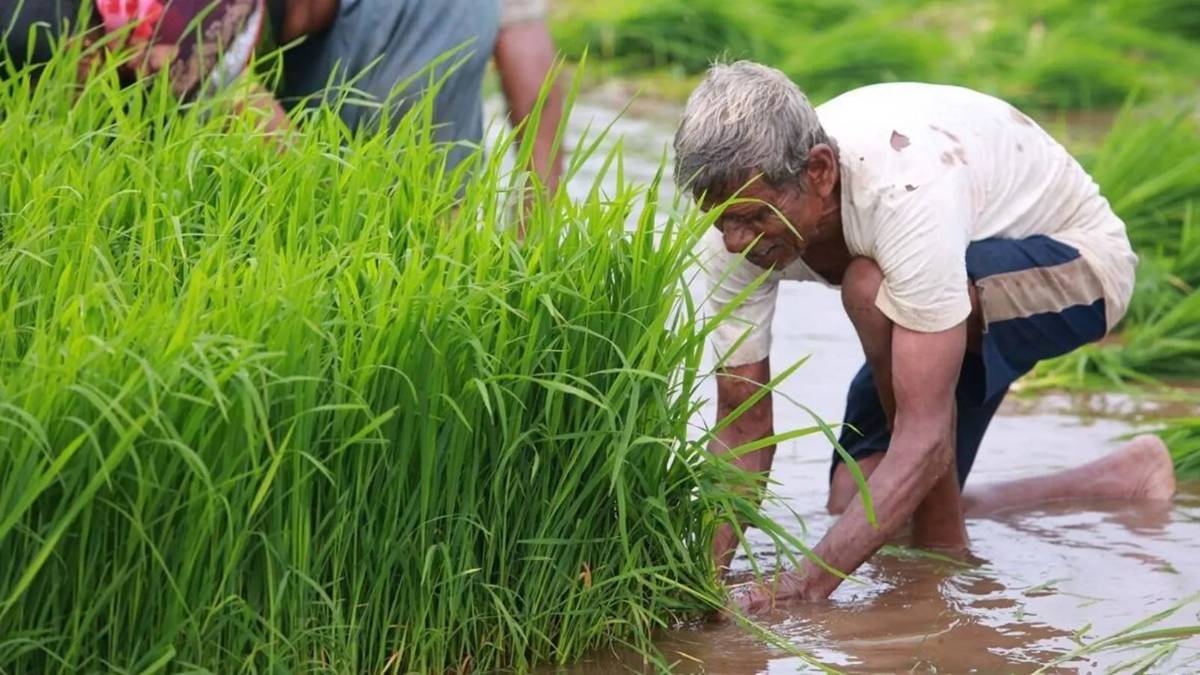
India’s rainy-season crops are facing uneven rainfall this year.
The total area planted with these crops is slightly smaller than last year.
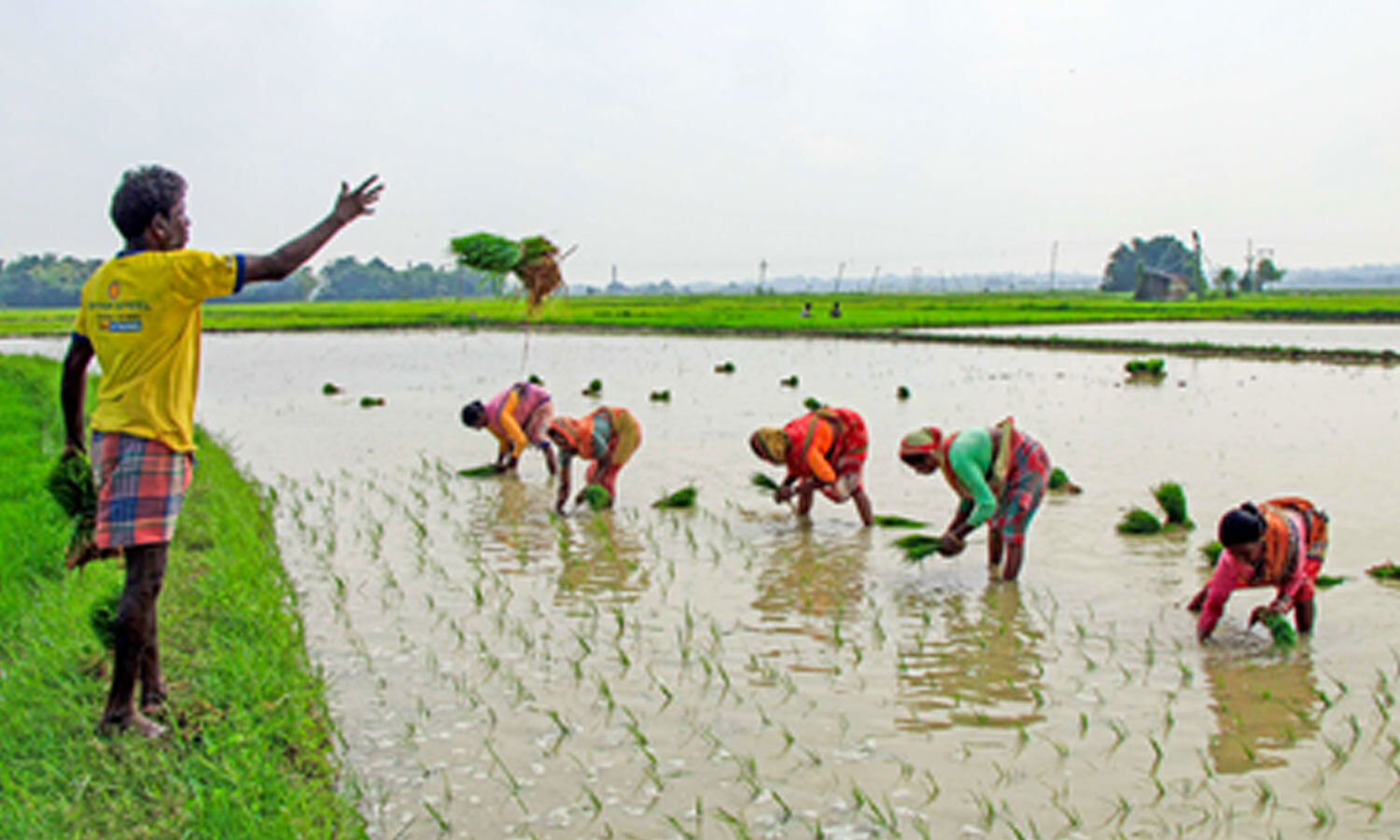
Rice planting has fallen by almost 4 percent.
Some areas, especially in southern and eastern India, did not receive enough rain.
Reservoirs in some regions also have less water.
Experts worry that crops may not grow as well if rain does not arrive at important times.
Pulses were planted on a slightly larger area, but tur crops in parts of Maharashtra and Karnataka are under stress.
The agriculture ministry is still studying the harvest outlook.
One ministry official said crop productivity may not be affected significantly.

Kharif crop acreage stood at 109.49 million hectares, down 1.4% from the previous year.
Paddy acreage fell nearly 4% to 42.68 million hectares, while pulses acreage rose marginally to 11.71 million hectares.
Rainfall remained below normal in northwest, eastern, northeastern and southern peninsular India, with 343 of about 740 districts receiving deficient or large deficient rainfall.
Analysts said uneven rainfall, lower reservoir levels and crop-stage water shortages could affect paddy, ragi, oilseeds and pulses.
The agriculture ministry is still assessing production prospects, while an official said productivity would not be significantly affected.
- Who
- Farmers growing kharif crops in India, along with agricultural analysts, processors and the agriculture ministry.
- What
- Uneven and deficient monsoon rainfall is raising concerns about kharif crop growth and yields, despite only a marginal decline in planted area.
- Where
- Across India, with particular pressure in southern India and weather-related stress in parts of eastern India.
- When
- During the June–September south-west monsoon season, with less than a fortnight remaining in the season.
- Why
- Rainfall deficits, uneven distribution and lower reservoir levels have constrained sowing, transplanting and water availability during critical crop stages.
Analysts’ concerns
Official assessment
Crop productivity
Analysts’ concerns
Analysts said uneven rainfall and lower reservoir levels could weigh on yields, particularly for paddy, ragi, tur and other pulses.
Official assessment
An agriculture ministry official said productivity would not be impacted significantly.
Paddy cultivation
Analysts’ concerns
Analysts linked pressure on paddy to deficient rain and water availability during sowing and transplanting periods.
Official assessment
The ministry reported the acreage decline but did not indicate in the article that it expected a significant productivity impact.
Pulses outlook
Analysts’ concerns
A pulses processor said tur crops were under stress in parts of Maharashtra and Karnataka and would benefit from rain in coming weeks.
Official assessment
Pulses acreage increased marginally, suggesting a somewhat stronger planted-area position than the previous year.
Key facts
- Total kharif acreage
- 109.49 million hectares, 1.4% below the previous year
- Paddy acreage
- 42.68 million hectares, nearly 4% lower year-on-year
- Pulses acreage
- 11.71 million hectares, marginally higher than the previous year
- Monsoon deficit
- 14.7% below the benchmark as of Sunday
- Rainfall outlook
- The season is expected to be deficient, below 90% of the benchmark
- Affected districts
- 343 of about 740 districts received deficient to large deficient rainfall
- Regional rainfall
- Northwest India was 9.9% below normal, east and northeast India 24.8% below, and south peninsular India 27.8% below
Quotes

Agriculture ministry
India’s agriculture ministry
“While the overall acreage picture remains broadly stable, some key crops, paddy and ragi have come under pressure due to uneven rainfall distribution and water availability concerns during critical sowing and transplanting windows.”
 financialexpress.com
“Overall, the decline in rice area coverage is mainly attributable to substantial reductions in Karnataka, Telangana, Uttar Pradesh, Andhra Pradesh, Madhya Pradesh, Jharkhand, Tamil Nadu and Maharashtra”
financialexpress.com
Sources
Related news
Uneven Final Monsoon Rainfall May Shape Kharif Crops, Prices
Government Sees Limited El Niño Impact on Kharif Crops
Improved Sowing May Cushion Kharif Output Despite Monsoon Deficit
Improved Indian Monsoon Eases Risks to Kharif Crop
Monsoon Shortfall Raises Crop, Water Concerns in Madhya Pradesh

India's Uneven Monsoon Leaves Regions Facing Severe Rain Deficits

PwC US and India Create Joint Consulting Venture

Trump Administration Proposes Ending 60-Day H-1B Grace Period

Indian Pantry Staples Gain Premium Appeal Through Trust and Traceability

Bill Gates Warns AI Could Bring Permanent Job Losses
