1 hr ago
Indian Pantry Staples Gain Premium Appeal Through Trust and Traceability

Indian shoppers are looking more carefully at everyday foods such as ghee, honey, jaggery and cooking oil.
They want to know where the food came from and whether it is pure.
Concerns about adulterated or diluted products have made people read labels more closely.
Health concerns, including diabetes and heart disease, have also changed shopping habits.
Online stores and direct-to-consumer brands make farm-sourced products easier to buy.
Some shoppers are willing to pay extra for products they believe are safer and more sustainable.
A2 and organic ghee, packaged jaggery and cold-pressed oils are growing especially quickly.
However, some products may only look traditional or premium without being meaningfully different.
Better testing, honest labelling and stronger regulation may help consumers tell genuine quality from marketing.

India’s organic food market is projected to grow from roughly $2.3 billion in 2025 to more than $11 billion by 2034.
Consumers are paying closer attention to the sourcing, processing and purity of ghee, honey, jaggery and edible oils.
A2 and organic ghee is growing at more than 22% annually, according to IMARC Group.
Packaged jaggery is growing by more than 11% annually as households replace some refined sugar use.
Cold-pressed oils command a 40–70% price premium, while brands face scrutiny over whether their claims reflect genuine product differences.
- Who
- Indian consumers, food brands and regulators are central to the trend; the article was written by the Managing Director of Adya Organics.
- What
- Everyday staples including ghee, honey, jaggery and cold-pressed oils are being re-examined and sold at premium prices based on claims about purity, sourcing and processing.
- Where
- India, particularly its supermarket, e-commerce and direct-to-consumer food markets.
- When
- The article was published on September 5, 2026; the cited market projections cover 2025 through the early 2030s or 2034.
- Why
- Consumers are seeking safer and healthier food, responding to adulteration concerns, and gaining access to more traceable products.
Authentic Premiumisation
Premium Marketing Without Product Change
What justifies higher prices?
Authentic Premiumisation
Brands that provide testing, traceable supply chains and clear information about sourcing and processing can offer consumers meaningful quality differences.
Premium Marketing Without Product Change
Some brands may use rustic packaging and premium prices without making substantial changes to the product itself.
Consumer confidence
Authentic Premiumisation
Detailed labels, disclosed sources and seasonal information can help rebuild trust in categories affected by adulteration concerns.
Premium Marketing Without Product Change
Purity claims are not automatically reliable; honey adulteration testing may require Nuclear Magnetic Resonance capabilities that most laboratories do not have.
Role of regulation
Authentic Premiumisation
Tighter labelling and disclosure standards can support honest producers and help consumers distinguish genuine quality.
Premium Marketing Without Product Change
Regulatory tightening reflects the risk that premium claims could otherwise outpace verifiable differences in the products.
Key facts
- Organic food market
- India’s organic food market was worth roughly $2.3 billion in 2025 and is projected to exceed $11 billion by 2034.
- Consumer preferences
- PwC’s 2025 survey found that 84% of Indian respondents actively seek safer, healthier food.
- Sustainability premium
- The same survey found that 73% are willing to pay more for food produced more sustainably for the land.
- Ghee growth
- A2 and organic ghee is projected to grow at more than 22% annually between 2025 and 2033.
- Honey market
- India’s honey market was worth close to ₹2,900 crore in 2025 and is expected to grow at nearly 7% annually.
- Packaged jaggery
- Packaged jaggery is growing at more than 11% annually and is projected to more than double in value by the early 2030s.
- Cold-pressed oils
- Cold-pressed oils cost 40–70% more than refined oil and generally have a shorter shelf life.
Sources
Related news

Why Indian Consumers Are Choosing Cleaner Whey Formulations

How Modern Consumers Can Identify Pure Desi Ghee

India Tightens Scrutiny of Food Labels and Health Claims

Premium Spending Becomes an Everyday Habit for Indian Consumers

Two Indian Ghees Rank No. 6 on TasteAtlas List
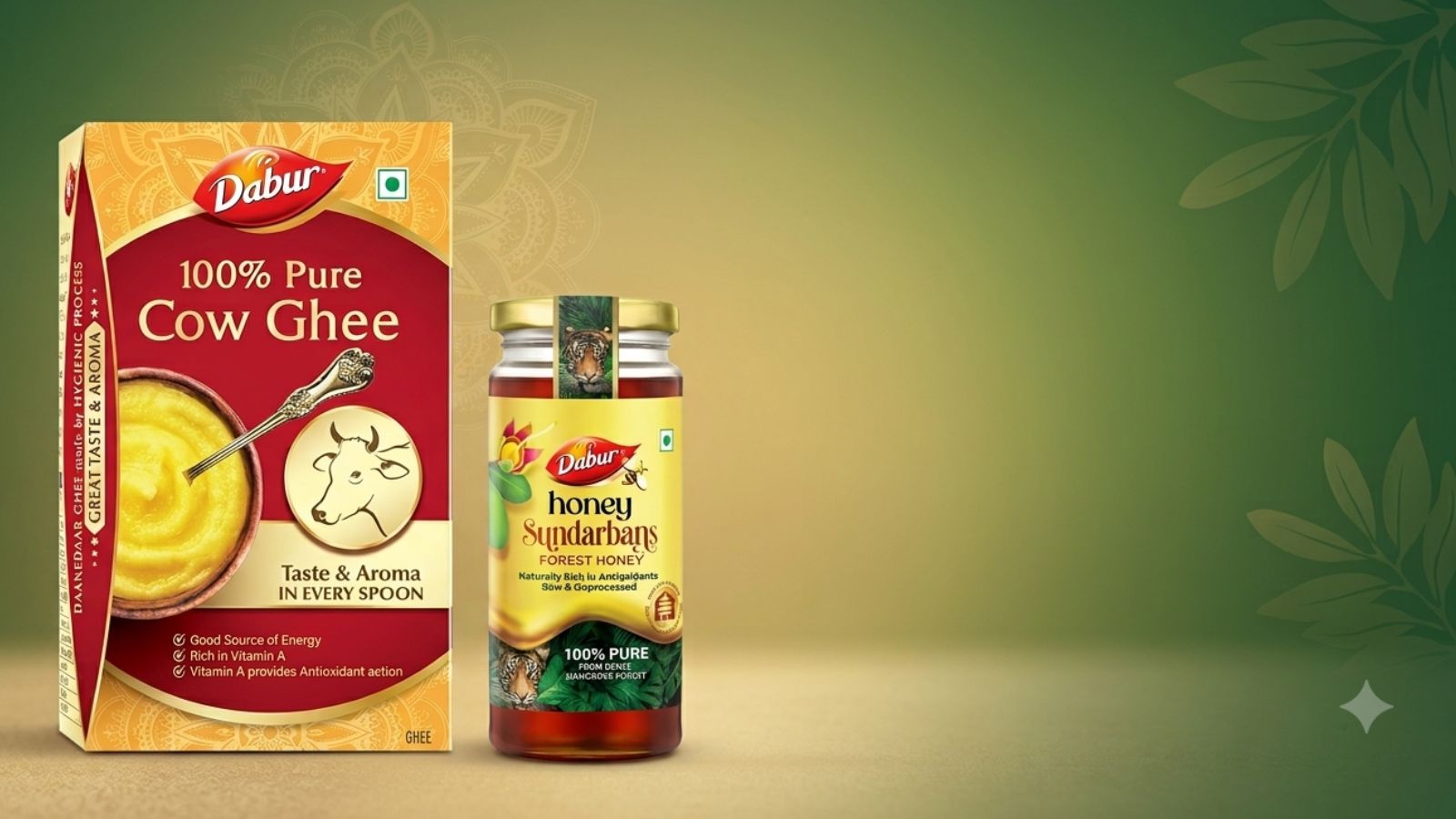
Dabur told to drop '100% natural' claims after FSSAI order

Bill Gates Warns AI Could Bring Permanent Job Losses

Audit Firms Adapt to Digital Businesses and Data Deluge

OpenAI's ChatGPT Ads Launch Reshapes India's Digital Advertising Landscape

Dombivli Software Developer Allegedly Loses ₹11 Lakh In Dating-App Fraud