1 hr ago
Trump Administration Proposes Ending H-1B 60-Day Grace Period
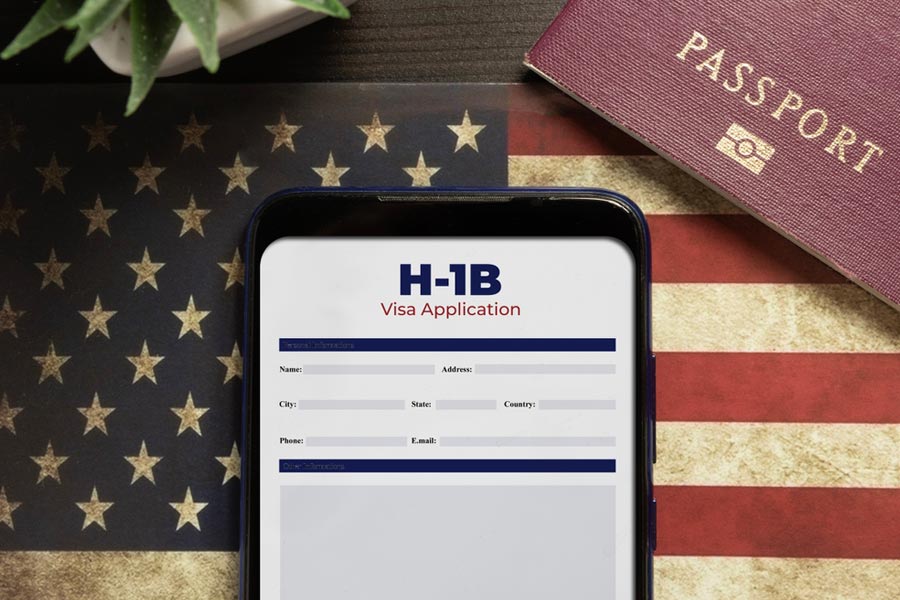
The United States currently gives some foreign workers 60 days to find a new job after losing one.
The Trump administration wants to remove that extra time.
If the rule takes effect, many workers may have to leave the country when their jobs end.
H-1B visas are often used by technology companies to hire skilled workers.
Many H-1B workers come from India and China.
The government says companies could hire qualified Americans or apply for a new worker petition.
Immigration lawyers say companies would have much less time to handle layoffs.
People can comment on the proposal for two months before the government decides whether to enact it.

The Trump administration proposed eliminating the 60-day grace period for H-1B and certain other temporary work visa holders who lose their jobs.
Under the proposal, affected workers would have to leave the United States when their employment ends unless another immigration option applies.
The Department of Homeland Security said jobs could instead go to equally qualified U.S. workers or employers could file new petitions.
Immigration lawyers warned the change would sharply reduce the time companies have to manage layoffs involving foreign workers.
The proposal is subject to a two-month public comment period and would affect workers from countries including India, China, Singapore, Chile, and Australia.
- Who
- The Trump administration, the U.S. Department of Homeland Security, H-1B visa holders, employers, and immigration lawyers.
- What
- A proposal to eliminate the 60-day grace period that lets certain foreign workers remain in the United States after losing their jobs.
- Where
- The United States, including employers and workers affected by U.S. temporary work visa rules.
- When
- The government notice was posted on Thursday; the existing grace period has been in place since 2017, and the proposal includes a two-month public comment period.
- Why
- The administration says jobs could go to equally qualified U.S. workers, while the change is also part of President Donald Trump's effort to limit legal migration.
Administration and U.S. Worker Rationale
Worker and Employer Concerns
Impact on jobs
Administration and U.S. Worker Rationale
The Department of Homeland Security said employers could offer the jobs to equally qualified U.S. workers or file new petitions based on workforce needs.
Worker and Employer Concerns
Technology companies that rely on foreign skilled workers could face disruption if employees must leave immediately after job loss.
Time to respond to layoffs
Administration and U.S. Worker Rationale
The administration proposes ending the existing 60-day period after employment ends.
Worker and Employer Concerns
Immigration lawyers said the change would sharply compress the time human-resources teams have to manage layoffs and offboarding for foreign-national employees.
Future employment options
Administration and U.S. Worker Rationale
DHS said some workers who leave the country could potentially reapply if an employer files a petition for them.
Worker and Employer Concerns
Workers would lose the current period used to find another U.S. job or arrange personal affairs before departure.
Key facts
- Current grace period
- Up to 60 days for certain workers, including H-1B visa holders, to find a new sponsor or arrange to leave the United States.
- Proposed change
- Affected workers would generally have to leave the country when their employment ends.
- Agencies and process
- The proposal was published in the Federal Register by the U.S. Department of Homeland Security and is open to public comment for two months.
- Visa categories affected
- H-1B, E-1, E-2, L-1, O-1, TN, H-1B1, and E-3 visas.
- Key worker sources
- H-1B visas are especially important for technology companies hiring talent from India and China.
- Named sponsors
- Deloitte, PwC, Ernst & Young, Tata Consultancy Services, Infosys, HCL Tech, and LTIMindtree are identified as major H-1B sponsors.
- Grace-period purpose
- Workers use the time to seek another job or manage arrangements such as selling a home or moving children out of school.
Quotes

U.S. Department of Homeland Security
Federal agency proposing changes to temporary work visa rules
“DHS presumes that they will either offer the same jobs to equally qualified U.S. workers or go through the I-129 petition process depending on their workforce requirement.”
 telegraphindia.com
Sources
Related news

H-1B Grace Period Could End After US Layoffs
Trump Administration Proposal Could End H-1B Grace Period

Proposed H-1B Grace-Period End Raises Indian Worker Concerns
Trump White House Clears Plan Ending H-1B Grace Period
Proposed H-1B Changes Could Tighten Worker and Spouse Protections

H-1B 60-Day Grace Period May End, Affecting Indian Workers

Indian Pantry Staples Gain Premium Appeal Through Trust and Traceability

Bill Gates Warns AI Could Bring Permanent Job Losses

Audit Firms Adapt to Digital Businesses and Data Deluge

OpenAI's ChatGPT Ads Launch Reshapes India's Digital Advertising Landscape