

3 weeks ago
Quick commerce private-label push gathers pace as platforms chase margins
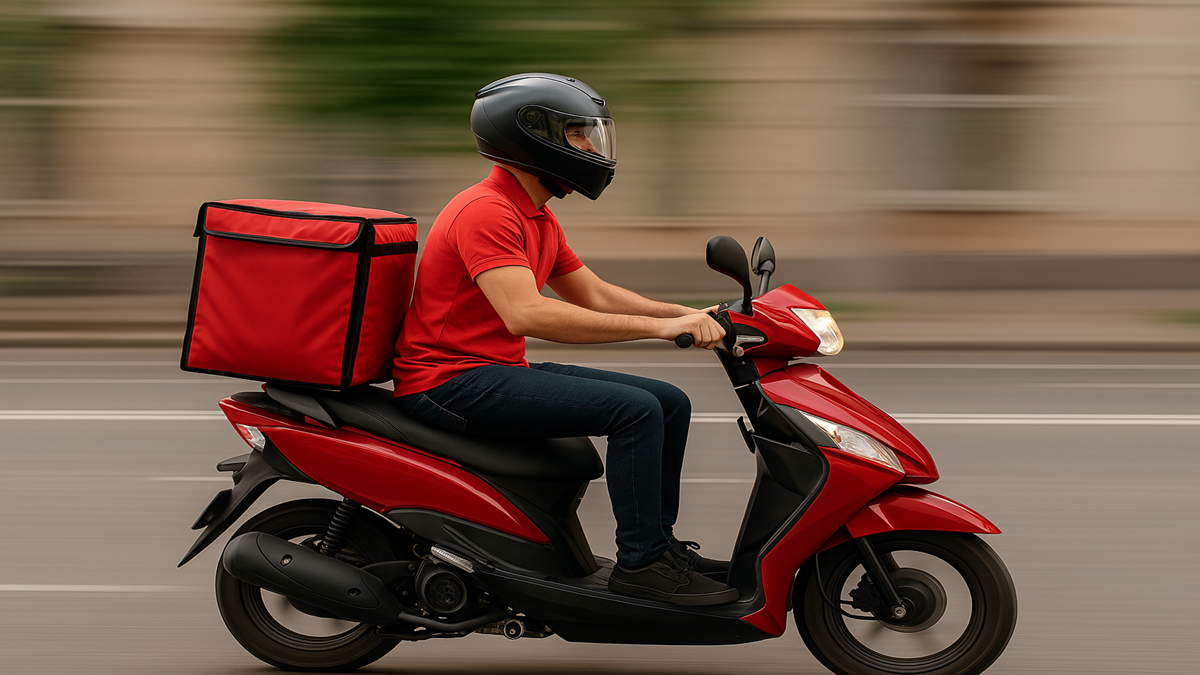
When you order milk or snacks on a phone app and they arrive in minutes, that is called quick commerce.
Big grocery apps like Swiggy Instamart, Zepto, Blinkit and BigBasket are now selling more of their own brands, with their own names on the packets.
These own brands are called private labels.
The apps like selling their own brands because they make more money from them than from other companies' brands.
They can also set the price and make sure the food is always in stock.
Since early 2025, the share of sales from private labels has grown a lot, from about 6-8% to 12-16%.
BigBasket gets about 35% of its money from its own brands, the most of any platform.
Swiggy's Instamart is pushing its own brands the hardest, with lots of new products like snacks and drinks.
Some private-label products are much cheaper than other brands, so shoppers can save money.
The apps are even trying their own fresh fruits and vegetables in some cities.

Private labels now account for 12-16% of quick-commerce sales, up from 6-8% in early 2025.
BigBasket leads the market, with private labels making up about 35% of its revenue.
Swiggy's Instamart is the most aggressive private-label player, followed by Zepto and Blinkit.
Platform private labels in staples earn 15-25% margins, roughly twice those on third-party brands.
Instamart is piloting its Nectr fresh-produce label in five dark stores in Bengaluru.
- Who
- Indian quick-commerce platforms, including Swiggy's Instamart, Zepto, Blinkit (owned by Eternal) and Tata-owned BigBasket
- What
- Rapid expansion of platform-owned private labels in staples, snacks, beverages and fresh produce to boost margins and control
- Where
- India, with pilots in Bengaluru and Mumbai
- When
- Reported in 2026, tracking growth since early 2025; Instamart's Supreme Harvest was launched in 2022
- Why
- To improve margins and gain greater control over pricing, availability and customer retention
Aggressive private-label expansion
Selective private-label approach
Private-label strategy in staples
Aggressive private-label expansion
Swiggy's Instamart and Zepto aggressively push their own brands across a wide range of staples to capture higher margins and build scale.
Selective private-label approach
Blinkit deliberately restrains its Whole Farm label, preferring to stock the widest possible range and give customers many brand options.
Key facts
- Private-label sales share
- 12-16% of quick-commerce sales, up from 6-8% in early 2025
- BigBasket private-label share
- About 35% of revenue
- Instamart Supreme Harvest staples share
- 22-25%, up from about 18% a year ago
- Zepto Daily Good staples share
- 12-14%
- Blinkit Whole Farm staples share
- 8-10%
- Staples private-label margins
- 15-25%, roughly double those on third-party brands
- Fresh produce private-label margins
- 35-45%, three to four times those on third-party sellers
- Noice premium label
- Spans 46+ categories and 380 SKUs, in one in every 10 baskets
Quotes
Satish Meena
Advisor at Datum Intelligence
“"The restraint is deliberate. Blinkit would rather stock the widest possible range than lean too hard on its own label. They want to give as many options to the customer. Swiggy has been the most aggressive, with Zepto also going after a wider range."”
 financialexpress.com
Sources
Related news
Flipkart Minutes Enters Gourmet Grocery Market With Private Label Pykd
Quick Commerce Platforms Turn Premium Grocery Into Growth Strategy

Flipkart Minutes Overtakes Instamart As Quick-Commerce Race Intensifies
QCaaS Could Drive Next Phase of India's Quick Commerce Growth
Quick Commerce Replays Modern Trade Revolution Faster in India
Swiggy’s IOCC Hurdle Clears Path for Instamart Turnaround

Auto Industry Urges Shift From Make to Create in India

Car Sales Aug'26: Tata Leads Growth, Maruti Dominates Volume

Brokerages Favor Indian Auto Stocks as Truck Sales Surge

Auto stocks plunge despite strong August sales and demand outlook

Tata Motors Rises to No. 2 in India's PV Market
