3 days ago
NAC’s Influence Revives Debate Over ‘Dimagi Naxal’ Label
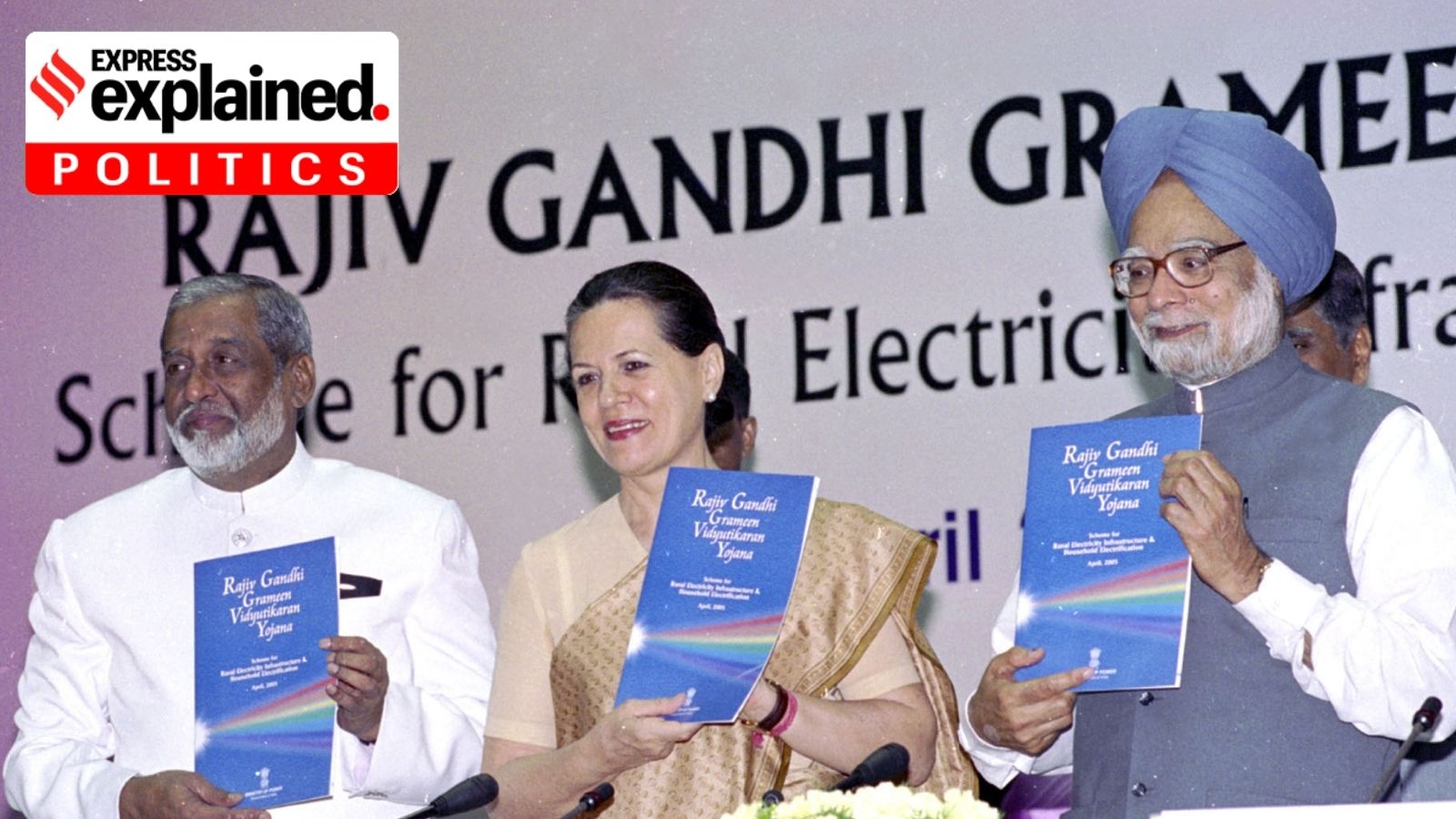
The National Advisory Council, or NAC, was a group that advised India’s government.
It was created in 2004 when the Congress-led UPA came to power.
Sonia Gandhi was its chairperson.
The group included activists, academics and policy experts.
It helped develop important laws about information, rural jobs and food.
The NAC could not make laws by itself, because the government had the final say.
However, its members had unusually close access to government decision-makers.
Critics, especially the BJP, said this gave an unelected group too much influence.
The debate has returned because BJP-RSS supporters are using the label “Dimagi Naxal” against people they accuse of supporting Left-wing extremism.

The National Advisory Council was formed in 2004 under the Congress-led UPA government.
Chaired by Sonia Gandhi, it advised the Centre on the common minimum programme.
The NAC helped shape the Right to Information Act, MGNREGA and food-security legislation.
Although formally advisory, its access to government made it politically influential.
BJP-RSS critics now portray the NAC as an example of unelected influence over governance.
- Who
- The National Advisory Council, chaired by Sonia Gandhi, and its members, including activists, academics and policy experts.
- What
- A debate has revived over the NAC’s influence and its connection to the politically used label “Dimagi Naxal.”
- Where
- The NAC advised the Union government in India.
- When
- The NAC was formed in 2004; the current debate followed Prime Minister Narendra Modi’s Independence Day call to identify and isolate “Dimagi Naxals.”
- Why
- The issue resurfaced after Organiser linked the former council to allegations that ideologically driven actors influenced governance.
Supporters and Defenders of the NAC
Critics of the NAC
Role in policymaking
Supporters and Defenders of the NAC
The NAC provided government with access to civil-society actors, activists and policy experts, helping shape rights-based welfare reforms.
Critics of the NAC
The BJP argued that an unelected body exercised influence disproportionate to its formal advisory status.
Democratic accountability
Supporters and Defenders of the NAC
The NAC could recommend policies, but the government retained normal scrutiny and final decision-making authority.
Critics of the NAC
Critics questioned the political weight and access enjoyed by the council, especially because its chairperson held Union Cabinet Minister rank and status.
‘Dimagi Naxal’ characterization
Supporters and Defenders of the NAC
The NAC is presented by its defenders as a channel for activists and experts to contribute to public policy.
Critics of the NAC
Organiser described the Sonia Gandhi-led NAC as a “classic takeover” by people it associates with the “Dimagi Naxal” label, alleging influence across governance and public institutions.
Key facts
- Formation
- Created in 2004 after the Congress-led UPA returned to power.
- Chairperson
- Sonia Gandhi, then president of the Congress party.
- Formal role
- An advisory body whose recommendations were subject to normal government scrutiny.
- Major policy areas
- Right to Information, rural employment and food security.
- Notable legislation
- The Right to Information Act, MGNREGA and the National Food Security Act.
- Political controversy
- The BJP criticized the NAC as an unelected, extra-constitutional body with disproportionate influence.
- Office-of-profit episode
- Sonia Gandhi resigned as Rae Bareli MP and NAC chairperson in March 2006; Parliament later exempted the chairperson’s post from disqualification.
Quotes

Manmohan Singh
Former Prime Minister of India who spoke at the launch of the NAC website in 2004
“the government takes the advice of the NAC seriously”
 indianexpress.com
Sources
Related news
Ram Madhav Defends Modi’s ‘Dimagi Naxal’ Remark
Dimagi Naxal Janta Party X account emerges after PM remark

Chidambaram proud to be 'dimagi naxal', hits back at Modi
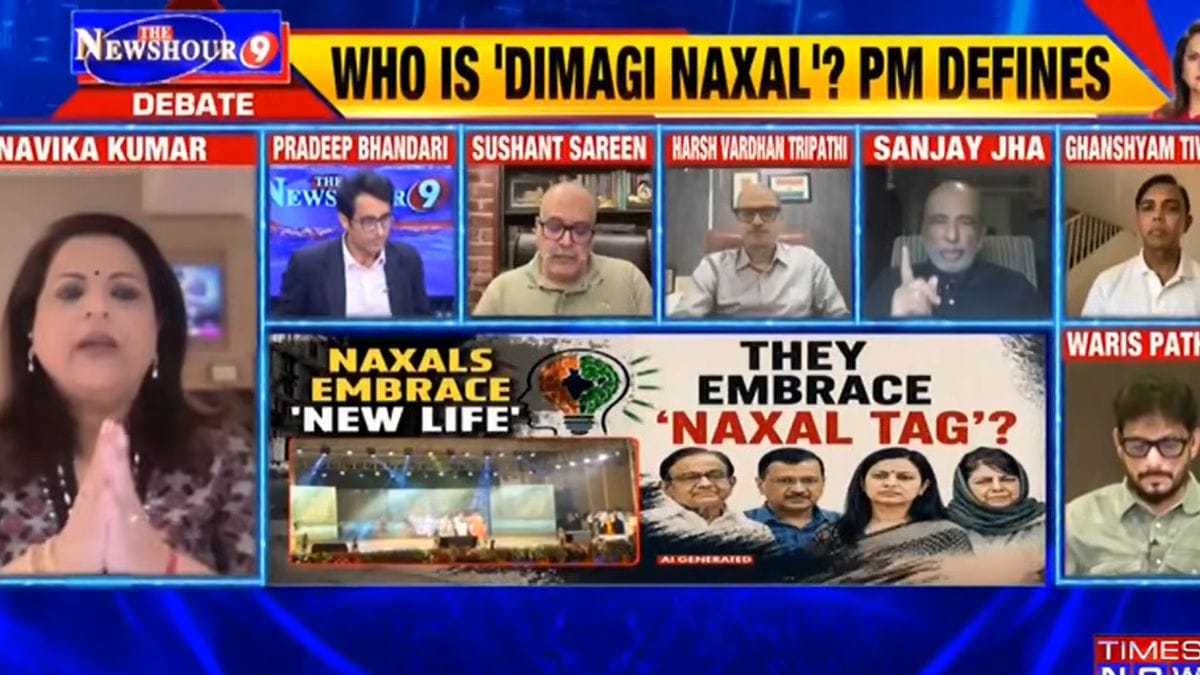
Media Debate Intensifies Over Modi’s ‘Dimagi Naxals’ Remark

Chidambaram 'proud' to be 'dimagi Naxal', BJP slams remark
Goyal Defends India’s 7.8% GDP Growth Amid Data Debate

Manipur Census Deferment Welcomed as Step Toward Public Aspirations
UPSC Key Covers SCO, Electoral Rolls, Economy, Defence and Climate

West Bengal CM Crushes Nearly 2 Lakh Seized Syrup Bottles

Modi Highlights India’s Growing Avocado Market and Farmer Gains