1 week ago
Media Debate Intensifies Over Modi’s ‘Dimagi Naxals’ Remark
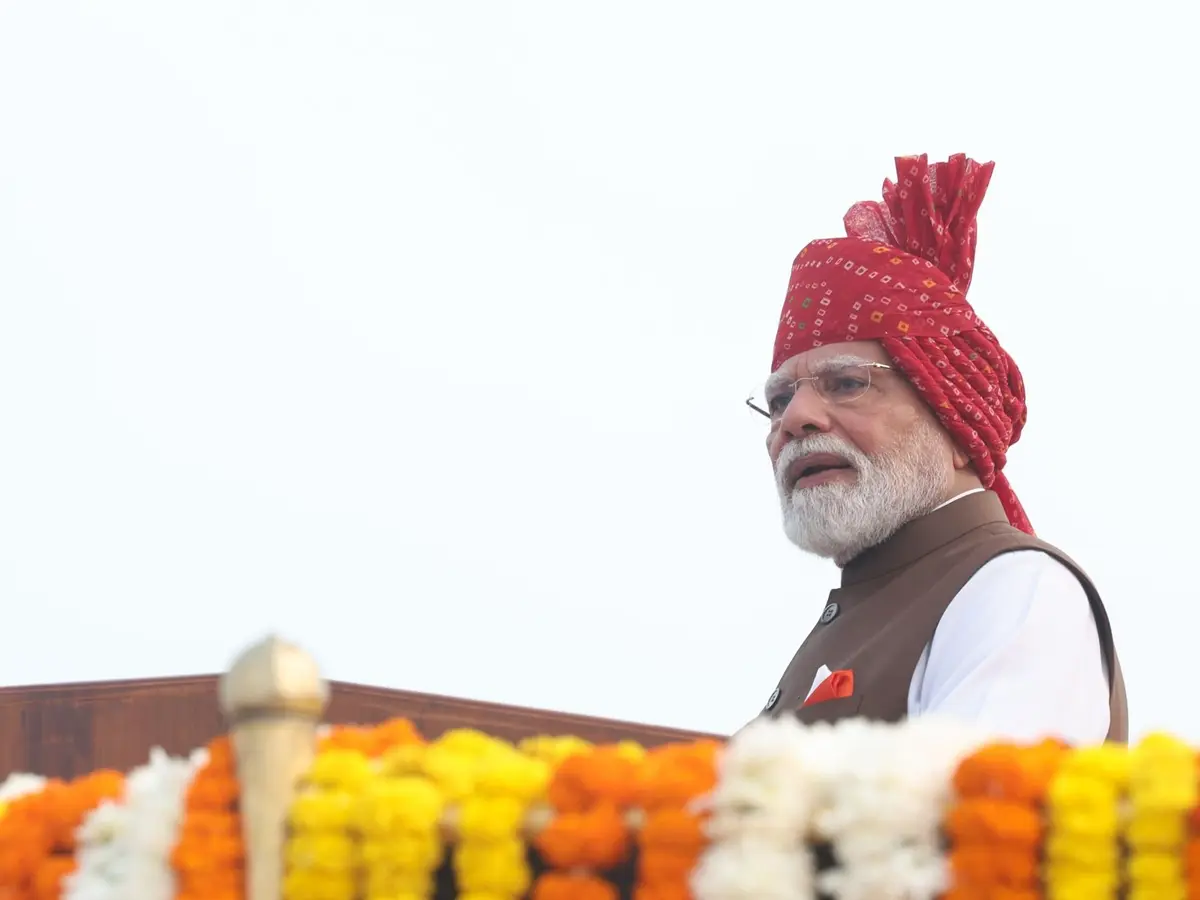
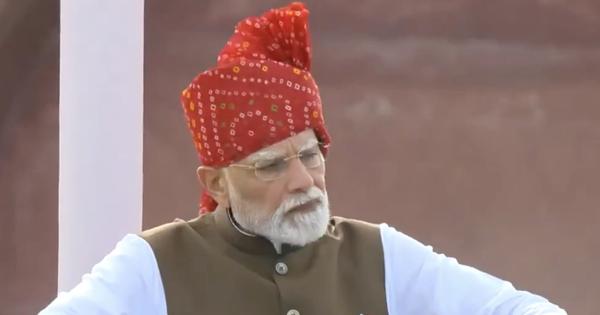
Prime Minister Narendra Modi used a new phrase, “Dimagi Naxals,” during his Independence Day speech.
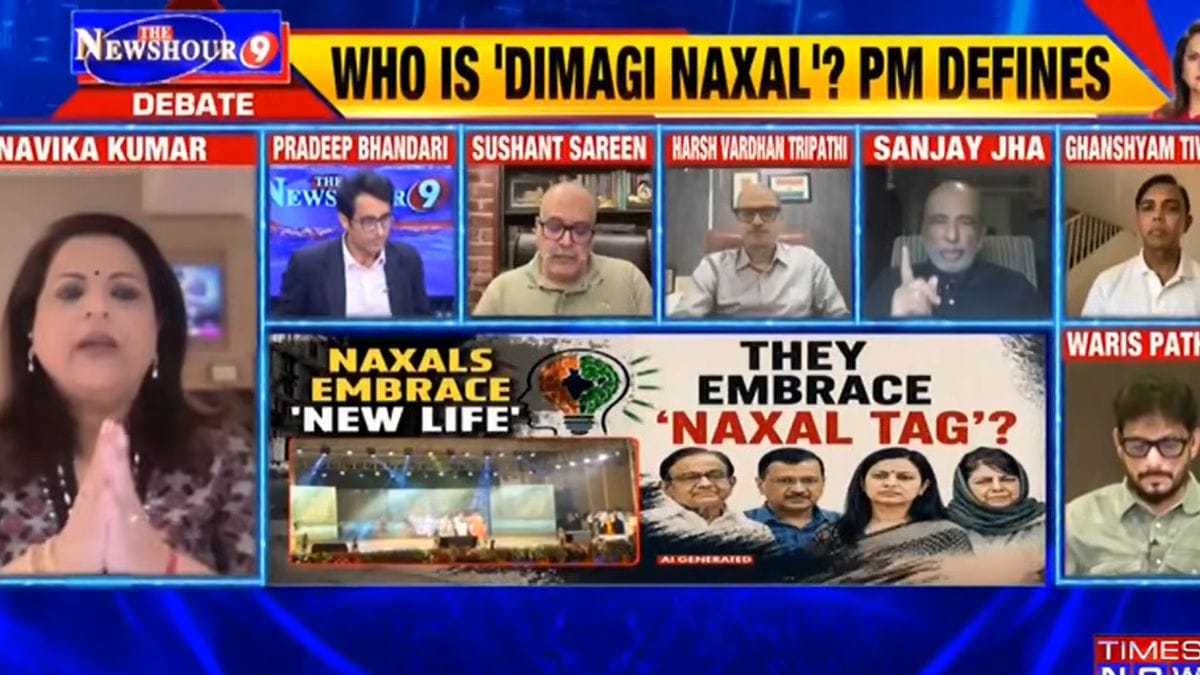
The phrase was not clearly defined, so television channels and politicians argued about who it described.
Some opposition leaders said the phrase could be aimed at critics of the government.
BJP leaders said it referred to ideological supporters of Naxalism.
The argument became a major topic on television and social media.
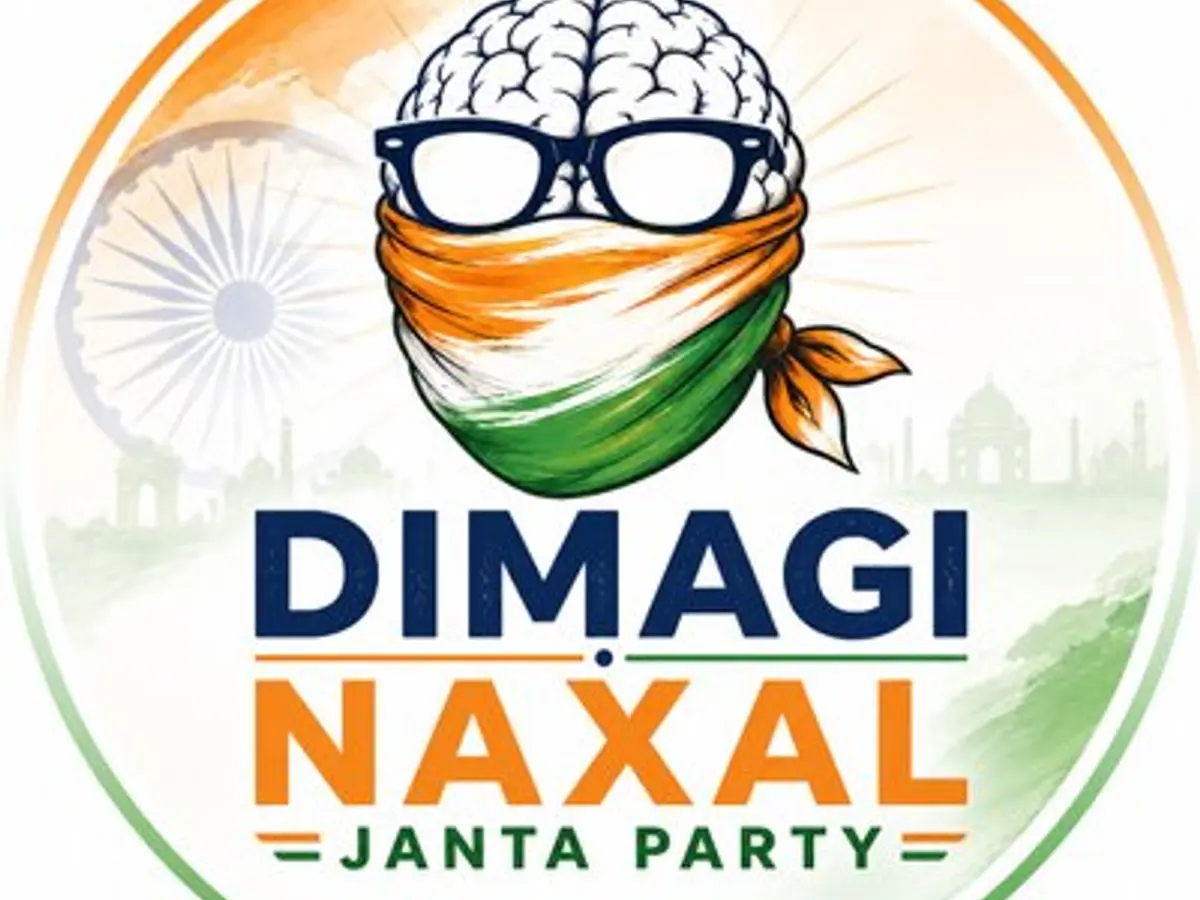
A social-media group called the Dimagi Naxal Party even appeared.
Some newspapers criticised the phrase, while others focused on Modi’s plans for India’s development.
The argument eventually shifted to a separate dispute involving Sonia Gandhi and Vande Mataram.
The article also criticises Times Now for airing unsupported claims made by Satyaki Savarkar about Mahatma Gandhi’s assassination.

Prime Minister Narendra Modi used the term “Dimagi Naxals” in his Independence Day speech from Delhi’s Red Fort.
Television news focused heavily on defining the phrase, while political parties exchanged attacks over its meaning.
Opposition leaders including P Chidambaram, Arvind Kejriwal and Mahua Moitra claimed the label or identified themselves with it.
The Hindu and The Indian Express criticised the remark as divisive, while other newspapers supported, downplayed or bypassed the controversy.
The debate later gave way to a dispute over Sonia Gandhi’s alleged attempt to stop the singing of Vande Mataram at Congress headquarters.
- Who
- Prime Minister Narendra Modi, opposition leaders, the Bharatiya Janata Party, the Indian National Congress and news organisations were involved in the debate.
- What
- A media and political controversy developed over Narendra Modi’s use of the term “Dimagi Naxals” in his Independence Day speech.
- Where
- The speech was delivered at Delhi’s Red Fort, while the debate took place across television, newspapers and social media.
- When
- The controversy dominated coverage over the weekend and into Monday after the Independence Day speech; newspaper editorials discussed it on 17 August.
- Why
- Modi used the phrase while discussing ideological supporters of Naxalism, but did not specify exactly whom he meant, prompting competing interpretations and political attacks.
Opposition and Critics
BJP and Supporters
Meaning of “Dimagi Naxals”
Opposition and Critics
Opposition figures and television commentators argued that the phrase was unclear and might target government critics, including younger protesters and ideological opponents.
BJP and Supporters
BJP figures interpreted the phrase as referring to ideological supporters of Naxalism, including what one commentator described as Urban Naxals and certain ideologues in Jammu and Kashmir.
Whether the remark was appropriate
Opposition and Critics
The Hindu and The Indian Express said the reference created a phantom enemy, was troubling and had no place in targeting people for their ideas.
BJP and Supporters
The Telegraph said the reference was surprising but described the opponents’ reaction as puerile, while other newspapers focused instead on Modi’s development and reform agenda.
Media priorities
Opposition and Critics
Critics argued that television coverage displaced the speech’s “saptdhara” mission and broader vision for youth and national development.
BJP and Supporters
The article notes that political parties on both sides continued promoting their conflicting narratives, making the phrase a dominant news topic.
Key facts
- Speaker
- Prime Minister Narendra Modi
- Speech
- Independence Day address from the Red Fort
- Term debated
- “Dimagi Naxals”
- Television focus
- News anchors and commentators debated who the phrase described.
- Newspaper criticism
- The Hindu and The Indian Express called the reference troubling or divisive.
- Social-media reaction
- A group called the Dimagi Naxal Party appeared on social media and was reported by The Economic Times to have nearly five lakh Instagram members.
- Later controversy
- Coverage shifted to Sonia Gandhi’s alleged attempt to stop the singing of Vande Mataram at Congress headquarters on 15 August.
Quotes
The Indian Express
Editorial in The Indian Express newspaper
“"Mr Modi sought to offer hope, inspiration and purpose on the one hand, while on the other, build a new phantom labelled ‘Dimagi Naxals’."”
 theprint.in
“"There is no place for isolating or targeting anyone on the basis of their ideas – their ‘dimag’."”
theprint.in
Sources
Related news
Opposition leaders hit back at Modi's 'dimagi Naxal' remark
Dimagi Naxal Janta Party X account emerges after PM remark

PM Modi's 'Dimaagi Naxal' Remark Sparks Anti-Dissent Debate

Chidambaram 'proud' to be 'dimagi Naxal', BJP slams remark
Congress dubs Modi 'master abuser' over 'dimaagi Naxals' remark

Rijiju Clarifies 'Dimagi Naxals' Remark; Chidambaram 'Proud To Be One'

Press Bodies Challenge FIR Over ABP's 'Gerua Gundami' Report

Mahua Moitra Faces Black-Flag Protest During Bengal Visit

Calcutta High Court Orders Protection for Mahua Moitra
Supreme Court Defers Lokpal Pleas in Mahua Moitra Case
Court Notice, Speaker Seeks Replies From 20 Rebel TMC MPs