5 days ago
Nepal Glacier Collapse Raises Questions About Emerging Climate Risks
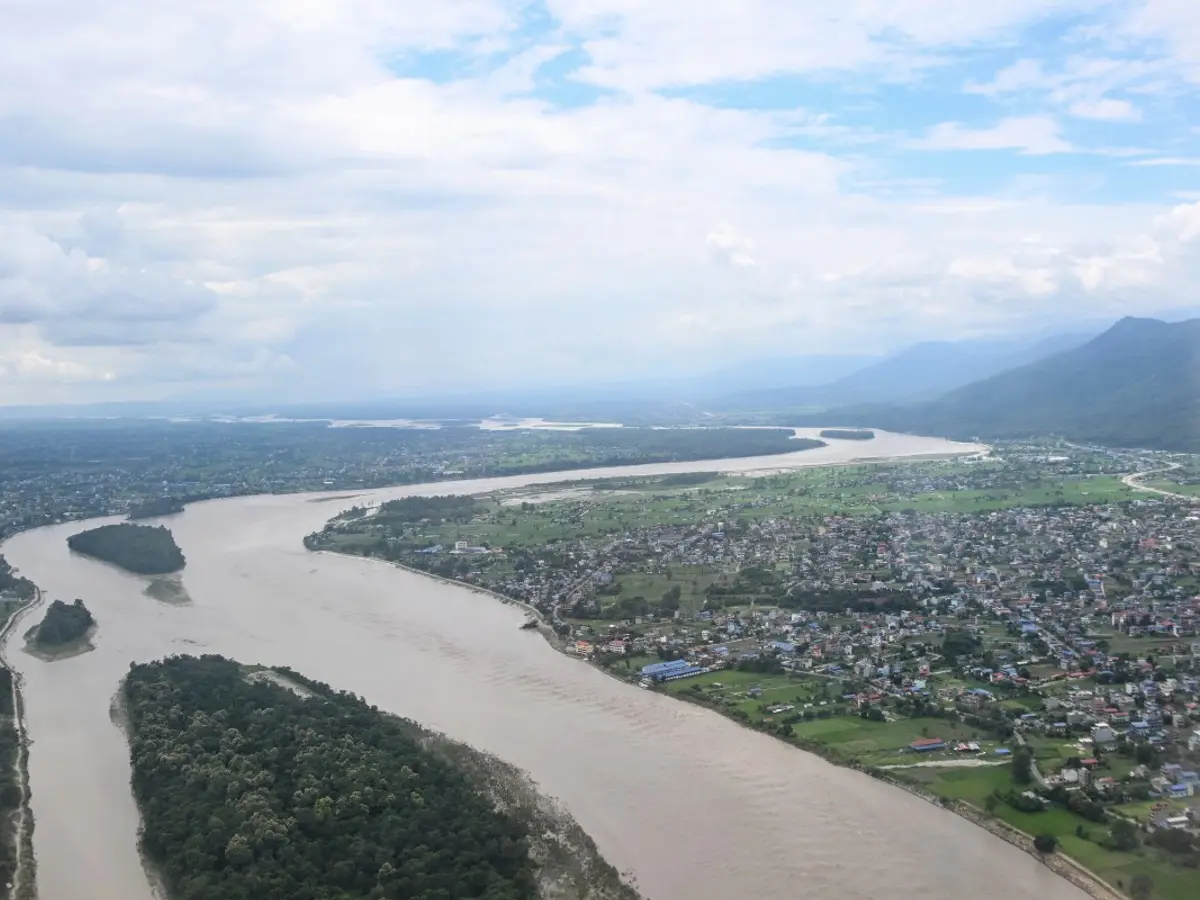
A large piece of glacier and mountain broke away in Tibet.
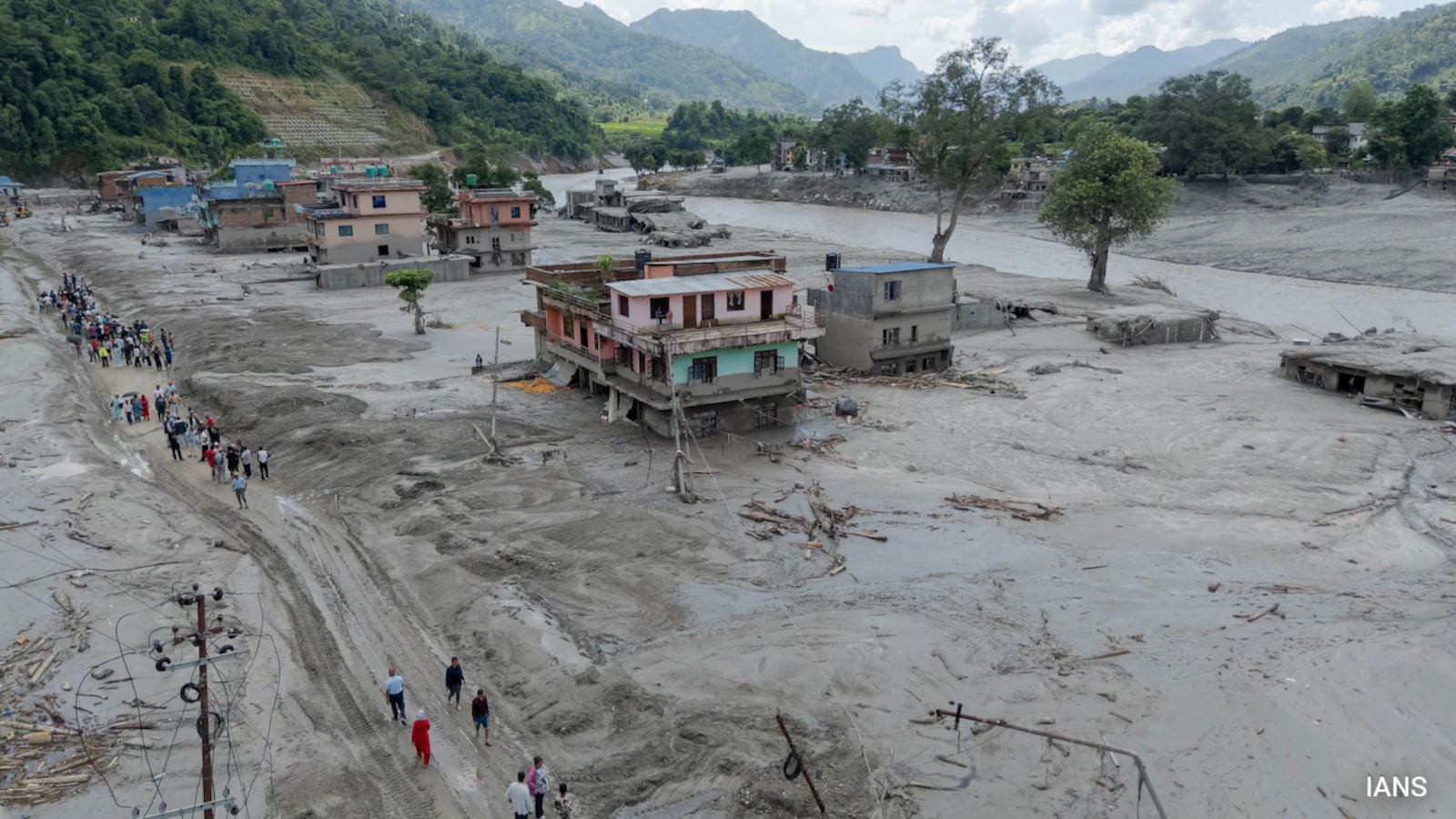
The collapse caused powerful floods and landslides that affected Nepal.
At least 584 people died, and more than 2,400 are still missing.
Scientists worry that another nearby section could also fall.
They say climate change is making glaciers, permafrost, and mountain slopes change.
These changes may increase some kinds of rockfalls and landslides.
However, scientists cannot yet prove that climate change caused this particular disaster.
Special studies would be needed to compare today’s warmer climate with the climate before industrial fossil-fuel use.
Scientists can more easily watch for danger when meltwater lakes form near glaciers.

A glacier section collapsed in China’s Tibet region, triggering devastating floods and landslides in Nepal.
The disaster killed at least 584 people, while more than 2,400 remain missing.
Nepal warned of risks from a large water body formed after the collapse.
Scientists said nearby mountain material could remain unstable and cause another collapse.
Experts reported increasing hazardous flows globally but said climate change’s role in this event remains unproven.
- Who
- People in Nepal were affected; scientists and mountain-risk institutions assessed the disaster.
- What
- A section of glacier collapsed, generating a major flood, landslides, and concerns about another collapse.
- Where
- The collapse occurred in China’s Tibet region, while the resulting flooding affected Nepal; comparable risks were discussed in the Himalayas, Alps, Alaska, and Switzerland.
- When
- The collapse occurred two days before Nepal issued its Friday alert; the exact date is not stated.
- Why
- The collapse displaced a large amount of material and water, while changing glaciers, permafrost, and mountain slopes may increase some hazards; climate change’s specific role remains undetermined.
Cautious Climate Attribution
Growing Climate-Related Hazard
Climate change and this disaster
Cautious Climate Attribution
The International Centre for Integrated Mountain Development said it is too early to determine what role climate change played in this specific event.
Growing Climate-Related Hazard
Some experts are already connecting the disaster to broader climate-driven changes in glaciers, snow, permafrost, and mountain slopes, though they have not established direct causation.
Trend in dangerous events
Cautious Climate Attribution
Scientists caution that the Nepal collapse was difficult to predict and that its climate connection requires analysis of rock movements and a formal attribution study.
Growing Climate-Related Hazard
Tristram Hales said extremely hazardous flows have increased dramatically worldwide over roughly the past decade, while Ludovic Ravanel linked most of this year’s Alpine rockfalls to the climate crisis.
Future risk
Cautious Climate Attribution
Entire mountain sections collapsing may be less common than rockfalls and landslides triggered by earthquakes or thawing permafrost, and the Nepal event’s immediate recurrence remains uncertain.
Growing Climate-Related Hazard
Simon Cox warned that removing one section of mountain may destabilize adjacent material, creating a risk of another collapse soon.
Key facts
- Deaths
- At least 584 people were killed.
- Missing
- More than 2,400 people remain missing.
- Alert
- Nepal warned about risks from a large body of water formed in Tibet after the collapse.
- Flood energy
- The United States Geological Survey said the flood was generated by a collapse with energy equivalent to a magnitude 5.2 earthquake.
- Main hazards
- The event caused flooding and numerous landslides, while scientists warned of possible repeat collapse.
- Monitoring
- Glacial lakes can be monitored for overflowing or sudden drainage, known as glacial lake outburst floods.
- Required research
- Scientists said an attribution study is needed to determine climate change’s role in this specific event.
Quotes
Tristram Hales
Professor of environmental hazards at Cardiff University
“Once you take a piece of mountain away, then there's probably another piece right beside it that's been destabilised by the removal. And so you could have a similar thing collapse.”
 NDTV
NDTV
“We have seen a dramatic increase in the number of extremely hazardous flows such as this globally in the past decade or so.”
NDTV

International Centre for Integrated Mountain Development
Intergovernmental mountain research institute
“While climate change is altering glaciers, snow conditions, permafrost and mountain slopes across the Hindu Kush Himalaya, it is too early to determine what role climate change played in this specific event.”
NDTV
Sources
Related news
Nepal Flood Highlights Rising Glacier Risks in Warming Himalayas

Nepal Glacier Collapse Exposes Rising Himalayan Flash-Flood Risks
Nepal Disaster Highlights Growing Complexity of Himalayan Hazards
Glacier Collapse May Have Triggered Deadly Nepal Flood

Nepal Flash Floods Expose Glacier Risks Amid Climate Concerns
Kailash Flood Tragedy Puts Sadhguru’s Safety Claims Under Fire

Nepal Flood Death Toll Tops 1,200 as Searches Continue
Satellite Radar May Strengthen Nepal's Flood Warning Systems
Nepal Plans New Landslide Warning System Along China Border

Nepal Thanks India as Glacial Disaster Rescue Efforts Continue