2 hrs ago
India Helps Iran, UAE Bridge Divisions at BRICS Summit

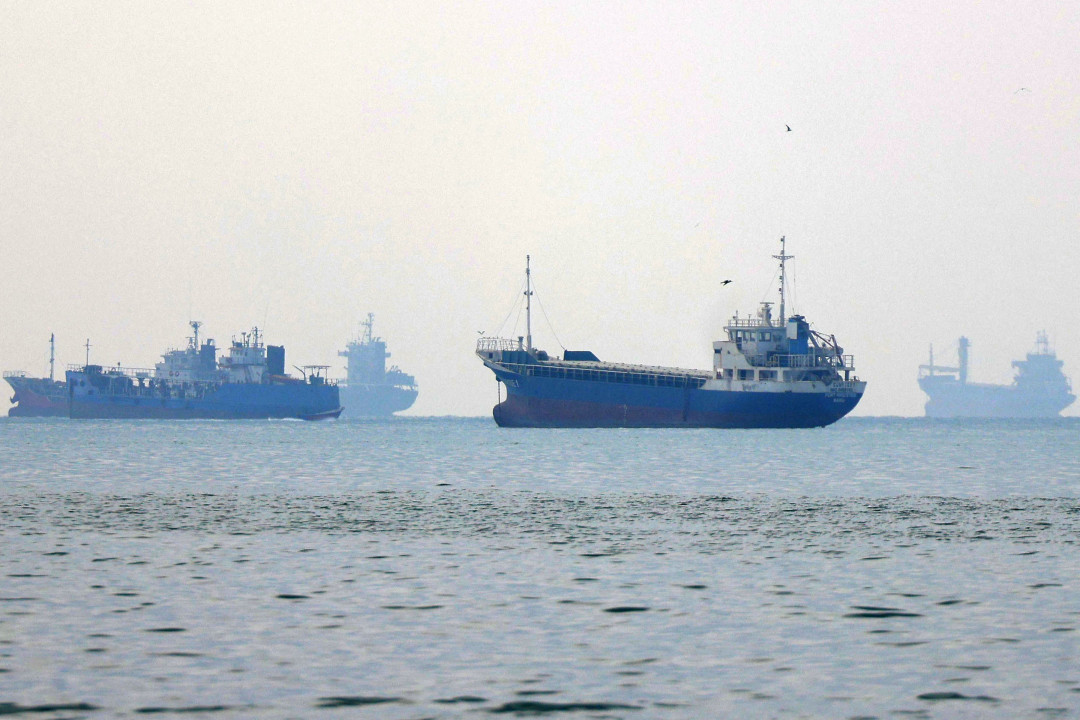
Iran and the United Arab Emirates have had serious disagreements because of the wider conflict in West Asia.
Both countries are members of BRICS, a group that tries to work together.
Their disagreements made it difficult for BRICS countries to agree on a joint statement.
India encouraged both sides to use talks and diplomacy instead of letting the conflict block cooperation.
Iran and the UAE eventually signed a statement asking for restraint.
The statement also opposed attacks on civilians and important infrastructure.
Narendra Modi met Iran’s president and repeated that lasting peace requires dialogue.
India has relationships with both Iran and the UAE, which helped it communicate with both sides.
The agreement does not end the conflict, but it was viewed as a sign of diplomatic progress.

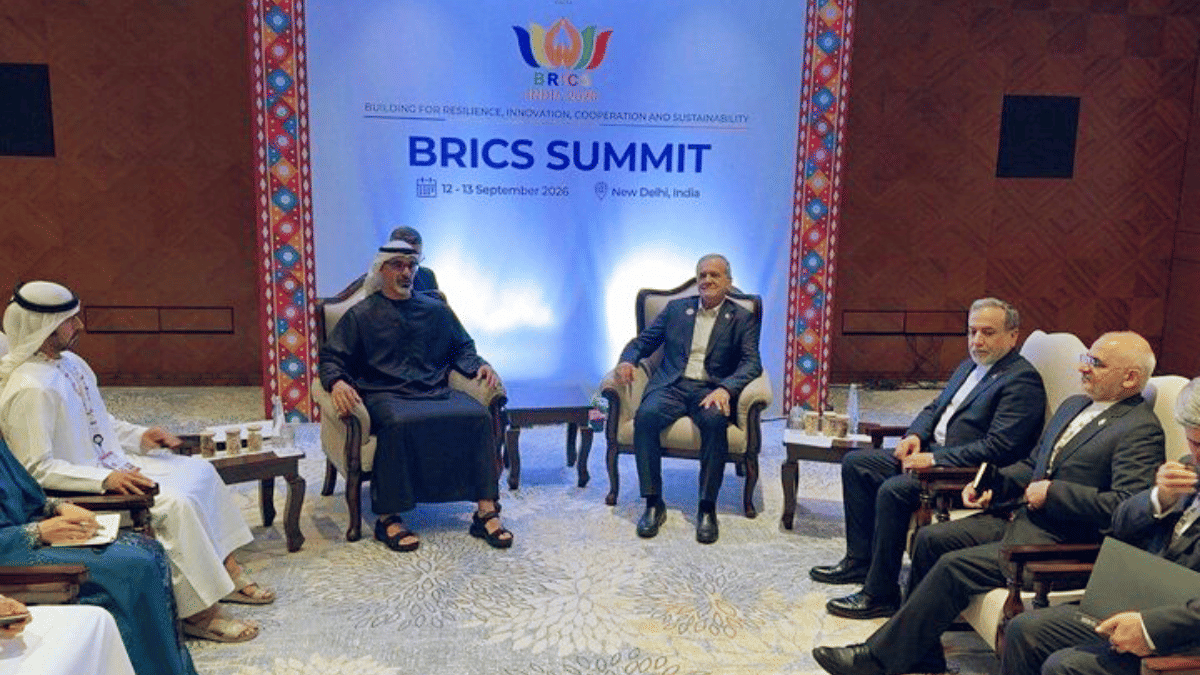
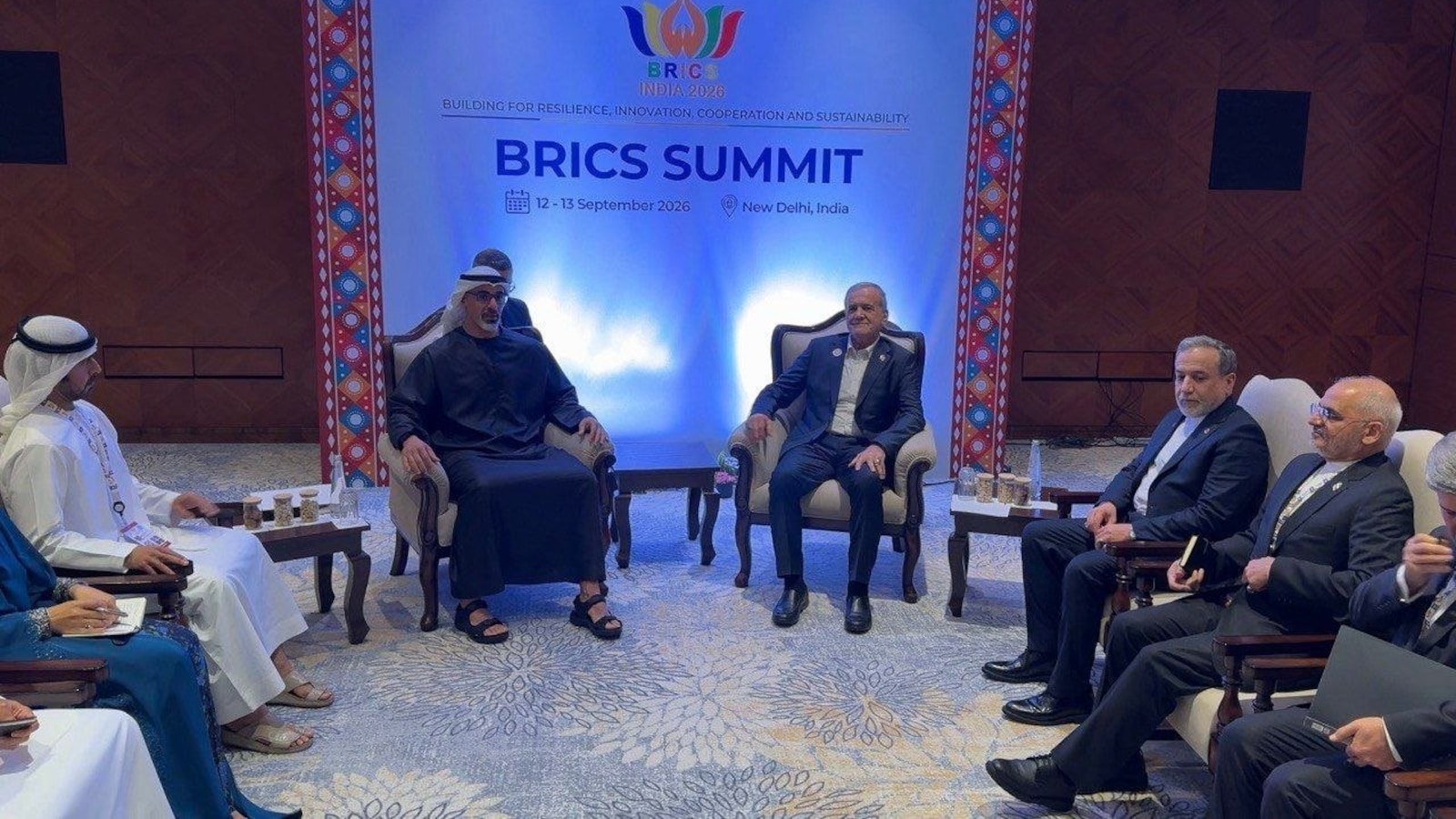
Iran and the United Arab Emirates signed a BRICS joint statement calling for restraint in West Asia.
India pushed dialogue and diplomacy as a way to overcome divisions between the two BRICS members.
The statement condemned attacks on civilian infrastructure and peaceful nuclear facilities under International Atomic Energy Agency safeguards.
Narendra Modi met Iranian President Masoud Pezeshkian and emphasized peace, stability, navigation and seafarer safety.
The agreement followed months of heightened tensions, including Iranian strikes targeting locations in the UAE.
- Who
- Iran, the United Arab Emirates, India, BRICS members, Narendra Modi and Iranian President Masoud Pezeshkian.
- What
- Iran and the UAE signed a BRICS statement calling for restraint, while India worked to bridge their differences.
- Where
- The diplomatic efforts took place around the BRICS summit; Modi’s meeting with Pezeshkian was in New Delhi.
- When
- The agreement was reported on Saturday, September 12, during BRICS 2026; tensions had intensified after February 28 and late-August strikes.
- Why
- India sought to prevent divisions between Iran and the UAE from blocking BRICS consensus and promoted dialogue and diplomacy.
Dialogue and restraint
Military escalation and retaliation
How to address the conflict
Dialogue and restraint
India and the BRICS statement favored dialogue, diplomacy, restraint and the protection of civilians and infrastructure.
Military escalation and retaliation
The conflict continued through US and Iranian tit-for-tat strikes, including Iranian attacks targeting US-linked locations in Gulf states.
Meaning of the joint statement
Dialogue and restraint
The agreement was viewed as evidence that India helped Iran and the UAE overcome differences and preserve BRICS cooperation.
Military escalation and retaliation
The signing did not resolve the underlying tensions, which had already prevented BRICS foreign ministers from reaching agreement earlier in the year.
Key facts
- Agreement
- Iran and the UAE signed a BRICS joint statement calling for restraint in West Asia.
- India’s approach
- India promoted dialogue and diplomacy as the route to lasting peace and stability.
- Statement’s focus
- The document condemned deliberate attacks on civilian infrastructure and peaceful nuclear facilities under full IAEA safeguards.
- Modi-Pezeshkian meeting
- Narendra Modi met Masoud Pezeshkian in New Delhi, marking their second meeting in less than two weeks.
- Navigation and commerce
- Modi emphasized protecting freedom of navigation and commerce and ensuring seafarer safety.
- Earlier BRICS difficulty
- BRICS foreign ministers had previously been unable to agree on a joint statement, with the Iran-UAE divide cited as a major sticking point.
- Reported strike
- Iran struck Al Minhad Air Base in late August; the base housed US forces and helicopters.
Quotes

Masoud Pezeshkian
President of Iran who addressed the BRICS summit
“We in Brics must fight against the normalisation of attacks on civilians and vital infrastructure. The same applies to peaceful nuclear infrastructure.”
 firstpost.com
Sources
Related news
Iran and UAE Leaders Meet Amid War Tensions at BRICS

Iran, UAE Back BRICS Call for Restraint in War
India Brokers Iran-UAE Talks Amid Middle East Conflict
BRICS Reaches New Delhi Consensus Despite Iran-UAE Divisions
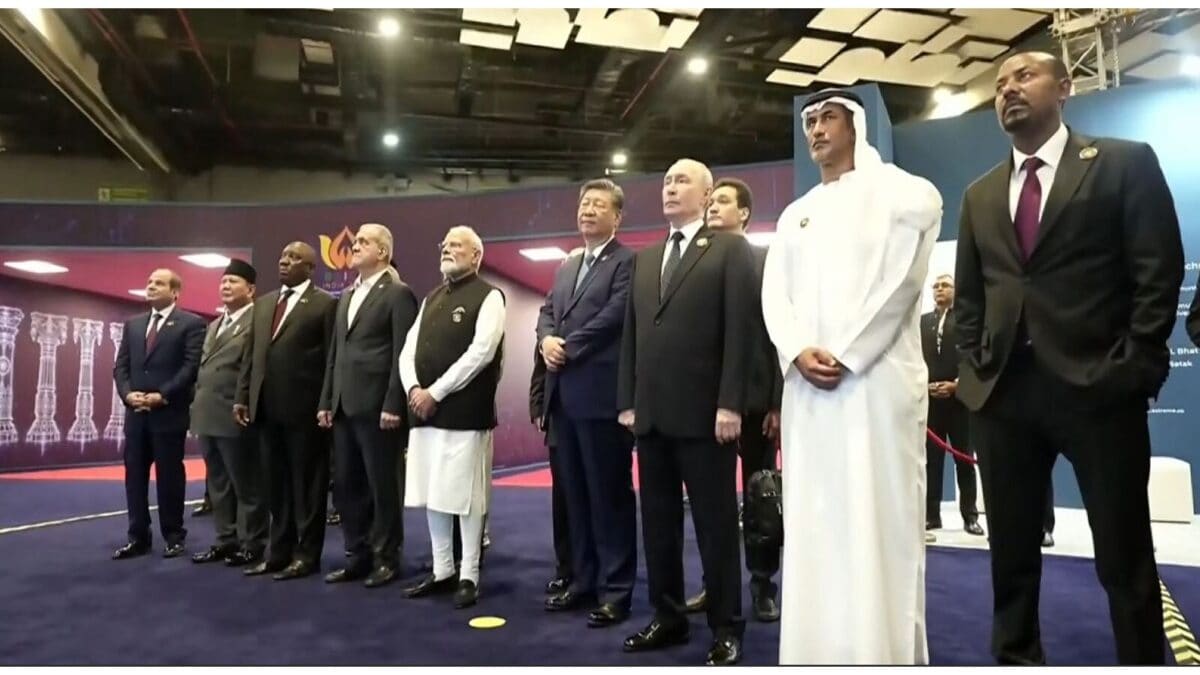
India Secures Unanimous BRICS Declaration After Overnight Diplomacy

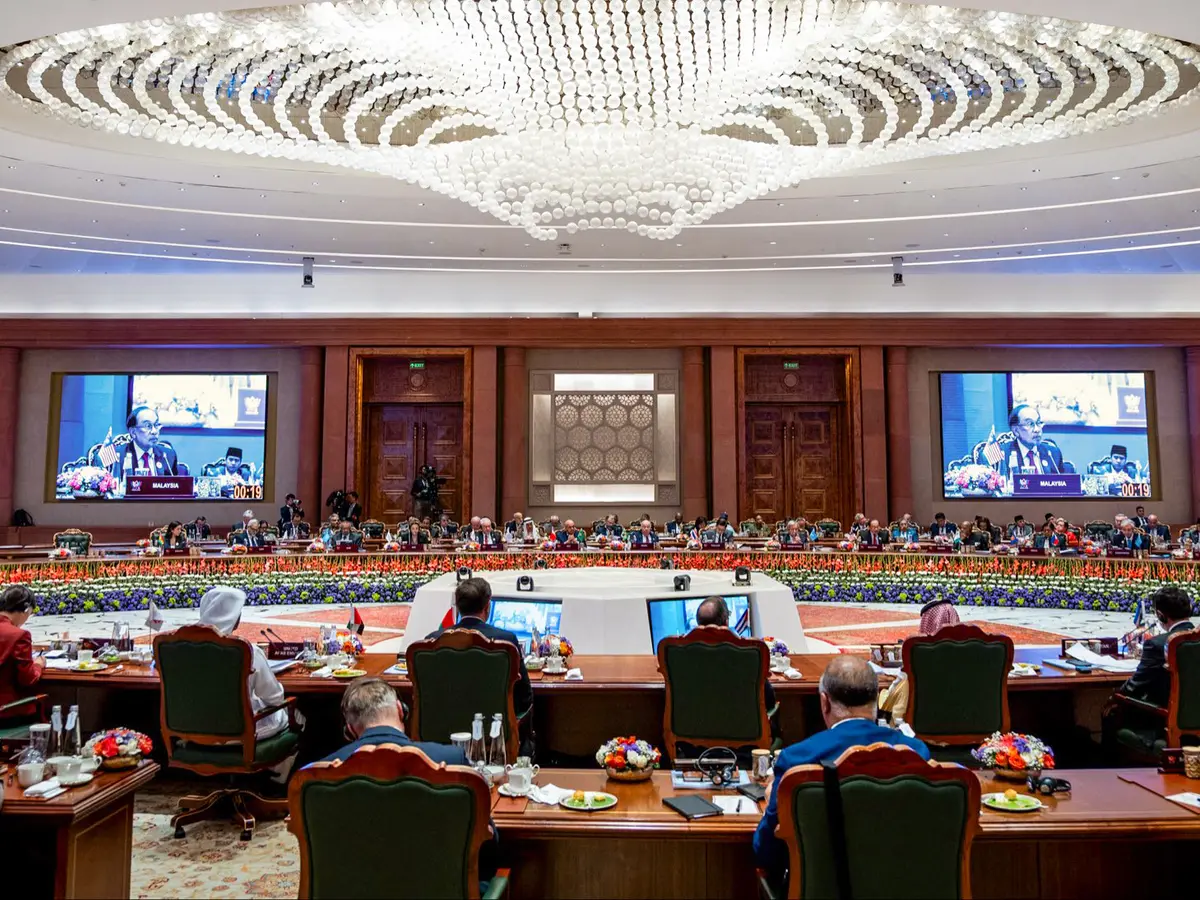
BRICS Reaches Reported Consensus After India-Led Talks Until 4 AM
China Takes BRICS Chair Amid Wars and Trade Disruptions
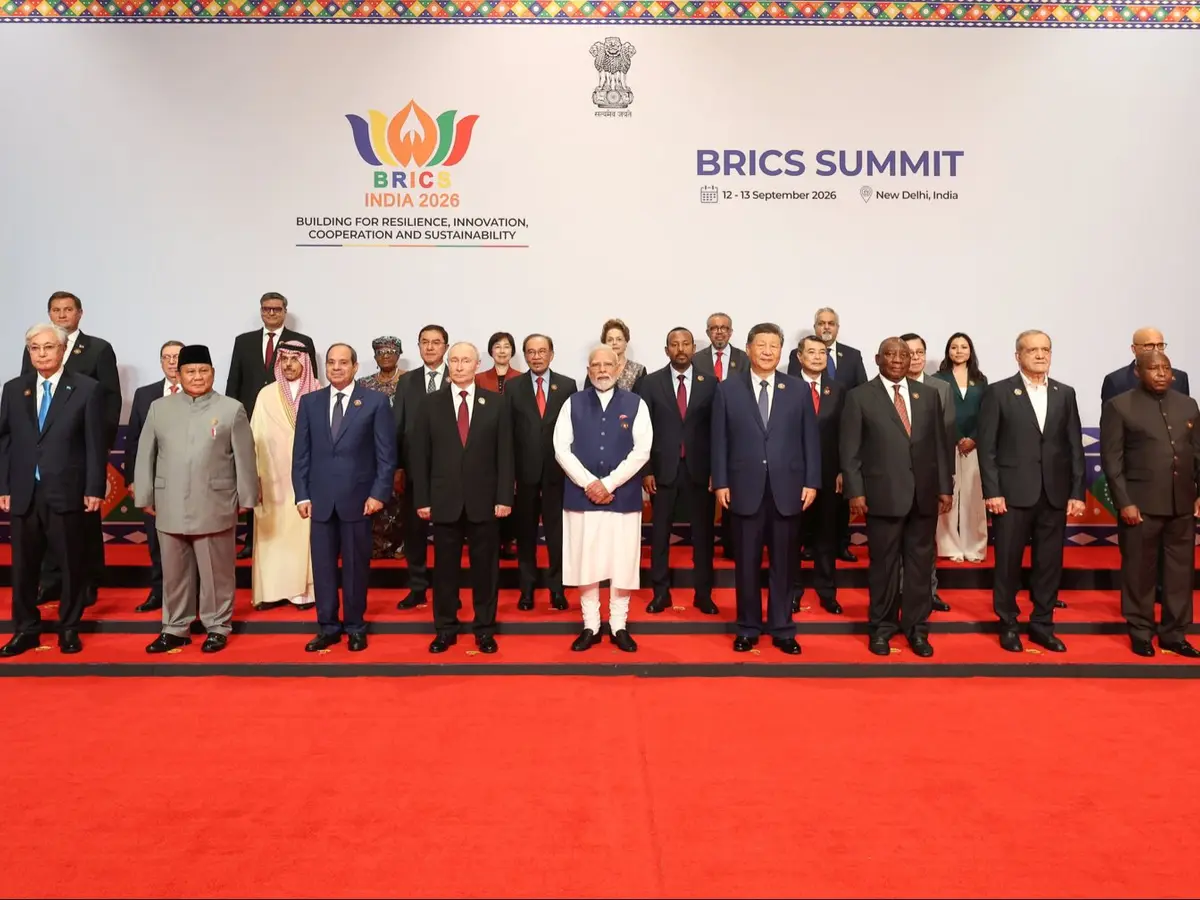
BRICS Summit Shows Expanded Bloc Can Still Reach Consensus

Melting Alpine Glaciers Reveal Secrets of Homi Bhabha Crash
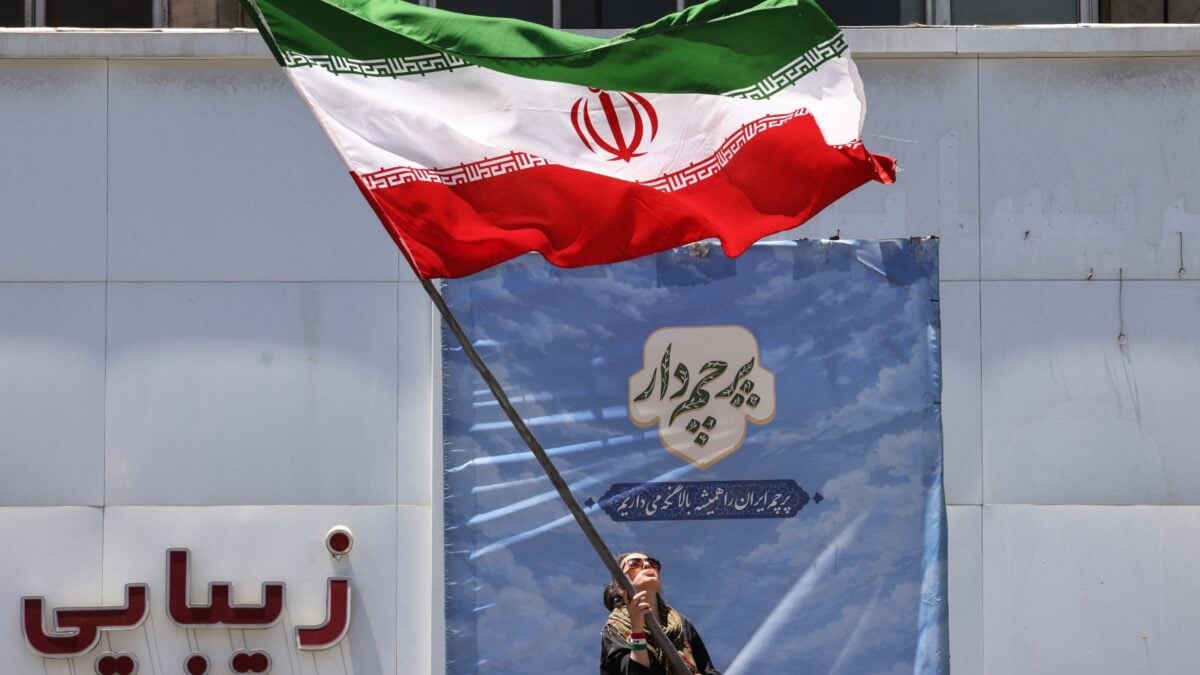
Iran Signals Possible NPT Exit as Nuclear Tensions Escalate