3 hrs ago
Iran, UAE Back BRICS Call for Restraint in War

Iran and the United Arab Emirates are both members of a group called BRICS.
At a meeting in New Delhi, they supported a statement asking countries to show restraint during the Middle East war.
The statement also asked countries to protect civilians and keep trade and energy supplies moving.
Iranian President Masoud Pezeshkian met Abu Dhabi Crown Prince Sheikh Khaled bin Mohamed bin Zayed Al Nahyan.
This was an important meeting because Iran and the UAE have been divided by the conflict.
Iran has attacked targets in the UAE during the war, including a base hosting U.S. forces.
Experts said the meeting showed that countries can still talk even when they disagree.
They also said the statement alone might not change the war or the wider geopolitical situation.

Iran and the United Arab Emirates endorsed a BRICS statement urging restraint amid the Middle East war.
The declaration called for protecting civilians, respecting sovereignty, and safeguarding trade, energy flows, supply chains, and maritime security.
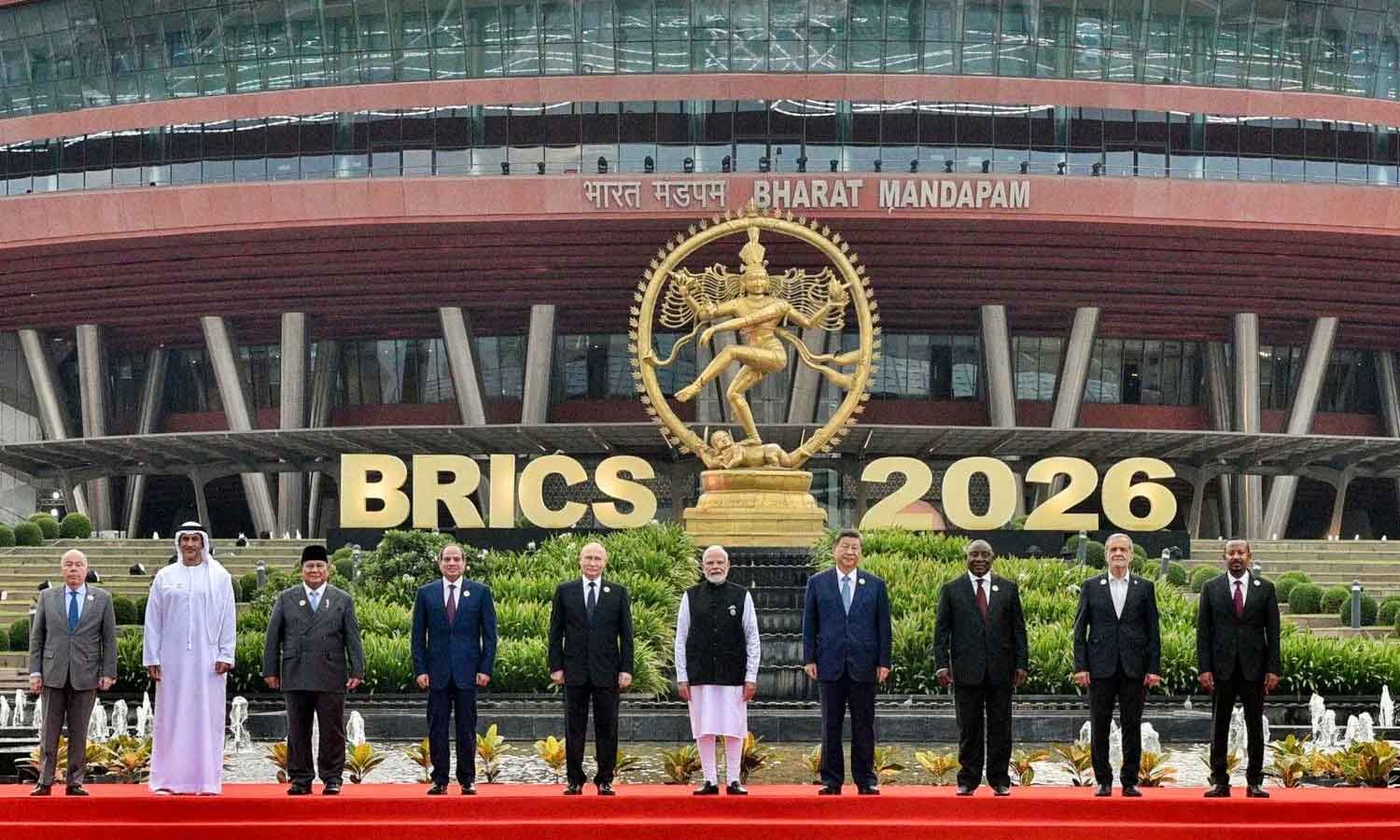
Iranian President Masoud Pezeshkian met Abu Dhabi Crown Prince Sheikh Khaled bin Mohamed bin Zayed Al Nahyan in New Delhi.
The meeting was described as the highest-level contact between Iran and the UAE since the conflict began.
Experts said the summit demonstrated diplomatic engagement, though the statement was unlikely to significantly change the geopolitical situation.
- Who
- Iran, the United Arab Emirates, BRICS member states, Iranian President Masoud Pezeshkian, and Abu Dhabi Crown Prince Sheikh Khaled bin Mohamed bin Zayed Al Nahyan.
- What
- Iran and the United Arab Emirates backed a BRICS statement urging restraint in the Middle East war, while their leaders held a bilateral meeting.
- Where
- New Delhi, India.
- When
- The announcement was reported on September 12; the bilateral meeting took place on the first day of the BRICS summit.
- Why
- The BRICS statement sought to reduce escalation, protect civilians, respect state sovereignty, and safeguard trade, energy flows, and maritime security.
Diplomatic Progress
Limited Immediate Impact
Meaning of the joint statement
Diplomatic Progress
The agreement showed that Iran and the United Arab Emirates could sit together, continue difficult conversations, and find areas of shared interest.
Limited Immediate Impact
Experts said the statement was unlikely by itself to influence the current geopolitical landscape or alter the war.
Role of the BRICS summit
Diplomatic Progress
The summit demonstrated unity among emerging nations and gave regional countries a platform to discuss de-escalation and peace.
Limited Immediate Impact
The conflict remained active, with the United States and Iran resuming tit-for-tat strikes, limiting the summit's immediate ability to stop escalation.
Key facts
- Summit location
- New Delhi, India
- Statement
- BRICS members called for maximum restraint and avoidance of actions that could worsen tensions.
- Humanitarian concern
- The declaration called for the protection of civilians.
- Security concerns
- The statement stressed respect for sovereignty and territorial integrity, along with maritime security.
- Economic concerns
- It urged protection of global trade, supply chains, and energy flows.
- Bilateral meeting
- Masoud Pezeshkian met Sheikh Khaled bin Mohamed bin Zayed Al Nahyan.
- Expert assessment
- The joint statement was seen as evidence of diplomatic progress but was considered unlikely to transform the current geopolitical situation.
Quotes
BRICS joint declaration
A statement endorsed by BRICS member countries, including Iran and the UAE.
“We express deep concern over the continued escalation of tensions in Middle East/West Asia … call for exercising maximum restraint, as well as avoiding actions that could further aggravate the situation,”
 theprint.in
“What India has done is keep the difficult conversations going, by showing that countries of the region can sit at the same table, engage diplomatically, and build on where their interests converge.”
theprint.in
Sources
Related news
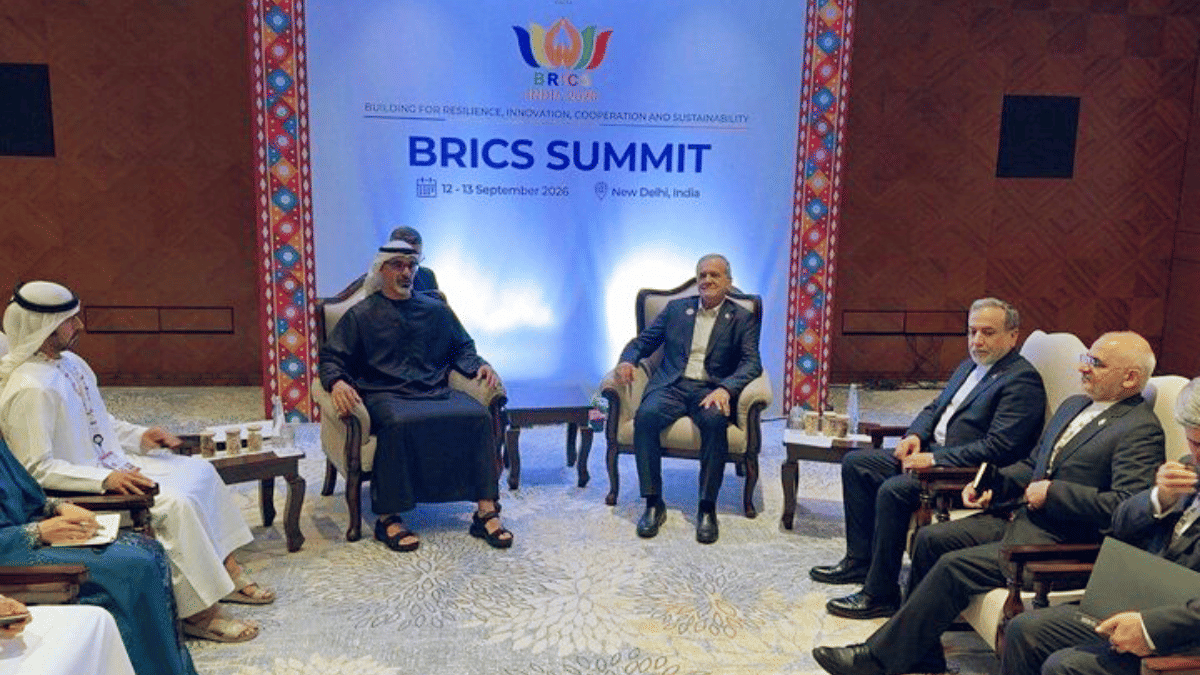
Iran and UAE Leaders Meet Amid War Tensions at BRICS
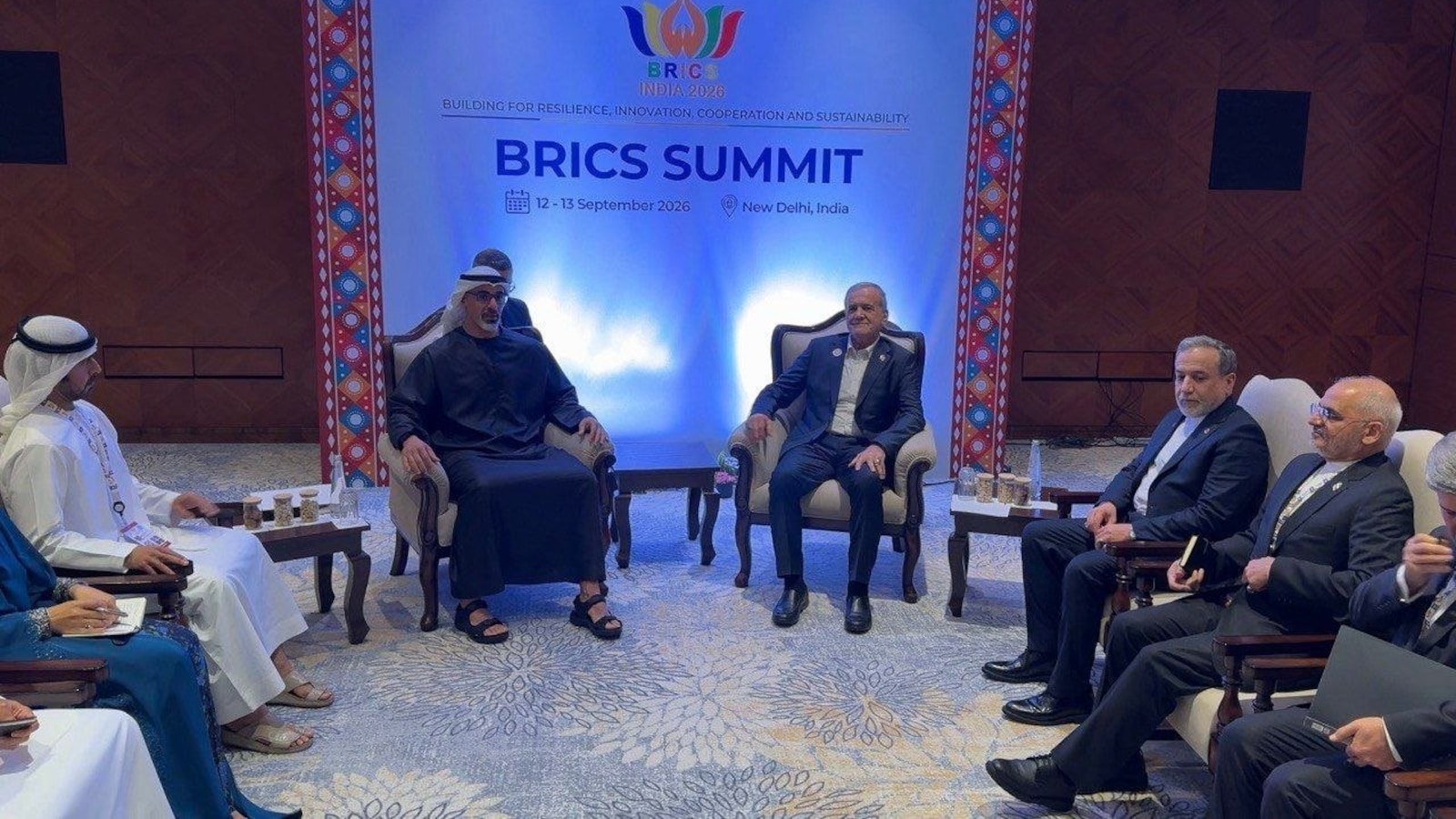
India Brokers Iran-UAE Talks Amid Middle East Conflict
India Hosts BRICS Summit as Iran War Tests Unity

BRICS Reaches Draft Declaration Ahead of New Delhi Summit
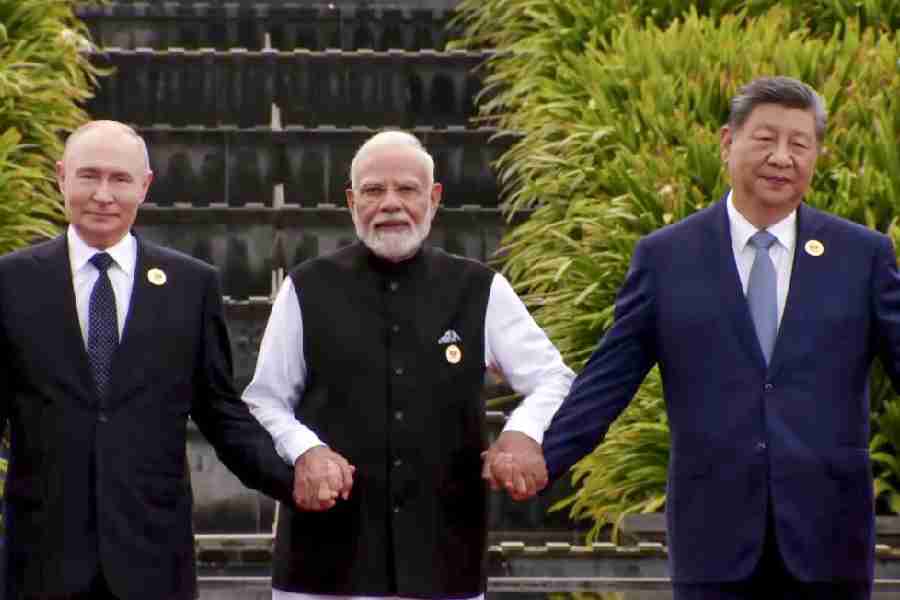
BRICS Reaches New Delhi Consensus Despite Iran-UAE Divisions

BRICS Nations Reach Consensus on Iran War, Declaration Nears
Udit Raj Urges India-China Talks on Border and Trade Issues
AAP Challenges BJP Over Planned ‘Sheeshmahal’ Bungalow Inspection
BRICS Declaration Calls for Trade Flow and UN Reform
BRICS Seeks Self-Reliance Through Energy, Food and Rare Earths

Iran’s Pezeshkian Says BRICS Challenges US Unilateralism