

1 hr ago
BRICS Reaches New Delhi Declaration After India-Brokered Consensus
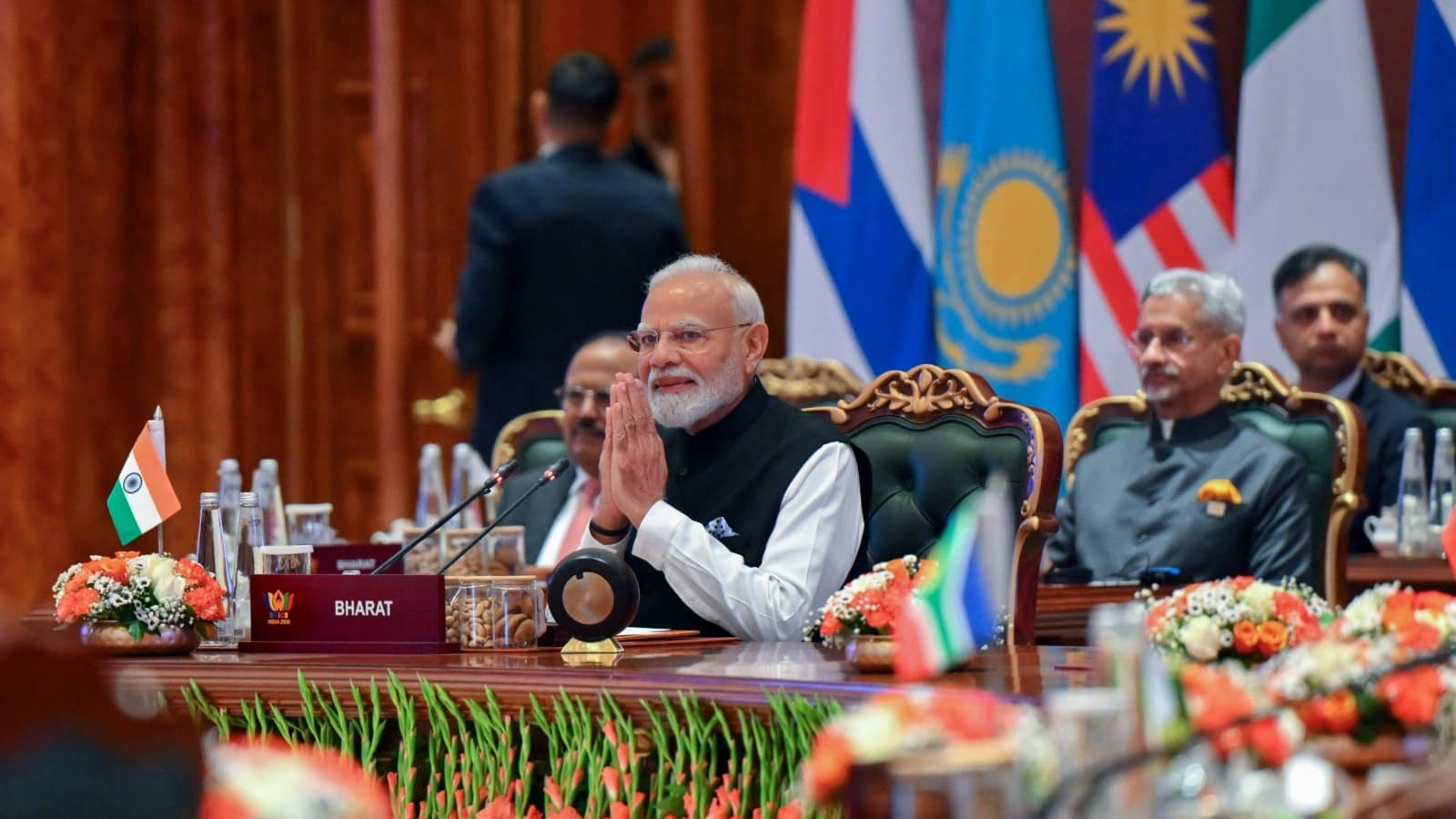
BRICS is a group of 11 countries that try to work together on global issues.
Its members have different interests, and some of them disagree about conflicts in West Asia.
India hosted the 18th BRICS Summit in New Delhi and helped the countries agree on a common document.
Indian diplomats worked through the night to find words that all members could accept.
The document does not blame one specific country.
Instead, it supports national sovereignty, the United Nations Charter and solving conflicts through talks.
This agreement came after earlier meetings failed to produce a joint statement.
It suggests that BRICS can still cooperate even as the group becomes larger and more divided.

All 11 BRICS members reportedly agreed on a Joint Declaration at the 18th BRICS Summit in New Delhi.
Indian negotiators worked through the night to bridge differences, particularly between Iran, Saudi Arabia and the United Arab Emirates.
The declaration avoids naming individual countries while condemning unilateral aggression and emphasizing sovereignty, the UN Charter and diplomacy.
The agreement follows failed efforts in April and May to produce unified BRICS statements on West Asia.
The declaration is expected to reaffirm priorities including multilateral reform, economic cooperation, resilience, innovation and sustainability.
- Who
- The 11 BRICS member countries, with Indian diplomats leading the negotiations.
- What
- They reportedly reached consensus on the New Delhi Declaration, a joint statement covering conflicts, cooperation and reform priorities.
- Where
- New Delhi, India, at the Bharat Mandapam summit venue.
- When
- At the 18th BRICS Summit in 2026; negotiations continued from Friday evening until nearly 4 a.m. Saturday before the summit opening.
- Why
- To restore a unified BRICS position after failed April and May meetings and to bridge divisions, especially over West Asia.
Principle-Based Consensus
Country-Specific Positions
How to address the West Asia conflict
Principle-Based Consensus
India's reported approach was to avoid naming any country and use shared principles such as sovereignty, the UN Charter and opposition to unilateral aggression.
Country-Specific Positions
Iran, Saudi Arabia and the United Arab Emirates held sharply different positions amid the regional conflict, making country-specific language difficult to accept.
Value of the agreement
Principle-Based Consensus
Supporters view the declaration as evidence that an expanded BRICS can still act collectively and represent Global South priorities.
Country-Specific Positions
The earlier failures in April and May, along with the members' divisions, showed the limits and fragility of consensus within the enlarged bloc.
Key facts
- BRICS membership
- The grouping has expanded from five founding members to 11 countries: Brazil, Russia, India, China, South Africa, Egypt, Ethiopia, Indonesia, Iran, Saudi Arabia and the United Arab Emirates.
- Global scale
- The article says the expanded bloc represents more than 40 percent of the world's population and nearly a quarter of the global economy.
- Declaration language
- The text reportedly condemns unilateral aggression while emphasizing sovereignty, the UN Charter, dialogue and diplomacy.
- Earlier setbacks
- A BRICS deputy foreign ministers' meeting in April failed to produce a joint statement, while the May foreign ministers' meeting issued only a Chair's Statement.
- India's chairship theme
- India's 2026 BRICS chairship is themed Building for Resilience, Innovation, Cooperation and Sustainability.
- Expected priorities
- The declaration is expected to address reform of the IMF, World Bank and UN Sanctions Committee, alongside economic, technological and people-to-people cooperation.
- Negotiation timing
- Negotiators reportedly worked overnight from Friday evening until nearly 4 a.m. Saturday.
Sources
Related news

BRICS Reaches Reported Consensus After India-Led Talks Until 4 AM

BRICS Reaches Draft Declaration Ahead of New Delhi Summit

BRICS Summit Adopts New Delhi Declaration After Overnight Consensus
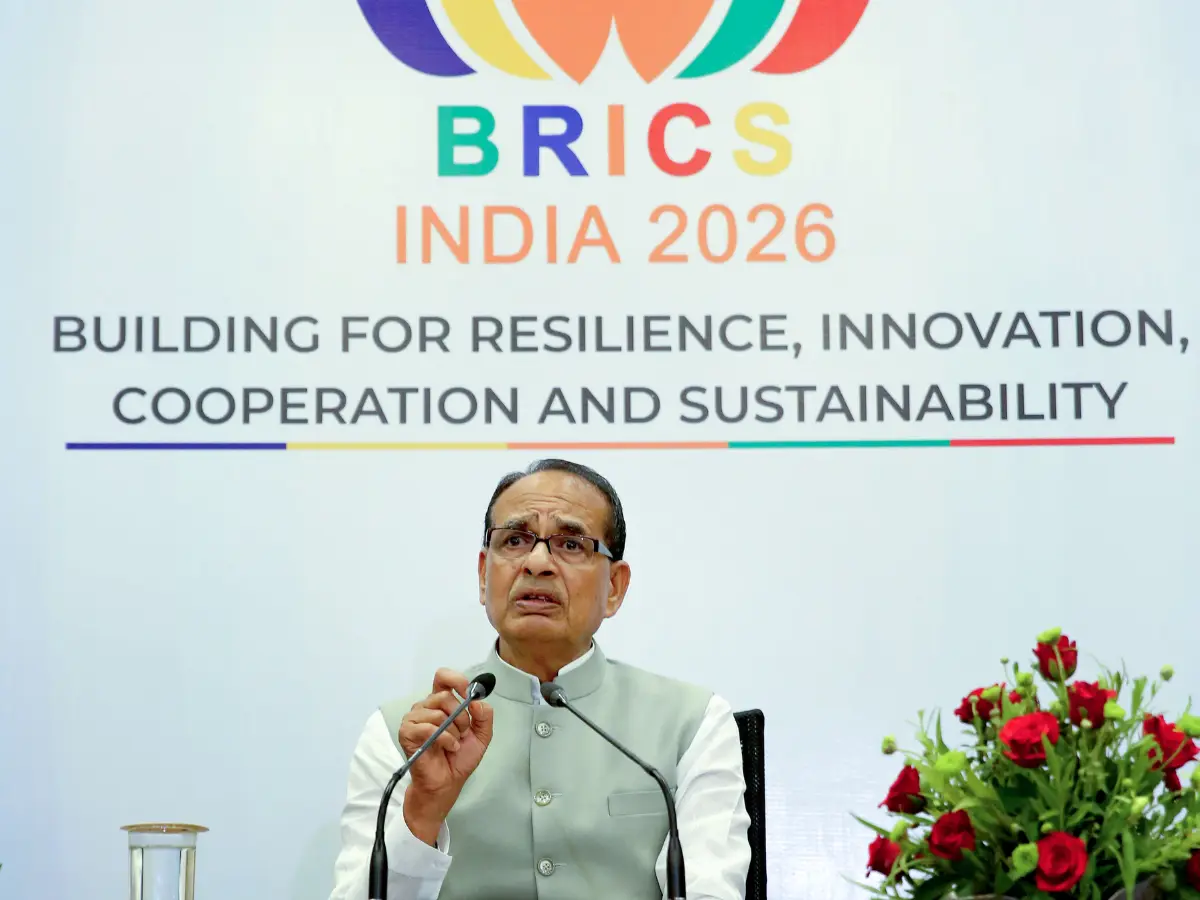
India Seeks Consensus Before Expanded BRICS New Delhi Summit

BRICS Nations Reach Consensus on Iran War, Declaration Nears

Iran-UAE Rift Clouds BRICS Summit as India Seeks Consensus
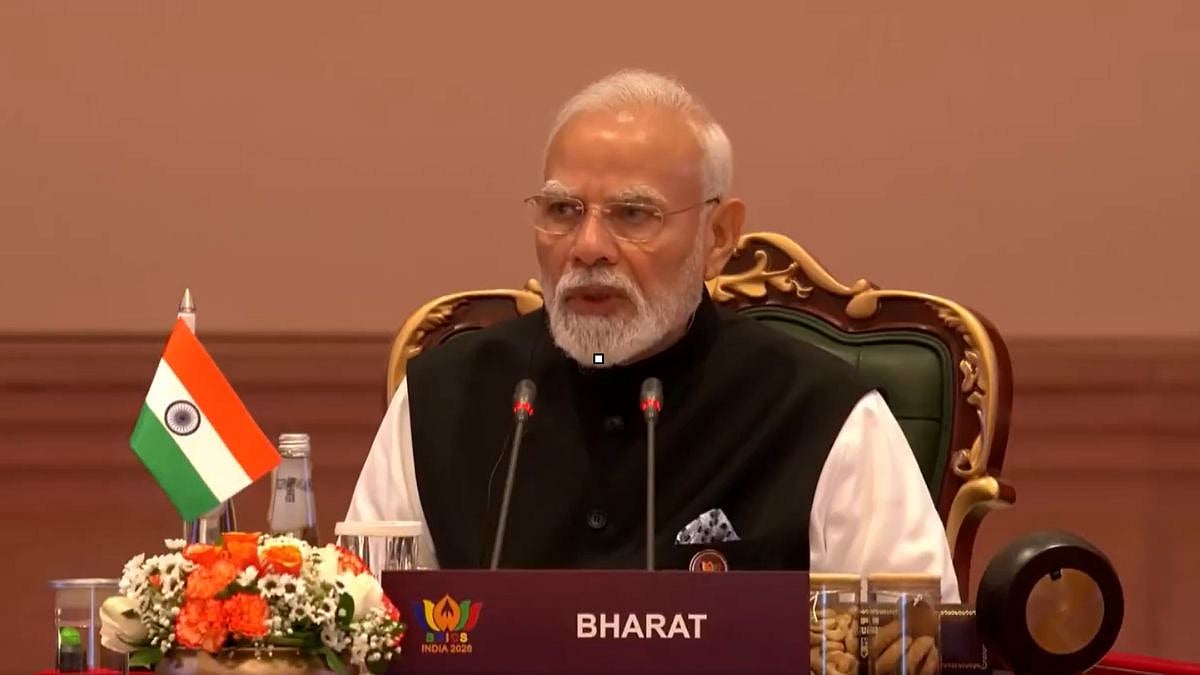
Congress Urges Modi to Use India’s BRICS Chairmanship Globally
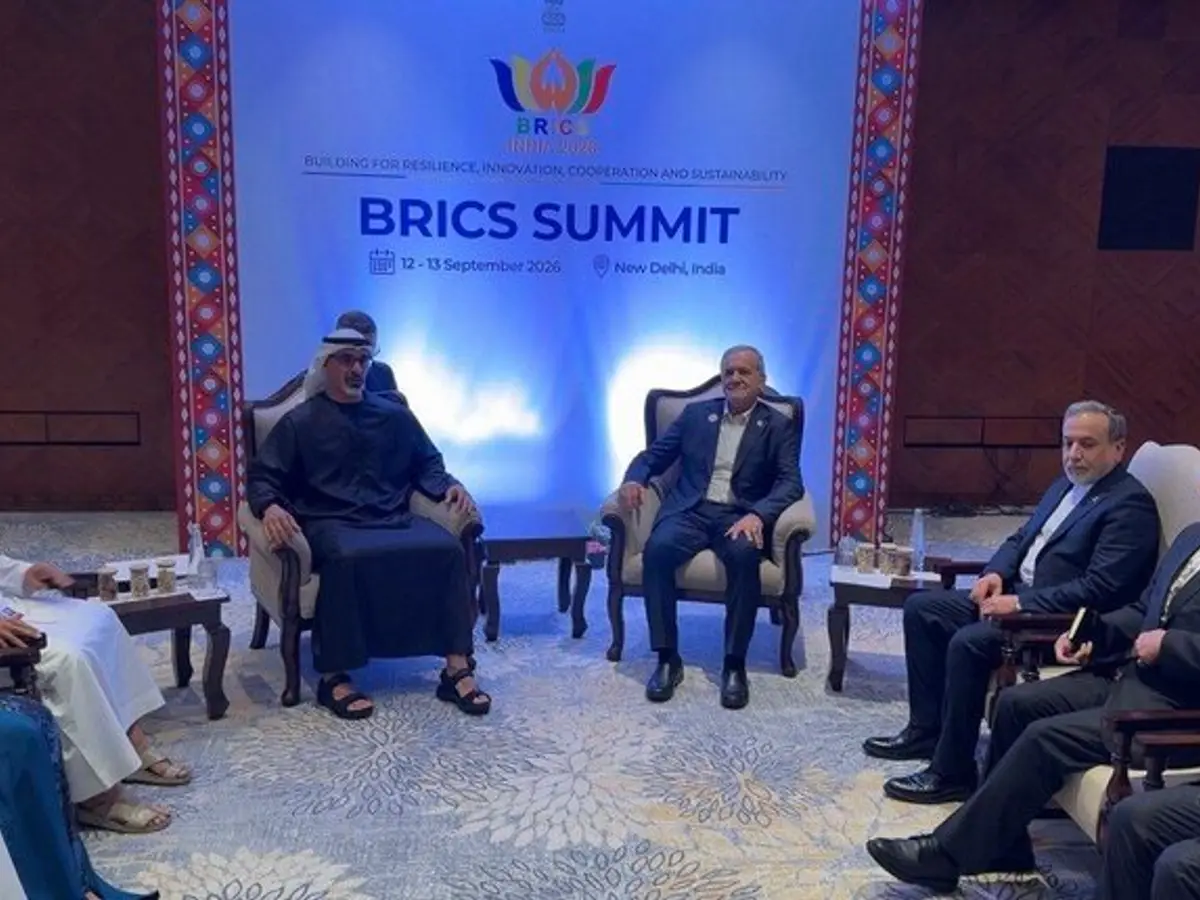
India Hosts Iran-UAE Talks Amid Middle East War Tensions

Houthi Capture of Strait Island Raises Saudi Oil Risks

Iran President Rejects US Regional Police Role Amid Conflict
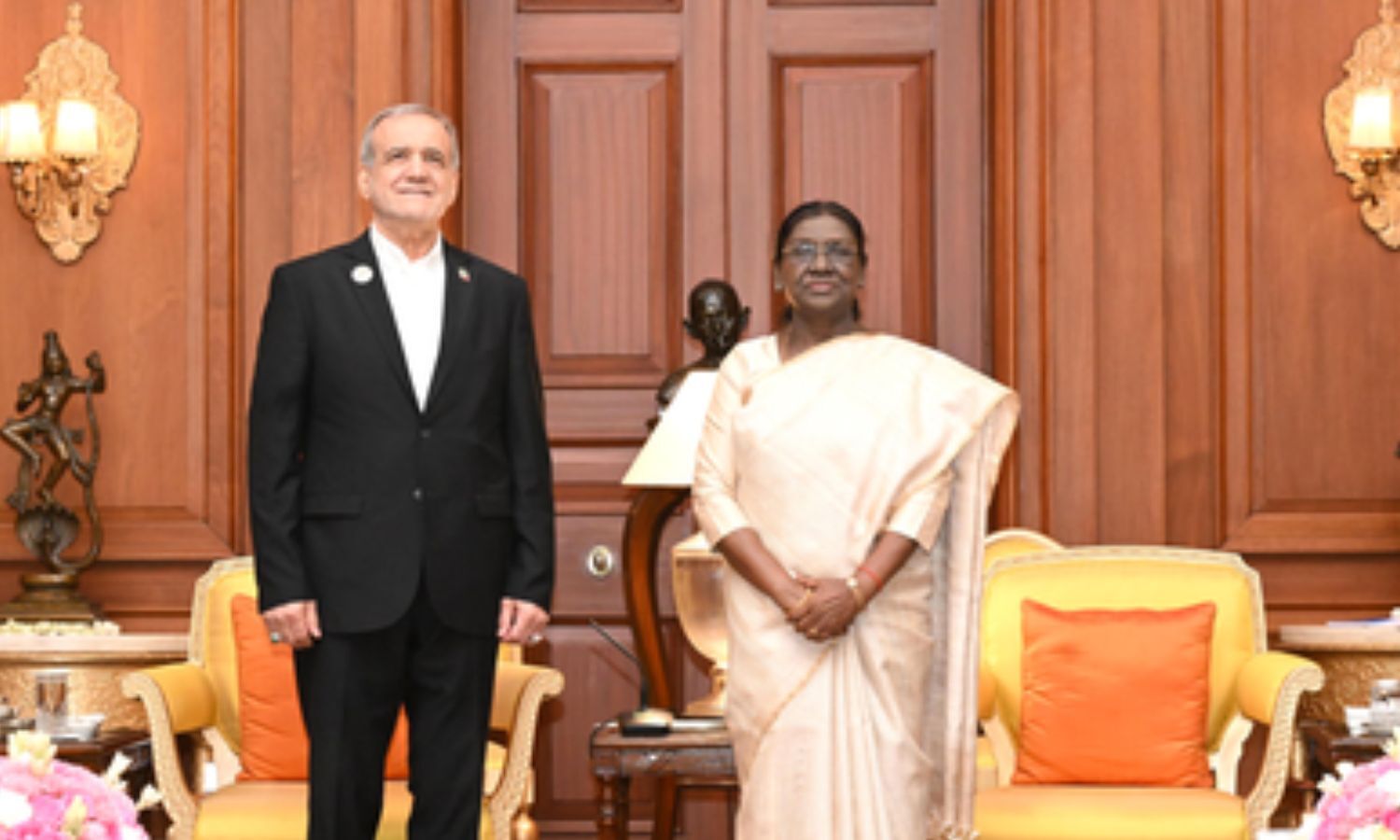
India Reaffirms Peace Commitment as Iranian President Visits New Delhi
