1 hr ago
BRICS Summit Shows Expanded Bloc Can Still Reach Consensus
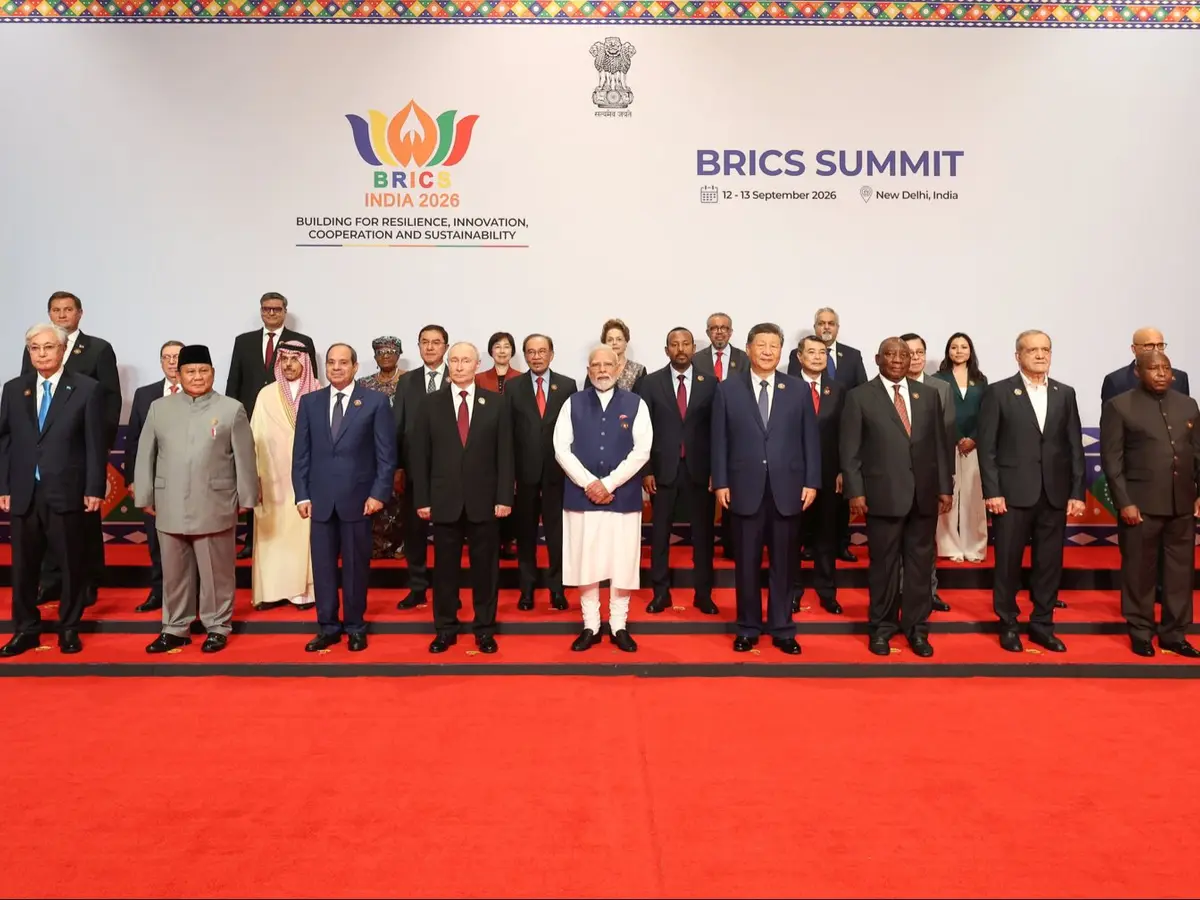
BRICS is a group of 11 countries that includes India and China.
At the 2026 summit in New Delhi, all members agreed to a long shared declaration.
They used careful words about the conflict in West Asia and called for protecting civilians and returning to talks.
The countries also strongly condemned the 2025 Pahalgam terrorist attack.
China and Russia supported India’s wish to have a larger role in the United Nations Security Council.
The group criticized unilateral tariffs, trade restrictions and some climate measures.
It also supported easier payments and more use of members’ own currencies in trade.
However, agreeing on plans does not guarantee that the countries will carry them out.

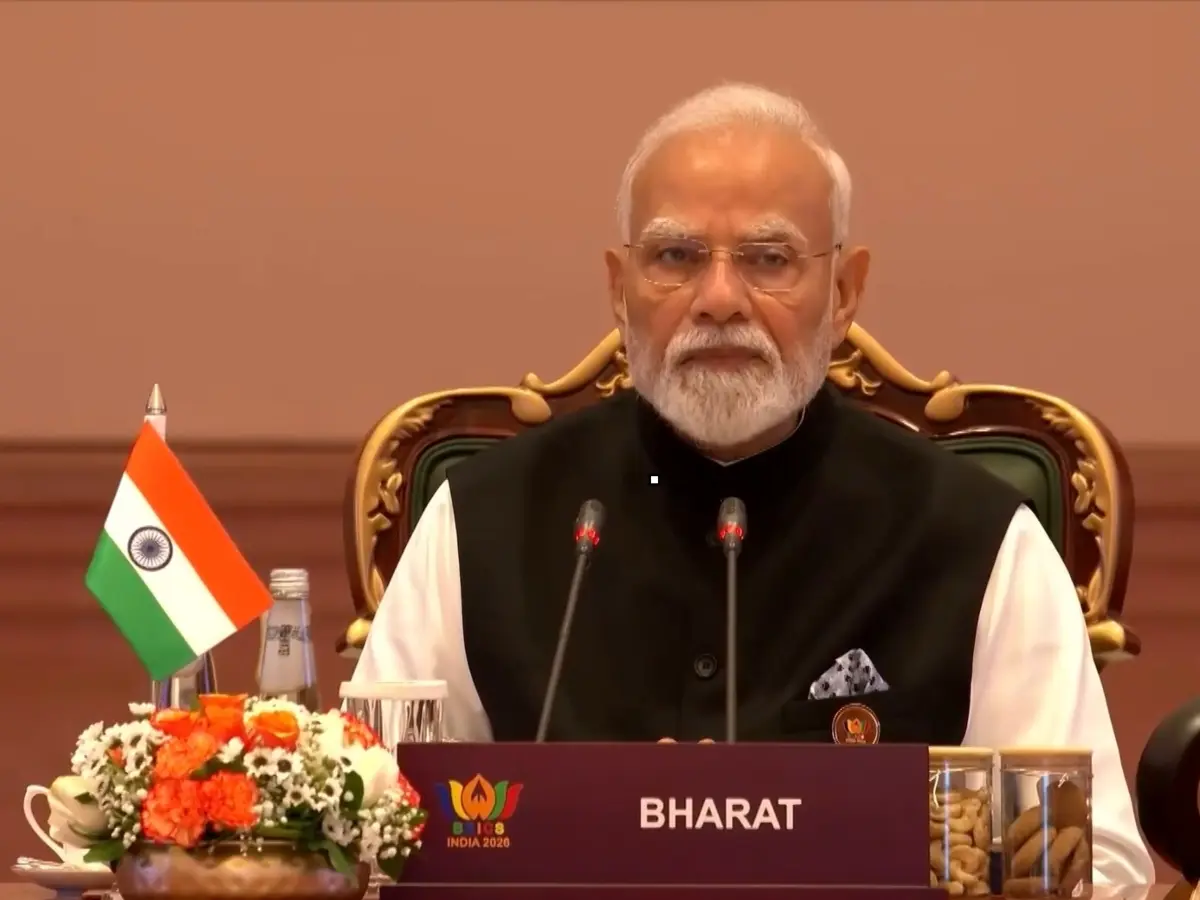
The 11-member BRICS grouping unanimously adopted a 45-page, 140-point New Delhi Declaration.
Members agreed on carefully worded language addressing the West Asia conflict, civilian protection and renewed dialogue.
The declaration strongly condemned the April 2025 Pahalgam terrorist attack and rejected terrorism-related double standards.
China and Russia supported India and Brazil seeking greater roles in the United Nations, including the Security Council.
BRICS backed local-currency settlements, cross-border payment cooperation and opposition to unilateral tariffs and sanctions, though implementation remains uncertain.
- Who
- The 11 BRICS members: Brazil, Russia, India, China, South Africa, Egypt, Ethiopia, Indonesia, Iran, the United Arab Emirates and Saudi Arabia.
- What
- The 18th BRICS Summit unanimously adopted the New Delhi Declaration and agreed on positions covering conflicts, terrorism, global governance, trade and finance.
- Where
- New Delhi, India.
- When
- The summit concluded on Sunday, September 13, 2026, after the declaration was adopted on its first day.
- Why
- India sought to demonstrate that the expanded grouping could overcome differences and reach consensus on major international and economic issues.
Evidence of meaningful consensus
Concerns about practical impact
Unanimous agreement
Evidence of meaningful consensus
The 11 members adopted the detailed New Delhi Declaration without objections, including compromise language on the West Asia conflict.
Concerns about practical impact
The declaration is largely declaratory and initiative-based, so agreement on wording does not itself ensure coordinated action.
Handling sensitive disagreements
Evidence of meaningful consensus
India helped Iran and the United Arab Emirates agree on language after BRICS foreign ministers had earlier failed to issue a joint statement on the conflict.
Concerns about practical impact
The need for negotiations lasting until 4 a.m. showed that major differences still exist within the expanded grouping.
Shared international position
Evidence of meaningful consensus
Members agreed on terrorism, support for India’s United Nations aspirations, opposition to unilateral tariffs and cooperation on payments and local currencies.
Concerns about practical impact
Implementation will depend on the grouping remaining consensus- and respect-based, and the article does not establish that the initiatives have yet produced results.
Key facts
- Summit
- 18th BRICS Summit under India’s chairship
- Membership
- 11 countries: Brazil, Russia, India, China, South Africa, Egypt, Ethiopia, Indonesia, Iran, the United Arab Emirates and Saudi Arabia
- Declaration
- 45 pages and 140 points
- West Asia language
- Called for maximum restraint, civilian protection, respect for sovereignty and a return to dialogue
- Terrorism
- Strongly condemned the April 2025 Pahalgam attack, which killed 26 people
- Economic cooperation
- Supported efficient cross-border payments and local-currency trade settlements
- Future chair
- The group supported China’s 2027 chairship
- Implementation
- The declaration’s outcomes remain subject to subsequent implementation
Sources
Related news
India Secures Unanimous BRICS Declaration After Overnight Diplomacy

BRICS Adopts New Delhi Declaration Despite West Asia Divisions
BRICS Reaches New Delhi Consensus Despite Iran-UAE Divisions

India Secures BRICS Consensus on Trade Amid West Asia Rift

BRICS Adopts New Delhi Declaration Amid Global Divisions
BRICS Unanimously Adopts New Delhi Declaration 2026 at 18th Summit

India Helps Iran, UAE Bridge Divisions at BRICS Summit

Melting Alpine Glaciers Reveal Secrets of Homi Bhabha Crash
Iran Signals Possible NPT Exit as Nuclear Tensions Escalate
Iran, Oman Set New Strait of Hormuz Routes Amid Tensions