3 hrs ago
Melting Alpine Glaciers Reveal Secrets of Homi Bhabha Crash
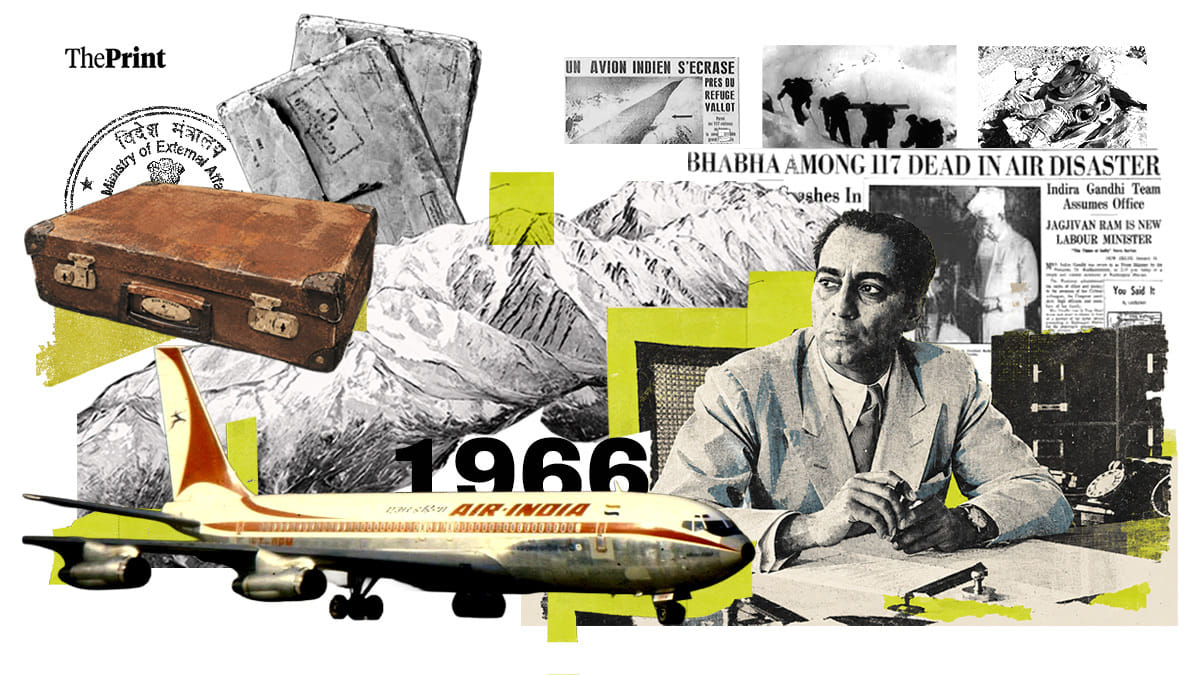
In 1966, a plane carrying Homi Jehangir Bhabha crashed into Mont Blanc in the Alps.
Bhabha was an important scientist who helped build India’s nuclear programme.
The crash killed everyone on the plane, and rescuers could recover only a small amount of wreckage.
For many years, ice covered much of the plane and its belongings.
As the glaciers became smaller, pieces of the plane and old documents began appearing.
Some documents belonged to India’s government and were handed back to Indian officials.
People are interested because the crash still has unanswered questions.
The melting ice is also a warning that the Alps are getting warmer and losing glaciers.

Air India Flight 101 crashed into Mont Blanc on 24 January 1966, killing 117 people, including nuclear scientist Homi Jehangir Bhabha.
Only limited wreckage was recovered initially because severe weather, poor visibility, and difficult terrain halted rescue efforts.
Retreating glaciers later exposed aircraft fragments, human remains, newspapers, and Indian diplomatic bags in 2008, 2012, and 2016.
A 2012 diplomatic bag contained newspapers and routine correspondence, while a later bag held classified diplomatic and intelligence-related documents.
Scientists and historians link the discoveries to glacier retreat, while the crash’s unresolved details continue to fuel speculation about its cause and missing wreckage.
- Who
- Homi Jehangir Bhabha, 105 other passengers and crew members, rescuers, mountaineers, historians, and French and Indian authorities.
- What
- Air India Flight 101, a Boeing 707 also known as Kanchenjunga, crashed into Mont Blanc; later glacier retreat exposed wreckage and documents.
- Where
- Mont Blanc in the Alps, near the Franco-Italian border, particularly around the Bossons glacier.
- When
- The crash occurred on 24 January 1966; significant discoveries were reported in 2008, 2012, 2016, and afterward.
- Why
- The aircraft crashed during difficult mountain conditions, while later glacier melting and retreat exposed material buried in the ice.
Climate Evidence
Crash Mystery
Meaning of the newly exposed objects
Climate Evidence
The recurring appearance of wreckage, documents, and human remains is presented as evidence that Alpine glaciers are retreating because of warming.
Crash Mystery
Historians and conspiracy theorists focus on what the objects may reveal about the crash, its investigation, and the people and materials aboard.
Cause and unresolved questions
Climate Evidence
The article attributes the limited original recovery to poor visibility, extreme weather, and dangerous terrain, without establishing another cause for the crash.
Crash Mystery
The crash remains surrounded by unanswered questions, including claims about investigation lapses, a possible missing black box, and whether classified documents were carried by Bhabha.
Access to crash remnants
Climate Evidence
The recovered material has historical value and is being preserved and displayed in museums as a tribute to the victims.
Crash Mystery
Some mountaineers and tourists continue searching for objects, which historian Taline Ter Minassian said may contribute to pressure on the mountain environment.
Key facts
- Crash date
- 24 January 1966
- Aircraft
- Air India Boeing 707, known as Kanchenjunga or Air India Flight 101
- People aboard
- 106 passengers and 11 crew members
- Important passenger
- Homi Jehangir Bhabha, a leading figure in India’s nuclear programme
- First later wreckage discovery
- Mountaineers found aircraft wreckage in 2008
- Diplomatic bag
- A roughly 9-kilogram bag marked as Indian diplomatic mail was recovered in 2012
- Classified documents
- Another diplomatic bag found in 2016 contained approximately 100 pages of classified correspondence and reports
- Glacier change
- The Mer de Glace glacier had receded more than 2 kilometres up the mountain slopes by the early 2000s, according to the article
Quotes
Gerard Devoussoux
Mountain guide and one of the first rescuers to reach the 1966 crash site
“Their value is both historical and patrimonial. It will be a question of paying tribute to the victims and to explain the journey of a plane that crashed on Mont-Blanc and whose stones continue their journey, to reappear several decades later.”
 theprint.in
“Everything was completely pulverised. Nothing was identifiable except for a few letters and packets.”
theprint.in
James Hart Dyke
British landscape artist who retraced a historic Mont Blanc route
“The bottoms of the glaciers have completely deteriorated: where Loppé saw pristine blue-white snow, I was looking at dirt and black ice.”
theprint.in
Sources
Related news

Glacier Melt Reveals Two Belgian Hikers Missing Since 1992

Melting Himalayan Glaciers Raise Risk of Downstream Floods

Bhutan Film Connects Melting Glaciers With Ancient Snow Lion Stories
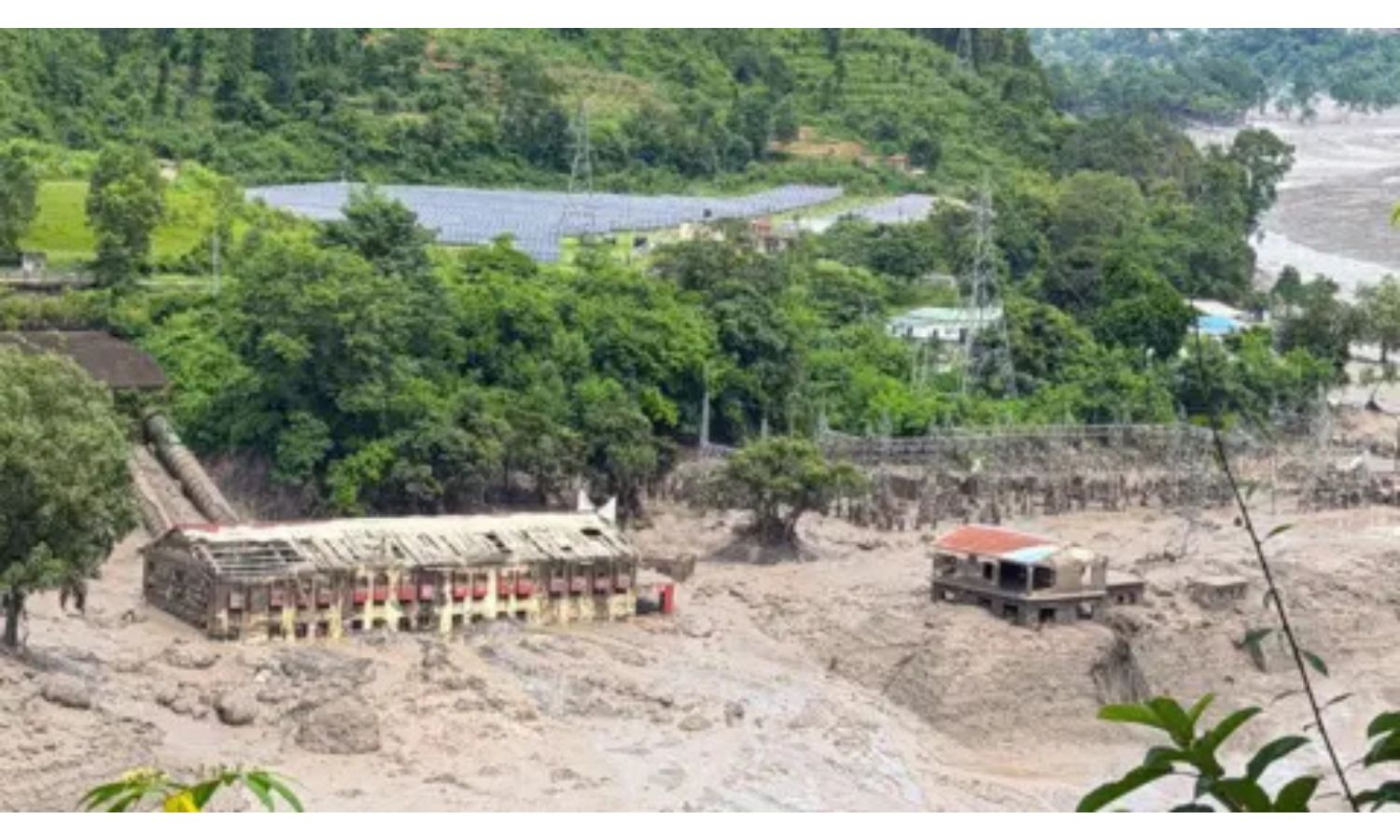
Reported Glacial Collapse Triggers Catastrophic Flooding Across Nepal-Tibet Border Region
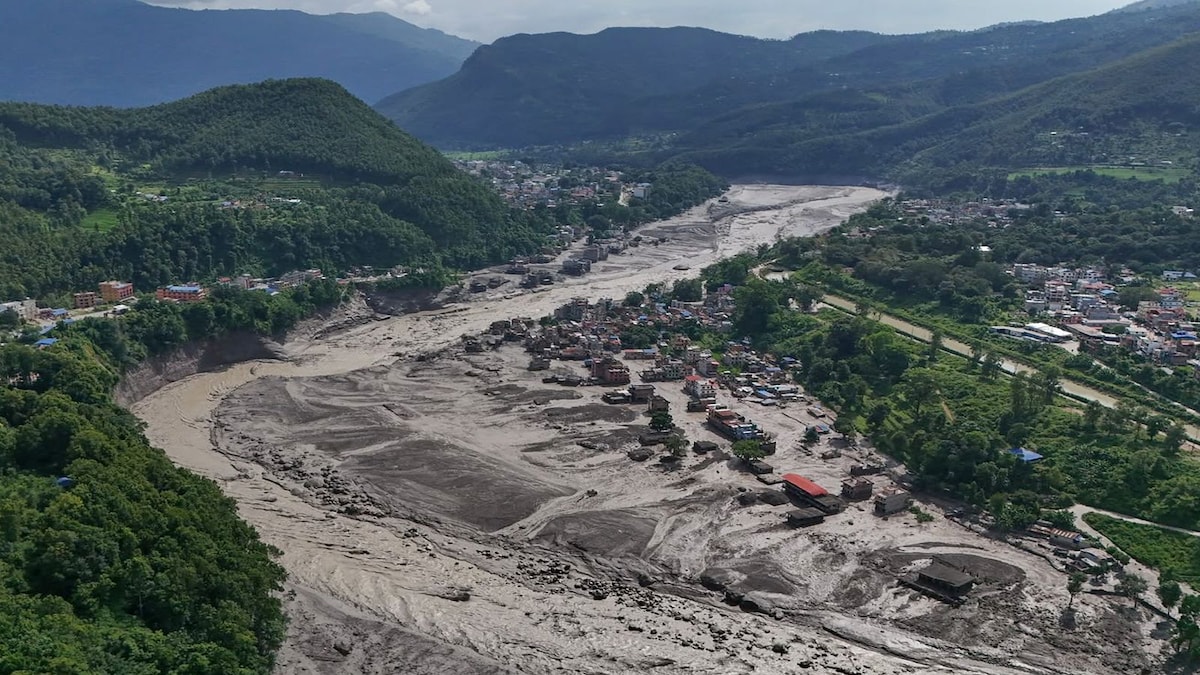
Scientists Examine Glacier Collapse Behind Nepal Flood Hazards

Himalayan Glacier Loss Raised Nepal Flood Disaster Risks