1 hr ago
Iran Signals Possible NPT Exit as Nuclear Tensions Escalate
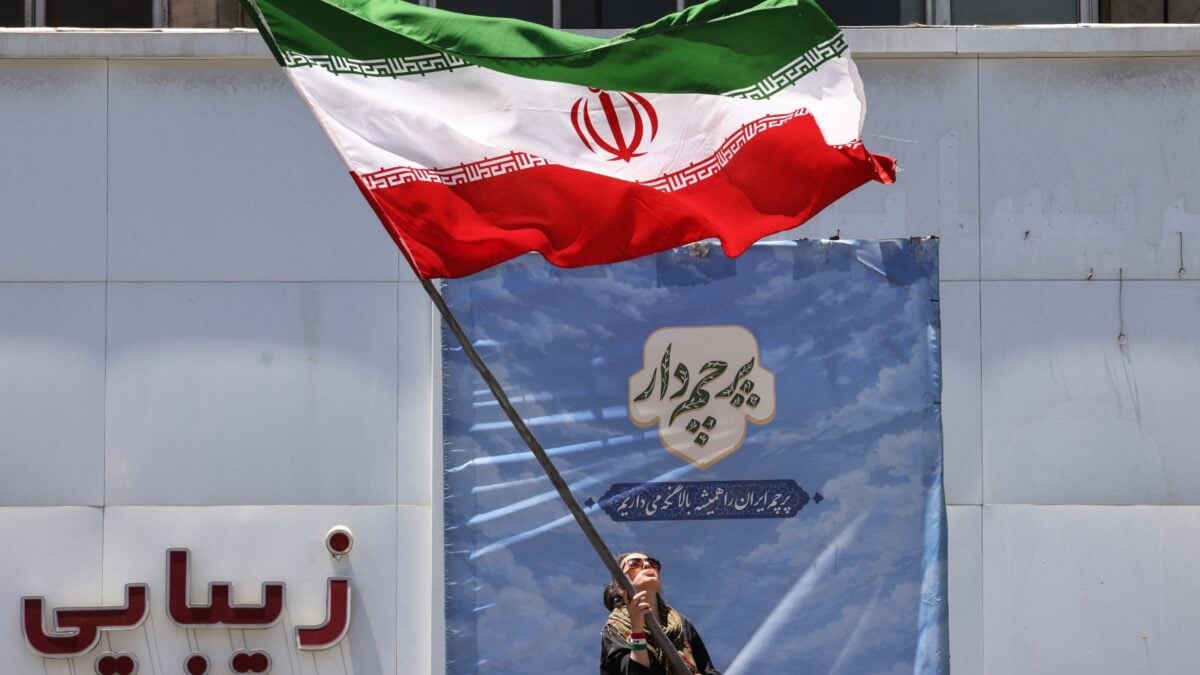
Some Iranian lawmakers want Iran to leave an international treaty about nuclear weapons.
The treaty asks countries without nuclear weapons not to build them.
In return, members can receive peaceful nuclear technology and inspections.
Iran’s parliament spokesman said trusting the United States would be like accepting deception.
He said leaving the treaty and changing Iran’s nuclear policy could be done.
The lawmakers’ proposal follows growing disagreements with the International Atomic Energy Agency.
The agency’s governing board reported Iran to the UN Security Council for alleged non-proliferation violations.
Iran says its nuclear program is peaceful, but tensions with the United States and international agencies are increasing.

Iranian lawmakers are backing a fast-tracked plan seeking withdrawal from the Nuclear Non-Proliferation Treaty.
Parliament spokesman Abbas Goudarzi said dealing with the United States requires a “logic of power.”
Goudarzi called trust in the United States deceptive and described leaving the NPT as achievable.
Iran’s position has hardened after the International Atomic Energy Agency referred alleged non-proliferation breaches to the UN Security Council.
Iran remains an NPT signatory and says its nuclear program is intended for peaceful purposes.
- Who
- Iranian lawmakers, parliament spokesman Abbas Goudarzi, Supreme National Security Council secretary Mohsen Rezaei, the United States and the International Atomic Energy Agency.
- What
- Iranian lawmakers are seeking a fast-tracked parliamentary plan for withdrawal from the Nuclear Non-Proliferation Treaty and a possible revision of Iran’s nuclear doctrine.
- Where
- Iran, with the dispute involving the United States, the International Atomic Energy Agency and the UN Security Council.
- When
- The remarks and reported parliamentary initiative were reported on September 13, 2026, after an IAEA resolution earlier that week.
- Why
- Iranian officials cite distrust of the United States and rising tensions over the IAEA’s assessment of Iran’s nuclear obligations.
Iranian hard-line position
International non-proliferation framework
Whether Iran should remain in the NPT
Iranian hard-line position
Iranian lawmakers and officials are questioning the value of remaining in the treaty and are promoting withdrawal as an achievable response to foreign pressure.
International non-proliferation framework
The NPT framework requires non-nuclear-weapon states not to acquire nuclear weapons while providing access to peaceful nuclear technology and safeguards.
Interpretation of international oversight
Iranian hard-line position
Mohsen Rezaei described the IAEA’s actions as political moves that could push countries to leave the NPT.
International non-proliferation framework
The IAEA Board of Governors reported Iran to the UN Security Council over alleged breaches of its non-proliferation obligations.
Key facts
- Iran’s treaty status
- Iran remains a signatory to the Nuclear Non-Proliferation Treaty.
- Parliamentary proposal
- A group of Iranian lawmakers reportedly signed a three-urgency plan seeking withdrawal from the NPT.
- Key spokesman
- Abbas Goudarzi is spokesman for Iran’s parliament’s presiding board.
- Goudarzi’s position
- He said trusting the United States would amount to accepting deception and called NPT withdrawal achievable.
- IAEA action
- The IAEA’s 35-nation Board of Governors passed a resolution reporting Iran to the UN Security Council for alleged non-proliferation breaches.
- Iran’s stated nuclear purpose
- Tehran maintains that its nuclear program is intended for peaceful purposes.
Quotes
Abbas Goudarzi
Spokesman for the Iranian parliament’s presiding board
“Trusting the United States means accepting deception,”
 news18.com
Sources
Related news
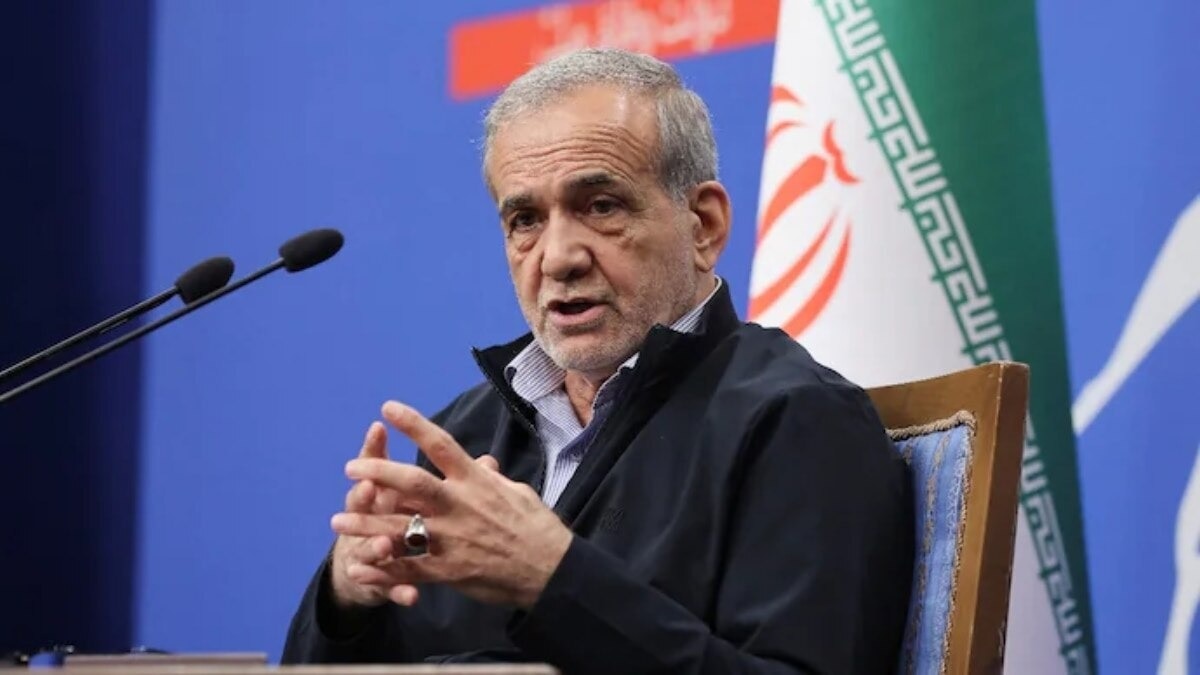
Pezeshkian Says Iran Wants NPT-Based Nuclear Talks, Rejects Allegations
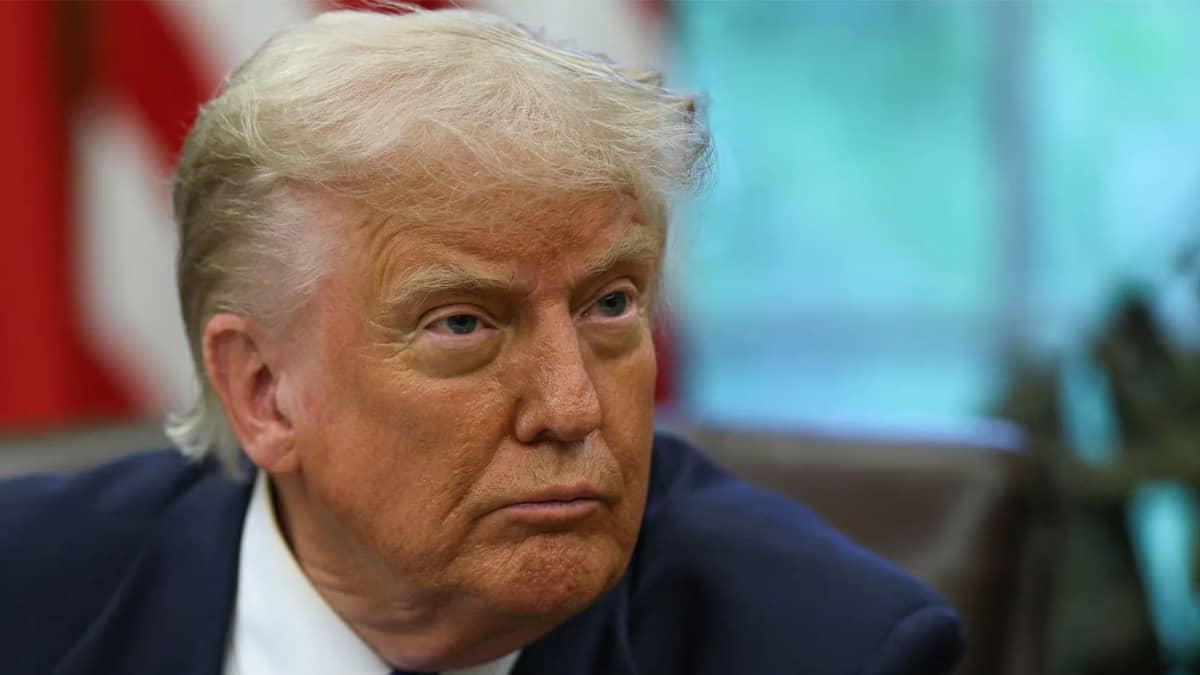
Iran Security Chief Says Trump Created Nuclear Insecurity, Not Security

Iran Nuclear Impasse Deepens After U.S. Wins IAEA Vote
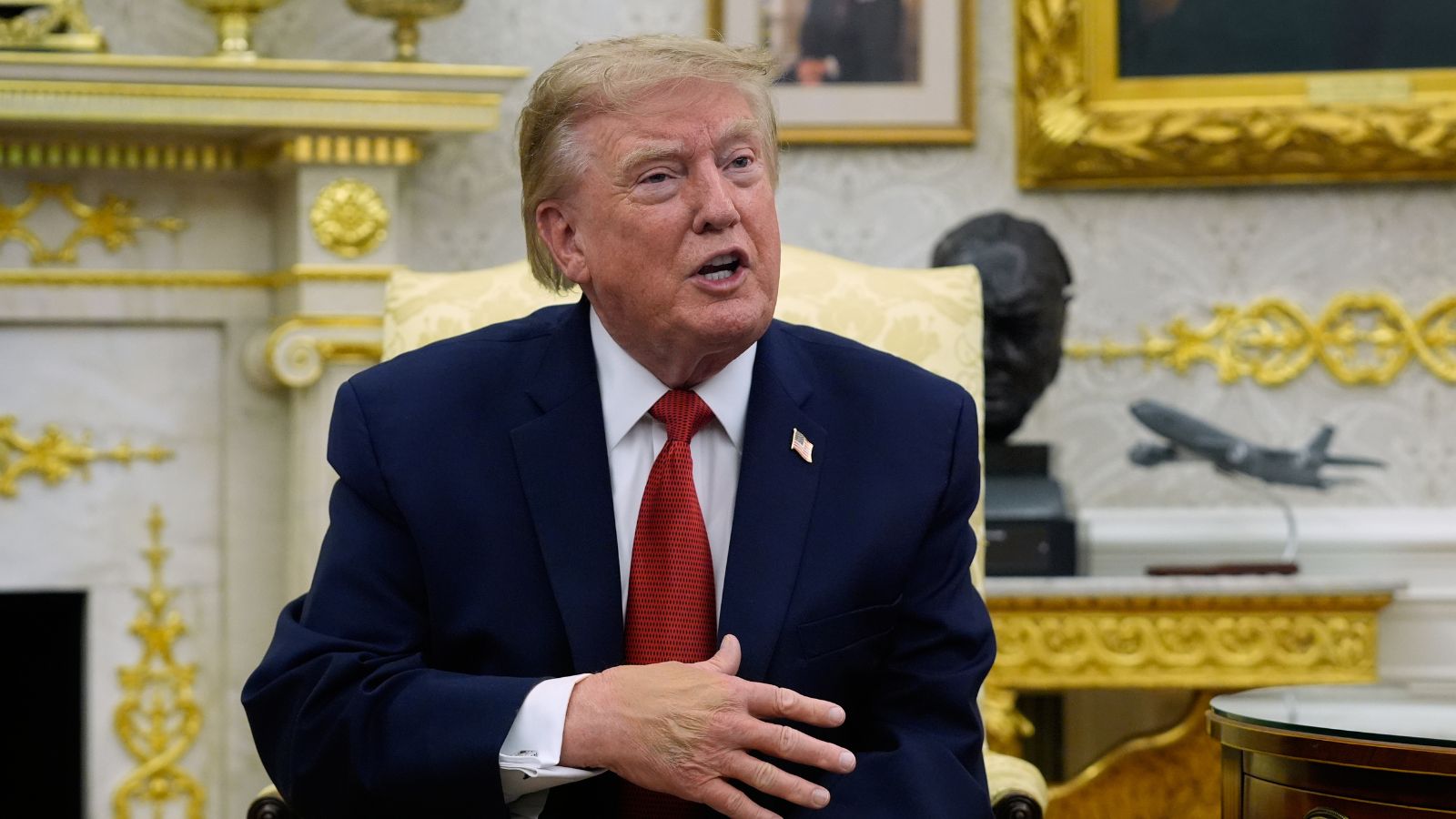
Trump: Iran won't make necessary deal as 60-day deadline lapses

US Allies Seek UN Referral Over Iran Nuclear Access
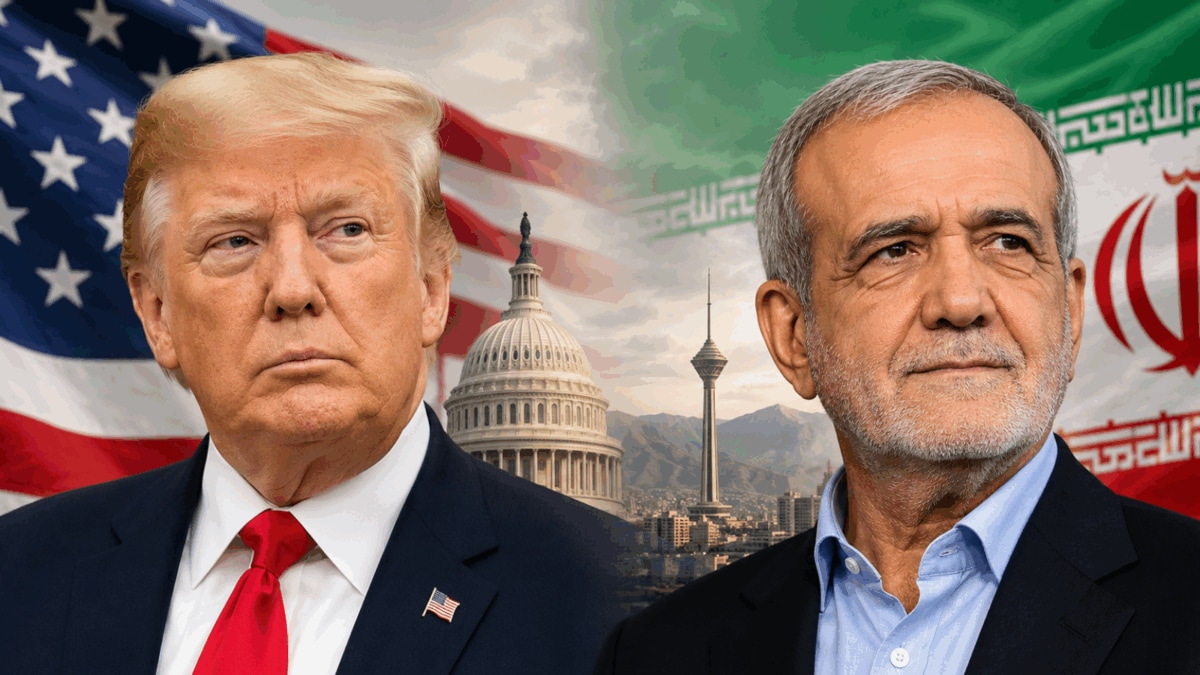
Pezeshkian Criticizes Trump’s Changing Messages on Iran
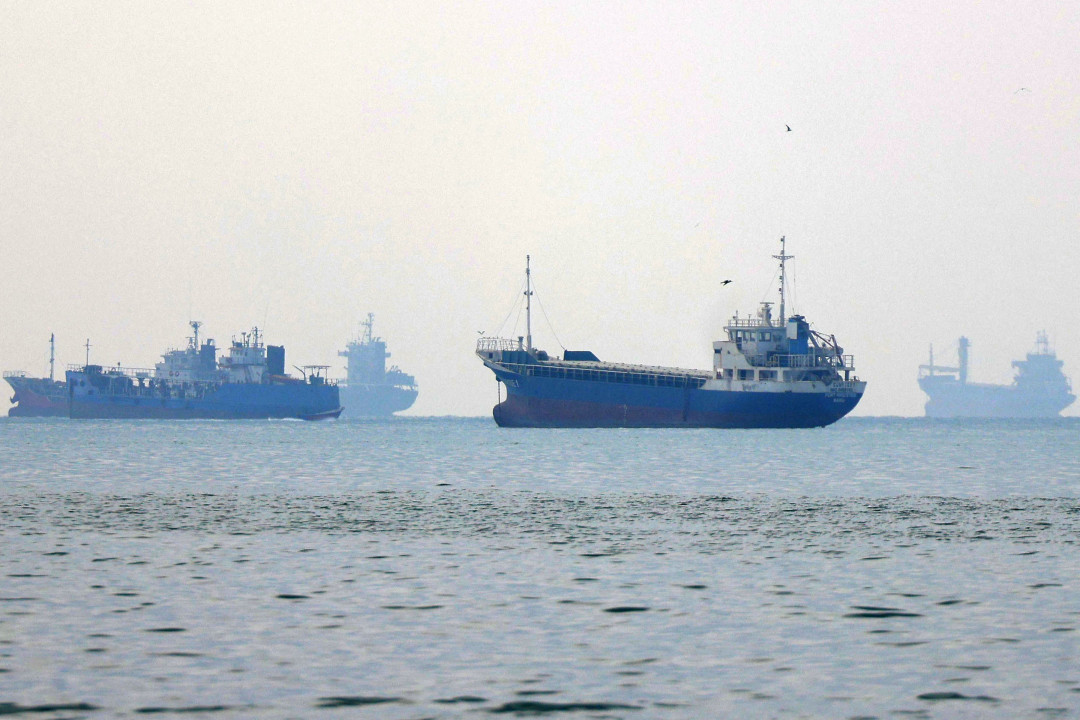
Iran, Oman Set New Strait of Hormuz Routes Amid Tensions
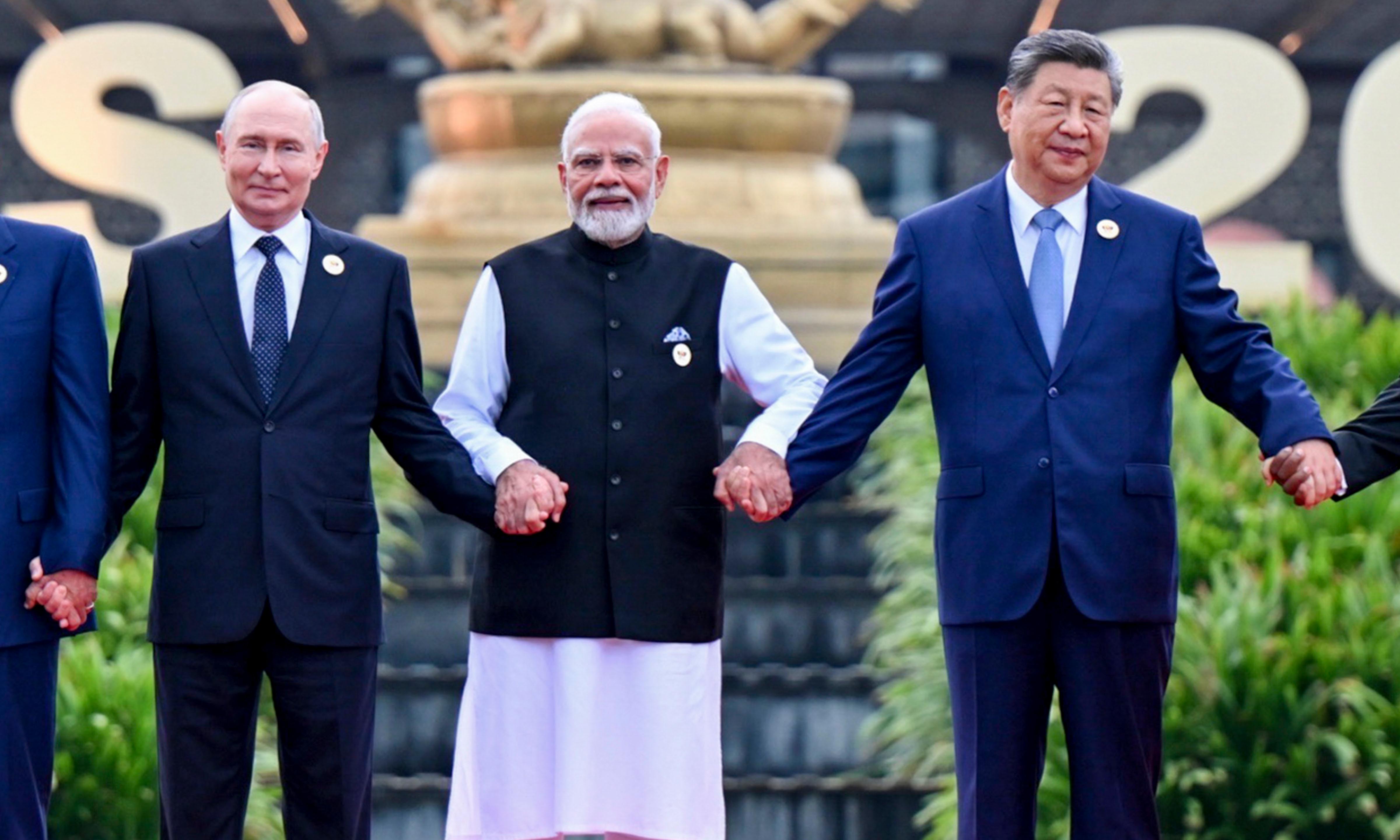
BRICS Leaders Voice Concern over Growing Risks of Nuclear Conflict
BRICS Declaration Criticizes Sanctions, Names Israel, Preserves India’s Balancing Act
UN Calls Iran-UAE Meeting Important, Hails India’s Bridge-Building Role