1 week ago
Iran and Oman Report Progress Toward Strait of Hormuz Accord
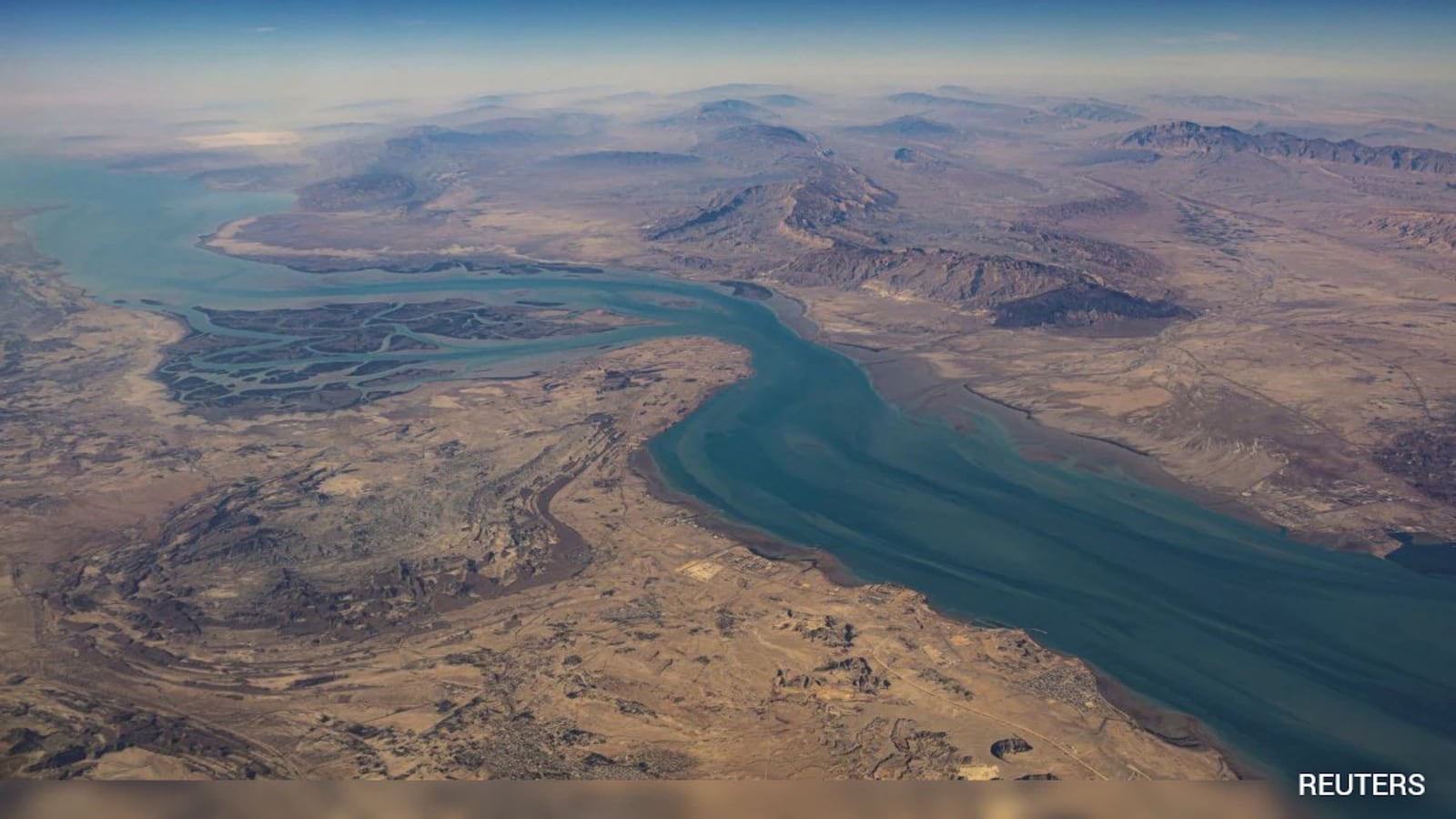
Iran and Oman are talking about how ships can safely travel through the Strait of Hormuz.
Iran’s Revolutionary Guards said the countries had agreed on how to divide control of the water and its revenues.
However, another senior Iranian official said the full agreement was not finished yet.
Oman said it hoped to help create a temporary route for ships.
Iran says the waterway will not fully reopen unless the United States meets several demands.
These demands include ending a blockade, removing sanctions, and paying compensation.
The United States has rejected Iran’s demand to charge ships for passing through the strait.
Many ships have stopped using the route, and some attacks have made travel dangerous.
The uncertainty has affected energy prices around the world.

Iran’s Revolutionary Guards said Iran and Oman agreed on territorial and revenue shares in the Strait of Hormuz.
A senior Iranian source said negotiations were continuing and no final agreement had been reached.
Oman’s foreign minister said the countries hoped to announce a temporary transit corridor and safe-navigation arrangements.
Iran said the strait would not fully reopen unless the United States lifted its blockade, removed sanctions, and provided compensation.
Most shipping through the waterway remains disrupted, while attacks and competing blockades have affected global energy prices.
- Who
- Iran, Oman, the United States, and ships using the Strait of Hormuz are involved.
- What
- Iran and Oman are negotiating an agreement covering traffic, territorial shares, and revenue from the Strait of Hormuz.
- Where
- The agreement concerns the Strait of Hormuz; the foreign ministers’ latest talks were held in Tehran.
- When
- The countries held talks on Tuesday, with the latest reports published on Wednesday, August 26, after negotiations lasting about a month.
- Why
- The talks aim to establish safe navigation and a temporary transit corridor, while Iran is demanding changes to the United States’ blockade and sanctions before fully reopening the strait.
Iranian and Omani Positions
United States Position
Status of the accord
Iranian and Omani Positions
Iran’s Revolutionary Guards said Iran and Oman had reached acceptable arrangements on territorial and revenue shares, while Oman expressed hope for a temporary transit corridor.
United States Position
The United States has rejected Iran’s demand to charge ships for passage and has warned Oman against cooperating with Iran.
Conditions for reopening
Iranian and Omani Positions
Iran said the strait would not reopen fully unless the United States ended its blockade, removed sanctions, and provided compensation. Oman is seeking practical measures to restore safe navigation.
United States Position
The United States has maintained a naval counter-blockade, threatened penalties against countries doing business with Iran, and accused Iran of using control of the waterway to apply pressure.
Negotiation progress
Iranian and Omani Positions
Iranian officials said the geographical coordinates of a proposed route had been agreed and that talks had produced results acceptable to both sides.
United States Position
The United States has been accused by Iran of obstructing the negotiations, while Washington continues to use sanctions and blockade measures to pressure Tehran.
Key facts
- Agreement status
- The Revolutionary Guards said acceptable arrangements had been reached, but a senior Iranian source said no final agreement had been finalized.
- Revenue arrangement
- Iran said negotiations covered each country’s share of the strait’s waters and revenues.
- Temporary corridor
- Oman’s foreign minister said he hoped to announce a temporary corridor and practical safe-navigation arrangements.
- Iran’s conditions
- Iran said reopening depended on ending the United States blockade, removing sanctions, and providing compensation.
- Strategic importance
- Before the war, the strait carried about one-fifth of global oil and liquefied natural gas shipments.
- Shipping disruption
- Most shipping has been shut down, and continuing attacks have made passage perilous.
- Blacklist
- Iran announced a blacklist of 45 ships in an apparent effort to stop ship-to-ship transfers used to evade its blockade.
Quotes
Hossein Mohebbi
Spokesperson for Iran’s Islamic Revolutionary Guard Corps
“The Strait of Hormuz belongs to Iran and the country of Oman… We have been in negotiations with Oman for about a month, and we have reached results that are acceptable to both sides”
 theprint.in
“During negotiations with Oman, some agreements were made regarding each country's share of the waters of the Strait and Iran's and Oman's shares of its revenues.”
 NDTV
NDTV
Senior Iranian source
Unnamed senior Iranian official familiar with the negotiations
“hopeful we will soon announce a temporary corridor for the Strait of Hormuz and practical arrangements to restore safe navigation”
theprint.in
“An agreement with Oman over the Strait of Hormuz has not been finalised”
theprint.in
Sources
Related news
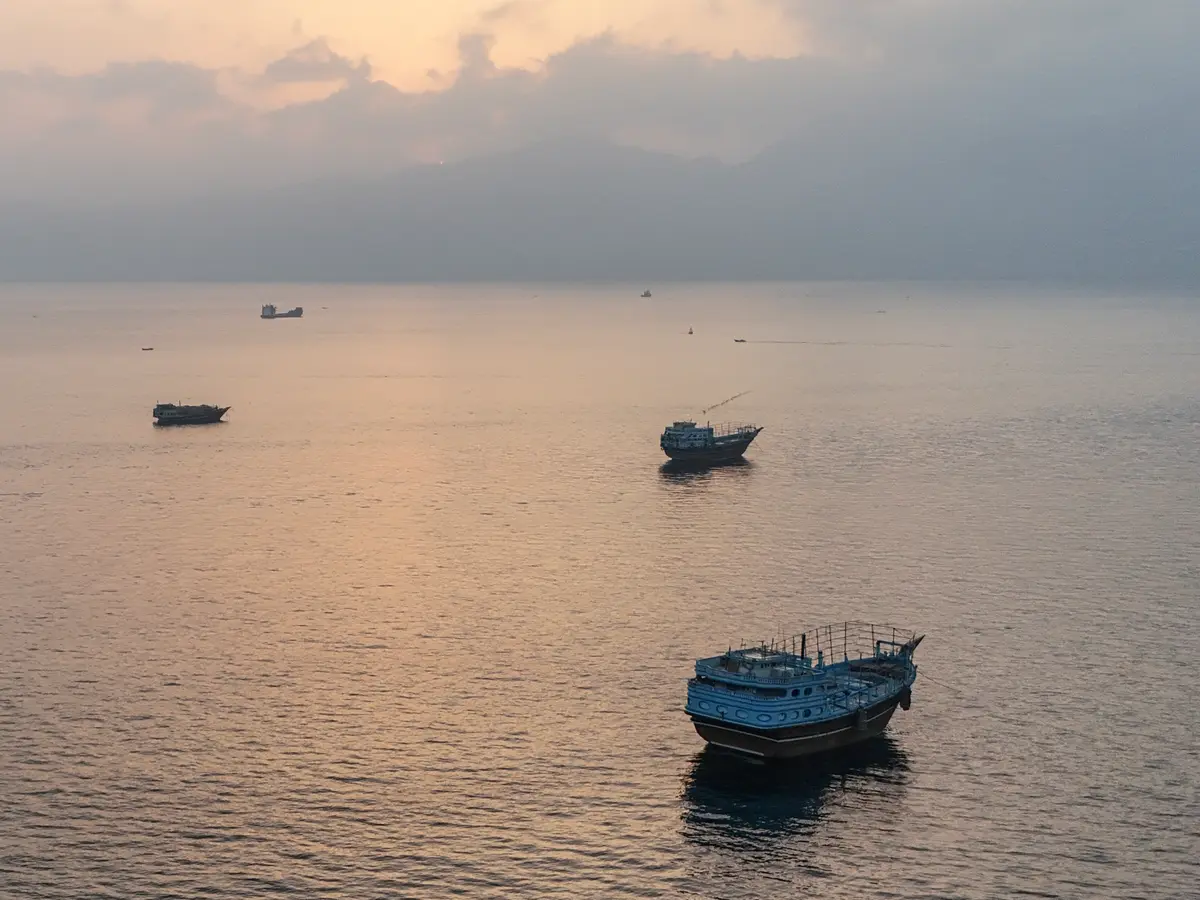
Iran, Oman Reach Hormuz Revenue Accord Amid US Opposition

Iran Says Hormuz Deal Close, Reopening Depends on US Conditions

Iran-Oman Hormuz Deal in Final Stage; Trump Says Announcement Near
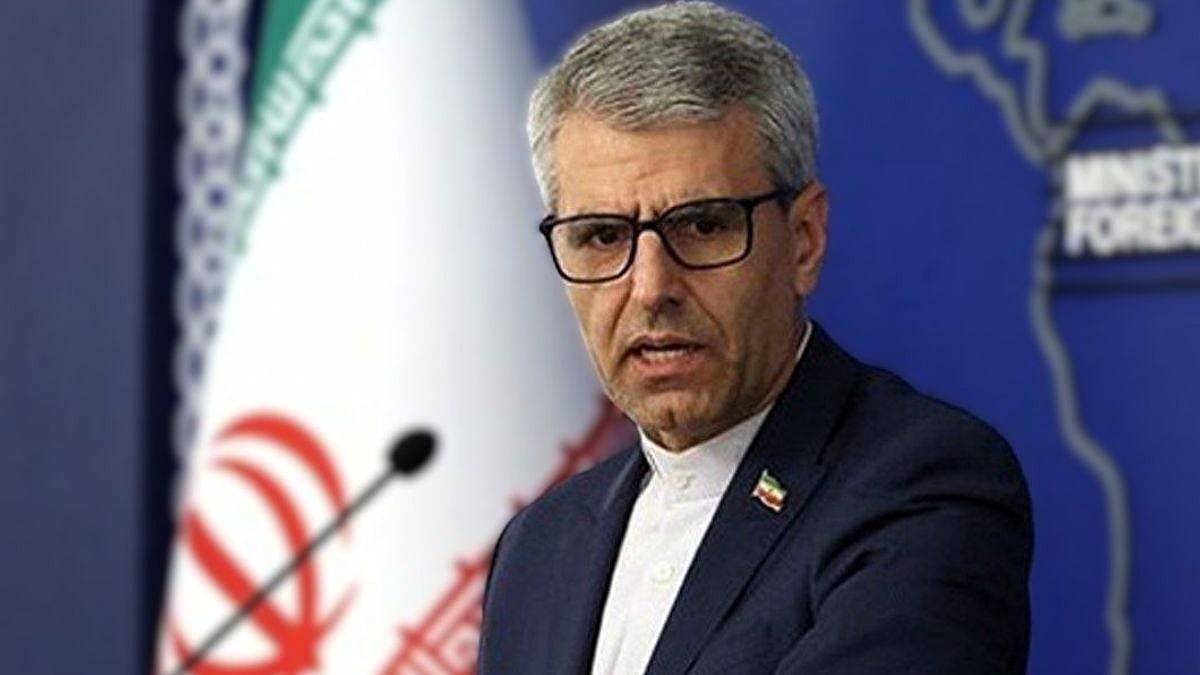
Iran, Oman Finalise Hormuz Transit Deal Amid US Threats
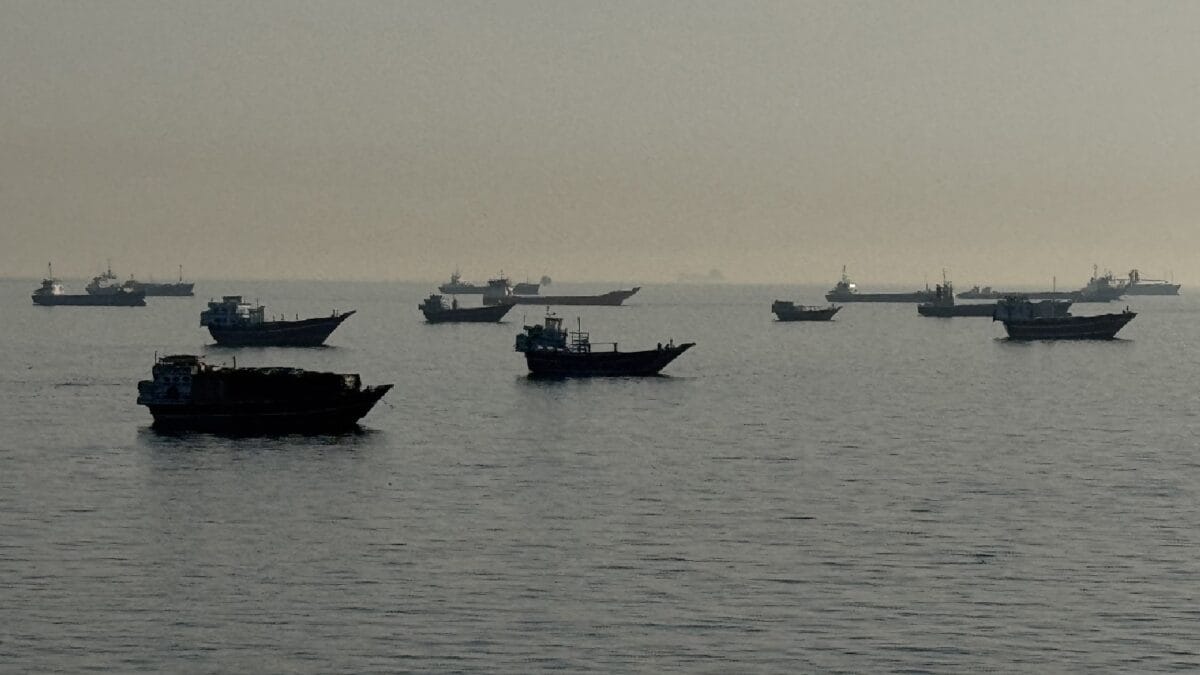
Iran-Oman strike landmark deal to secure Strait of Hormuz
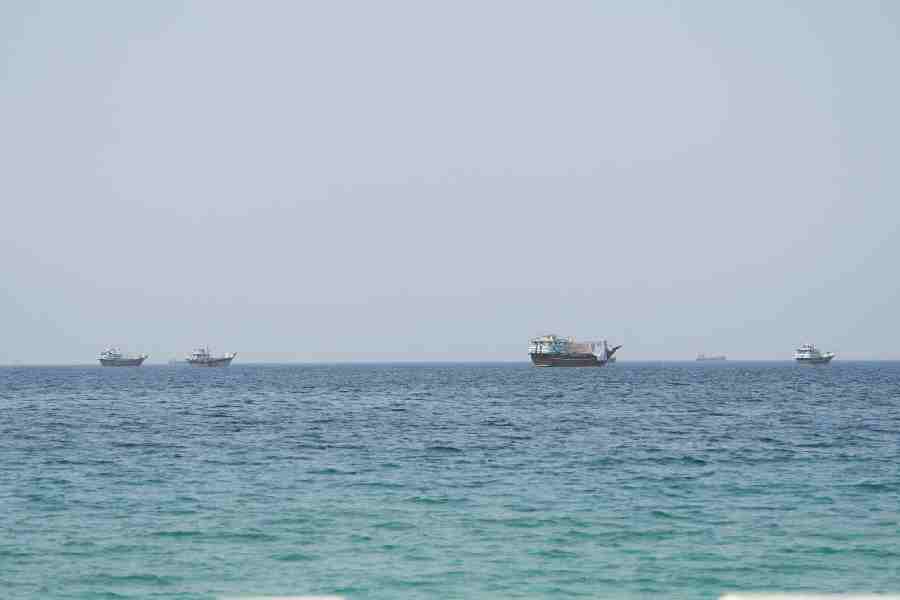
UAE accuses Iran of missile attack on Hormuz vessel

Chevron Plans $7 Billion Venezuela Expansion Amid U.S. Oil Push
Saudi Arabia Says Iranian Tanker Attack Killed Two Sailors
U.S.-Iran Exchange Escalates Across Middle East, Markets Slide
Trump Aides Seek Quiet Iran War Before Midterm Elections
US Warns Middle East Travelers Amid Escalating Iran-Linked Tensions