

1 hr ago
NAQUIM 2.0 Pushes India Toward Scientific Groundwater Security
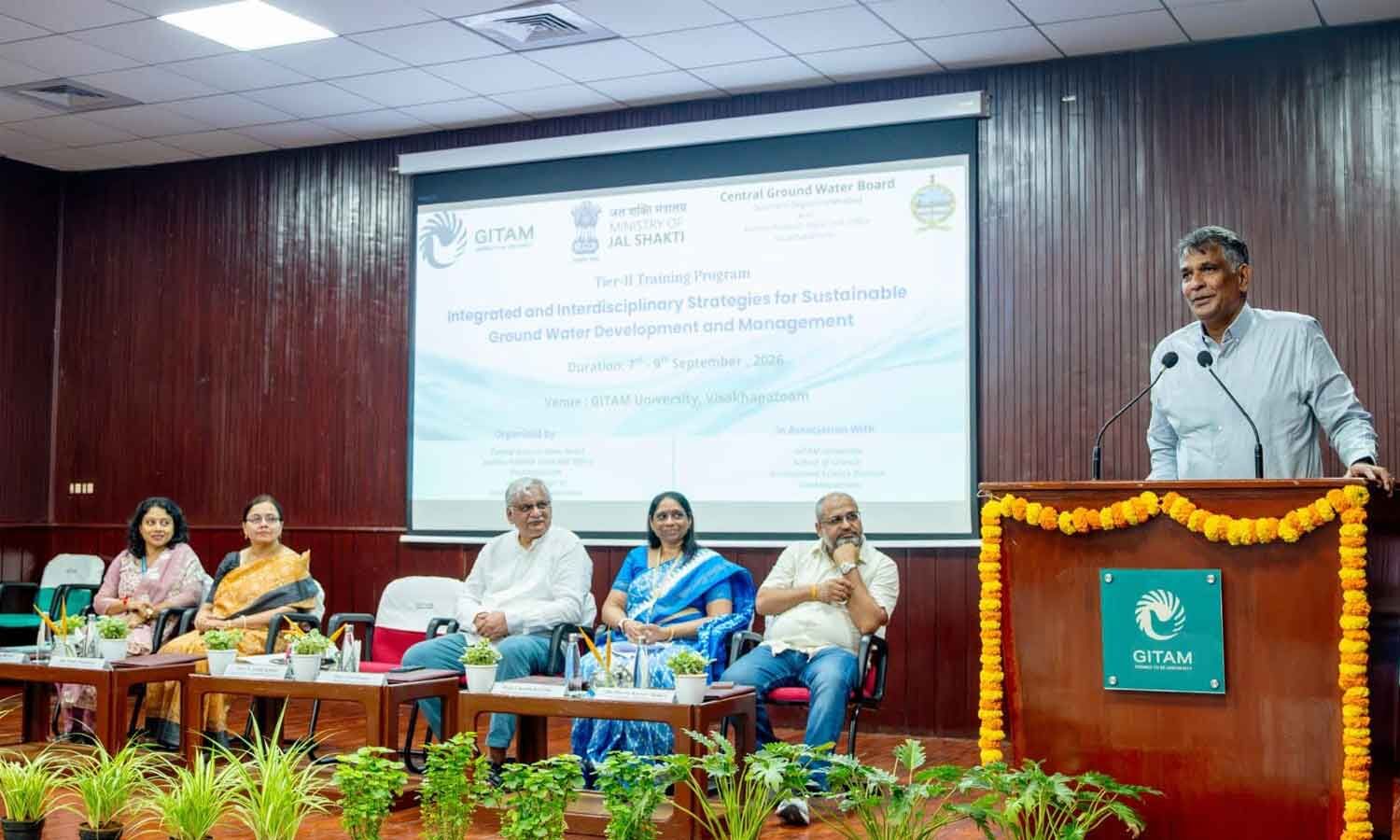
India uses groundwater for drinking, farming, and industry.
However, many areas do not have enough information about the underground water systems they depend on.
NAQUIM 2.0 is gathering more detailed information, including at the village-government level.
It will focus especially on places where groundwater is at risk.
Officials said Andhra Pradesh should obtain its own drilling machines to collect information more efficiently.
Speakers also warned that intensive farming and poor sewage systems can damage groundwater.
They said rainwater harvesting could help restore polluted or depleted supplies.
One expert argued that groundwater should be treated as a shared resource rather than private property linked to land ownership.

NAQUIM 2.0 is shifting groundwater policy toward detailed, science-based management at the panchayat level.
The initiative focuses on vulnerable and critical zones, building on broader mapping completed under NAQUIM 1.0.
N Jyothi Kumar urged Andhra Pradesh to buy its own drilling rigs to reduce reliance on central machinery.
Speakers linked groundwater risks to intensive agriculture, rapid urbanisation, and inadequate sewage management.
Participants called for rainwater harvesting and reforms to treat groundwater as a shared public resource.
- Who
- The National Aquifer Mapping and Management 2.0 initiative, Central Ground Water Board representatives, academics, and water officials.
- What
- A training programme discussed NAQUIM 2.0 and measures to improve groundwater mapping, management, and security.
- Where
- GITAM Deemed to be University in Visakhapatnam, Andhra Pradesh.
- When
- During a tier-II training programme; no specific date was provided.
- Why
- To improve knowledge of local aquifers and develop practical responses to groundwater depletion, pollution, and management gaps.
Existing Approaches and Concerns
Proposed Groundwater Reforms
Groundwater management
Existing Approaches and Concerns
Current management in many regions operates without sufficient knowledge of local aquifer systems, while policy has historically allowed reliance on extraction.
Proposed Groundwater Reforms
NAQUIM 2.0 promotes scientific, detailed mapping and localised solutions for vulnerable and critical zones.
Drilling capacity
Existing Approaches and Concerns
Andhra Pradesh currently relies on central machinery to address drilling needs, according to the recommendation presented.
Proposed Groundwater Reforms
N Jyothi Kumar recommended that the state procure its own direct rotary and down-the-hole drilling rigs.
Ownership of groundwater
Existing Approaches and Concerns
The Indian Easements Act of 1882 treats underground water as private property connected to land ownership.
Proposed Groundwater Reforms
Rumi Mukherjee argued that modern policy should recognize groundwater as a shared public resource.
Economic and urban pressures
Existing Approaches and Concerns
Intensive agriculture and unplanned sewage management contribute to groundwater stress and pollution.
Proposed Groundwater Reforms
Speakers advocated shifting toward human capital-led growth and using rainwater harvesting as a restorative measure.
Key facts
- Initiative
- National Aquifer Mapping and Management 2.0 (NAQUIM 2.0)
- Earlier phase
- NAQUIM 1.0 provided macro-level aquifer mapping.
- Focus
- Vulnerable and critical groundwater zones
- Data scale
- High-granularity information down to the panchayat level
- Equipment proposal
- Andhra Pradesh was urged to procure direct rotary and down-the-hole drilling rigs.
- Major risks identified
- Intensive agriculture, rapid urbanisation, and unplanned sewage management
- Proposed restoration measure
- Rainwater harvesting
Sources
Related news

Chandrababu Naidu Directs Water Management to Prioritise Drinking Water
Modi Calls for Team India Water Security Roadmap

India’s Semiconductor Push Exposes a Missing Water Budget
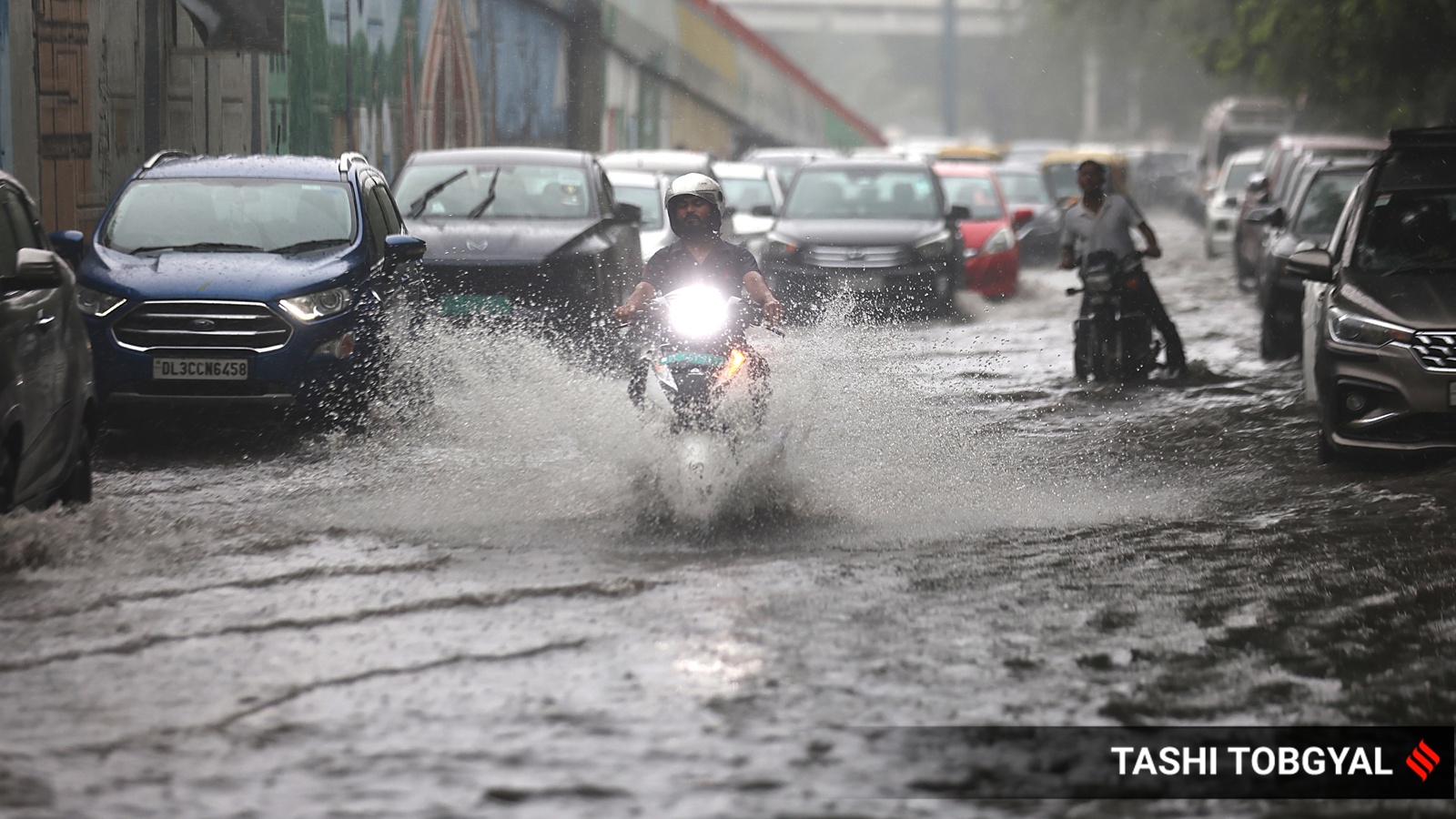
Gurgaon Pitches Underground Wells and Tanks to Fight Flooding
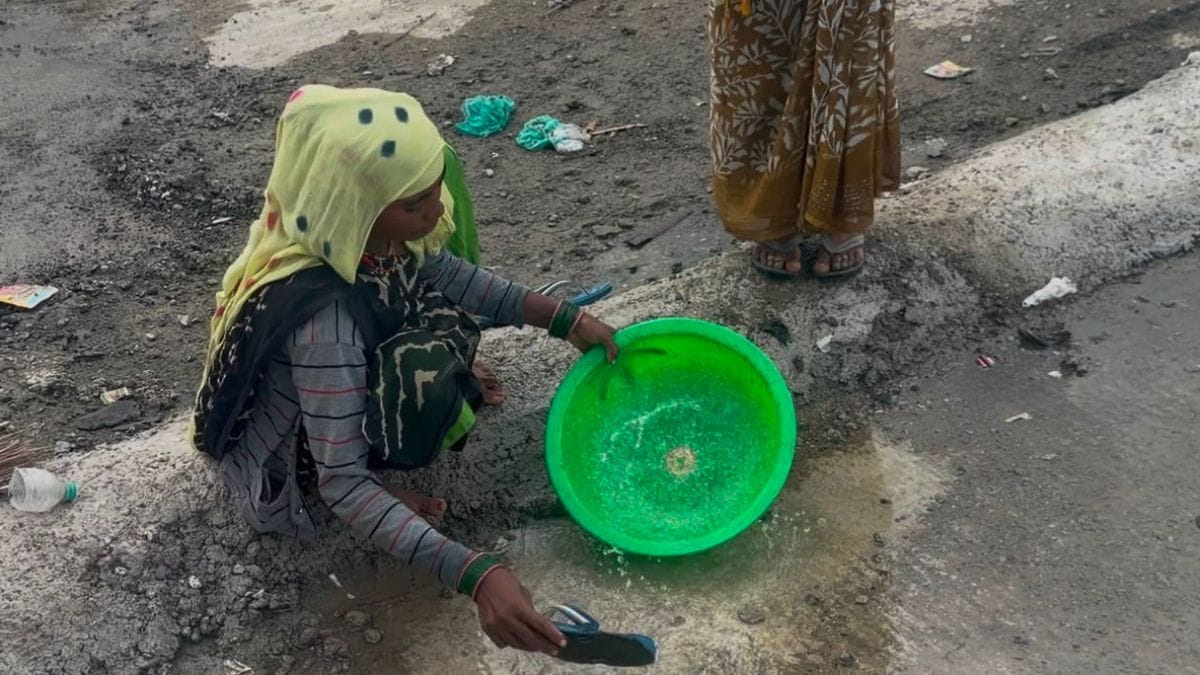
Water Stress Is Reshaping South Asian Urban Life
Cyberabad Launches Rainwater Harvesting Pilot To Reduce Waterlogging
Visakhapatnam Police Organise Free Medical Camp for Auto-Drivers
Telugu Language Advocates Link Local Education to National Development
GITAM, IIULER Sign MoU to Advance Legal Education Collaboration

GIMSR Launches Eye Donation Fortnight Against Corneal Blindness
