1 week ago
Water Stress Is Reshaping South Asian Urban Life
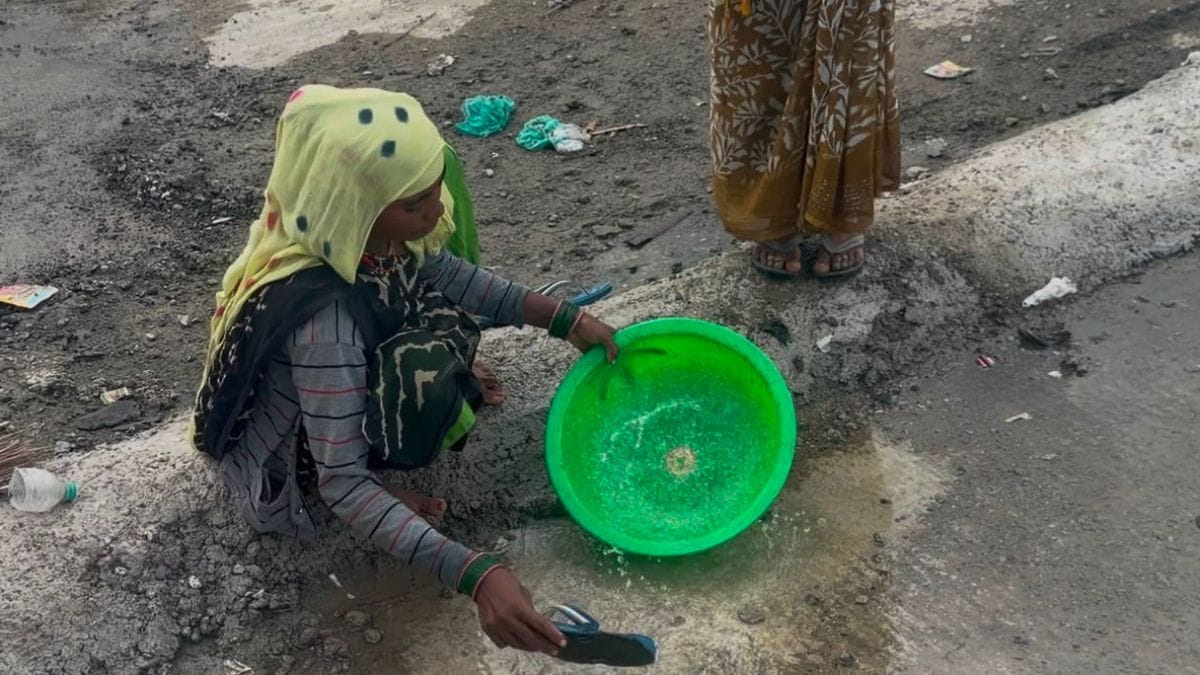
Many South Asian cities are near rivers or underground water, but that does not guarantee enough safe water.
Cities are growing faster than their pipes, rules, and water plans.
People increasingly depend on tankers, private sellers, and wells when public supplies fail.
Wealthier families can often pay for extra water, while poorer communities face daily shortages.
Women and children may spend more time collecting water, and unreliable supplies can affect health, school, and work.
Climate change is making rainfall less predictable and heatwaves longer.
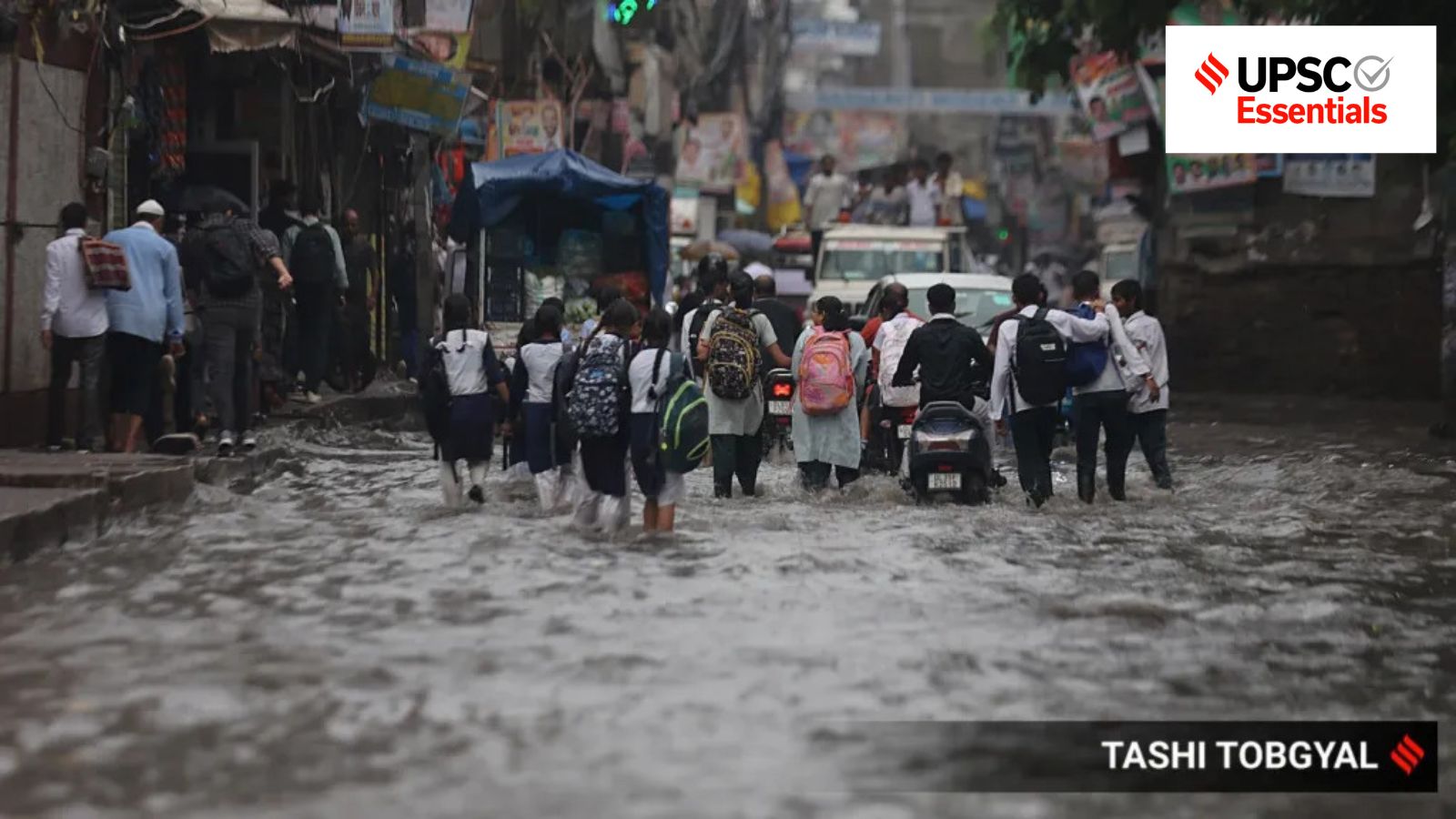
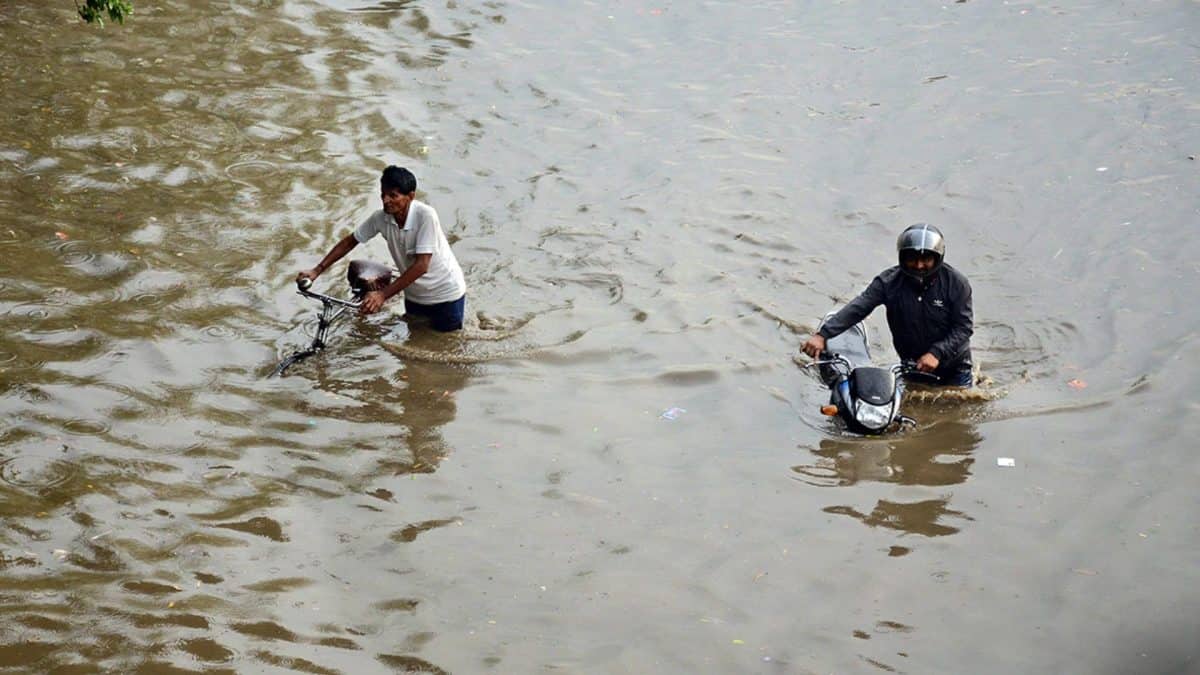
Some cities face drought while also experiencing sudden floods.
The article says cities need better planning and should treat water as a public resource rather than only as a product to buy.

Rapid urban growth is outpacing water infrastructure, governance, and environmental planning across South Asia.
Over-pumped groundwater, pollution, saline intrusion, and erratic supply are intensifying urban water insecurity.
Informal tanker markets and private suppliers increasingly fill gaps, but access depends heavily on income.
Climate change is bringing longer heatwaves, irregular monsoons, depleted reservoirs, and damaging flash floods.
Experts call for coordinated management of surface water, groundwater, wastewater, ecosystems, and climate risks.
- Who
- Residents, governments, private suppliers, and informal water businesses in rapidly growing South Asian cities.
- What
- Urban water stress is reshaping access, inequality, infrastructure, and daily life.
- Where
- South Asian cities including Delhi, Karachi, Dhaka, Lahore, Kolkata, Chennai, Bengaluru, and Mumbai.
- When
- The article describes an ongoing and intensifying crisis; it gives no specific date.
- Why
- Rapid urbanization, over-pumping, weak coordination, pollution, unequal distribution, and changing climate patterns are straining water systems.
Key facts
- Core problem
- Cities near rivers and aquifers are becoming water-stressed because water is mismanaged, overused, polluted, and unevenly distributed.
- Groundwater
- Over-pumping has caused critical aquifer decline in cities such as Delhi and Lahore.
- Informal supply
- Tanker operators, unregulated sellers, and private borewell companies increasingly provide water outside formal systems.
- Climate pressures
- Erratic monsoons, longer heatwaves, altered rainfall, depleted reservoirs, and flash floods are disrupting urban water cycles.
- Inequality
- Affluent households can use storage and private supplies, while low-income communities often face chronic instability.
- Institutional weakness
- Fragmented agencies and limited coordination encourage reactive responses to shortages, floods, and droughts.
- Proposed responses
- The article recommends water harvesting, wastewater recycling, ecosystem restoration, and integrated urban water governance.
Sources
Related news
Climate-Resilient Urban Planning Could Make India’s Cities Safer
Visakhapatnam Water Crisis: Tanker Owners Overcharge Residents Amid Shortage

Pakistan’s Water Crisis Deepens Amid Political and Institutional Failures

Caste Shapes India’s Water Crisis Amid Climate Stress
India's Cities Face Flooding as Rainfall Intensifies and Infrastructure Lags
Tata Elxsi, Sarla Aviation Partner on India’s Electric Air Taxi
India-Brazil Friendly Tickets Sell Out as Kolkata Anticipates Clash
Advocate Seeks Removal of Burial Sites from Bengaluru Kala Grama
Shivakumar Calls BJP Padayatra Cover-Up for Internal Crisis

Futura MedTech Appoints Abhishek Bhargava as Group CEO