6 days ago
Why Fanta Has More Sugar in India Than Britain
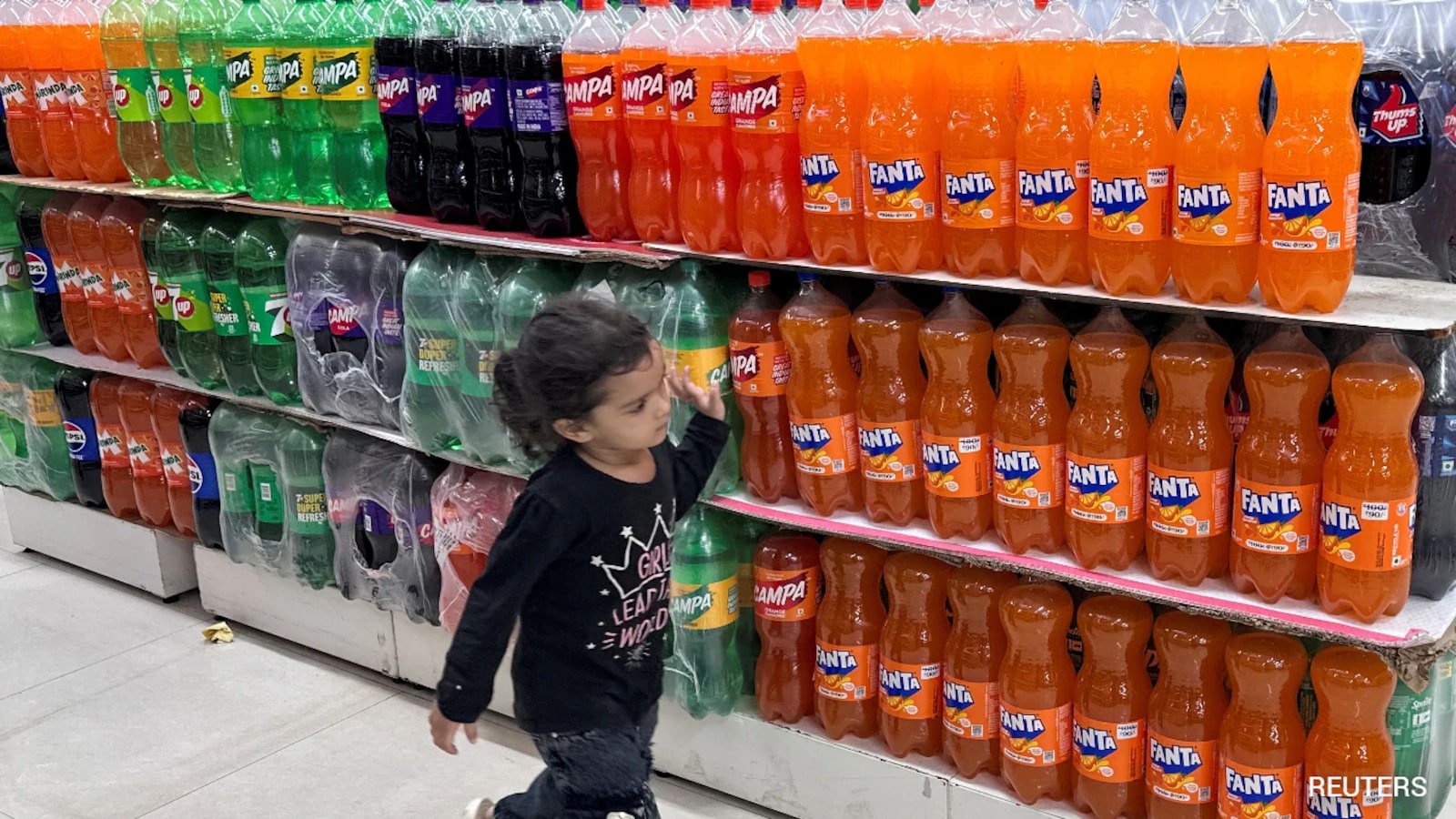
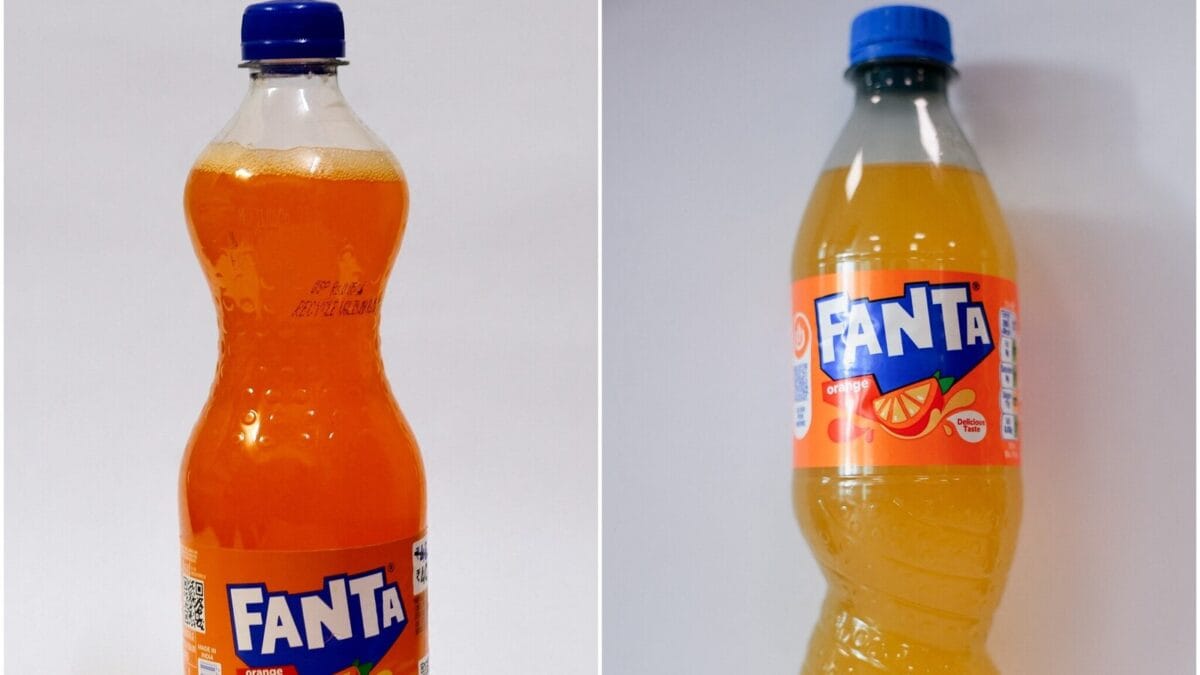
Fanta sold in Britain and Fanta sold in India may not have the same recipe.
A report said the British version has 63 calories, while the Indian version has about three times as much sugar.
One expert said Britain charges manufacturers more when drinks contain more sugar.
This gives companies a reason to use less sugar.
India does not have the same tax on sugary drinks.
The discussion has also raised questions about labels and health warnings on food packages.
Indian regulators have proposed clearer warnings, but companies currently mainly list ingredients and nutrition details on the back.
Some people also worry that healthier products may cost too much for many families.

A Reuters report said UK Fanta has 63 calories, while the Indian version contains about three times as much sugar.
Food safety educator Urvashi Agarwal attributed the difference partly to the UK’s soft drinks tax, which incentivizes manufacturers to reduce sugar.
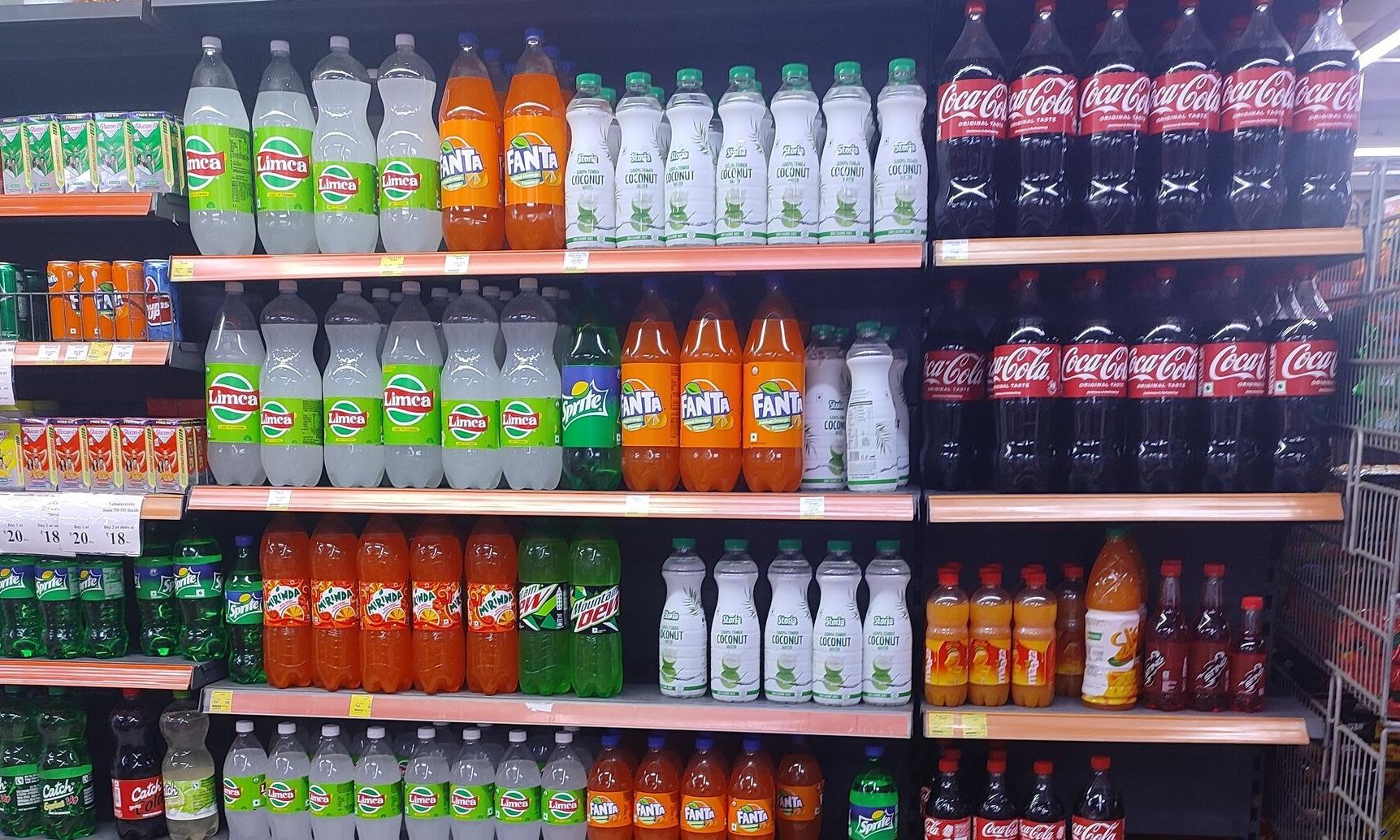
Indian packaged-food products have faced renewed scrutiny over front-of-pack warnings for high sugar, salt and saturated fat.
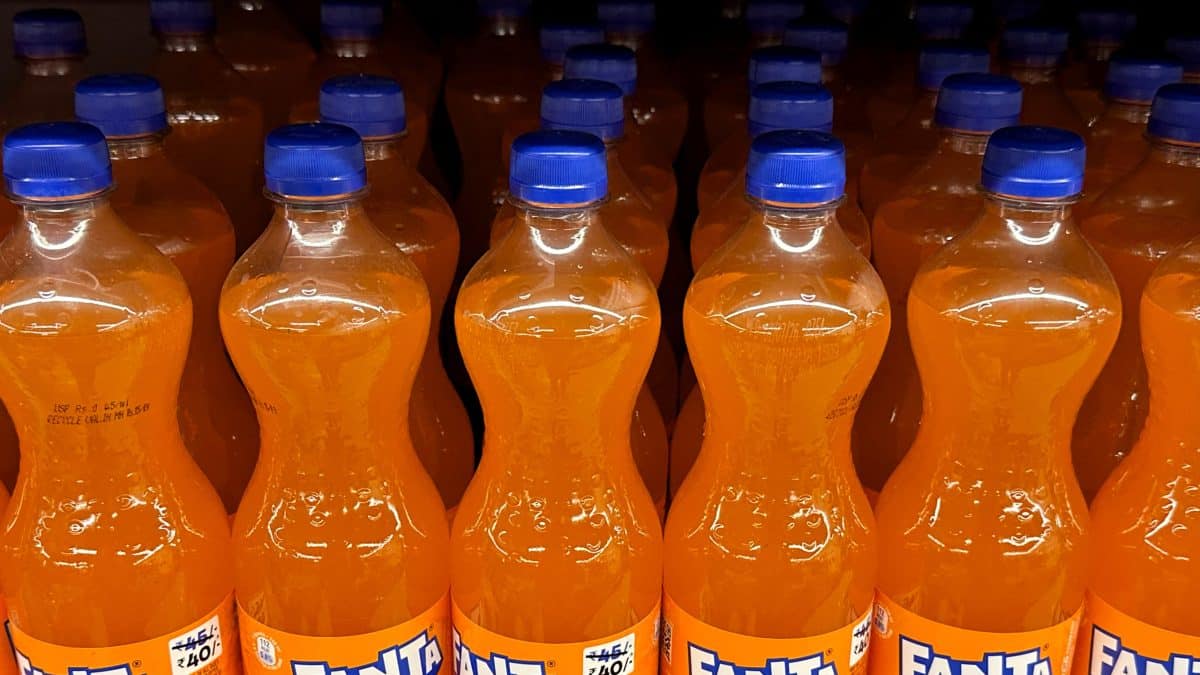
The Indian Fanta version reportedly contains an artificial dye whose presence is disclosed in small print rather than through a prominent warning.
Industry estimates suggest almost 80% of India’s packaged food and beverage products are high in fat, sugar and salt.
- Who
- Fanta manufacturers, Indian food regulators, food safety educator Urvashi Agarwal, and packaged-food companies.
- What
- Differences between Fanta formulations in the UK and India have triggered debate over sugar levels, ingredients, taxes and food labelling.
- Where
- The products and regulatory debate concern the United Kingdom and India.
- When
- The debate followed a Reuters report earlier this week; the Supreme Court criticised the Food Safety and Standards Authority of India earlier this month.
- Why
- The UK’s soft drinks tax creates a financial incentive to reduce sugar, while India lacks an equivalent tax and has not yet mandated prominent front-of-pack warnings.
Warning Advocates
Industry and Affordability Concerns
Front-of-pack health warnings
Warning Advocates
Supporters argue that prominent warnings for high sugar, salt and saturated fat would make nutritional risks easier for consumers to see.
Industry and Affordability Concerns
Producers have resisted mandatory nutritional warnings, while current rules require basic information and ingredients mainly on the back of packages.
Reducing sugar in drinks
Warning Advocates
The UK tax model is presented as a way to financially encourage manufacturers to lower sugar levels in beverages.
Industry and Affordability Concerns
India has no equivalent financial incentive, and manufacturers also face affordability pressures because many consumers may not be able to pay for products with better ingredients or cleaner labels.
Ingredient disclosure
Warning Advocates
Consumer advocates point to the need for clearer disclosure, noting that artificial dye in the Indian Fanta version is mentioned in small print.
Industry and Affordability Concerns
The report describes existing disclosure practices, while prominent health warnings for artificial dyes are required in Europe rather than being identified as an Indian requirement.
Key facts
- UK Fanta calories
- A can was reported to contain 63 calories.
- Sugar comparison
- The Indian version was reported to contain about three times as much sugar as the UK version.
- UK soft drinks tax
- Manufacturers pay more tax as the sugar content of a soft drink increases.
- Indian labelling rules
- Products are currently required to list basic nutrition information and ingredients on the back of packaging.
- Proposed Indian warnings
- Since 2017, regulators have proposed prominent colour-coded warnings and nutritional ratings.
- Market size
- India’s packaged food and beverages market is valued at more than $100 billion.
- High-fat, sugar and salt products
- Industry estimates suggest almost 80% of products in the market could be high in fat, sugar and salt.
Quotes
Urvashi Agarwal
Food safety educator who explained the regulatory and financial reasons for differing sugar levels
“In the UK, there is cold drink tax. So the manufacturer, the more sugar the manufacturer puts in the cold drink, the more tax he pays. So there is a financial incentive for the manufacturer to put less sugar, which is not there in India”
 NDTV
NDTV
Sources
Related news
Why Indian Fanta Has Nearly Triple UK Version’s Calories
India’s Front-of-Pack Food Warning Debate Faces Industry Pushback

Fanta Cans In UK And India Differ In Sugar
India Drops Food Warning Labels as Court Reviews Policy

Maharashtra FDA Chief Challenges Differing Food Standards, Labels

Reuters Investigation Finds Global Brands Use Different Indian Recipes
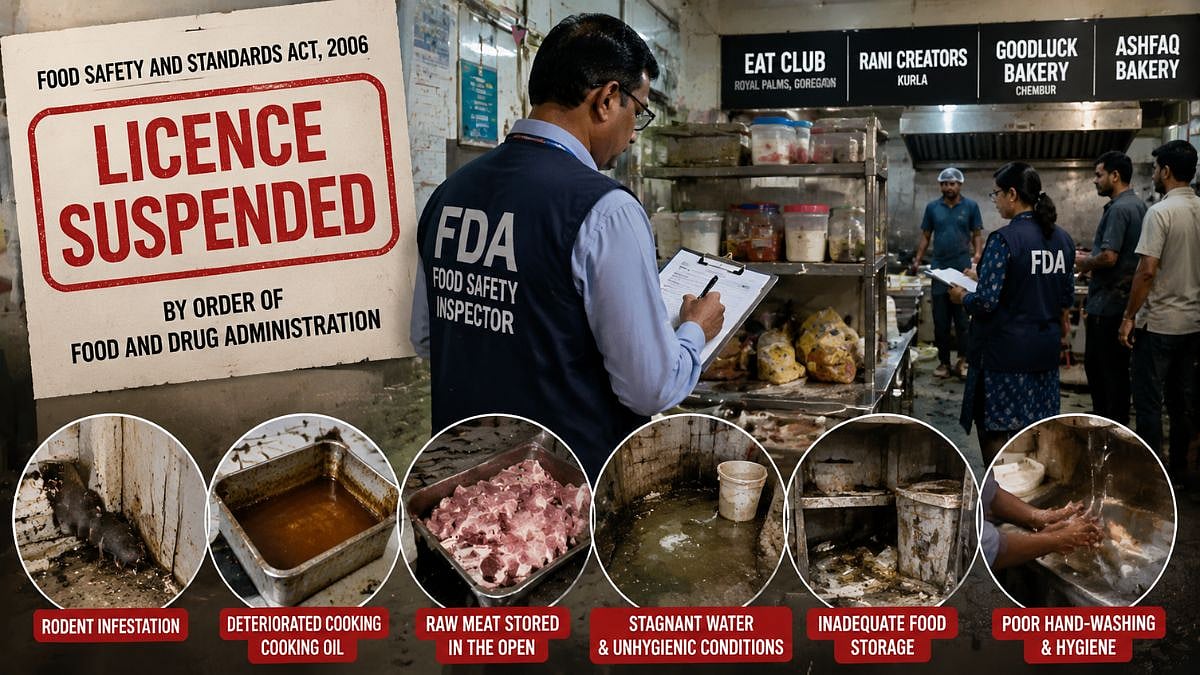
Mumbai FDA Suspends Two Food Licences, Flags Two More

India’s Proposed Food Warning Labels Face Health, Industry Backlash

FSSAI Chief Backs Mundhe’s Maharashtra Food Safety Drive

Egg prices surge 10-50% in six months, consumers concerned about adulteration

Cockroach Allegedly Spotted On Dessert Plate At Virar Restaurant