1 week ago
India’s Front-of-Pack Food Warning Debate Faces Industry Pushback
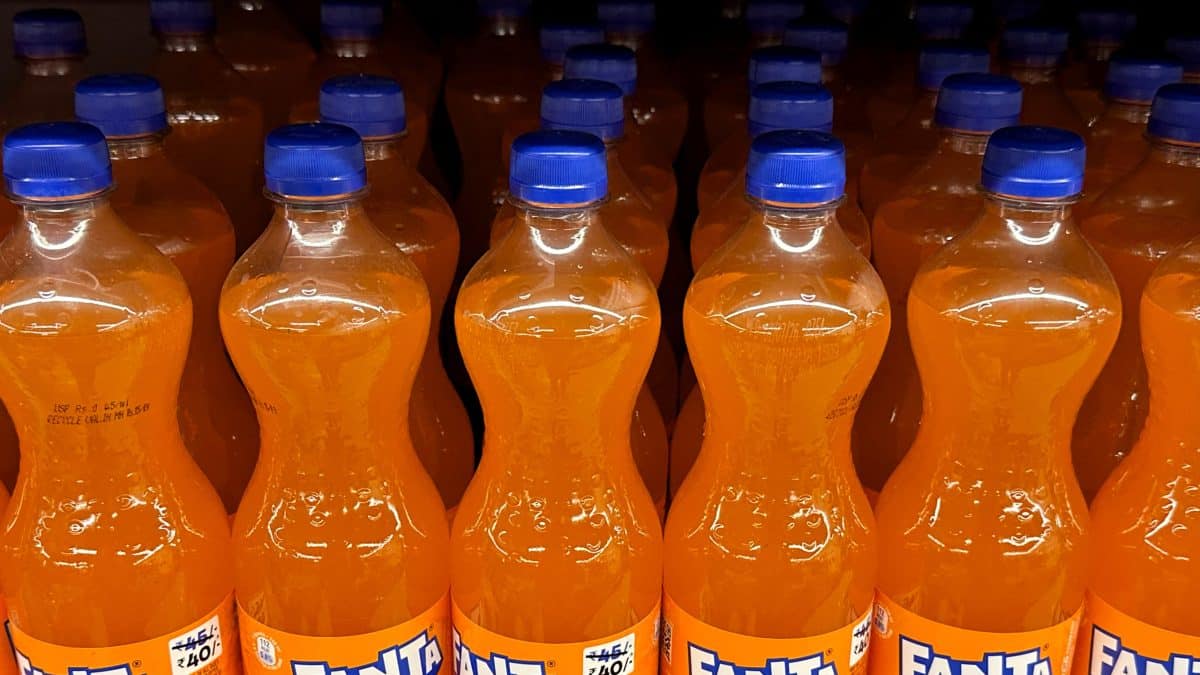
India is deciding how clearly packaged foods should warn people about sugar, salt and fat.
Health activists want large labels on the front of packages so shoppers can understand products quickly.
The food regulator instead proposed a black-and-white table with nutrition information.
Food companies say warning symbols can be confusing and may not change eating habits.
They prefer teaching people about portion sizes and balanced diets.
The Supreme Court is examining the regulator’s decision.
The debate matters because a study estimates that 450 million Indians could be overweight or obese by 2050.
Some popular brands also use different recipes in India and other countries, which has increased public concern about product information.

India’s food regulator abandoned proposed colorful front-of-pack warnings for high sugar, fat and salt, favoring a black-and-white nutrition table.
The Supreme Court of India is reviewing the decision after public-health activists petitioned for clearer warning labels.
Food companies argued that warning symbols oversimplify nutrition and that portion control and consumer education would be more effective.
Health experts said prominent interpretive labels could help consumers identify potentially unhealthy products more quickly.
Products including Fanta, KitKat and Maggi can have different ingredients and nutritional profiles in India than in Britain, Europe or Australia.
- Who
- The Food Safety and Standards Authority of India, food companies, public-health activists, health experts and the Supreme Court of India are involved.
- What
- India is deciding whether packaged foods should carry prominent front-of-pack warnings about high sugar, salt and fat.
- Where
- India, with comparisons involving products sold in Britain, Europe and Australia.
- When
- The regulator moved away from colorful warnings in August after a March 19 industry meeting; the Supreme Court has been reviewing the issue since a February directive.
- Why
- Health activists and experts want consumers to receive clearer information, while food companies argue that warnings are simplistic and that education and portion control are better approaches.
Health advocates and experts
Food companies and industry groups
Front-of-pack warnings
Health advocates and experts
Prominent interpretive labels would make high sugar, salt and fat levels easier to notice than information in a detailed back-of-pack table.
Food companies and industry groups
Warning symbols oversimplify nutrition, could confuse consumers and are unlikely by themselves to significantly change diets.
Regulatory approach
Health advocates and experts
India should consider clearer standards and examine systems used in countries such as Israel and Britain.
Food companies and industry groups
International systems may not suit Indian food habits, and proposed criteria could label products such as coconut water because of naturally occurring sugar.
What consumers need
Health advocates and experts
Greater transparency could help people make healthier choices and encourage healthier eating habits.
Food companies and industry groups
Regulators should emphasize portion control, consumer education and balanced diets because labels alone cannot solve unhealthy eating.
Industry influence
Health advocates and experts
Health researchers and activists say profit incentives and lobbying have delayed stronger labeling rules.
Food companies and industry groups
Industry representatives say they are seeking clearer, practical regulations rather than labels they consider misleading or lacking dietary context.
Key facts
- Regulator
- Food Safety and Standards Authority of India
- Current requirement
- Companies must list ingredients and basic nutritional information on the back of packaging.
- Regulator’s proposal
- A black-and-white table showing sugar, fat and salt levels.
- Health projection
- A Lancet study cited in the reports estimates that 450 million Indians could be overweight or obese by 2050.
- Market estimate
- Industry estimates suggest nearly 80% of products in India’s more than $100 billion packaged food and beverage market could be high in fat, sugar or salt.
- Court involvement
- The Supreme Court directed regulators to consider warning labels and suggested examining systems used in countries including Israel.
- International practice
- Coca-Cola’s bottling partners use traffic-light-style labels in roughly two dozen European markets, while Nestle has used interpretive labels in Britain since 2013.
Quotes
Mili Bhattacharya
Senior Coca-Cola India executive who spoke at the March meeting with Indian regulators.
“It is "very simplistic" to believe that a consumer who doesn't already read ingredient lists "will be so informed by seeing a symbol or an icon on the label" that their diet significantly improves.”
 NDTV
NDTV
Simone Pettigrew
Head of food policy at the George Institute for Global Health in Australia.
“The threat that warning labels pose to profits means the industry is incentivized "to hold out for as long as possible, not informing the Indian public about the healthiness of the foods that they're selling."”
NDTV
Supreme Court of India judges
Judges who rebuked India's food-safety regulator over its labeling position.
“The world should know that India is very much concerned about the overall health of its citizens.”
NDTV
Sources
Related news
India Drops Food Warning Labels as Court Reviews Policy

India Proposes Red Front-Pack Warnings for High-Nutrient Foods

Nestle Seeks Industry Input in India’s Food Warning Debate

India’s Proposed Food Warning Labels Face Health, Industry Backlash

Maharashtra FDA Chief Challenges Differing Food Standards, Labels

India Softens Sugar Warnings as Coca-Cola Defends Labeling Position

Two Years After RG Kar Doctor's Rape-Murder, Case Remains Unresolved

ED widens Chhattisgarh probes with two arrests and searches

Delhi High Court Orders Madhya Pradesh to Pay Advocate Dues

Haryana sanitation workers’ strike puts BJP government under pressure

Orissa High Court Says Brothel Customers Cannot Face Trafficking Charges