1 week ago
Why Indian Fanta Has Nearly Triple UK Version’s Calories
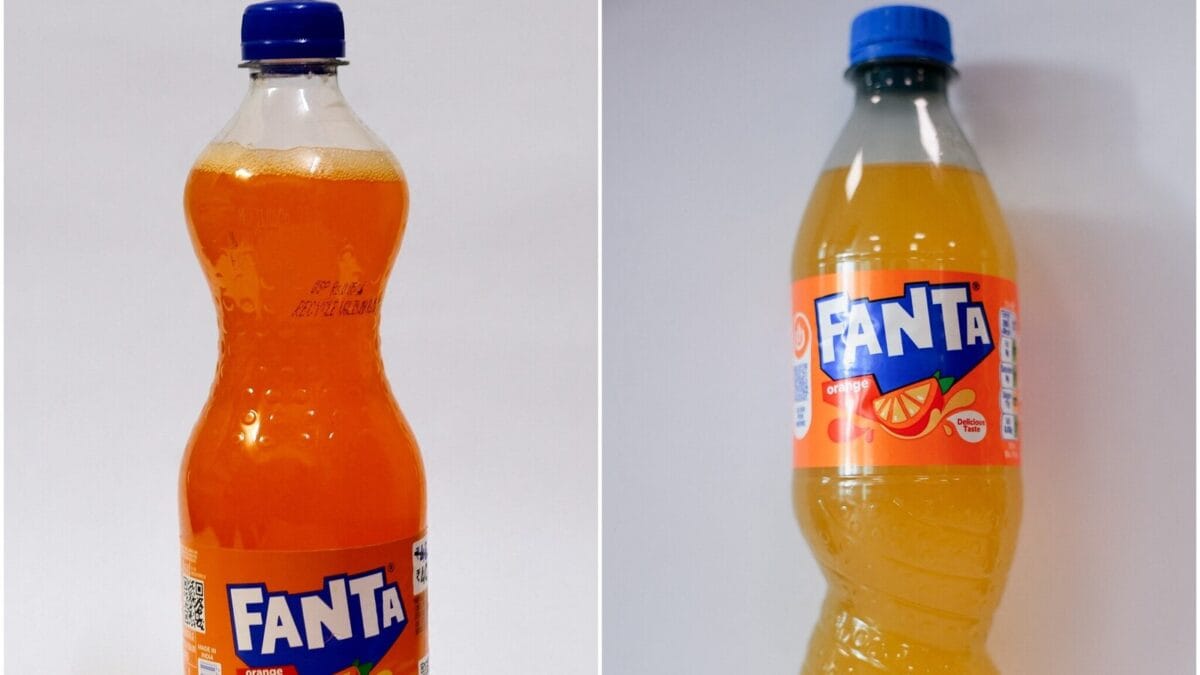
Fanta can have different recipes in different countries.
A can bought in London has about 63 calories.
The Indian version is said to have nearly three times as much energy per serving.
The United Kingdom introduced a soft-drinks sugar levy in 2018.
This encouraged companies to use less sugar and more low-calorie sweeteners there.
Indian shoppers are described as preferring a fuller, sweeter taste.
Local ingredients, farming supplies, and food rules can also affect recipes.
People can compare drinks by checking serving sizes and nutrition labels.

A London can of Fanta contains around 63 calories, according to the article.
The Indian version is described as delivering nearly three times the energy per serving through a higher sugar count.
The United Kingdom’s 2018 Soft Drinks Industry Levy encouraged manufacturers to reduce sugar and use low-calorie sweeteners.
Indian Fanta uses standard sucrose, reflecting local preference for a fuller, sweeter taste.
Manufacturers are expanding zero-sugar and low-calorie drink options in India as health awareness increases.
- Who
- Fanta’s manufacturers and consumers in the United Kingdom and India are involved.
- What
- The article compares the calorie and sugar content of Fanta sold in the United Kingdom and India.
- Where
- The examples concern London and India, with images taken in London, Mumbai, and Bournemouth.
- When
- The comparison was reported on August 25, 2026; the United Kingdom’s Soft Drinks Industry Levy began in 2018.
- Why
- Recipes differ because of regional regulations, consumer taste preferences, agricultural supply chains, and labeling practices.
Key facts
- London Fanta
- A single can contains around 63 calories.
- Indian Fanta
- The article says it delivers nearly triple the energy per serving because of its higher sugar count.
- United Kingdom levy
- The Soft Drinks Industry Levy was introduced in 2018.
- UK reformulation
- Manufacturers combined reduced sugar with low-calorie sweeteners to meet local requirements while keeping prices low.
- Indian formulation
- The local version uses standard sucrose to provide a fuller, sweeter taste.
- Labeling
- The United Kingdom uses front-of-pack traffic-light labels, while India provides detailed back-of-pack nutrition tables.
- Market shift
- Manufacturers in India are expanding zero-sugar and low-calorie product lines.
Sources
Related news
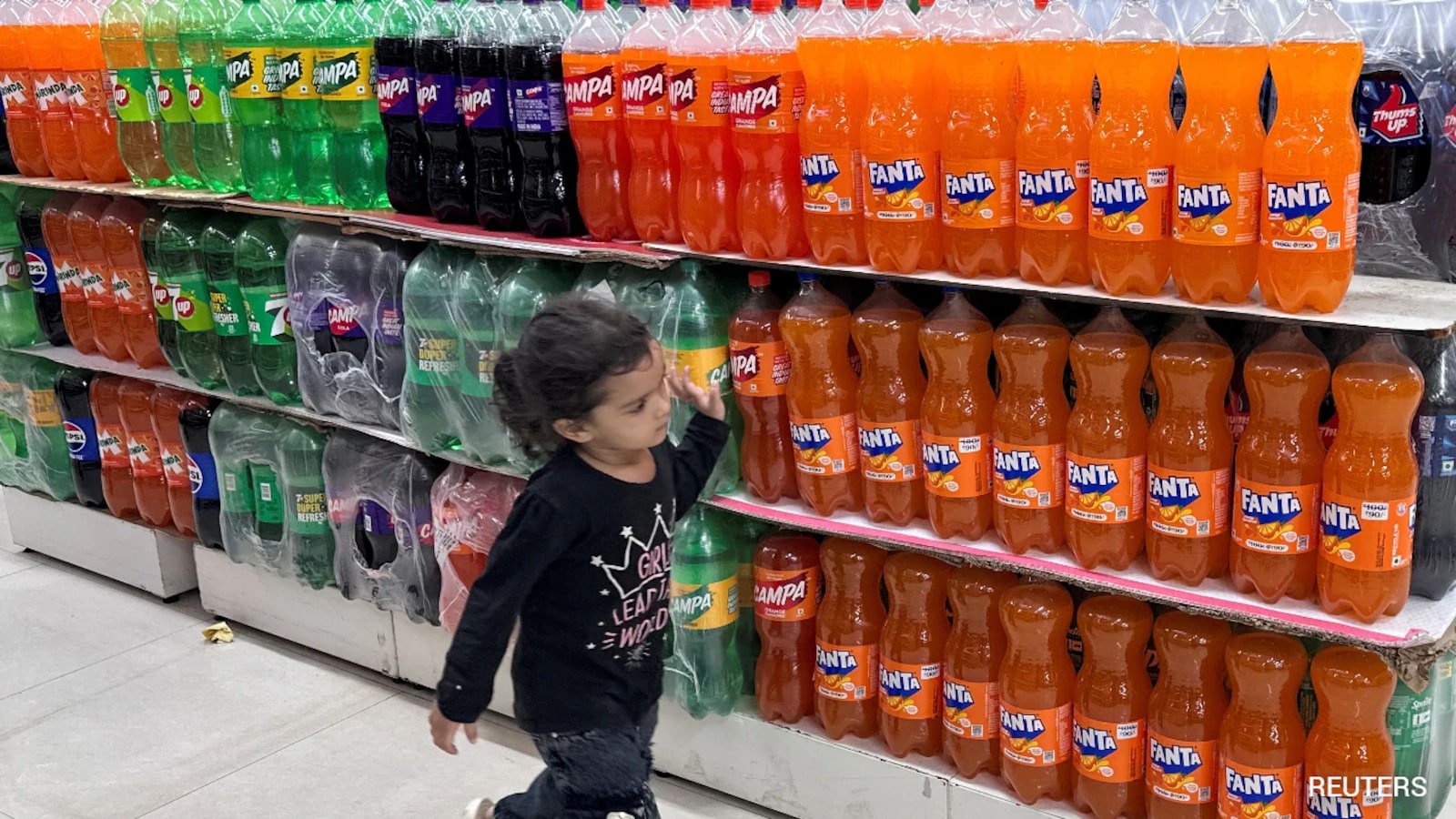
Why Fanta Has More Sugar in India Than Britain

Fanta Cans In UK And India Differ In Sugar
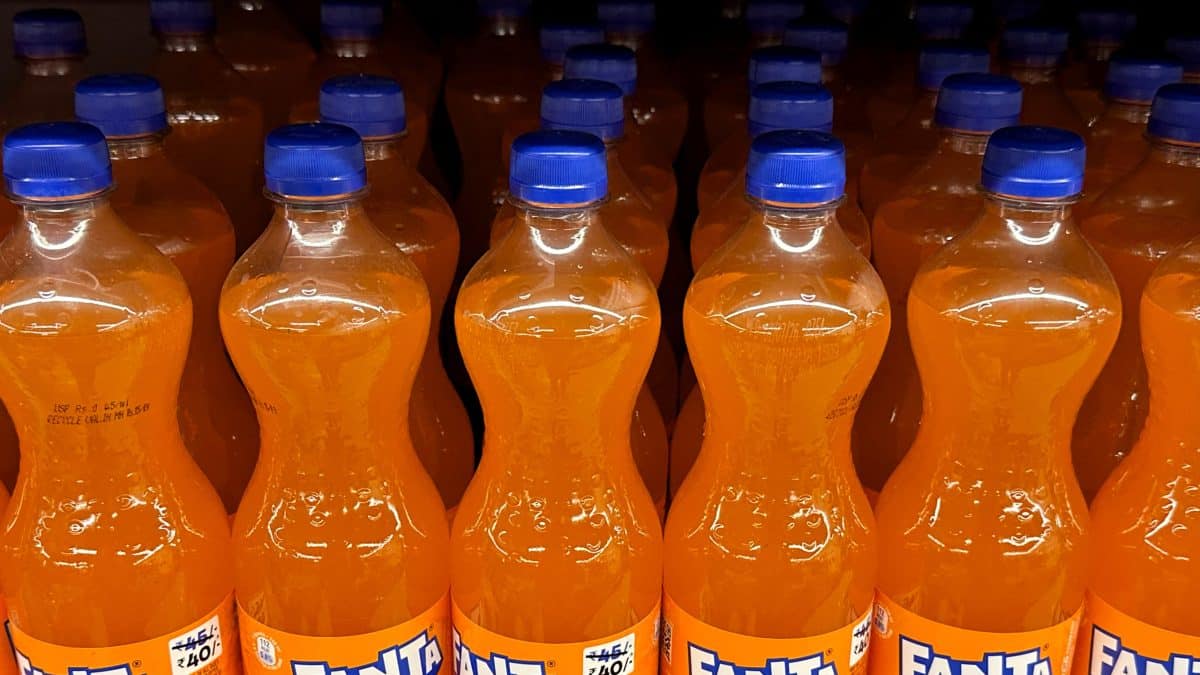
India’s Front-of-Pack Food Warning Debate Faces Industry Pushback

Maharashtra FDA Chief Challenges Differing Food Standards, Labels
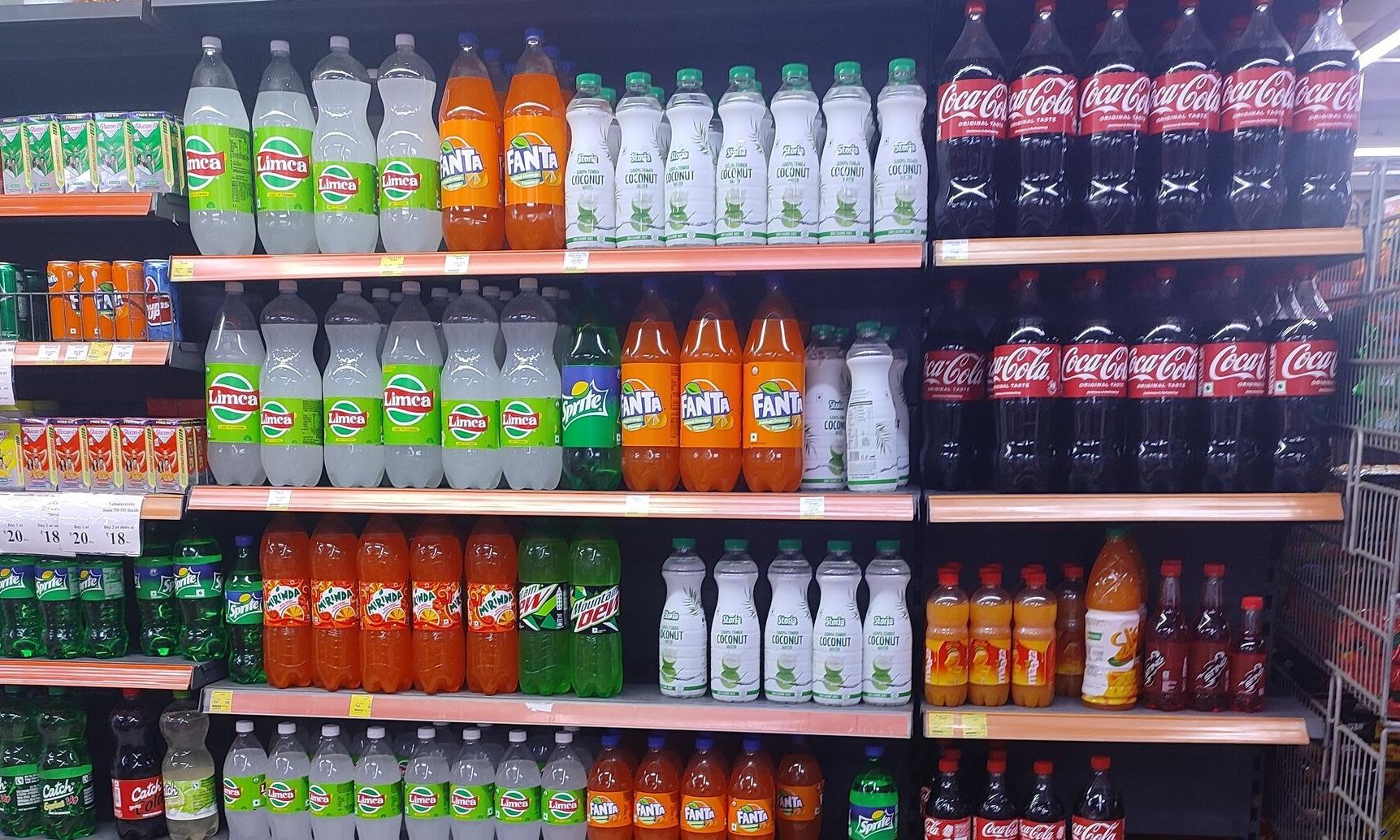
India Drops Food Warning Labels as Court Reviews Policy

Reuters Investigation Finds Global Brands Use Different Indian Recipes

Rayan Cherki’s Flair Keeps Manchester City Entertaining Post-Pep
AC Milan Draws Sunderland, Bournemouth in Europa League Phase

Bournemouth Sign Michele Di Gregorio On Season-Long Juventus Loan

Erling Haaland’s Buzz Cut Sparks Reactions From Football Icons