16 hrs ago
India Proposes Red Warning Labels for Unhealthy Packaged Foods

India’s food regulator wants packaged foods to show red warning labels.
The labels would point out foods high in sugar, salt, unhealthy fats or refined carbohydrates.
Sweetened drinks would have a separate warning.
The plan comes after the Supreme Court criticized the regulator for moving too slowly.
Many people are worried about increasing obesity among Indian children.
Some experts are unsure whether labels alone can change what people eat.
However, Chile saw sugary-drink consumption fall by 24% after using warning labels.
The labels will need to be clear and easy to read to be useful.

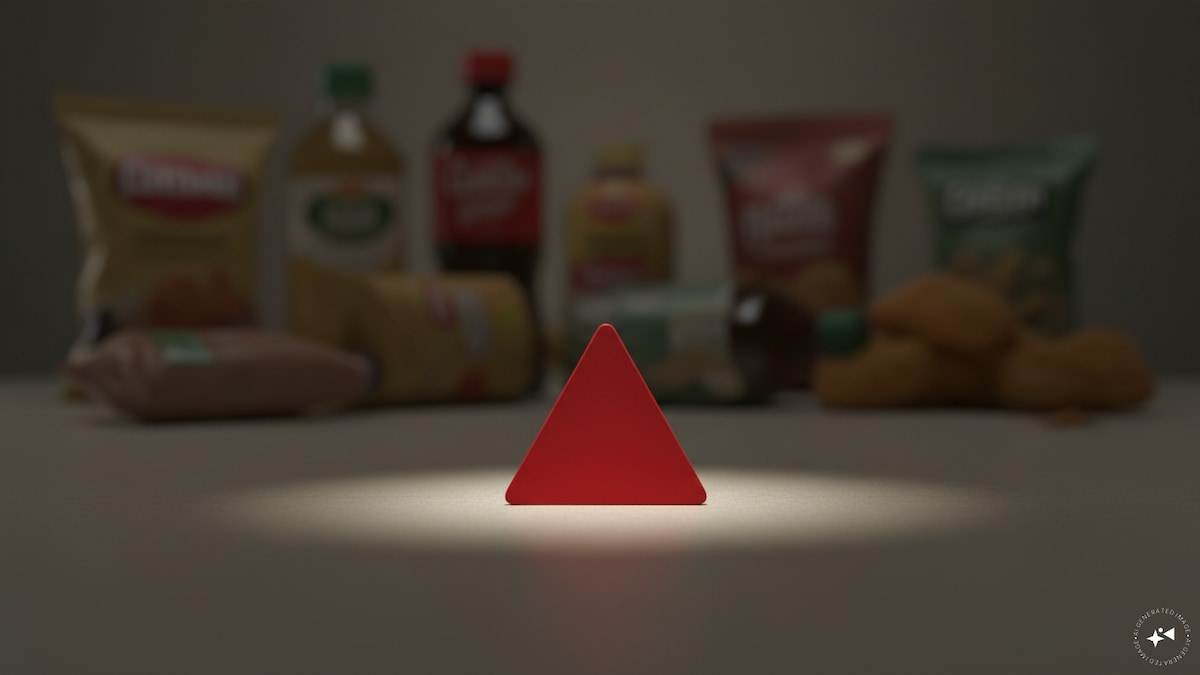
The Food Safety and Standards Authority of India proposed red, hexagonal front-of-pack warnings for packaged foods high in sugar, refined carbohydrates, salt and unhealthy fats.
Sweetened beverages would receive a separate warning under the proposal.
The proposal follows the Supreme Court of India criticizing the food regulator for delaying warning labels.
Supporters say clear warnings could help address rising obesity, especially among children.
Skeptics question their effectiveness, while Chile’s experience showed a 24% decline in sugary-drink consumption after black warning labels were introduced.
- Who
- The Food Safety and Standards Authority of India proposed the labels after criticism from the Supreme Court of India.
- What
- A proposal would place red, hexagonal warnings on packaged foods and separate warnings on sweetened beverages.
- Where
- India; the article also cites Chile’s experience with warning labels.
- When
- The proposal was announced weeks after the Supreme Court criticized the food regulator for delaying action.
- Why
- The proposal aims to address concerns about rising consumption of unhealthy foods and increasing obesity, particularly among children.
Supporters of Warning Labels
Skeptics of Warning Labels
Effect on consumption
Supporters of Warning Labels
Clear front-of-pack warnings could help people identify unhealthy products and change consumption patterns.
Skeptics of Warning Labels
Eating behavior is shaped by factors including gender, income, awareness and faith-based restrictions, so warnings may have limited effects.
Evidence for the policy
Supporters of Warning Labels
Chile recorded a 24% drop in sugary-drink consumption after introducing black octagonal warning labels in 2016.
Skeptics of Warning Labels
The article notes that evidence and effectiveness remain contested, meaning Chile’s result may not guarantee the same outcome in India.
Label design
Supporters of Warning Labels
Red, clear and legible warnings could communicate health risks more directly than a rating system.
Skeptics of Warning Labels
The earlier health star proposal was criticized because stars are often seen as positive and may be associated with increased consumption of unhealthy foods.
Key facts
- Proposed label
- A red, hexagonal front-of-pack warning for packaged foods.
- Foods targeted
- Products high in sugar, refined carbohydrates, salt and unhealthy fats.
- Sweetened beverages
- They would carry a separate warning.
- Regulator
- Food Safety and Standards Authority of India (FSSAI).
- Child obesity ranking
- India ranks second globally, after China, for the number of children who are overweight or living with obesity.
- Chile’s result
- Sugary-drink consumption fell 24% after black octagonal warnings were introduced in 2016.
- Earlier proposal
- A health star rating system was criticized because stars can be perceived as positive.
Sources
Related news

India Proposes Red Front-Pack Warnings for High-Nutrient Foods

India’s Proposed Food Warning Labels Face Health, Industry Backlash
FSSAI Proposes Red Front-Pack Warnings For Unhealthy Foods
India’s Front-of-Pack Food Warning Debate Faces Industry Pushback
India Drops Food Warning Labels as Court Reviews Policy

FSSAI Proposes Red Warning Labels for Junk Food

PUCL Urges CJI Action Over Rajasthan High Court Allegations

Supreme Court Questions IPS Deputation for CAPF Leadership Positions

Supreme Court Quashes 20-Year Conviction, Reaffirms Juvenile Legal Protections

Two Years After RG Kar Doctor's Rape-Murder, Case Remains Unresolved

ED widens Chhattisgarh probes with two arrests and searches