

5 days ago
Maharashtra FDA Chief Challenges Differing Food Standards, Labels

Food companies sometimes sell different versions of the same product in different countries.
This can mean that one version has much more sugar or more calories than another.
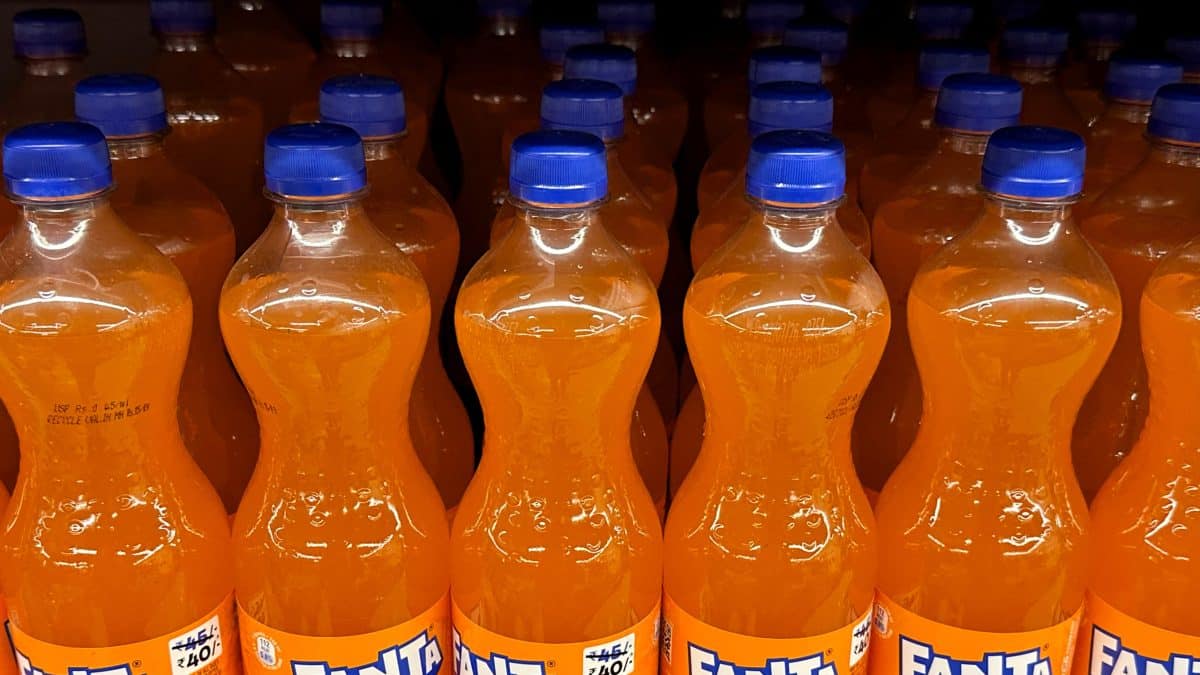
Reuters gave Fanta as an example, saying the Indian version has 185 calories while the London version has 63.
Tukaram Mundhe, a Maharashtra food-safety official, said companies should think about ethics, not only obey the law.
He asked why consumers in different countries should receive different standards.
India has also been discussing warning labels on the front of food packages.
Some companies and industry groups opposed the proposed labels.
Mundhe said the labels help people make informed choices and should not depend on people already being sick.
The Supreme Court has criticized delays in introducing the labels, while Nestle’s global chief called for scientific consultation with manufacturers.

Maharashtra FDA chief Tukaram Mundhe urged food companies to follow ethical standards alongside legal requirements.
Reuters reported that identical products can differ substantially in ingredients and nutrition across countries.
A London can of Fanta reportedly contains 63 calories, compared with 185 calories in the same-sized Indian product.
Mundhe defended front-of-pack warning labels, saying they respect consumers and support prevention before illness.
Reuters reported that food companies and industry groups lobbied against India’s proposed warning-label rules.
- Who
- Tukaram Mundhe, chief of Maharashtra’s Food and Drug Administration, commented on food companies’ differing product standards and India’s proposed warning labels.
- What
- Mundhe urged companies to act ethically and supported front-of-pack health warnings for food and drinks.
- Where
- The dispute concerns products sold in India and other markets, including London, as well as India’s food-labelling policy.
- When
- Mundhe made the comments on Friday after Reuters published its report that week.
- Why
- Mundhe said companies have a responsibility to society and that consumer prevention should not depend on people already being ill.
Consumer protection and ethical standards
Industry flexibility and consultation
Different product formulations
Consumer protection and ethical standards
Tukaram Mundhe said companies should not maintain different standards across countries and should practice ethical behaviour in addition to meeting legal requirements.
Industry flexibility and consultation
Reuters reported that companies make different product versions to comply with local regulations, tastes and consumers’ spending capacity.
Front-of-pack warnings
Consumer protection and ethical standards
Mundhe said warning labels respect consumers and argued that prevention should not depend on people already being sick; the Supreme Court has called for urgent implementation.
Industry flexibility and consultation
Reuters reported that Coca-Cola and groups representing Nestle, PepsiCo and others lobbied against India’s proposed warning labels. A Coca-Cola executive reportedly argued that labels would not prevent consumers from eating sugary foods, while Nestle’s global CEO called for scientific consultation with manufacturers.
Key facts
- Official commenting
- Tukaram Mundhe, chief of Maharashtra’s Food and Drug Administration
- Fanta comparison
- Reuters reported 63 calories in a London can and 185 calories in the same-sized Indian product
- Indian market
- India’s food and drinks market was described as being worth more than $100 billion
- Warning-label position
- Mundhe said warning labels respect consumer intelligence
- Regulatory criticism
- The Supreme Court criticized New Delhi over delays in front-of-pack labelling
- Company response reported
- Nestle’s global CEO said India should consult manufacturers and ensure labelling rules are scientifically grounded
Quotes

Tukaram Mundhe
Chief of Maharashtra’s Food and Drug Administration
“Where are ethics in this? Companies should not only abide with legal compliances but also practice ethical behaviour. Why the different standard”
 telegraphindia.com
“Warning labels don’t insult consumer intelligence, they respect it.”
telegraphindia.com
Sources
Related news
India’s Front-of-Pack Food Warning Debate Faces Industry Pushback
India Drops Food Warning Labels as Court Reviews Policy

Nestle Seeks Industry Input in India’s Food Warning Debate

Reuters Investigation Finds Global Brands Use Different Indian Recipes

India’s Proposed Food Warning Labels Face Health, Industry Backlash

India Softens Sugar Warnings as Coca-Cola Defends Labeling Position

Haldiram’s Proposes Rs 1,000 Crore Odisha Manufacturing Plant

YSRCP Alleges Andhra Industries Leave Over Coalition Harassment

Pune’s 142-Year-Old Soda Brand Survives Beyond Coca-Cola
Why Some Indian Brands Fade While Others Survive
