1 week ago
India Drops Food Warning Labels as Court Reviews Policy
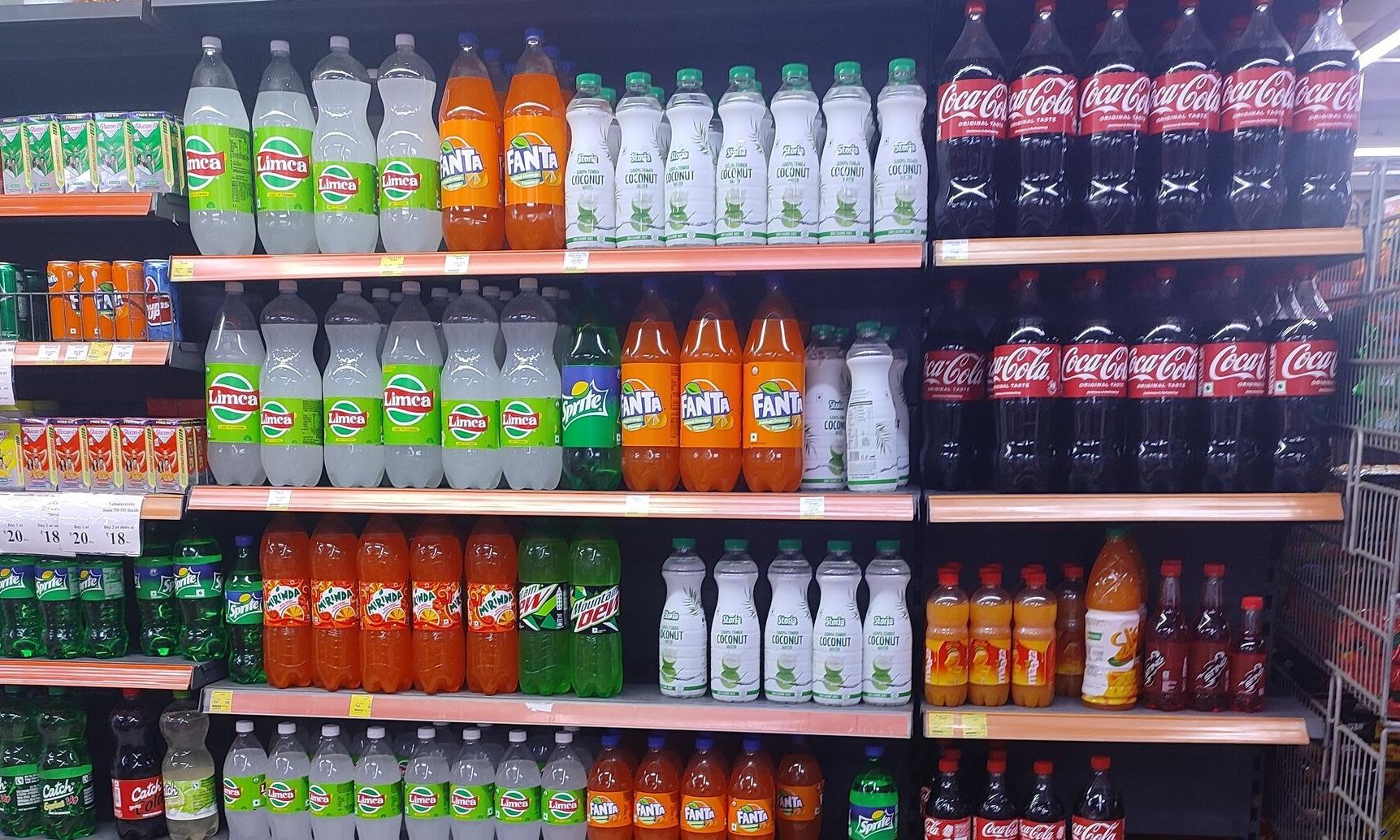
India wanted to put simple colour warnings on the front of packaged foods.
The warnings could show when foods or drinks had a lot of sugar, salt or fat.
The country’s food regulator dropped that plan after food companies objected.
It instead proposed a black-and-white table with nutrition information.
Health activists say colourful warnings would help shoppers understand products more easily.
Food companies say the warnings could be confusing and might appear on many products.
Some of these same companies use traffic-light labels in several European markets.
India’s Supreme Court is examining whether the regulator should reconsider its decision.
The disagreement is about how to protect people’s health while giving food businesses workable labeling rules.

India’s food regulator abandoned proposed colour-coded front-of-pack warnings after resistance from major food and beverage companies.
The Food Safety and Standards Authority of India instead proposed a black-and-white table listing sugar, fat and salt content.
India’s Supreme Court is scrutinising the decision after public health activists petitioned for clearer packaged-food information.
Industry representatives called warning labels confusing and ineffective, while health experts said they could encourage healthier eating.
Nearly 80% of India’s packaged food and beverage products could qualify as high in fat, sugar and salt, according to industry estimates.
- Who
- The Food Safety and Standards Authority of India, packaged-food companies, public health activists, health experts and the Supreme Court of India.
- What
- The regulator abandoned proposed colour-coded front-of-pack warnings and proposed a black-and-white nutrition table instead; the Supreme Court is reviewing the decision.
- Where
- India, with comparisons to labeling practices and products sold in Britain, Europe and Australia.
- When
- The regulator held a key meeting on March 19, reported its change in August, and the Supreme Court directed regulators to consider warning labels in February.
- Why
- The regulator said international packaging standards were difficult to match and did not account for stronger Indian flavours, while industry groups cited confusion, portion control and potential effects on products.
Public Health Advocates
Food Industry and Regulator
Front-of-pack warnings
Public Health Advocates
Clear colour-coded warnings could make high sugar, salt and fat levels easier to understand and encourage healthier eating.
Food Industry and Regulator
Industry executives argued that symbols would be confusing and ineffective, and urged regulators to focus on portion control; the regulator later said international packaging standards were difficult to match.
Effects on products
Public Health Advocates
Activists and health experts want greater transparency because many packaged foods may contain high levels of sugar, salt or fat.
Food Industry and Regulator
Industry representatives said nearly 80% of products could receive red warnings and argued that rules might label coconut water as high in sugar despite its sugar being natural.
Industry practices
Public Health Advocates
Health experts said the potential effect on profits gives companies an incentive to delay stronger labeling requirements and that lobbying has hindered tougher standards.
Food Industry and Regulator
Industry groups said they wanted greater clarity from regulators, while companies including Coca-Cola and Nestlé have voluntarily used interpretive labels in some overseas markets.
Product differences across countries
Public Health Advocates
Activists and influencers argue that differences in recipes and labeling can leave Indian consumers feeling they are receiving inferior products.
Food Industry and Regulator
A former Mondelez executive said recipes differ across countries because of local regulations, tastes, pricing and affordability.
Key facts
- Regulator
- Food Safety and Standards Authority of India (FSSAI)
- Proposed replacement
- A black-and-white table displaying sugar, fat and salt content
- Existing requirement
- Companies must list ingredients and basic nutritional information on the back of packaging
- Court involvement
- The Supreme Court directed regulators to consider warning labels and is scrutinising the policy
- Health projection
- A Lancet study estimates that 450 million Indians could be obese or overweight by 2050
- Potential market impact
- Industry estimates suggest nearly 80% of India’s packaged food and beverage products could be high in fat, sugar and salt
- International comparison
- About 20 countries have adopted interpretive front-of-pack labels
Quotes

Revant Himatsingka
Indian food activist and social-media influencer known as Food Pharmer
“Pricing and affordability are one of the biggest reasons recipes differ so much across countries,”
 freepressjournal.in
“It is the frustration of feeling cheated”
freepressjournal.in
 deccanchronicle.com

Supreme Court of India
India’s highest court, which is reviewing the food-labelling policy
“the world should know that India is very much concerned about the overall health of its citizens.”
freepressjournal.in
deccanchronicle.com
Sources

Related news
India’s Front-of-Pack Food Warning Debate Faces Industry Pushback

India Proposes Red Front-Pack Warnings for High-Nutrient Foods

Nestle Seeks Industry Input in India’s Food Warning Debate

India’s Proposed Food Warning Labels Face Health, Industry Backlash

Supreme Court gives FSSAI last chance on warning labels

India Softens Sugar Warnings as Coca-Cola Defends Labeling Position

Two Years After RG Kar Doctor's Rape-Murder, Case Remains Unresolved

ED widens Chhattisgarh probes with two arrests and searches

Delhi High Court Orders Madhya Pradesh to Pay Advocate Dues

Haryana sanitation workers’ strike puts BJP government under pressure

Orissa High Court Says Brothel Customers Cannot Face Trafficking Charges