3 days ago
India Aligns Development Agenda With Renewable Energy And Green Policy

A new report says India is combining economic growth plans with climate action.
This means the country is trying to use cleaner energy while also creating jobs and businesses.
India started an organized climate program in 2008 with eight national missions.
Solar power has become one of the most visible parts of this effort.
Programs such as PAT and UJALA encourage factories and households to use less energy.
India is also supporting green hydrogen and domestic solar manufacturing.
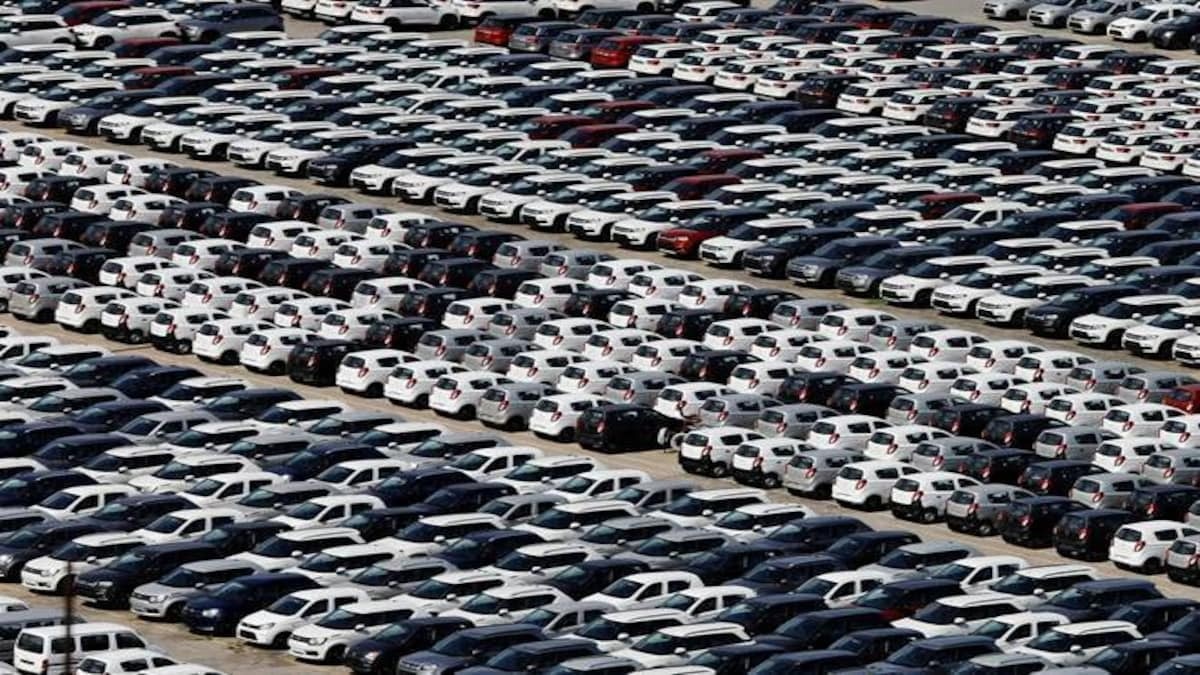
Electric-vehicle programs have helped increase the use of electric buses, two-wheelers and cars.
The report says India is sharing its experience with other developing countries through international climate partnerships.

A Vietnam Times report says India is integrating climate action into economic planning rather than treating it as a separate priority.
India’s climate strategy began with the 2008 National Action Plan on Climate Change and its eight national missions.
The National Solar Mission, energy-efficiency programs and UJALA have supported clean-energy growth and lower emissions.
Production incentives and the National Green Hydrogen Mission aim to expand manufacturing, investment and decarbonization.
FAME and state policies have helped increase adoption of electric buses, two-wheelers and passenger vehicles.
- Who
- India, as described in a report published by Vietnam Times.
- What
- India is integrating renewable energy, energy efficiency and green industrial policy into its development agenda.
- Where
- Across India, with the country’s climate experience also gaining visibility in international partnerships.
- When
- The strategy dates to the 2008 National Action Plan on Climate Change, with newer initiatives continuing afterward.
- Why
- To cut emissions while improving energy security, manufacturing, investment, employment and technological capabilities.
Key facts
- Report source
- Vietnam Times
- Foundational policy
- National Action Plan on Climate Change, launched in 2008
- National missions
- Eight missions covering areas including renewable energy, energy efficiency, water, agriculture and ecosystems
- Clean-energy focus
- Solar, wind, hybrid projects and green hydrogen
- Industrial support
- Production Linked Incentive incentives for domestic solar manufacturing
- Transport policy
- FAME and state-level policies supporting electric vehicles
- Expected benefits
- Reduced fossil-fuel import dependence, private investment and employment across the clean-energy value chain
Quotes

Vietnam Times
Publication cited as the source of the report
“The country's approach demonstrates how climate policies can simultaneously strengthen energy security, encourage manufacturing, attract investment, generate employment and improve technological capabilities,”
 thehansindia.com
“India’s climate journey increasingly reflects a broader transformation in its development model,”
thehansindia.com
Sources
Related news
India’s Renewable Energy Push Reshapes Its Clean Energy Future
SECI Marks 15 Years Advancing India’s Clean Energy Vision

Modi, Delta Electronics Discuss India’s Energy Transition and AI Plans
India Builds Transmission and Storage for Renewable Energy Future

Australia and India Strengthen Renewable Energy Partnership
India’s Green Grid and Battery Scheme Wins UN Backing
Textile MSMEs Seek Government Support to Capitalize on FTAs

PLI Payouts Reach ₹36,754 Crore as Investments Cross ₹2.58 Lakh Crore
India's Manufacturing Mission Enters Next Leap With Innovation

India Urged to Coordinate Industry for Global Semiconductor Hub