

2 hrs ago
India Builds Transmission and Storage for Renewable Energy Future
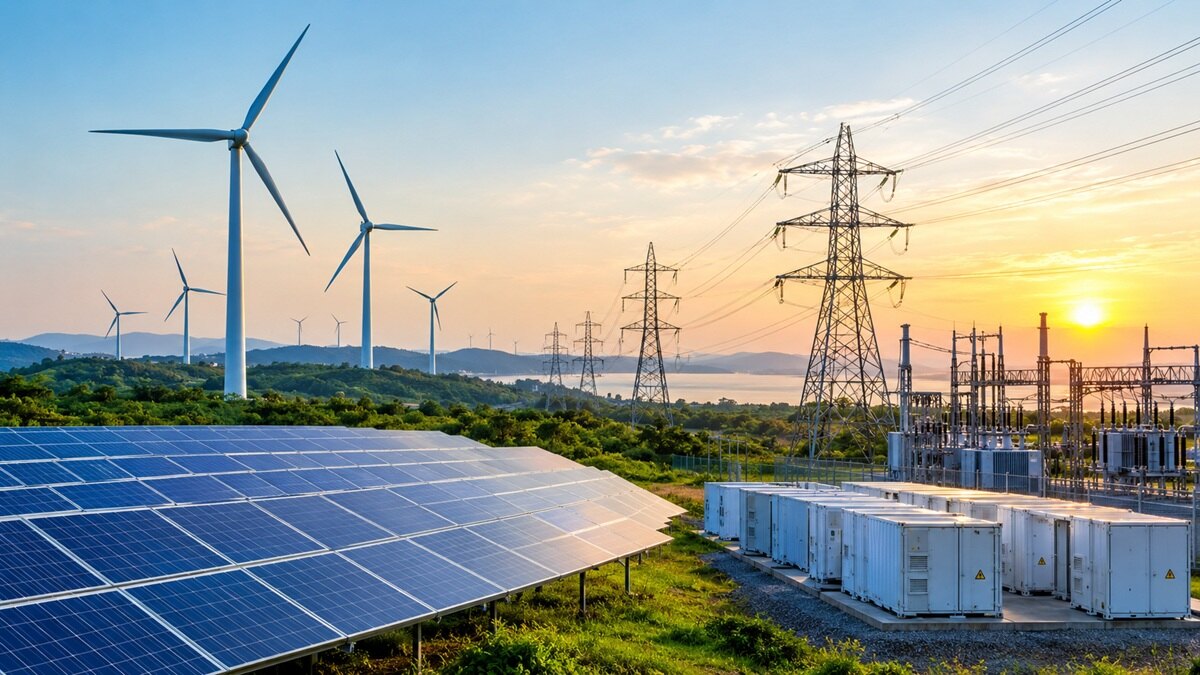
India is building more solar and wind power to make its energy supply cleaner and safer.
But solar does not produce electricity at night, and wind power can change with the weather.
This means India also needs stronger power lines and batteries.
A new government program will spend Rs 1.86 lakh crore on transmission systems and battery storage.
It aims to move up to 135 GW of renewable electricity and add 50 GWh of batteries by 2032–33.
Batteries can store extra electricity and provide it when demand is high.
India is also developing rooftop and floating solar, wind, hydropower, geothermal energy and green hydrogen.
These projects could reduce the need to import fossil fuels and create jobs.
The overall goal is to make clean electricity available when people and businesses need it.

India’s renewable expansion is shifting toward transmission, storage and grid reliability, not just new generation capacity.
The Rs 1.86 lakh crore Green Energy Corridor Phase-III scheme aims to evacuate 135 GW of renewable power and deploy 50 GWh of battery storage by 2032–33.
Solar capacity exceeded 168 GW by August 2026, while wind capacity reached 58.14 GW and hydropower capacity stood at 57.24 GW.
India is expanding rooftop, floating, offshore wind, small hydro, geothermal and green hydrogen projects to diversify its clean-energy mix.
The government is targeting 500 GW of non-fossil capacity by 2030 and about 786 GW by 2035–36.
- Who
- The Government of India, Union ministers, utilities, industry and renewable-energy developers are involved.
- What
- India is expanding renewable generation while building transmission networks and battery storage to make clean power reliable.
- Where
- Across India, including intra-state transmission networks, renewable generation sites, demand centres, hilly regions and North-Eastern states.
- When
- The Green Energy Corridor Phase-III scheme targets implementation by 2032–33; the broader non-fossil capacity target is 500 GW by 2030.
- Why
- To integrate variable solar and wind power, reduce curtailment and fossil-fuel dependence, strengthen energy security and support climate commitments.
Key facts
- Green Energy Corridor Phase-III outlay
- Rs 1,86,405 crore
- Renewable evacuation target
- Up to 135 GW by 2032–33
- Battery storage target
- 50 GWh by 2032–33
- Solar capacity
- More than 168 GW by August 2026
- Wind capacity
- 58.14 GW as of July 31, 2026
- Non-fossil capacity target
- 500 GW by 2030
- Green hydrogen target
- 5 million metric tonnes by 2030
Quotes
Vineet Mittal
Chairman and founder of Avaada Group
“Some batteries will initially absorb surplus electricity from existing plants. As demand and storage utilisation increase, additional renewable generation may be needed to charge them. However, this requires careful planning. Battery capacity alone does not tell us how much new solar must be built. That depends on charging sources, operating cycles, efficiency, local demand and the availability of existing surplus power.”
 financialexpress.com
“The right solution will vary by location. Some districts will benefit from solar and batteries close to demand centres. Others will require stronger connections to larger renewable projects.”
financialexpress.com
Sources
Related news
India Approves ₹1.86 Lakh Crore Green Energy Corridor-III
India’s Rs 1.86 Lakh Crore Grid Plan Targets Renewable Bottlenecks
Green Energy Corridor Advances India’s 2035 Clean Power Goal

India Approves ₹1.86 Lakh Crore Renewable Grid Push
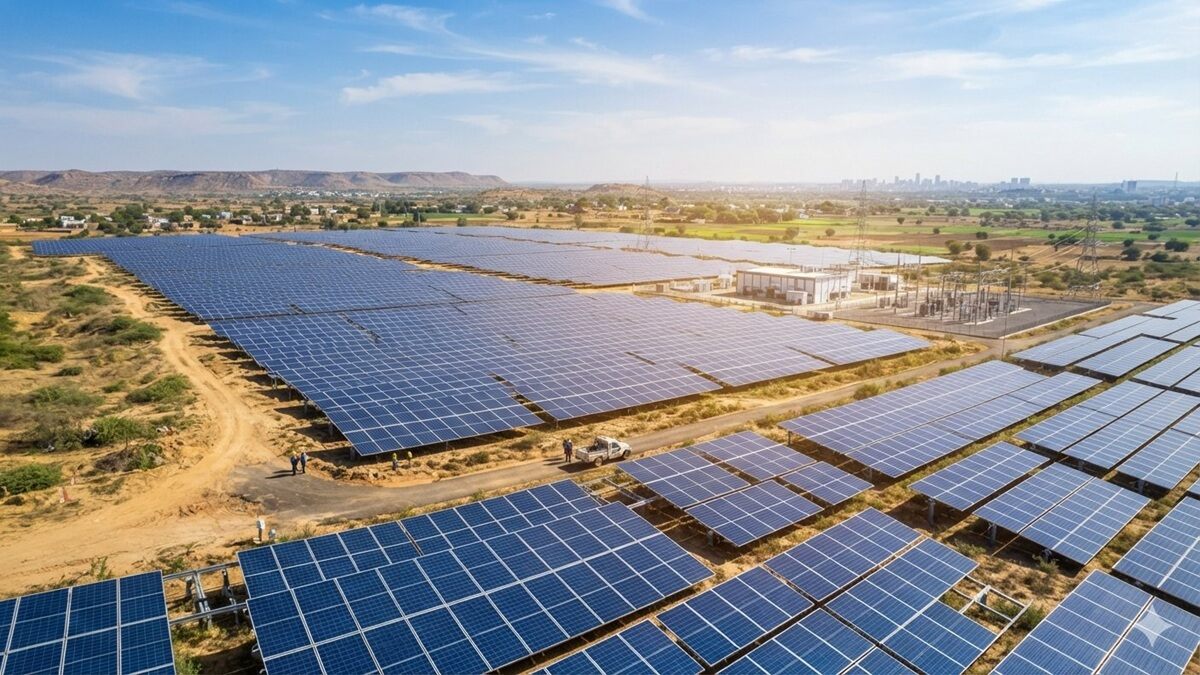
India’s Solar Capacity Reaches 168 GW, Enters Storage-Led Growth

India's Pumped Storage Push Faces ₹7.36-Trillion Investment Question
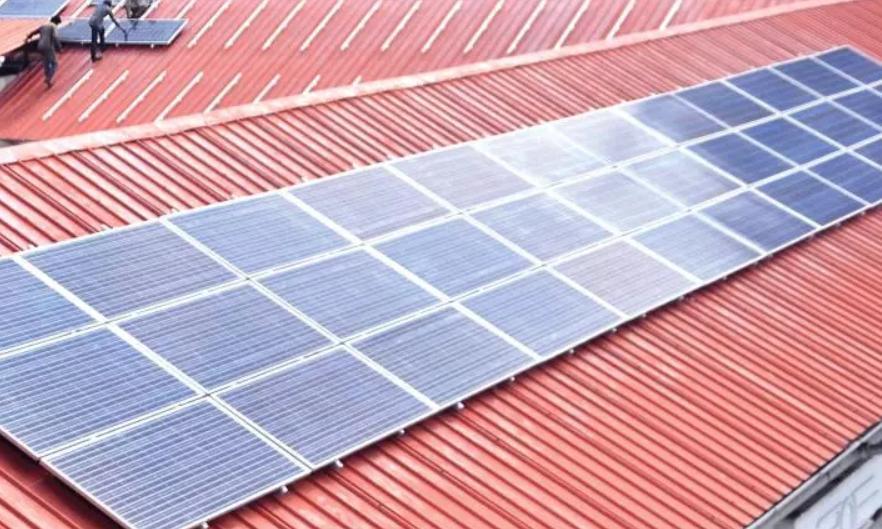
APSPDCL Connects One Lakh Rooftop Solar Systems in Six Months

Jadavpur University Wins Approval for Green Hydrogen Centre
