2 days ago
Textile MSMEs Seek Government Support to Capitalize on FTAs
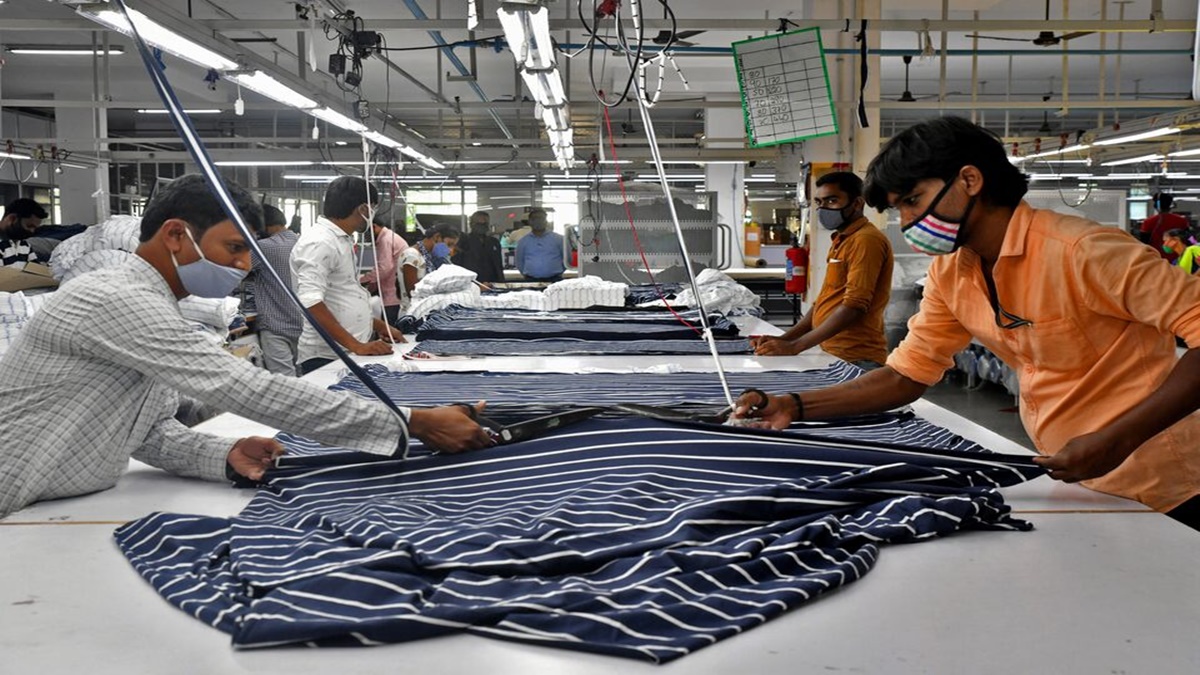
Free trade agreements can make it easier for Indian textile businesses to sell products in other countries.
However, many small businesses do not have enough money or staff to find foreign customers.
They may also struggle to meet overseas safety, quality, and environmental rules.
Industry representatives want the government to help with these challenges.
They also say some import protections can make raw materials more expensive.
The government wants India’s textile industry to grow to $350 billion by 2030.
Business representatives want smaller companies to qualify for more government incentives.
They are also asking for longer training opportunities for workers.
Laghu Udyog Bharati plans to expand its training centres across the country.

Textile and garment MSMEs are seeking government help to benefit from India’s free trade agreements with developed economies.
Industry representatives said smaller exporters need support finding overseas buyers, attending trade fairs, and meeting technical and regulatory standards.
The government aims to double the textile industry’s size to $350 billion by 2030, including $100 billion in exports.
Laghu Udyog Bharati called for wider MSME access to the textile Production Linked Incentive scheme, whose current investment threshold is Rs 100 crore.
The industry body also urged apprenticeship support and plans to expand its training centres from 47 to 100 by the end of the financial year.
- Who
- Textile and garment MSMEs, Laghu Udyog Bharati, and the Ministry of Textiles.
- What
- Industry representatives sought government support to help MSMEs use free trade agreements and overcome compliance, skills, buyer-access, and financing challenges.
- Where
- India, including textile and garment manufacturing units and training centres across the country.
- When
- The demands were raised on Thursday; the training-centre expansion is planned by the end of the current financial year.
- Why
- MSMEs often lack the resources to find overseas buyers, meet foreign standards, manage non-tariff barriers, and expand production.
Industry Concerns
Government and Policy Objectives
Using free trade agreements
Industry Concerns
MSMEs need government help to identify overseas buyers, attend trade fairs, meet global standards, and navigate non-tariff barriers before they can benefit fully from FTAs.
Government and Policy Objectives
The government views FTAs as part of the market-access opportunity supporting its goal of expanding India’s textile industry and exports.
Protection versus input costs
Industry Concerns
Measures such as minimum import prices may protect domestic producers but can make imported raw materials more expensive for downstream manufacturers and pressure margins.
Government and Policy Objectives
Protective measures are intended to support domestic industry, although the article does not state a specific government response to the concerns about input costs.
Access to production incentives
Industry Concerns
Laghu Udyog Bharati says the Rs 100 crore minimum investment threshold for the textile PLI scheme excludes many smaller manufacturers and should be widened.
Government and Policy Objectives
The existing scheme has a Rs 100 crore minimum investment threshold; the article reports no government decision on expanding eligibility.
Key facts
- Textile industry target
- $350 billion by 2030
- Export target
- $100 billion by 2030
- Current textile PLI threshold
- Minimum investment of Rs 100 crore
- Current training centres
- 47 centres across seven trades
- Planned training centres
- 100 centres by the end of the current financial year
- Requested apprenticeship support
- Inclusion of MSMEs in the National Apprenticeship Promotion Scheme
- Main trade challenge
- Meeting technical, regulatory, sustainability, and other non-tariff requirements in developed markets
Quotes
Om Prakash Gupta
General secretary of Laghu Udyog Bharati
“FTAs can offer a big opportunity, but support from the government to bring in new customers or to display products and seek customers would be crucial.”
 financialexpress.com
Sources
Related news
US sanctions bill threatens India's textile exports, CITI urges talks
Andhra Pradesh MSMEs Seek Global Buyers and Export Deals

Uttar Pradesh Trade Policy Opens Global Markets for MSMEs
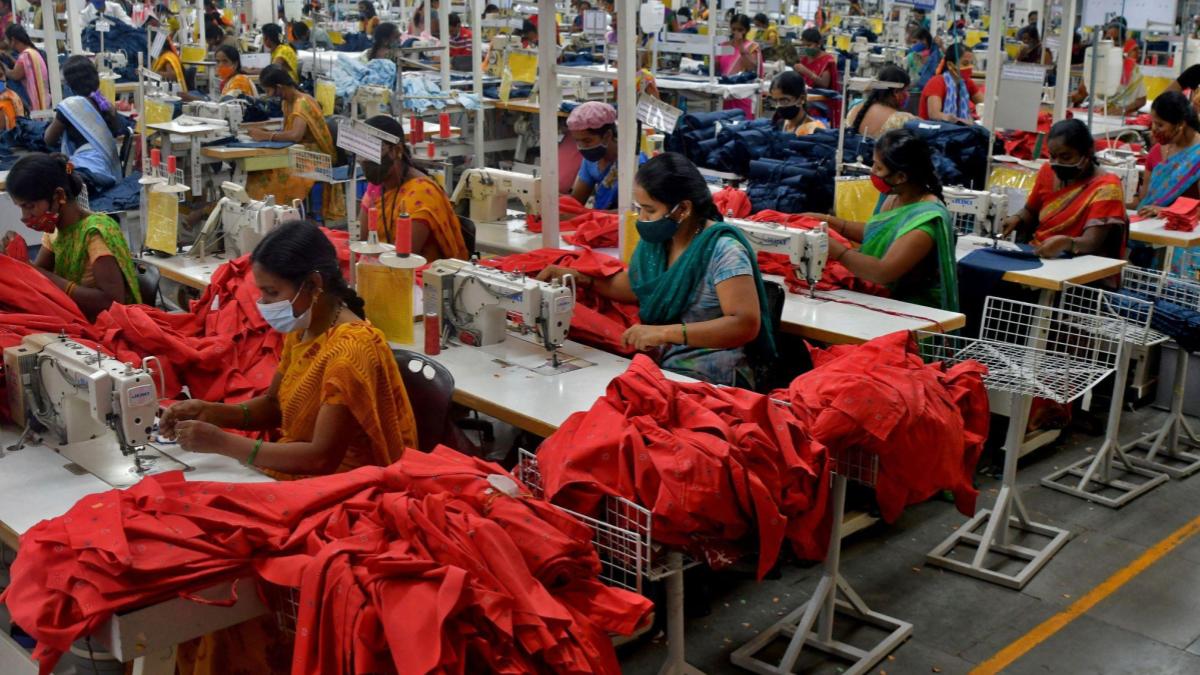
Jefferies Sees Three Shifts Unlocking India’s Textile Export Growth
UK, EU Deals Could Open India’s $220 Billion Apparel Market

India’s Textile Industry Prepares for Expected EU FTA Gains

India Aligns Development Agenda With Renewable Energy And Green Policy
PLI Payouts Reach ₹36,754 Crore as Investments Cross ₹2.58 Lakh Crore
India's Manufacturing Mission Enters Next Leap With Innovation

India Urged to Coordinate Industry for Global Semiconductor Hub