1 day ago
How India’s Taliban Approach Reflects Principled Pragmatism in Afghanistan
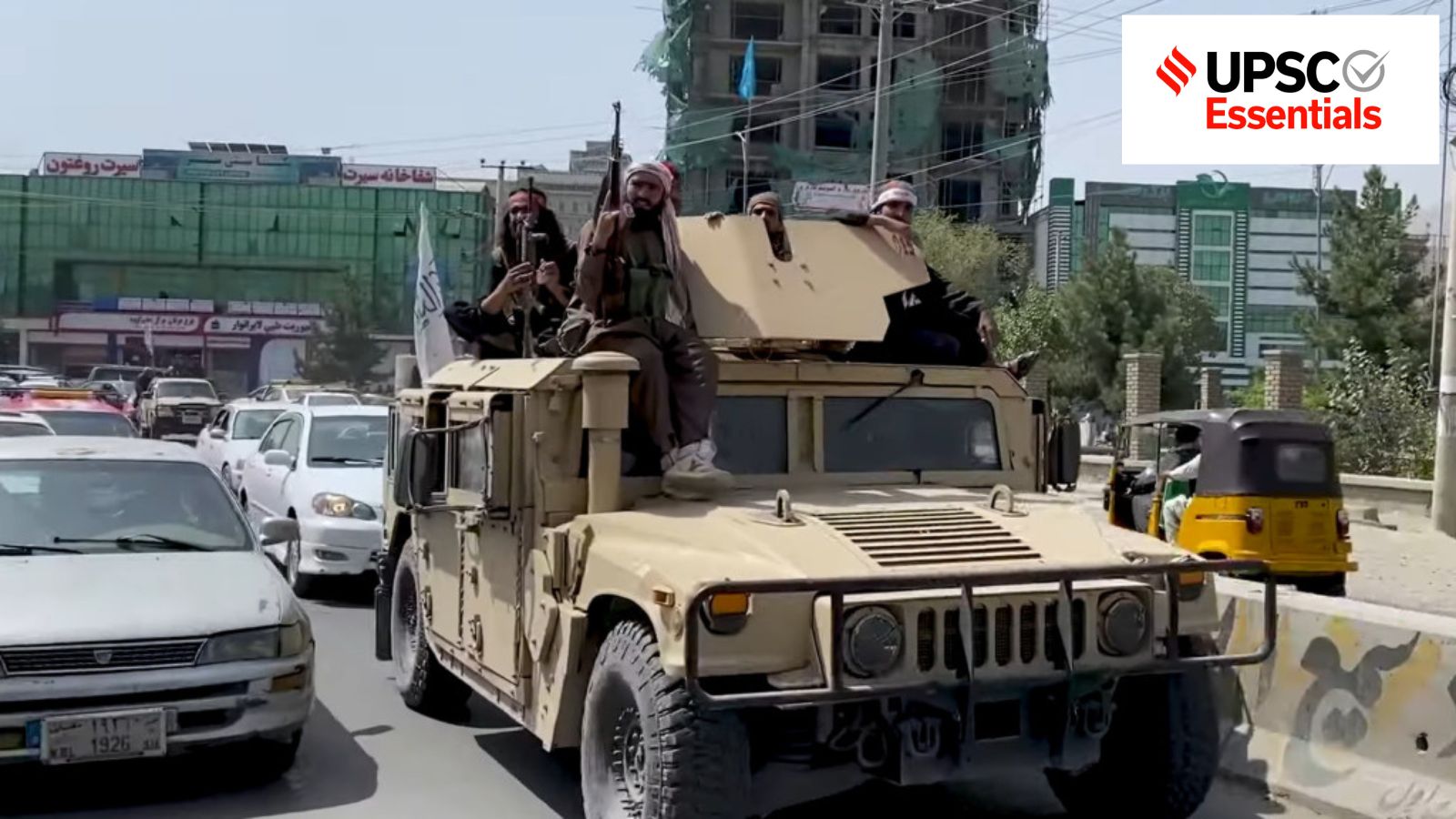
India does not officially recognise the Taliban government, but it is still talking and working with Taliban officials.
This approach is called cautious engagement or principled pragmatism.
India wants to help Afghan people with food, medicine, development projects and disaster relief.
It also wants to protect its security and economic interests in Afghanistan.
Relations between Pakistan and the Taliban have become more difficult, creating more space for India to engage.
China is also interested in Afghanistan’s security and mineral resources.
India uses education, cricket and trade to build friendly connections with Afghans.
The article says India is trying to help people while avoiding full political recognition of the Taliban.
Afghanistan remains important because events there can affect security across South Asia.

India is expanding cautious engagement with the Taliban without formally recognising its government.
New Delhi has provided humanitarian aid, development assistance, disaster relief, scholarships and cricket support in Afghanistan.
India’s diplomatic engagement increased after the Taliban’s 2021 return to power, including ministerial visits and trade discussions.
India’s Afghanistan policy is shaped by humanitarian concerns, regional security competition with Pakistan and China, and wider strategic ambitions.
India-Afghanistan bilateral trade reached $907.85 million in 2025-26, while Afghanistan-Pakistan relations deteriorated over security disputes.
- Who
- India, the Taliban-led Islamic Emirate of Afghanistan, Afghan returnees, Pakistan and China are the principal actors discussed.
- What
- India is pursuing humanitarian, economic, diplomatic and people-to-people engagement with the Taliban without granting formal recognition.
- Where
- Afghanistan, India and the wider South Asian security region; India also raised Afghan returnees’ plight at the United Nations Security Council.
- When
- The current approach developed after the Taliban returned to power in 2021 and expanded during 2025-26.
- Why
- India aims to address humanitarian needs, preserve strategic and economic influence, respond to regional security concerns, and maintain ties with the Afghan people.
Case for Engagement
Case for Caution
Humanitarian and development needs
Case for Engagement
Engagement allows India to deliver aid, support development projects, assist during disasters and distinguish the Afghan population from the Taliban authorities.
Case for Caution
Working with Taliban authorities without formal recognition requires India to maintain a careful distance and avoid appearing to endorse the regime.
Regional security and influence
Case for Engagement
Engagement helps India preserve strategic space in Afghanistan amid tensions involving Pakistan and China and supports long-term economic and political influence.
Case for Caution
Afghanistan’s position in a regional security complex exposes India to competition with Pakistan and China and to instability linked to Afghanistan-Pakistan tensions.
Recognition versus practical cooperation
Case for Engagement
India can gain influence through trade, diplomacy, education, cricket and humanitarian assistance without granting diplomatic recognition.
Case for Caution
The absence of formal recognition limits the scope of official relations even as India seeks closer practical cooperation.
Key facts
- India’s diplomatic status
- India engages with Taliban authorities but has not formally recognised the Taliban regime.
- Afghan returns
- A United Nations report cited 2.9 million returns in 2025 and another 1.15 million by 22 August 2026, most described as involuntary.
- Major diplomatic engagement
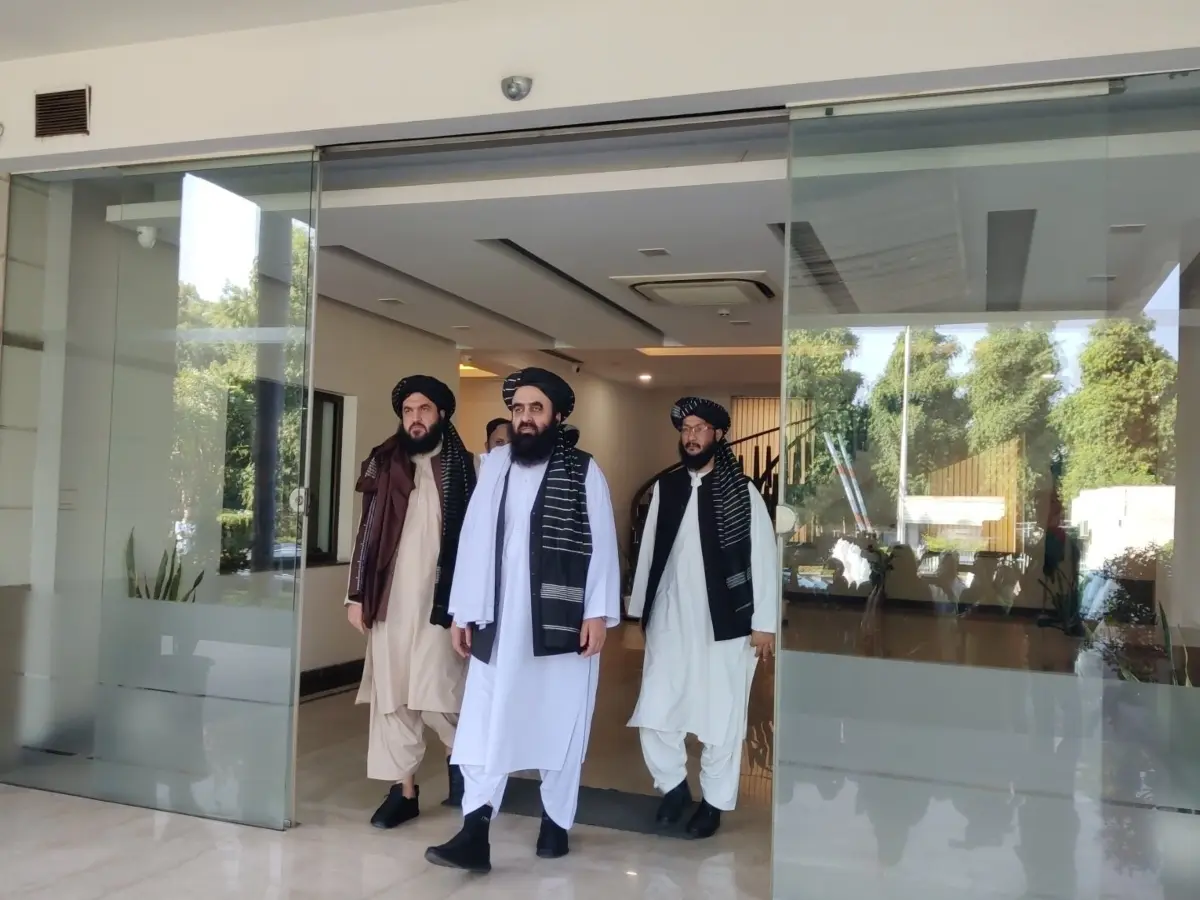
- Taliban Foreign Minister Amir Khan Muttaqi visited New Delhi in October 2025, followed by visits from other Afghan ministers.
- Trade
- India-Afghanistan bilateral trade reached $907.85 million in 2025-26.
- Humanitarian assistance
- India has supplied medicines and wheat and cooperated with United Nations agencies and Afghan authorities.
- Development and soft power
- India supports community development projects, Afghan scholarships, disaster relief and the Shpageeza Cricket League.
- Regional context
- India’s policy is influenced by deteriorating Afghanistan-Pakistan relations and China’s economic and security interests in Afghanistan.
Quotes
Harish Parvathaneni
India’s Permanent Representative to the United Nations
“A forcible return of this nature that is neither safe nor dignified, of over three million individuals, in any other part of the world would have elicited a political outcry in this Council, urgent provision of large-scale humanitarian support and efforts to ensure better re-integration and assimilation. That there is no such reaction is a sad reflection on the times”
 indianexpress.com
Sources
Related news
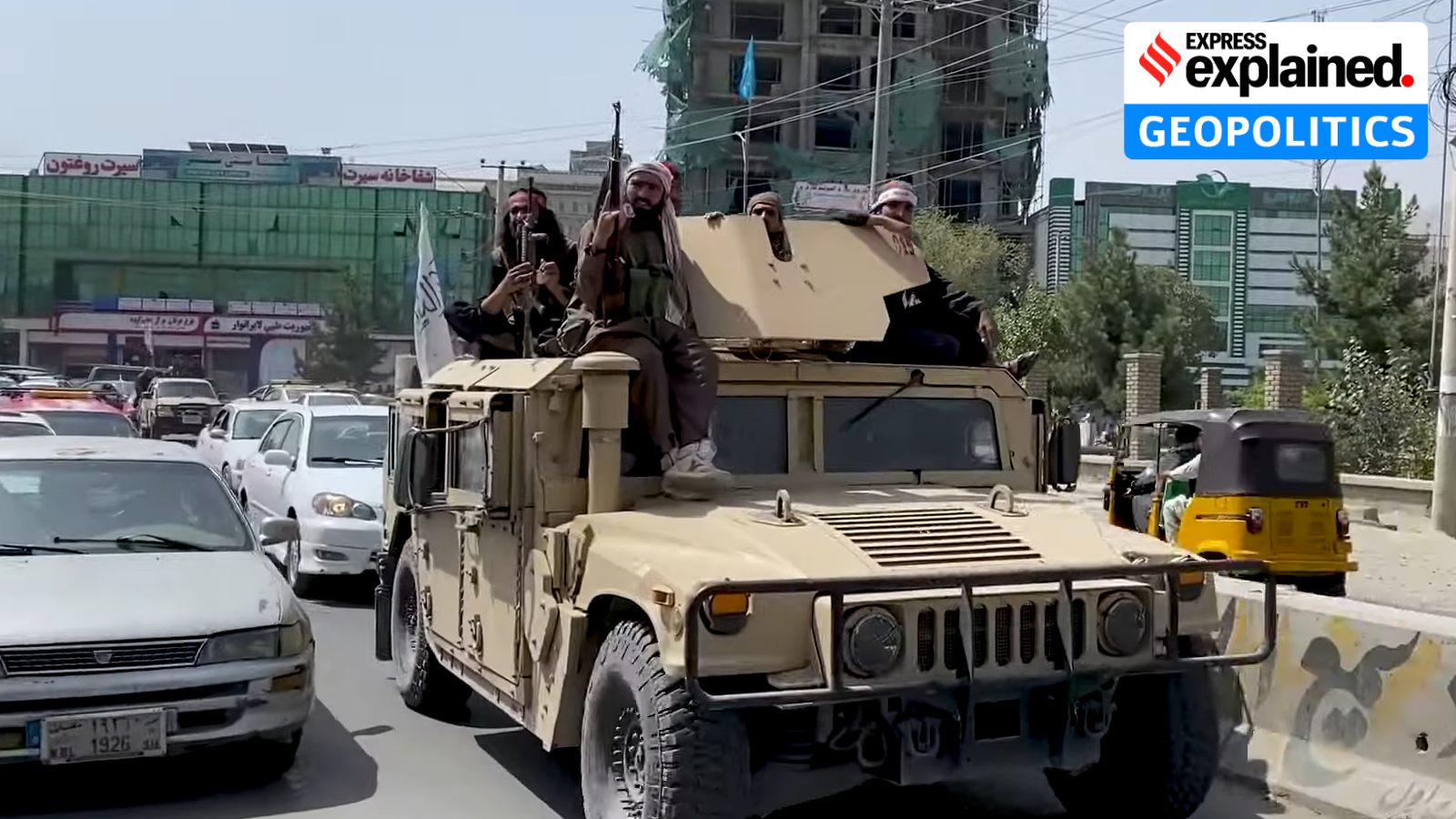
India’s Growing Engagement with Taliban Five Years After Kabul Fell
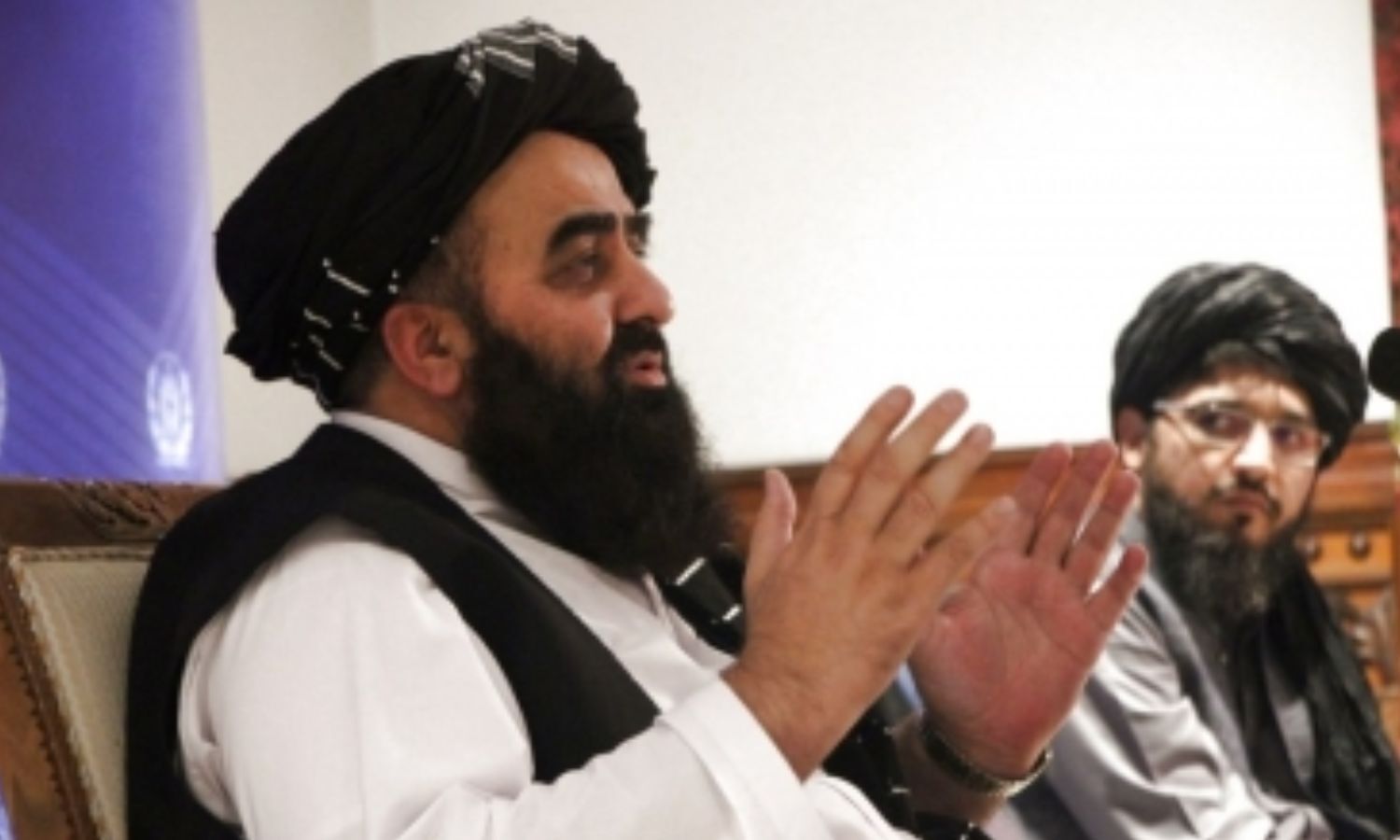
Taliban Seeks Global Engagement Amid Sanctions and Rights Concerns
India’s ‘Maitri’ Strategy Recasts Its Regional Neighbourhood Diplomacy
Letters Debate Protest Dating, Taliban Ties, Justice, and Insurance
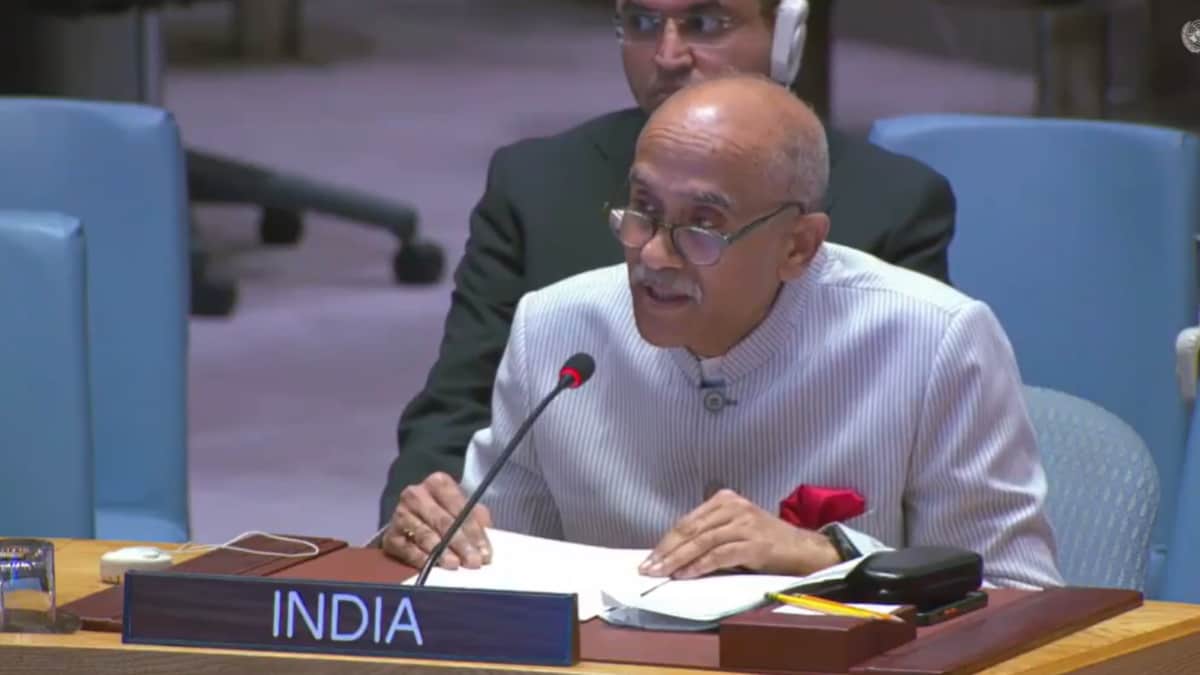
India Calls for Dismantling Shelters for Terror Networks
Why India, Pakistan and Afghanistan Need Dialogue for Regional Peace
Taliban Seeks Pakistan Dialogue, Denies Afghan Territory Used for Attacks
Islamic Emirate to hold first Victory Day event in Delhi
Pakistan-administered Kashmir election amid tensions and economic struggles
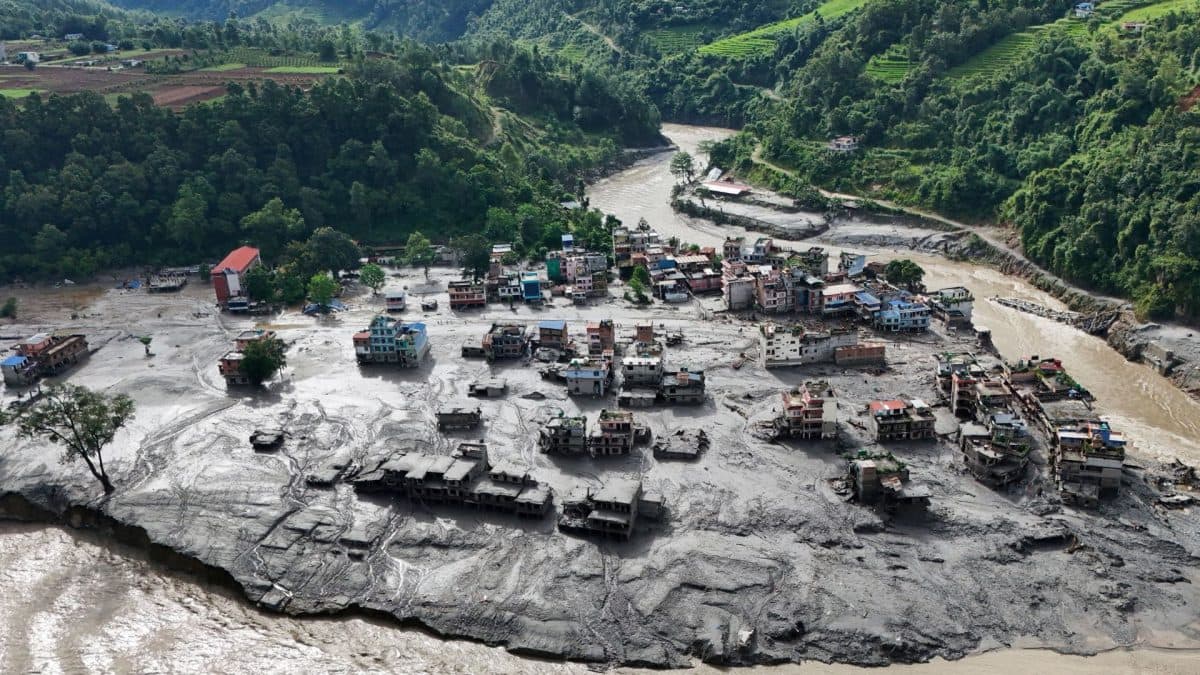
Afghanistan Flooding Kills 20, Leaves 100 Missing