1 week ago
India’s Growing Engagement with Taliban Five Years After Kabul Fell
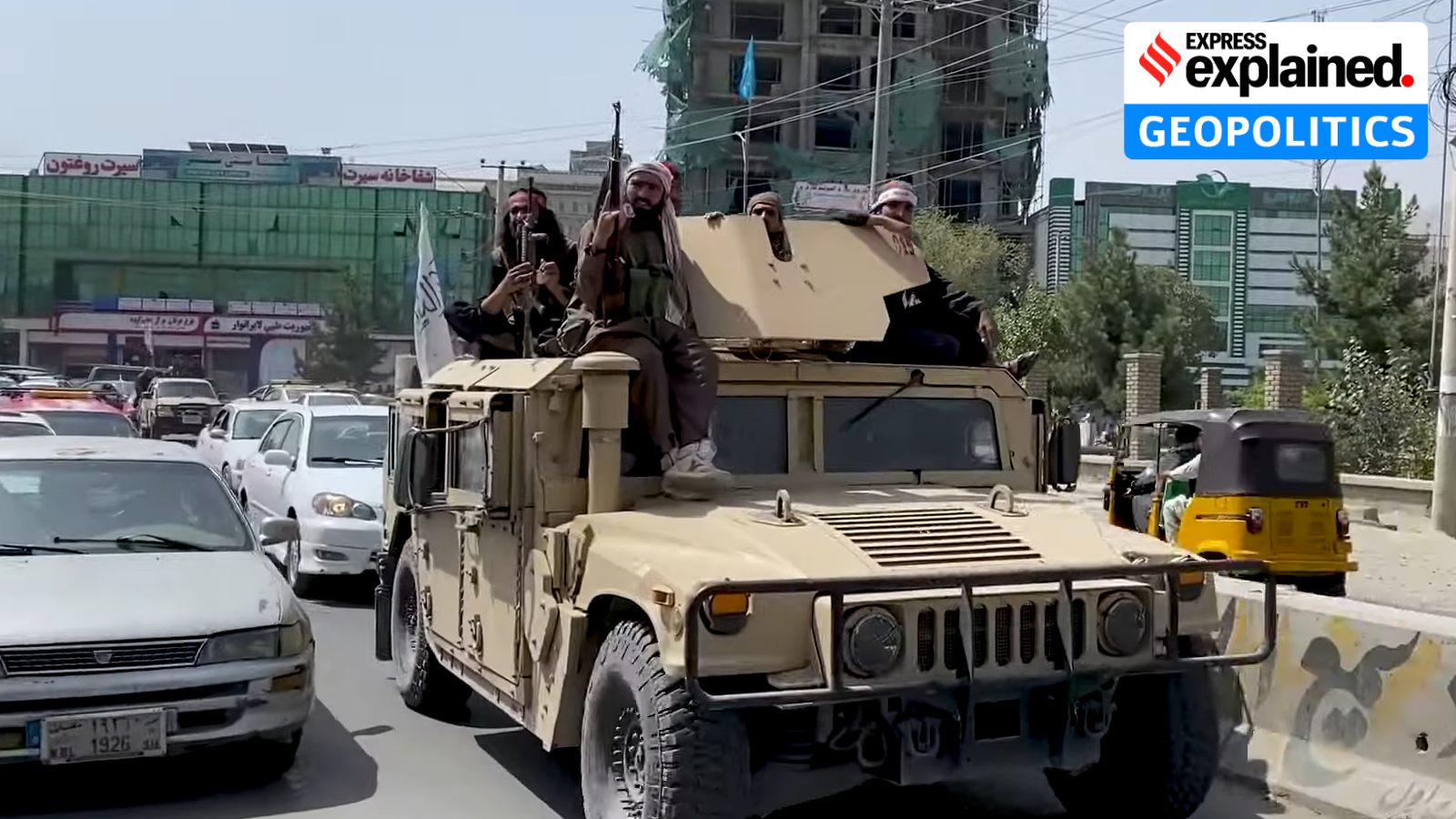
India once kept its distance from the Taliban after the group took control of Afghanistan in 2021.
It even closed and evacuated its embassy in Kabul.
Now India is talking and working with the Taliban more openly, although it still does not officially recognize the Taliban government.
India says this careful contact can protect its interests and help Afghan people.
It has sent food, medicine, vaccines and emergency supplies to Afghanistan.
India also wants to keep an eye on Pakistan, China and Russia, which are all involved in Afghanistan in different ways.
The Taliban says Afghanistan should be peaceful and useful for trade and regional connections.
However, terrorist groups remain active in Afghanistan, and the Taliban has restricted girls’ education and women’s rights.
Critics say India’s closer relationship has made it quieter about those rights concerns.

India evacuated its Kabul embassy in August 2021 but now conducts extensive engagement with the Taliban without formally recognizing its government.
Taliban-appointed diplomats manage Afghan missions in New Delhi, Mumbai and Hyderabad, while senior Taliban officials have attended prominent Indian events.
India’s outreach is driven by its past $2–3 billion investment in Afghanistan, tensions between the Taliban and Pakistan, and growing Chinese and Russian involvement.
India has provided Afghanistan with 50,000 metric tons of wheat, more than 445 tons of medicines, vaccines and disaster-relief supplies since 2021.
India has largely stopped publicly repeating earlier demands on women’s rights and human rights while expanding development cooperation and visa access.
- Who
- The Government of India, Taliban authorities and Taliban-appointed Afghan diplomats, including Amir Khan Muttaqi and Mufti Noor Ahmad Noor.
- What
- India has shifted from limited contact with the Taliban to much deeper diplomatic, humanitarian and development engagement without granting formal recognition.
- Where
- India, especially New Delhi, and Afghanistan.
- When
- The shift has developed since the Taliban takeover in August 2021; the latest milestone described was an Afghan embassy “victory day” event on August 15.
- Why
- India seeks to preserve its investment and influence in Afghanistan, protect its security interests, respond to Pakistan’s tensions with the Taliban, and monitor growing Chinese and Russian involvement.
Supporters of cautious engagement
Critics of strategic accommodation
Security and influence
Supporters of cautious engagement
India’s engagement can preserve its influence, protect its previous investment and help ensure Afghan territory is not used for anti-India activities.
Critics of strategic accommodation
The Taliban has not eliminated the terrorist threat in Afghanistan, and continued engagement could expose India to security risks or give the regime greater legitimacy.
Regional competition
Supporters of cautious engagement
Working with the Taliban allows India to respond to Pakistan’s deteriorating relationship with the group and to China’s and Russia’s growing presence in Afghanistan.
Critics of strategic accommodation
Engagement may turn Afghanistan into another arena for strategic competition without resolving its underlying security problems.
Human rights
Supporters of cautious engagement
India can maintain practical contact and deliver aid to Afghan people while pursuing development, medical, business and education links.
Critics of strategic accommodation
India’s reduced public emphasis on women’s education, human rights and minority rights is seen as an opportunistic retreat from its earlier stated positions.
Key facts
- Formal recognition
- India engages with the Taliban but has not officially recognized its government.
- Indian investment
- India invested about $2–3 billion in Afghanistan after 2001, according to the article.
- Humanitarian aid
- India has sent 50,000 metric tons of wheat and more than 445 tons of essential medicines, along with vaccines and disaster-relief materials.
- Diplomatic presence
- Taliban-appointed diplomats now man Afghan missions in New Delhi, Mumbai and Hyderabad.
- Security assessment
- A United Nations Security Council sanctions-monitoring report said the terrorist threat from Afghanistan remained largely unchanged.
- Women’s rights
- The Taliban has barred girls over 12 from school and restricted women’s travel and other rights, according to the article.
- Earlier Indian position
- In December 2022, India called for an inclusive Afghan government and equal rights for women and girls.
Quotes
Mufti Noor Ahmad Noor
Taliban-appointed Chargé d’affaires at the Afghan embassy in New Delhi
“The Islamic Emirate of Afghanistan believes that Afghanistan’s geography should not be a field for negative competition, but rather a bridge for connectivity, cooperation and shared prosperity.”
 indianexpress.com

UN Security Council’s 1267 Sanctions Committee
United Nations sanctions-monitoring body reporting on terrorist threats from Afghanistan
“The terrorist threat emanating from Afghanistan remained largely unchanged.”
indianexpress.com
Sources
Related news
India May Attend Taliban's Victory Day Event in Delhi

India Deepens Taliban Engagement While Recognition Remains On Hold

Taliban Envoy Marks Victory Day in Delhi, Urges India Ties
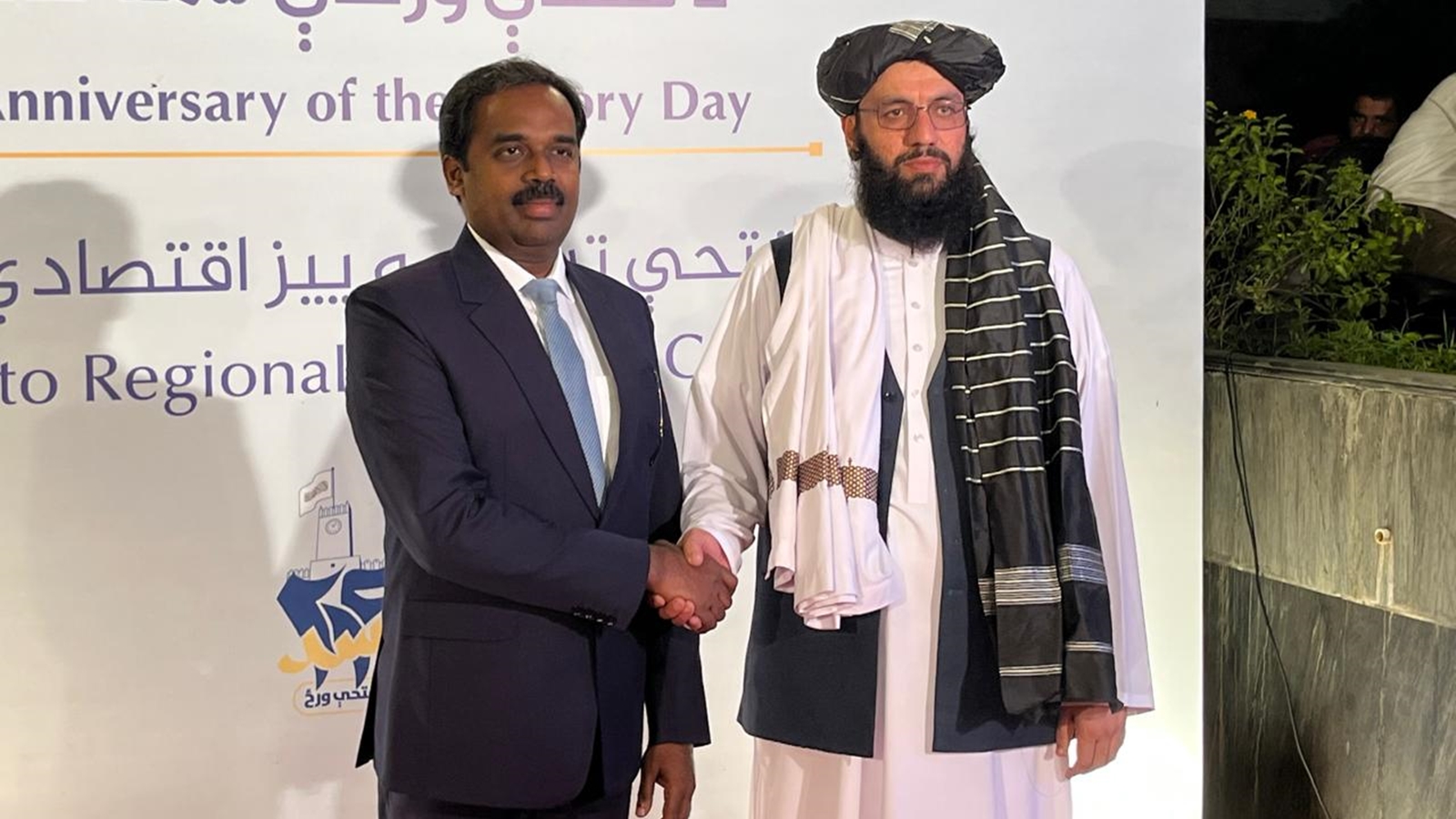
Taliban diplomats mark 5th anniversary of victory day in Delhi
Taliban’s Fragile Legitimacy Tests India’s Evolving Afghan Policy
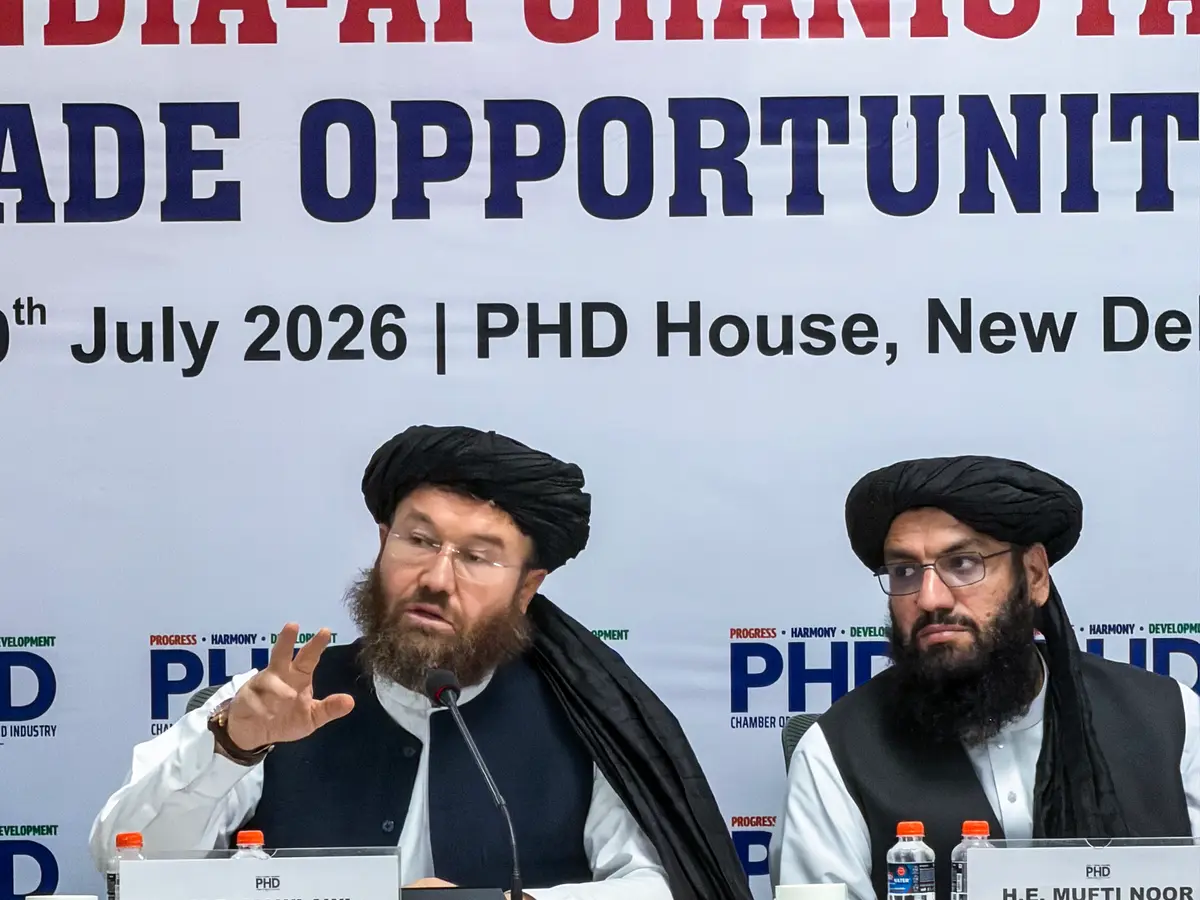
Taliban pushes for closer India ties at Victory Day event

Putin Faces Western Isolation While Russia Builds Non-Western Ties
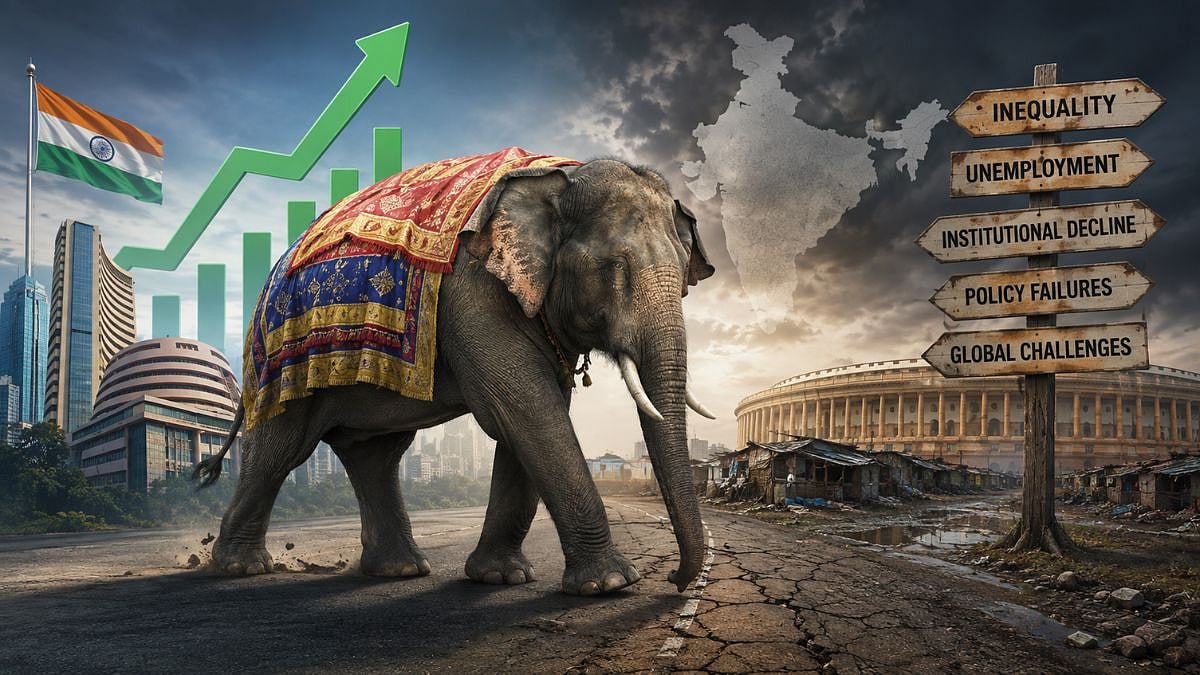
India’s Global Power Ambitions Face Economic and Democratic Setbacks
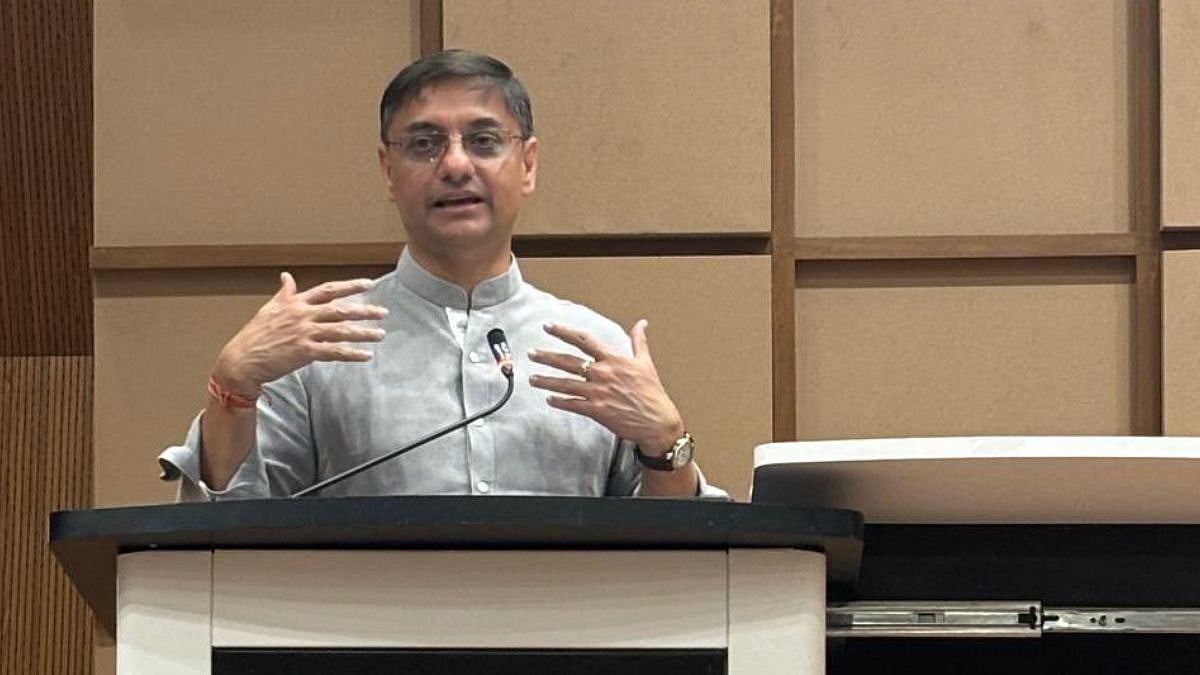
India’s 7.8% Growth Broad-Based, but Jobs Remain Challenge
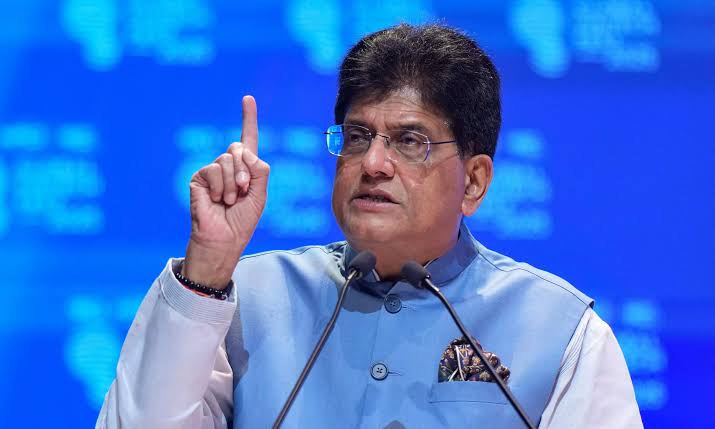
India Pursues Global Mineral Pacts to Secure Supply Chains
Nepal Plans New Landslide Warning System Along China Border