2 hrs ago
Taliban Seeks Global Engagement Amid Sanctions and Rights Concerns
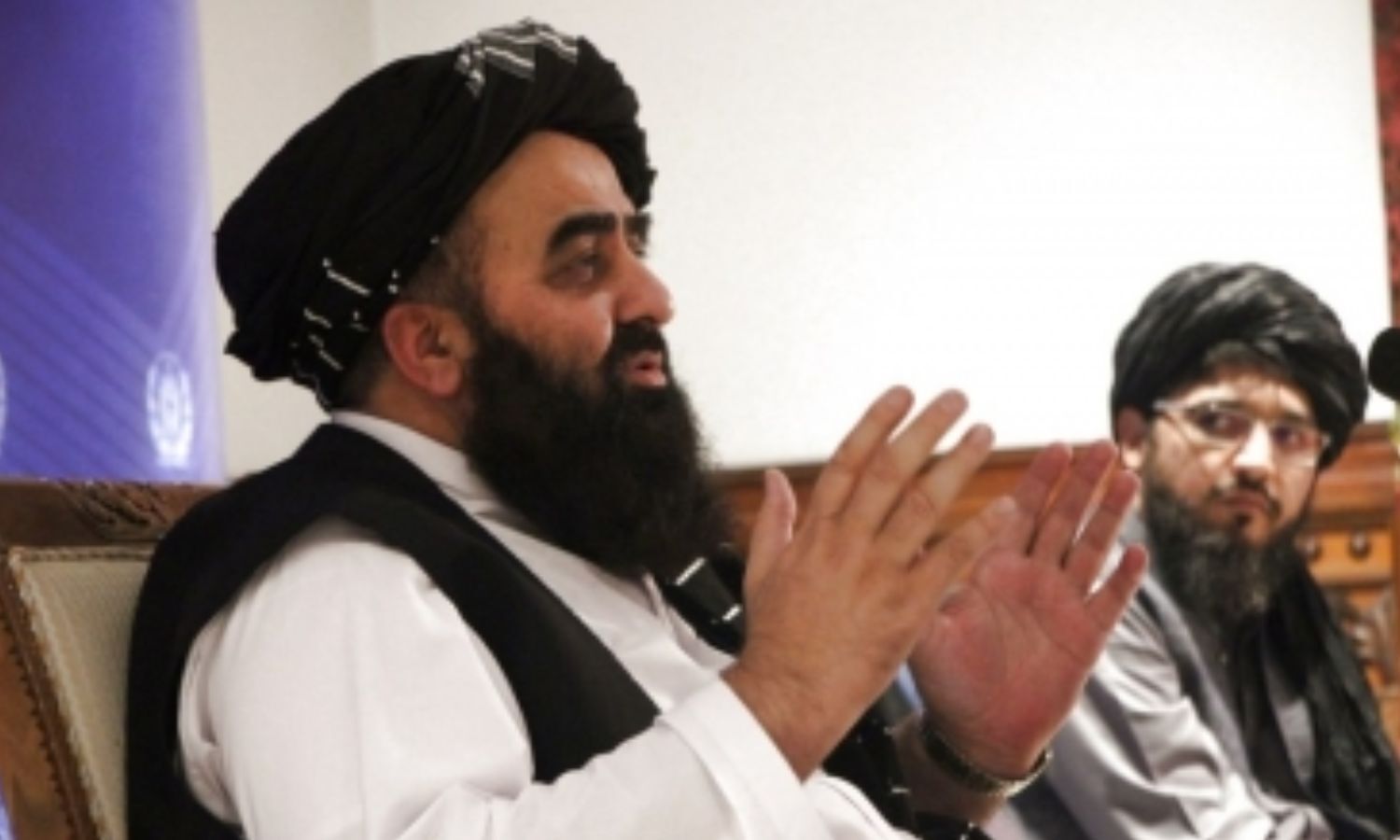
The Taliban governs Afghanistan but is not officially recognized by most countries.
It is trying to build relationships with other nations and has reopened some diplomatic missions.
Taliban officials say their leaders have made more than 90 trips abroad.
India talks with the Taliban and provides humanitarian help, but it does not officially recognize its government.
Russia is described as the only country with formal diplomatic ties to Kabul.
Other countries, including China, maintain some form of contact.
Many governments criticize the Taliban because girls cannot continue school beyond middle school and women are barred from many jobs.
Afghanistan also faces frozen bank assets, reduced aid and serious food and health problems.
United Nations officials say countries disagree about how to encourage the Taliban to govern more inclusively and meet international obligations.

Taliban officials have reportedly made more than 90 foreign trips despite sanctions and travel restrictions.
The administration has reopened some Afghan diplomatic missions without receiving broad international recognition.
India maintains humanitarian and diplomatic engagement with Kabul while formally following an “engagement without recognition” policy.
Russia is described as the only country with official diplomatic ties to Afghanistan, while China has exchanged representatives with Kabul.
United Nations and humanitarian officials continue to cite restrictions on women, frozen assets, funding cuts and severe humanitarian needs.
- Who
- The Taliban administration, foreign governments including India, Russia, China and Iran, and international organizations including the United Nations and the International Committee of the Red Cross.
- What
- The Taliban is seeking wider foreign relations despite sanctions, lack of broad recognition, rights concerns and humanitarian hardship in Afghanistan.
- Where
- Afghanistan and its diplomatic missions and contacts abroad, including in India, Russia, China, Iran and Uzbekistan.
- When
- Since the Taliban takeover on August 15, 2021; officials reportedly made more than 90 foreign trips over the past period described in the report.
- Why
- The Taliban is pursuing diplomatic and economic engagement, while other countries and international bodies remain concerned about human rights, governance, sanctions and Afghanistan’s humanitarian crisis.
Engagement and diplomatic contact
Recognition, pressure and rights concerns
How to deal with the Taliban
Engagement and diplomatic contact
Supporters of continued engagement point to diplomatic contacts, humanitarian support and expanded economic relations with countries including India, Iran and Uzbekistan.
Recognition, pressure and rights concerns
Critics and international officials stress that the Taliban remains isolated because of its treatment of women, lack of inclusive governance and alleged failure to meet international obligations.
Diplomatic recognition
Engagement and diplomatic contact
The Taliban has renewed some diplomatic missions and is seeking working relationships even without formal recognition from most countries.
Recognition, pressure and rights concerns
Most countries have not formally recognized the administration, while sanctions, travel bans and the absence of Taliban representation in multilateral institutions remain in place.
Women and humanitarian needs
Engagement and diplomatic contact
International engagement is presented as necessary to provide national and international support to a country facing severe humanitarian needs.
Recognition, pressure and rights concerns
Humanitarian and United Nations officials warn that restrictions on women’s education and employment could reduce the future availability of female healthcare workers and worsen access to care.
Key facts
- Foreign trips
- Taliban spokesperson Zabihullah Mujahid said officials have undertaken more than 90 foreign trips.
- India’s policy
- India maintains diplomatic channels and humanitarian support through “engagement without recognition.”
- Formal diplomatic ties
- Russia is described as the only country with official diplomatic ties to Afghanistan.
- Women’s rights
- Girls cannot study beyond middle school, and women are barred from most workplaces.
- Frozen assets
- Afghanistan’s Central Bank assets remain frozen, limiting private-sector development potential.
- Child malnutrition
- A reported 3.7 million children in Afghanistan are suffering from acute malnutrition.
- Humanitarian closures
- More than 100 clinics treating malnourished children have reportedly shut because of humanitarian funding cuts.
Quotes
United Nations Security Council members
Members of the UN Security Council discussing Afghanistan’s governance and international engagement
“Council members have generally been united in their desire to see Afghanistan governed by inclusive leadership, complying with its international obligations, and free from terrorism, but they are divided over how to achieve this goal.”
 thehansindia.com
Sources
Related news
Taliban Renews Push for Afghanistan’s United Nations Representation
Taliban’s Fragile Legitimacy Tests India’s Evolving Afghan Policy

India Deepens Taliban Engagement While Recognition Remains On Hold
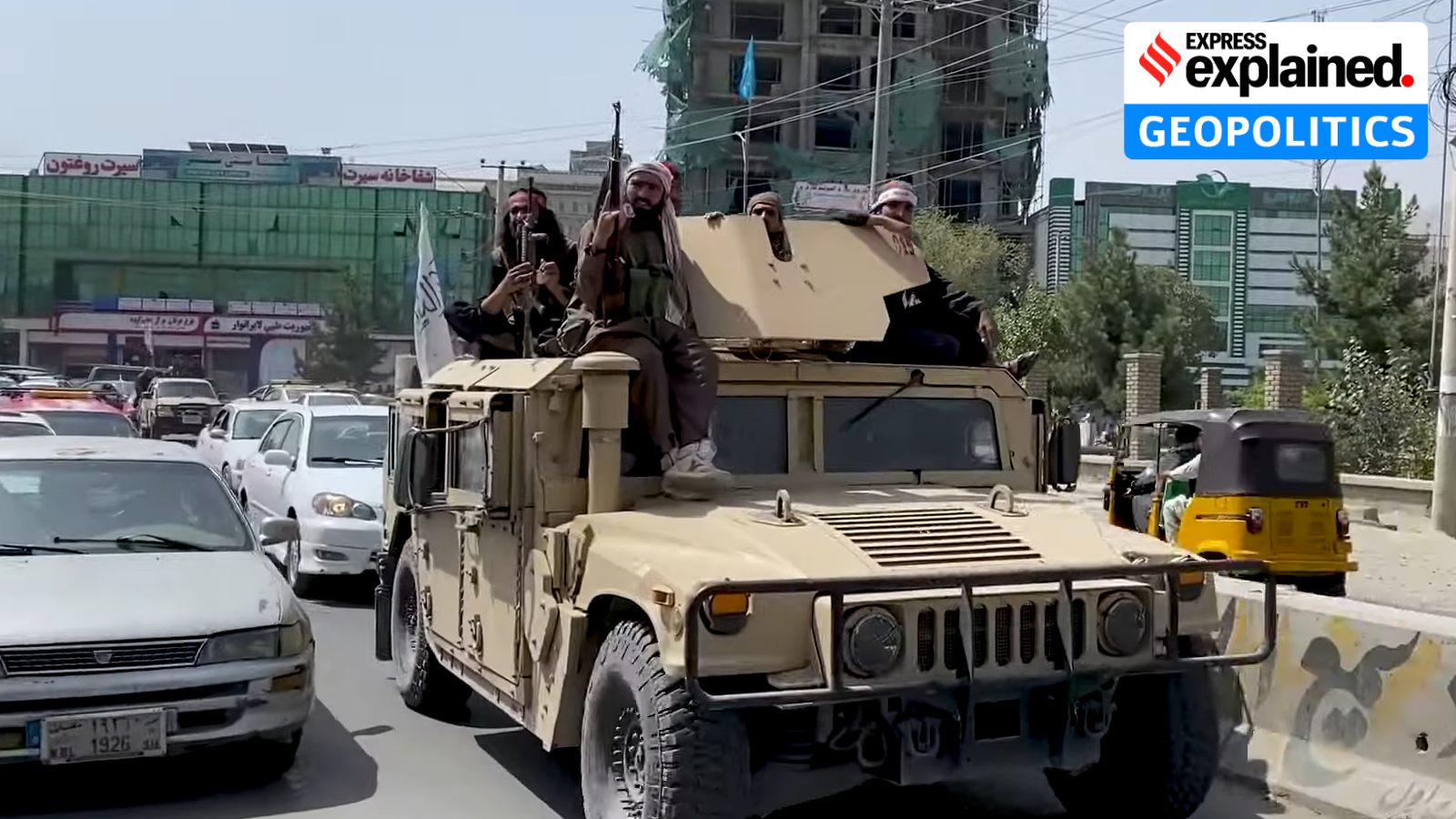
India’s Growing Engagement with Taliban Five Years After Kabul Fell
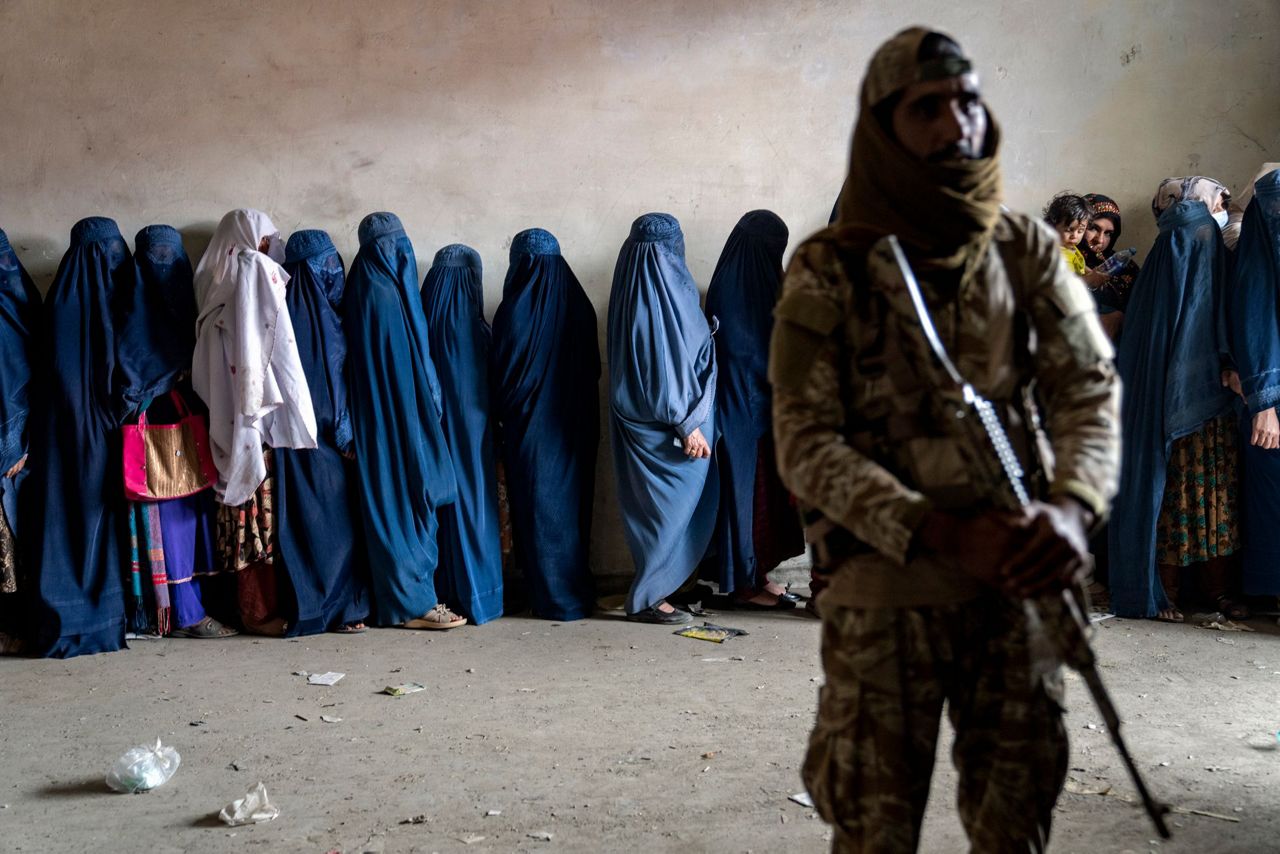
Taliban Marks 5 Years in Power Amid Rights Groups Alarm
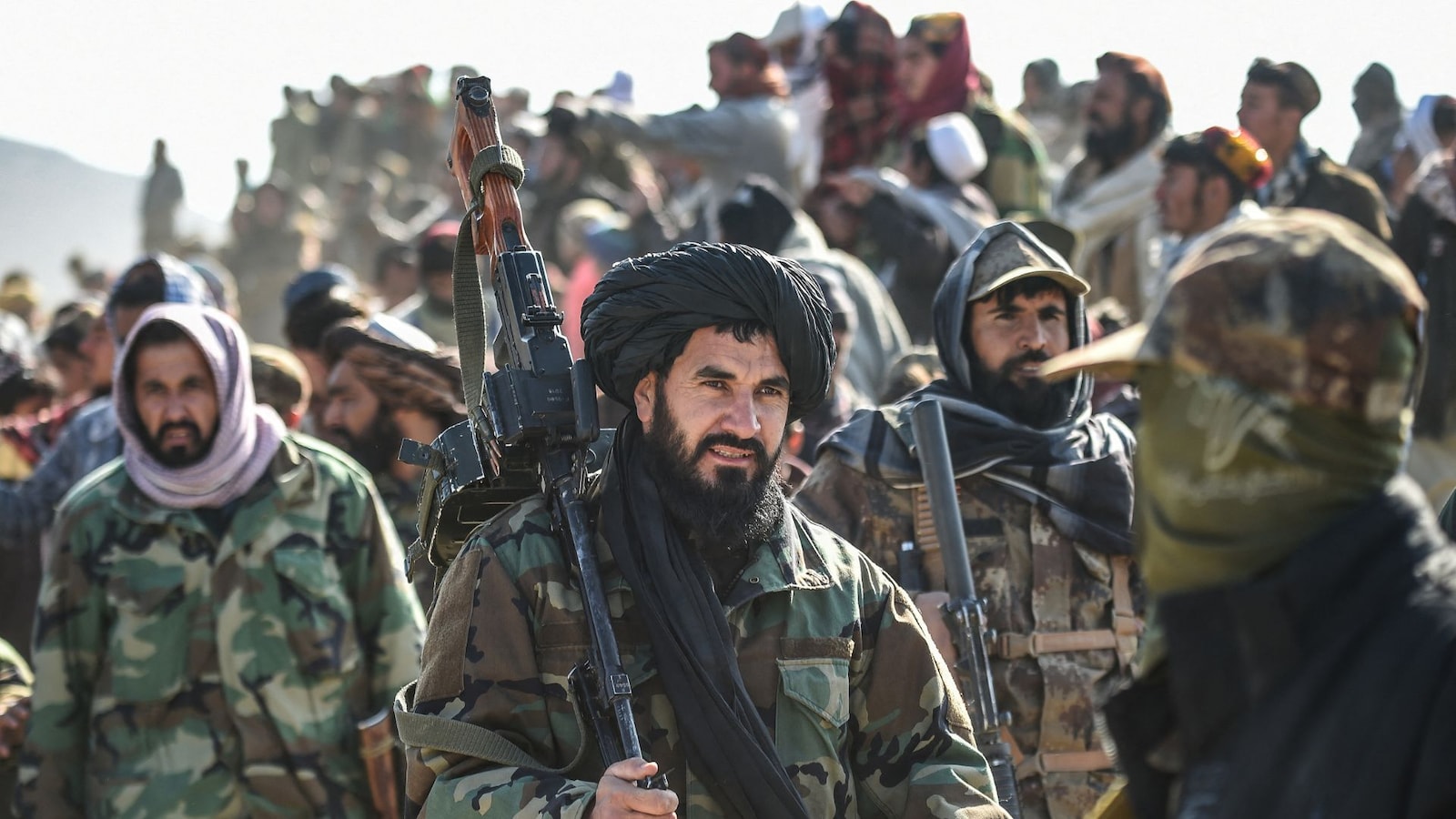
India May Attend Taliban's Victory Day Event in Delhi

Over 52 Injured in Grenade Blast Near Kabul School
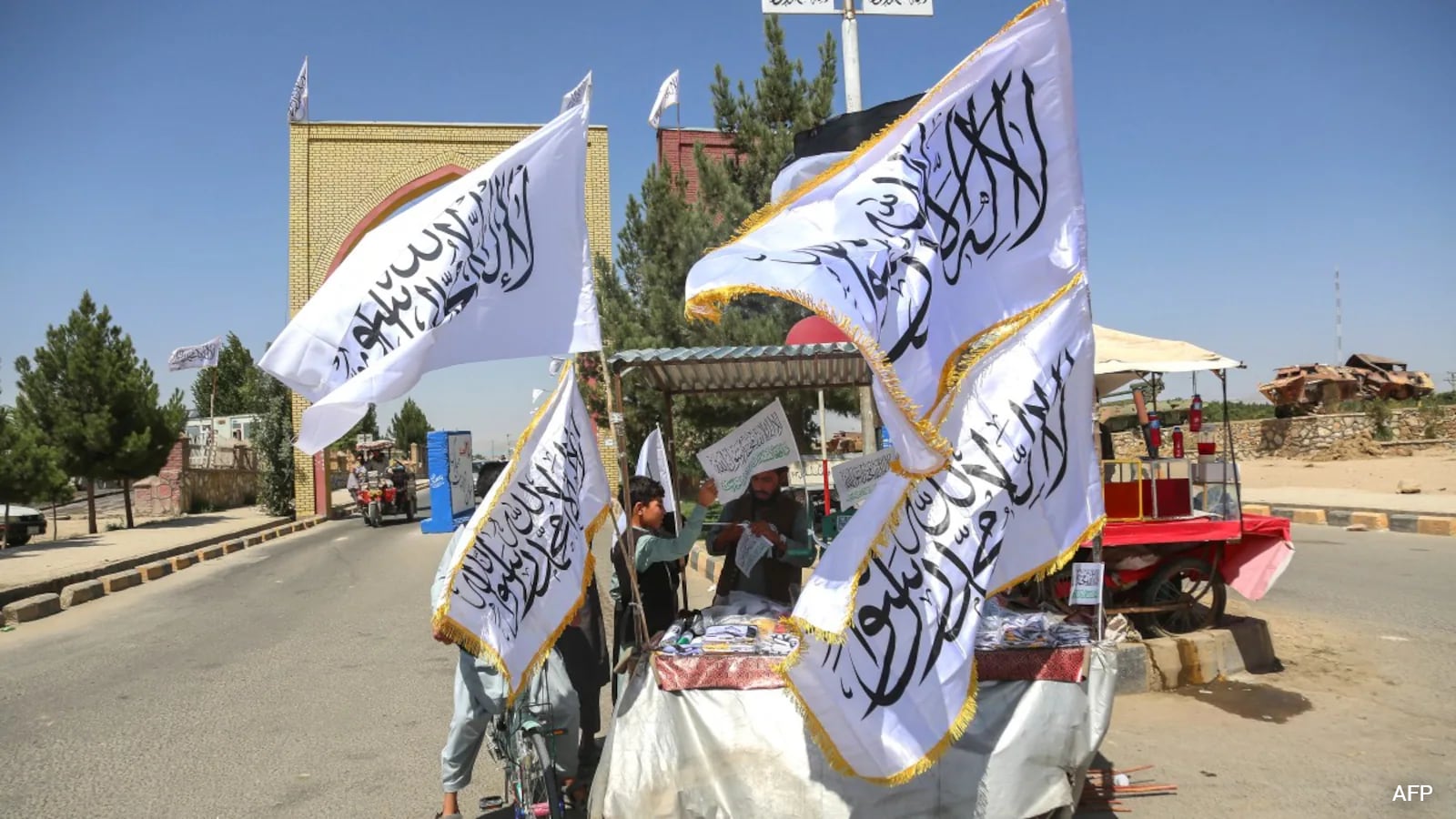
Taliban Celebrates Five Years of Afghanistan Rule; Critics Decry Restrictions